

Intro
Introducing new foods is a meaningful milestone, and it can also feel surprisingly high-stakes. Many caregivers are balancing excitement with questions about choking, allergy, nutrition, digestive changes, and whether their baby is truly ready. A safe approach is not about perfection; it is about watching your baby closely, using developmentally appropriate textures, and getting individualized guidance when medical factors are present.
Most babies are ready for complementary foods around 6 months, while breast milk or infant formula remains the main source of nutrition during the transition. The goal is gradual exposure: one new food at a time, prepared in a texture your baby can manage, with space between new foods so you can notice possible reactions.
Highlights
Most babies begin solids at about 6 months, when they show developmental readiness such as good head control and interest in food.
Offer one single-ingredient food at a time and wait 3 to 5 days before adding another new food, especially when watching for reactions.
Texture matters for safety: foods should be soft, mashed, pureed, or cut into small safe pieces depending on developmental stage.
Choking risk is reduced by supervision, seated feeding, avoiding high-risk foods, and never putting a baby to bed with food or a bottle.
Babies with eczema, known food allergy, prematurity, feeding problems, or complex medical histories should have a tailored plan with a healthcare professional.
Start with readiness, not the calendar alone
Age is important, but readiness is developmental. Public health guidance commonly recommends introducing solid foods at about 6 months. Before then, most infants do not have the neuromuscular coordination needed to handle solids safely, and breast milk or infant formula generally provides the required nutrition.
Readiness signs include steady head and neck control, the ability to sit with support, bringing objects to the mouth, showing interest when others eat, and opening the mouth when food is offered. The tongue-thrust reflex, which pushes food out of the mouth, usually decreases as babies mature. If your baby was born prematurely or has hypotonia, neurologic differences, chronic lung disease, reflux complications, or a history of aspiration, the timing may need adjustment with clinical guidance.
Solid foods are called complementary because they complement milk feeds rather than replace them immediately. A baby may take only a teaspoon or two at first. That is normal. The first weeks are about learning oral motor skills, tolerating new sensory input, and creating a calm feeding pattern.
Use the one-food-at-a-time method
A practical safety strategy is to introduce one single-ingredient food and then wait 3 to 5 days before introducing another new food. This spacing is not meant to slow variety forever; it helps you identify a likely trigger if a rash, vomiting, diarrhea, wheezing, or other reaction occurs.
Examples of single-ingredient first foods include iron-fortified infant cereal mixed with breast milk or formula, pureed meat, mashed beans, pureed vegetables, mashed fruit, or plain yogurt when appropriate for age and family diet. Iron-rich foods for babies are especially valuable because infant iron stores begin to decline during the second half of the first year.
Once several single foods have been tolerated, you can combine them. For example, if your baby has already tolerated oatmeal and pear separately, offering them together is reasonable. Keep portions small at first and follow your baby’s cues rather than trying to finish a set amount.
- Choose a calm time when your baby is alert but not extremely hungry or tired.
- Offer a very small amount on a spoon and pause between bites.
- Record the food and date if you are concerned about reactions.
- Avoid adding salt, sugar, honey, or sweeteners.
- Continue breast milk or formula as the primary nutrition source during early feeding.
Prepare foods for your baby’s developmental stage
Texture progression is central to safe feeding. Early foods should be smooth, thin purees or very soft mashed foods. As your baby develops better oral control, you can gradually move toward thicker purees, mashed foods with soft lumps, and then small pieces of soft food. The transition does not need to be rushed, but prolonged avoidance of texture can make later feeding more difficult for some children.
To reduce choking risk, cook hard foods until soft and mash or puree them. Remove seeds, pits, bones, tough skins, and strings. Cut soft foods into small pieces when your baby is ready for finger foods. Round foods such as grapes, cherry tomatoes, and hot dogs are particularly risky if served whole; they should be avoided or cut lengthwise into small, safe shapes when developmentally appropriate.
Common choking hazards for infants and young toddlers include whole nuts, popcorn, chunks of meat or cheese, hard raw vegetables, whole grapes, hard candy, spoonfuls of nut butter, and sticky or tough foods that do not break down easily. Nut butters, if introduced, should be thinned smoothly with water, breast milk, formula, or mixed into puree rather than offered as a thick spoonful.
Always feed your baby seated upright and supervised. Avoid feeding in a car seat, stroller reclined position, or while your baby is crawling, laughing, or crying. If you are exploring baby-led weaning, discuss it with your pediatric clinician if your baby has prematurity, developmental delay, poor weight gain, swallowing concerns, or a history of choking.
Watch for allergic reactions and other food-related symptoms
Most new foods are tolerated without difficulty. Still, it is wise to know what to watch for. Possible allergic reaction signs include hives, facial or lip swelling, repetitive vomiting, coughing, wheezing, breathing difficulty, pallor, lethargy, or sudden behavior change. Gastrointestinal symptoms such as diarrhea, blood in stool, persistent vomiting, or worsening eczema should be discussed with a healthcare professional, especially if recurrent.
Some reactions occur within minutes to two hours, which can suggest an immediate-type immune reaction. Other symptoms may be delayed and less specific. Do not attempt to diagnose an allergy based only on one mild symptom, and do not repeatedly challenge a food that caused concerning symptoms without medical advice.
Emergency care is needed for breathing difficulty, swelling involving the mouth or throat, repeated vomiting with weakness, severe lethargy, or any signs that worry you. If your baby has severe eczema, an existing food allergy, or a strong family history of atopic disease, ask your pediatrician or allergist how to introduce common allergens such as peanut, egg, dairy, wheat, soy, sesame, fish, and shellfish.
Introduce variety without pressure
After your baby has tolerated several single foods, variety becomes important. Repeated exposure helps babies learn flavors and textures. A baby may need many neutral exposures before accepting a food, so refusal does not necessarily mean dislike. Try again another day without pressure.
Responsive feeding means noticing hunger cues and fullness cues. Hunger cues may include leaning toward the spoon, opening the mouth, reaching for food, or showing focused interest. Fullness cues may include turning away, closing the mouth, pushing the spoon away, spitting food out, or becoming fussy. Pressuring a baby to eat past fullness can interfere with self-regulation.
Include foods from different groups as tolerated: vegetables, fruits, grains, legumes, meats, poultry, fish low in mercury, eggs, and plain unsweetened dairy foods such as yogurt when age-appropriate. Avoid cow’s milk as the main drink before 12 months, although dairy products used as foods may be acceptable for many babies. Honey should be avoided before 12 months because of the risk of infant botulism.
Plan around milk feeds, hydration, and nutrition
During early solids, breast milk or infant formula remains essential. Solids should not displace too many milk feeds too quickly. Many families find it easiest to offer solids after a milk feed at first, so the baby is not frantic with hunger. Over time, meals become more structured, but the transition is gradual.
Small sips of water may be introduced with meals after solids begin, but water should not replace breast milk or formula. Juice is generally not necessary for infants and can contribute to excess sugar intake and reduced appetite for nutrient-dense foods.
Pay attention to iron and zinc, especially for breastfed babies and babies with low birth weight or prematurity. Pureed meats, iron-fortified infant cereals, beans, lentils, and other iron-containing foods can help. Your clinician may advise supplements in certain circumstances, but supplementation should be individualized.
When to ask for extra help
Feeding is both nutritional and developmental, so early support can be valuable. Contact your pediatric clinician if your baby consistently coughs, gags severely, sounds wet or congested after feeds, refuses most textures, vomits persistently, has poor weight gain, develops blood in stool, or seems distressed during meals. These symptoms do not always indicate a serious problem, but they deserve professional assessment.
Babies with cardiac disease, cleft palate, neurologic conditions, chronic respiratory disease, gastrointestinal disorders, or a history of neonatal intensive care may benefit from a pediatric feeding assessment before or during the transition to solids. A registered dietitian, speech-language pathologist, occupational therapist, allergist, or gastroenterologist may be involved depending on the concern.
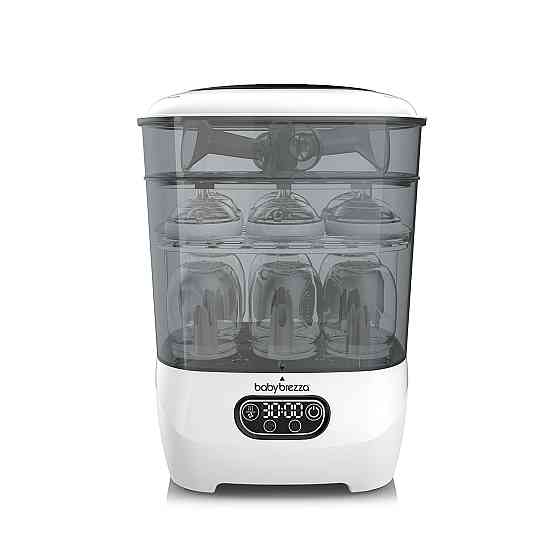
If you use bottles alongside solids, continue safe formula preparation and safe bottle hygiene. Feeding safety is cumulative: clean equipment, appropriate textures, upright positioning, and calm supervision all work together.
Safety warnings
- Seek emergency care for breathing difficulty, mouth or throat swelling, severe lethargy, or repeated vomiting after a food exposure.
- Do not give honey before 12 months because of infant botulism risk.
- Avoid whole nuts, popcorn, whole grapes, hard candy, chunks of hard food, and thick spoonfuls of nut butter.
- Do not start solids before your baby shows developmental readiness unless a healthcare professional gives specific guidance.
- Consult your baby’s clinician before introducing allergens if your baby has severe eczema, known food allergy, or complex medical needs.
Tools & Assistance
- A simple food introduction log with dates, ingredients, and any symptoms
- A high chair that supports upright seated feeding
- Soft spoons, small bowls, and age-appropriate open cup or training cup
- Pediatrician, registered dietitian, allergist, or pediatric feeding therapist when concerns arise
- Infant CPR and choking response education from a qualified local provider
FAQ
What food should I introduce first?
There is no single required first food. Good options include single-ingredient, soft foods such as iron-fortified cereal, pureed meat, mashed beans, vegetables, or fruit. Prioritize safe texture and iron-rich choices.
Do I really need to wait 3 to 5 days between every food?
Waiting 3 to 5 days is especially helpful during the early phase and for foods more likely to cause reactions. Once many foods are tolerated, your pediatric clinician may support a more flexible approach.
Is gagging the same as choking?
No. Gagging is a protective reflex and may happen as babies learn textures. Choking is silent or ineffective breathing due to airway obstruction and requires immediate action. Supervision and safe food preparation are essential.
Can I season my baby’s food?
You can use mild herbs or spices, but avoid added salt, sugar, and honey. Babies can learn family flavors gradually without excess sodium or sweeteners.
What if my baby refuses a new food?
Refusal is common and usually not a problem. Stop, stay calm, and offer the food again another day. Repeated low-pressure exposure often helps acceptance.
Sources
- Centers for Disease Control and Prevention — When, What, and How to Introduce Solid Foods
- HealthyChildren.org — Starting Solid Foods
- Mayo Clinic — Solid foods: How to get your baby started
Disclaimer
This article is for general educational purposes and does not replace medical advice. Consult your baby’s healthcare professional for individualized feeding, allergy, or swallowing guidance.














Please log in to leave a comment.