

Intro
Formula feeding can be a safe, nourishing, and responsive way to feed a baby, whether it is used from birth, combined with breastfeeding, or started later for medical, practical, or personal reasons. Many parents arrive at formula feeding with mixed emotions: relief, uncertainty, grief, confidence, or all of these at once. What matters most is that your baby is fed safely, growing appropriately, and cared for with warmth.
Medically, infant formula is designed to meet the nutritional needs of most babies during the first year of life, but preparation and storage are not casual details. Correct mixing, clean equipment, safe water practices, and attention to feeding cues all reduce avoidable risk. This overview explains the core decisions and safety steps while emphasizing that individual feeding plans should be discussed with your pediatrician, family physician, midwife, dietitian, or lactation professional when relevant.
Highlights
Standard infant formula is appropriate for many babies, but premature infants, immunocompromised infants, and babies with metabolic or gastrointestinal conditions may need individualized advice.
Powdered formula is convenient and widely used, but powdered formula is not sterile, so safe handling and preparation are clinically important.
Always follow the formula mixing instructions on the container exactly; extra water or extra powder can cause electrolyte imbalance, dehydration, poor growth, or gastrointestinal symptoms.
Responsive bottle feeding helps babies regulate intake by honoring hunger cues, fullness cues, and comfortable pacing rather than pressuring a baby to finish a bottle.
Prepared formula has time and temperature limits, and leftover formula from a bottle should be discarded because saliva can introduce bacteria.
What infant formula is designed to do
Infant formula is a regulated food designed to provide macronutrients, micronutrients, and energy for infants who are not receiving breast milk or who need supplementation. Most routine formulas are cow milk-based and modified to be more suitable for infants, including adjusted protein composition, added lactose or other carbohydrates, fat blends, vitamins, minerals, and usually iron. Iron-fortified infant formula is commonly recommended because iron supports neurodevelopment and helps prevent iron deficiency anemia.
Formula is not a medication, and choosing one does not mean you have failed your baby. Feeding decisions are shaped by milk supply, infant medical needs, parental health, adoption or surrogacy, work demands, mental health, family structure, and personal preference. A supportive care team should help you make a safe plan without shame.
Some babies need specialized formulas, such as extensively hydrolyzed, amino acid-based, lactose-reduced, or premature infant formulas. These are not interchangeable with standard formula for every baby. If there is blood in the stool, persistent vomiting, poor weight gain, suspected allergy, prematurity, congenital heart disease, kidney disease, or a known metabolic disorder, seek individualized medical guidance rather than experimenting through multiple products on your own.
Formula forms: powder, concentrate, and ready-to-feed
Infant formula commonly comes in three forms. Powdered formula is the least expensive and easiest to store, but powdered formula is not sterile. Concentrated liquid formula must be mixed with the correct amount of water. Ready-to-feed formula is used directly from the container and is often the most convenient option, though it is usually more expensive.
- Powdered formula: Measure water first, then add the exact number of level scoops specified on the label. Use the scoop that comes with that container.
- Concentrated liquid formula: Mix with water exactly as directed by the manufacturer, usually in a one-to-one ratio, unless the label says otherwise.
- Ready-to-feed formula: Do not dilute it. Pour the needed amount into a clean bottle and store any unused portion according to the label.
Never stretch formula by adding extra water. Over-dilution can lower sodium and calorie intake and, in severe cases, may contribute to seizures or dangerous electrolyte abnormalities. Likewise, adding extra powder can concentrate minerals and calories, increasing the risk of dehydration, constipation, or excessive renal solute load. If cost or supply is a problem, ask your pediatric office, WIC program if available, community health clinic, or local social services about safe options.
Safe formula preparation
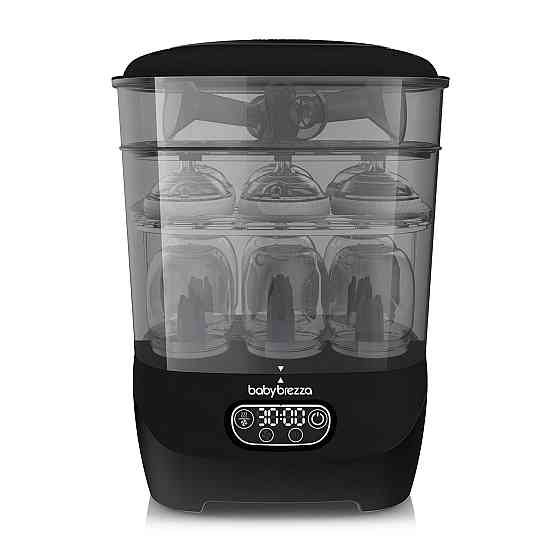
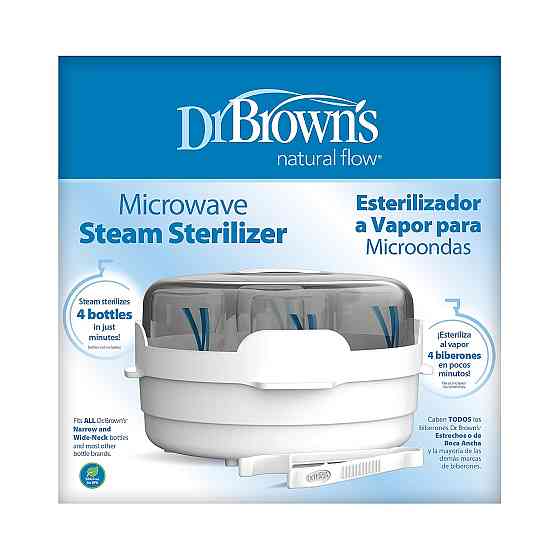
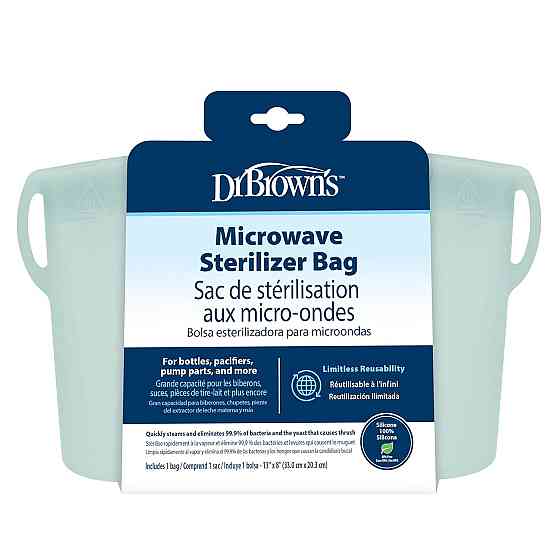
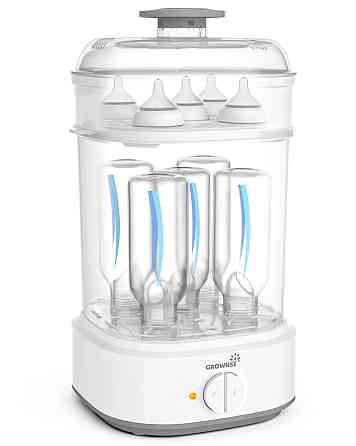
Safe formula preparation starts before the scoop touches the bottle. Wash your hands with soap and water, clean the preparation surface, and use clean bottles and nipples. For young infants, babies born prematurely, or infants with weakened immune systems, clinicians may recommend extra precautions, including sterilizing feeding equipment and using very hot water when preparing powdered formula.
The CDC notes that powdered infant formula can rarely be contaminated with Cronobacter, a bacterium that can cause severe infection in young or medically vulnerable infants. One risk-reduction method is to mix powdered formula with water heated to at least 158°F or 70°C, then cool the prepared bottle before feeding. This approach is most relevant for infants under 2 months, premature infants, or infants with immune compromise, but parents should follow their clinician’s advice because practices may vary by infant risk and local water safety.
Use the exact water-to-formula ratio on the label. If using tap water, make sure it is from a safe source. If you are unsure about water quality, have well water, are under a boil-water advisory, or live in an area with known contamination concerns, ask your local health department or pediatric clinician whether to use boiled, cooled water or bottled water. Bottled water is not automatically sterile, and some bottled waters may contain varying mineral levels, so guidance is especially important for newborns and medically fragile infants.
After mixing, check the temperature before feeding by placing a few drops on the inside of your wrist; it should feel warm, not hot. Do not heat bottles in a microwave, because uneven heating can create hot spots that burn a baby’s mouth or throat. Warm bottles by placing them in a container of warm water or using a bottle warmer according to instructions.
Storage, timing, and contamination prevention
Prepared formula should be handled as a perishable food. Bacteria grow more easily when formula sits at room temperature, especially after a baby has started drinking from the bottle. As a practical rule, use prepared formula within the time limits given by the manufacturer and public health guidance, and discard any formula left in the bottle after feeding.
- Use a prepared bottle promptly, or refrigerate it if it will not be used right away.
- Keep refrigerated prepared formula cold, ideally at 40°F or 4°C or below.
- Discard formula that has been at room temperature too long, especially if the bottle has already touched the baby’s mouth.
- Do not save leftover formula from a partially finished bottle for a later feeding.
- Check expiration dates and avoid using formula from damaged, swollen, dented, or leaking containers.
If you prepare bottles in advance, label them with the preparation time and place them in the back of the refrigerator, where the temperature is most stable. When leaving home, use an insulated bag with cold packs for prepared formula, or carry powder and safe water separately to mix shortly before feeding if that is appropriate for your baby’s age and risk profile.
How much and how often babies drink
Typical formula amounts by age are helpful starting points, not rigid prescriptions. Newborns often take small volumes frequently because their stomach capacity is limited and feeding stamina is still developing. Intake usually increases over the first weeks as the baby grows. Many formula-fed babies eventually feed every 3 to 4 hours, but appetite varies with age, growth spurts, illness, sleep patterns, and individual metabolism.
Rather than focusing only on ounces, clinicians look at weight trajectory, hydration, stooling and urination, alertness, and feeding comfort. Infant feeding and diaper output can be especially reassuring in the early weeks. Adequate wet diapers, regular weight checks, and a baby who has periods of alertness and settles after feeds are more meaningful than whether every bottle is finished.
A Baby feeding schedule by age can be useful for planning, but it should remain flexible. Some babies naturally cluster feeds at certain times of day. Others take smaller, more frequent bottles. If your baby consistently drinks far less than expected, seems lethargic, has fewer wet diapers, vomits forcefully, has breathing difficulty during feeds, or is not gaining weight as expected, contact a healthcare professional promptly.
Responsive bottle feeding and comfort
Responsive bottle feeding means feeding with attention to the baby’s cues rather than treating the bottle as a volume goal to complete. Hunger cues may include stirring, rooting, bringing hands to the mouth, increased alertness, or sucking motions. Crying can be a late hunger cue, but crying also has many causes, including tiredness, overstimulation, discomfort, or needing closeness.
Hold your baby semi-upright, keep the bottle angled so the nipple is filled with milk, and allow pauses. Some families use paced bottle-feeding techniques, especially when combining breast and bottle, to slow flow and help the baby regulate intake. Fullness cues include turning away, relaxed hands, slowing sucking, falling asleep, pushing the nipple out, or becoming fussy when the bottle is reoffered.
Burping can help some babies, but not every baby needs a long burp after every ounce. Try burping during natural pauses and at the end of the feeding. Avoid propping a bottle or putting a baby to bed with a bottle, because this increases choking risk and can contribute to dental caries once teeth erupt. Feeding is also a relational experience: eye contact, calm pacing, and warm holding support bonding regardless of whether the milk is breast milk or infant formula.
Common concerns and when to seek help
Mild spit-up, gas, hiccups, and variable stool patterns are common in infancy and do not automatically mean a baby needs a different formula. Formula-fed babies may have stools that are tan, yellow, brown, or green, and stool frequency can vary. However, persistent distress, poor growth, recurrent forceful vomiting, blood or mucus in stool, chronic diarrhea, significant constipation, eczema with feeding symptoms, or respiratory symptoms during feeding deserve medical assessment.
Do not diagnose formula allergy or reflux based only on internet checklists. Cow milk protein allergy, gastroesophageal reflux disease, lactose intolerance, pyloric stenosis, infection, anatomic feeding problems, and normal infant behavior can overlap in symptoms. A clinician can assess growth, hydration, abdominal findings, stool history, and red flags before recommending a formula change or further evaluation.
If you are combining breastfeeding and formula, consider working with a lactation consultant if maintaining milk supply is a goal. Supplementation can be done in many ways, but frequency of milk removal, infant latch, and parental health all affect supply. Breastfeeding basics for new parents may be relevant if you are navigating mixed feeding and want to preserve flexibility.
Safety warnings
- Never dilute formula beyond the label instructions or add extra powder unless specifically directed by a healthcare professional.
- Do not microwave bottles, because hot spots can burn a baby even when the bottle feels only warm.
- Discard leftover formula from a bottle after feeding; do not refrigerate it for later use.
- Call a clinician urgently for poor feeding with lethargy, dehydration signs, fever in a young infant, breathing difficulty, or repeated forceful vomiting.
- Ask for medical guidance before using specialized, homemade, toddler, plant-based, or imported formulas for an infant.
Tools & Assistance
- Pediatrician or family physician visit for growth checks and individualized feeding guidance
- Registered dietitian with pediatric experience for complex formula or growth concerns
- Lactation consultant if combining breast milk and formula or protecting milk supply
- Local health department or water authority for questions about tap water safety
- WIC or community nutrition program for formula access and safe feeding support
FAQ
Can I switch formula brands?
Many babies tolerate switching between standard formulas, but changes can temporarily affect stool pattern or gas. If your baby is premature, has poor growth, allergies, or a medical condition, ask a clinician before switching.
Is warm formula required?
No. Many babies can drink room-temperature or cool formula safely if it has been prepared and stored correctly. If warming, avoid microwaves and test the temperature before feeding.
How do I know if my baby is getting enough?
Look at growth, wet diapers, alertness, and feeding satisfaction, not ounces alone. If diaper output drops, weight gain is poor, or your baby seems unusually sleepy or distressed, seek medical advice.
Do I need to sterilize bottles every time?
Routine washing may be enough for many healthy older infants, but sterilizing is often recommended for newborns, premature infants, or babies with immune risk. Follow your clinician’s advice and local public health guidance.
When can babies stop infant formula?
Most babies use breast milk or infant formula as the main milk source for the first year. Transition timing and alternatives should be discussed with a healthcare professional, especially if growth or nutrition concerns exist.
Sources
- U.S. Food and Drug Administration — Handling Infant Formula Safely: What You Need to Know
- Centers for Disease Control and Prevention — Infant Formula Preparation and Storage
- Seattle Children's Hospital — Bottle-Feeding (Formula) Questions
Disclaimer
This article is for general educational purposes only and does not replace medical advice, diagnosis, or treatment. Consult a qualified healthcare professional for feeding concerns, illness symptoms, prematurity, allergies, or individualized formula guidance.














Please log in to leave a comment.