
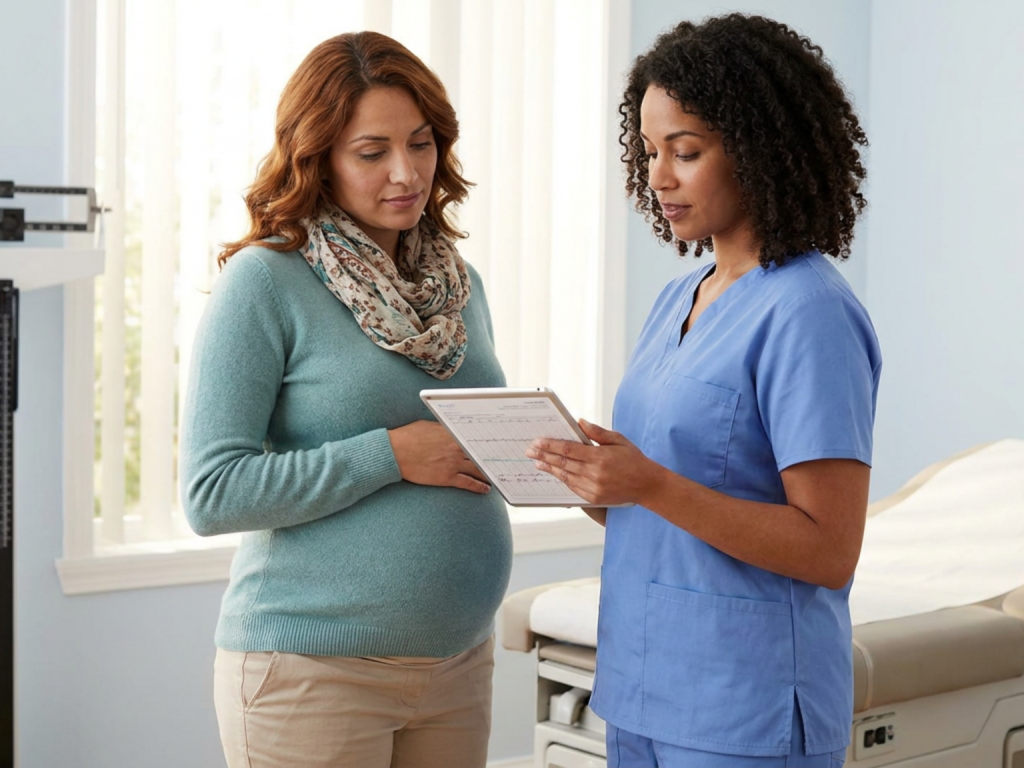
Intro
Pregnancy weight gain and belly growth are visible signs of an intricate physiologic process: expansion of maternal blood volume, growth of the uterus and breasts, placental development, amniotic fluid accumulation, fetal growth, and maternal fat storage that supports lactation and late-pregnancy energy needs. Even for medically literate parents-to-be, the pattern can feel surprisingly nonlinear. Some people gain very little early on, then notice a rapid abdominal change in mid-pregnancy; others show earlier because of anatomy, parity, bloating, or multiple gestation.
This article reviews typical weight-gain ranges and belly-growth patterns by trimester, while emphasizing that there is no single “correct” bump shape. Pre-pregnancy body mass index, fetal number, nausea and vomiting, fluid retention, medical conditions, and individual metabolism all matter. Use these ranges as a framework for informed conversations with your obstetrician, midwife, or other pregnancy care professional rather than as a self-diagnostic tool.
Highlights
First-trimester weight gain is often modest, and calorie needs usually do not increase much above baseline during this period.
For many singleton pregnancies, weight gain becomes more consistent in the second and third trimesters, often averaging around 1 pound per week depending on pre-pregnancy BMI.
Belly growth reflects more than fetal size; uterine position, abdominal wall tone, bloating, amniotic fluid, parity, and fetal presentation all influence appearance.
Recommended total pregnancy weight gain differs by pre-pregnancy BMI and is higher for twin pregnancies, so individualized guidance is essential.
Sudden weight gain, rapid swelling, severe abdominal pain, bleeding, or markedly reduced fetal movement should be discussed promptly with a healthcare professional.
Why pregnancy weight gain is not just fetal weight
It can be reassuring to know that pregnancy weight gain is distributed across several maternal and fetal compartments. By term, the fetus accounts for only part of the total. Additional weight comes from the placenta, amniotic fluid, increased blood and extracellular fluid volume, uterine muscle growth, breast tissue, and maternal adipose stores. These changes are hormonally mediated and serve physiologic purposes, including oxygen and nutrient delivery, preparation for birth, and support for breastfeeding if chosen.
This is why the scale may change before the belly looks obviously pregnant, and why abdominal size does not map perfectly to fetal weight. A person with significant early bloating may look “bigger” before the uterus has risen out of the pelvis. Conversely, a taller person or someone with a long torso may show later even with completely typical fetal growth.
Clinicians generally interpret pregnancy weight in context: gestational age, pre-pregnancy BMI, blood pressure, edema, fetal growth assessment, nutritional intake, vomiting severity, and overall health. A single number rarely tells the whole story.
Recommended total weight gain by pre-pregnancy BMI
For singleton pregnancies, widely used guidance from public health sources groups recommended total weight gain by pre-pregnancy BMI category. These ranges are population-based and are meant to reduce risks associated with too little or too much gain, such as fetal growth restriction, preterm birth, gestational diabetes, hypertensive disorders, cesarean birth, and postpartum weight retention. Individual care may differ.
- Underweight before pregnancy, BMI less than 18.5: commonly recommended total gain is 28 to 40 pounds.
- Normal weight before pregnancy, BMI 18.5 to 24.9: commonly recommended total gain is 25 to 35 pounds.
- Overweight before pregnancy, BMI 25.0 to 29.9: commonly recommended total gain is 15 to 25 pounds.
- Obesity before pregnancy, BMI 30.0 or higher: commonly recommended total gain is 11 to 20 pounds.
For twin pregnancies, recommended gains are typically higher and should be individualized. MedlinePlus notes that people carrying twins generally need more total weight gain than those carrying one fetus. If you are pregnant with twins or higher-order multiples, have a history of bariatric surgery, an eating disorder, diabetes, renal disease, hyperemesis gravidarum, or significant food insecurity, your clinician may tailor nutrition and monitoring more closely.
First trimester: subtle weight changes and early bloating
The first trimester extends from conception through 13 weeks and 6 days. Weight gain is often small during this period. Many people gain only a few pounds, and some maintain weight or lose weight because of nausea, vomiting, food aversions, fatigue, or changes in eating patterns. The CDC notes that calorie needs in the first trimester are generally similar to pre-pregnancy needs for many pregnant people, assuming a singleton pregnancy and typical activity.
Belly growth in the first trimester is usually driven more by bloating, constipation, fluid shifts, and relaxation of the gastrointestinal tract than by the fetus itself. The uterus is enlarging, but it remains largely within the pelvis until around the end of the first trimester. A visible belly may still appear earlier in people who have been pregnant before, because the abdominal wall and uterine support structures have previously stretched.
Common first-trimester patterns include:
- Minimal scale change despite strong pregnancy symptoms.
- Intermittent abdominal distension that is more noticeable in the evening.
- Breast tenderness and breast tissue growth contributing to weight change.
- Temporary weight loss if nausea and vomiting reduce intake.
If vomiting is persistent, you cannot keep fluids down, you have signs of dehydration, or weight loss is significant, medical care is important. Treatment options and nutrition strategies should be discussed with a pregnancy care professional.
Second trimester: the bump becomes more visible
The second trimester, from 14 weeks through 27 weeks and 6 days, is when many people first notice a more clearly pregnant abdominal contour. The uterus rises out of the pelvis and gradually approaches the level of the umbilicus around mid-pregnancy. Appetite may improve as nausea decreases, and fetal growth accelerates.
For many singleton pregnancies, weight gain becomes steadier in this trimester. MedlinePlus describes a common pattern of modest gain in the first trimester followed by about 1 pound per week later in pregnancy for many women, though the appropriate weekly rate varies by pre-pregnancy BMI. The CDC also notes that calorie needs generally increase in the second trimester, often by about 340 additional calories per day for people carrying one fetus, though individual needs differ by body size, activity, and clinical circumstances.
Belly growth during the second trimester can vary widely. Some people “pop” between 16 and 20 weeks; others show more gradually. Anatomy matters: torso length, pelvic shape, abdominal wall tone, uterine tilt, placental location, and whether this is a first or subsequent pregnancy all affect appearance. By this stage, clinicians may begin tracking fundal height, a measurement from the pubic bone to the top of the uterus, usually after about 20 weeks. Fundal height is a screening tool, not a diagnosis; if it differs from expected patterns, ultrasound or other assessment may be considered.
Third trimester: rapid fetal growth and a fuller abdomen
The third trimester begins at 28 weeks and continues until birth. Fetal weight gain is substantial during this period, and the abdomen often feels heavier, tighter, and more functionally limiting. The uterus expands upward toward the rib cage and then may feel lower late in pregnancy if the fetus descends into the pelvis, sometimes called lightening.
Weight gain often continues at a fairly regular pace, but it may slow near the end for some people. The CDC describes increased calorie needs in the third trimester, often about 450 additional calories per day for a singleton pregnancy, while MedlinePlus summarizes that many people gain around 1 pound per week after the first trimester. These are general reference points, not targets to force. Fluid retention, constipation, appetite changes, heartburn, reduced activity, and medical conditions can all influence the weekly pattern.
Belly size in the third trimester is influenced by fetal position, amniotic fluid volume, maternal posture, abdominal muscle separation, and whether the fetus is breech, transverse, or head-down. A sudden sense that the belly looks different can be benign, such as a change in fetal position, but changes accompanied by pain, bleeding, fluid leakage, severe headache, visual symptoms, or reduced fetal movement should be addressed promptly.
Calorie needs, nutrition quality, and movement
Pregnancy is not a time for restrictive dieting unless a healthcare professional has provided a specific medical plan. At the same time, the phrase “eating for two” can be misleading. Energy needs usually rise gradually, not dramatically, and nutrient density matters. Protein, iron, folate, iodine, calcium, vitamin D, choline, omega-3 fatty acids, fiber, and adequate hydration all support maternal and fetal health.
Practical nutrition approaches often include regular meals, protein-containing snacks if nausea or heartburn disrupts eating, high-fiber carbohydrates, healthy fats, and prenatal vitamins as recommended by a clinician. For someone with gestational diabetes, hypertension, gastrointestinal disease, or a history of disordered eating, nutrition advice should be individualized and ideally coordinated with an obstetric clinician and registered dietitian.
Physical activity, when medically appropriate, can help with energy, glucose regulation, constipation, mood, sleep, and musculoskeletal discomfort. However, exercise recommendations depend on obstetric history and current pregnancy status. Anyone with bleeding, placenta-related concerns, cervical insufficiency, preterm labor risk, significant cardiopulmonary disease, or other complications should ask their clinician what level of activity is safe.
Tracking weight and belly growth without anxiety
Tracking can be useful when it supports care, but it should not become a source of shame. Weight gain is influenced by physiology, symptoms, access to food, medications, work demands, sleep, stress, and medical conditions. If seeing the number on the scale is distressing, tell your healthcare team; many clinics can record weight without announcing it unless clinically necessary.
Helpful tracking strategies include:
- Use the same scale and similar clothing if weighing at home, and avoid multiple daily checks.
- Look at the trend over several weeks rather than one measurement.
- Bring concerns about rapid gain, no gain, or weight loss to prenatal visits.
- Ask how your pre-pregnancy BMI, fetal number, and medical history affect your recommended range.
- Remember that belly photos are not medical measurements; fundal height and ultrasound have specific clinical roles.
Emotional context matters. People with previous pregnancy loss, infertility, body image distress, or eating disorder history may find abdominal growth emotionally complicated. Compassionate prenatal care should include space for these concerns as well as the physical measurements.
When to seek medical advice promptly
- Sudden weight gain with facial or hand swelling, severe headache, visual changes, or right upper abdominal pain.
- Persistent vomiting, inability to keep fluids down, dizziness, or signs of dehydration.
- Vaginal bleeding, fluid leakage, regular painful contractions, or severe abdominal pain.
- Markedly reduced or absent fetal movement after movement patterns have become established.
- Very little weight gain, significant weight loss, or rapid belly-size change that concerns you.
Tools & Assistance
- Discuss your individualized weight-gain range at the first prenatal visit.
- Use a pregnancy weight-gain tracker recommended by your clinic or public health source.
- Ask for referral to a registered dietitian with prenatal expertise if eating is difficult or medically complex.
- Keep a short symptom log for nausea, swelling, appetite, fetal movement, and weight trends.
- Contact your obstetric triage line or maternity unit for urgent warning signs.
FAQ
Is it normal not to gain weight in the first trimester?
Yes, modest gain, no gain, or even slight loss can occur, especially with nausea or food aversions. Persistent vomiting, dehydration, or significant weight loss should be discussed with a clinician.
When will my pregnancy belly start showing?
Many people show sometime in the second trimester, but timing varies. Prior pregnancies, bloating, torso length, uterine position, and abdominal muscle tone all influence when a bump becomes visible.
Does a small belly mean the baby is not growing well?
Not necessarily. Belly appearance is an imprecise indicator. Clinicians assess growth using gestational age, fundal height trends, ultrasound when indicated, and the broader clinical picture.
Should I try to lose weight during pregnancy if I started at a higher BMI?
Do not start weight-loss dieting without medical guidance. People with higher pre-pregnancy BMI usually have lower recommended gain ranges, but nutrition and monitoring should be individualized.
Why did my weight jump several pounds in one week?
Fluid retention, constipation, scale differences, sodium intake, and normal variability can contribute. However, sudden gain with swelling, headache, vision changes, or pain needs prompt medical evaluation.
Sources
- Centers for Disease Control and Prevention — Weight Gain During Pregnancy
- MedlinePlus — Managing your weight gain during pregnancy
- National Center for Biotechnology Information — Total Amount and Pattern of Weight Gain: Physiologic and Maternal Characteristics
Disclaimer
This article is for informational purposes only and does not replace medical advice, diagnosis, or treatment. Always consult your obstetrician, midwife, or qualified healthcare professional about pregnancy weight gain, symptoms, and individualized care.















Please log in to leave a comment.