
Intro
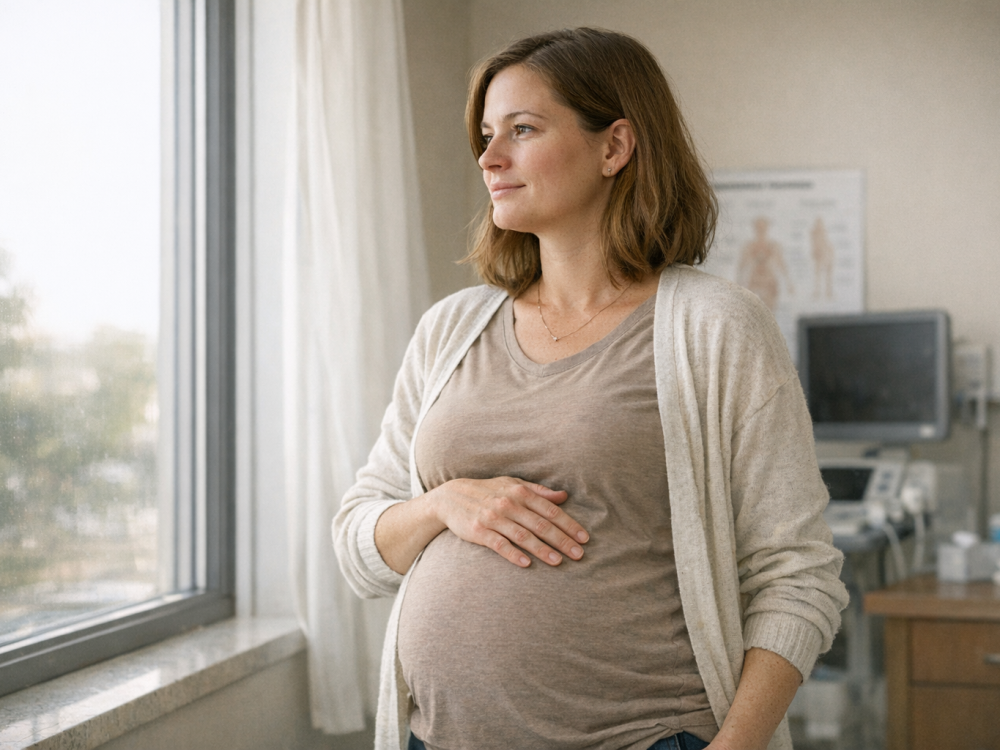
Week 27 of pregnancy is a meaningful threshold. Depending on how your clinician counts gestational weeks, you may be at the very end of the second trimester or just about to step into the third. It is common for this stage to feel both reassuring and physically demanding: fetal movements may be stronger, your abdomen may be more prominent, and changes in weight and body composition can become more noticeable.
One of the most emotionally loaded changes around week 27 is body fat increase. Medically, this is not simply “extra weight.” Maternal fat storage is one component of a coordinated physiologic adaptation that also includes fetal growth, placental development, amniotic fluid, expanded blood volume, breast tissue changes, and fluid shifts. For many people, understanding what the weight represents can reduce anxiety and support more compassionate, evidence-informed self-care.
Highlights
At week 27, fetal growth is accelerating and the transition into the third trimester is beginning, which can make weight and body-shape changes more apparent.
Maternal body fat increase is a normal physiologic reserve, partly supporting late pregnancy energy needs and later lactation.
Healthy pregnancy weight gain varies by pre-pregnancy body mass index, fetal number, medical history, and individualized clinician guidance.
Rather than focusing on fat alone, it is more useful to monitor overall wellbeing, fetal movement patterns, nutrition quality, blood pressure, and symptoms that need medical attention.
Body-image concerns are common at this stage; supportive care should include emotional health as well as physical monitoring.
Where week 27 fits in pregnancy
Week 27 sits at the boundary between the second and s. Some systems define the as beginning at week 28, while others consider week 27 part of the transition. Clinically, what matters most is not the label but the physiologic shift: the fetus is growing rapidly, maternal cardiovascular and metabolic demands are rising, and prenatal care increasingly focuses on preparation for late pregnancy and birth.
By this stage, many pregnant people notice the pregnancy feels less “in the background.” The is larger, the diaphragm may feel more crowded, and movements from the can feel more organized and forceful. You may also become more aware of Braxton Hicks contractions, pelvic pressure, leg cramps, back discomfort, reflux, and sleep disruption. These can be normal, but changes are severe, persistent, or sudden should always be discussed with a healthcare professional.
Why body fat increases around this stage
Pregnancy is distributed across several compartments. The baby, placenta, amniotic fluid, increased blood volume, extracellular fluid, breast tissue, uterine enlargement, and maternal fat stores all contribute. Maternal fat is not a passive or meaningless change; it is part of the body’s preparation for the high energy demands of late pregnancy, birth recovery, and breastfeeding if you choose or are able to lactate.
The NHS notes most pregnancy occurs after week 20, and this timing often makes week 27 feel like a period of rapid body change. This does not mean all gain is fat, and it also does not mean fat storage is unhealthy by default. The body’s endocrine environment changes during pregnancy, including shifts in insulin sensitivity, lipid metabolism, appetite regulation, and fluid retention. These adaptations help prioritize nutrient availability for the developing while maintaining maternal reserves.
For a medically literate reader, it may be helpful to think in terms of energy partitioning. Early pregnancy is more organogenesis-focused, while mid-to-late pregnancy increasingly emphasizes mass accretion and maternal substrate supply. Some fat deposition earlier and in mid-pregnancy may later be mobilized, particularly during lactation. However, the amount and pattern of gain varies widely, so individualized interpretation is essential.
Healthy weight gain: useful ranges, not personal judgments
Guidance from organizations such as the CDC and Mayo Clinic emphasizes that recommended pregnancy weight gain depends strongly on pre-pregnancy body mass index and whether you are carrying one baby or multiples. These ranges are population-based tools, not moral grades. They help clinicians identify when additional assessment may be useful, such as reviewing nutrition, edema, blood pressure, fetal growth, or metabolic risk.
At week 27, it is usually more informative to look at the pattern of weight change over time than to react to one number on the scale. A sudden jump could reflect fluid retention, constipation, clothing differences, timing of measurement, or scale variability. Conversely, inadequate gain might occur with nausea, food insecurity, restrictive eating, gastrointestinal illness, hyperemesis, or other medical factors. Neither situation should prompt self-directed dieting or supplementation without professional guidance.
The CDC notes that calorie needs do not rise substantially in the for most people, while the second and s generally require modest additional energy. “Eating for two” is therefore better understood as eating with greater nutrient density, not doubling intake. If you have a history of eating disorder, bariatric surgery, diabetes, hypertension, kidney disease, gastrointestinal disease, or fetal growth concerns, your care team may recommend more tailored monitoring.
Fetal development at 27 weeks: growth, fat, lungs, and brain
At 27 , the is still premature but increasingly capable of complex function. The is undergoing rapid growth and organization, with developing neural connections that support sleep-wake cycling and sensory processing. The lungs are structurally more advanced than in earlier weeks, although they still require substantial maturation before term. Surfactant production, alveolar development, and respiratory control continue to evolve across the .
Fetal fat de is also increasing. This fat helps with energy storage, skin integrity, and thermoregulation after birth. The baby’s body is gradually becoming less translucent and more proportionate, although substantial still lies ahead. Movements may feel like rolls, stretches, jabs, or rhythmic hiccups. Many clinicians begin discussing awareness of patterns during this general period, although formal kick-count recommendations vary by practice and risk profile.
If you previously read about earlier growth acceleration, week 27 builds on changes that began weeks before. Development is now less about forming major structures from scratch and more about maturation, growth, and functional refinement.
Physical symptoms during the transition into the third trimester
The end of the often brings a new mix of symptoms. Some are mechanical, caused by uterine enlargement and altered posture. Others are vascular, hormonal, gastrointestinal, or metabolic. Common experiences include lower back pain, pelvic girdle discomfort, round ligament pain, swelling of the feet or ankles, heartburn, constipation, shortness of breath with exertion, nasal congestion, and sleep fragmentation.
Braxton Hicks contractions may appear as irregular tightening that eases with rest, hydration, or position changes. However, contractions that become regular, painful, or are accompanied by bleeding, fluid leakage, pelvic pressure, or backache require prompt medical advice because preterm labor must be considered. Similarly, sudden swelling, severe headache, visual symptoms, right upper abdominal pain, chest pain, shortness of breath at rest, or markedly reduced fetal movement should not be dismissed as “normal pregnancy.”
It is reasonable to feel frustrated if your body seems to be changing faster than your sense of control. Pregnancy can alter mobility, digestion, sexual comfort, sleep, and self-image. These changes are real, and needing support does not mean you are coping poorly.
Nutrition that supports weight gain without over-focusing on fat
At week 27, nutritional goals should support fetal growth, maternal blood volume, tissue repair, glycemic stability, and digestive comfort. Most people benefit from regular meals or snacks that combine protein, fiber-rich carbohydrates, healthy fats, and micronutrient-dense foods. Examples include yogurt with fruit and nuts, eggs with whole-grain toast, lentil soup, salmon or tofu with vegetables, oatmeal with seeds, or beans with rice and avocado.
Key nutrients often emphasized in pregnancy include iron, folate, iodine, calcium, vitamin D, omega-3 fatty acids, choline, and protein. Needs vary, and supplements should be discussed with a clinician, especially if you already take a prenatal vitamin or have thyroid disease, anemia, malabsorption, or dietary restrictions. Hydration also matters, particularly if constipation, Braxton Hicks contractions, or headaches are an issue.
Dieting for weight loss is generally not recommended during pregnancy unless a specialist provides a specific medical plan. Restriction can increase stress and may reduce intake of important nutrients. A more helpful approach is to ask: Am I eating regularly? Do meals include protein and fiber? Am I able to tolerate foods? Are cravings, nausea, reflux, or cost barriers affecting intake? These questions lead to practical solutions rather than shame.
Movement, rest, and body mechanics
Physical activity in pregnancy can support cardiovascular health, mood, sleep, glucose metabolism, and musculoskeletal comfort, provided there are no contraindications. Many people at 27 weeks do well with walking, swimming, stationary cycling, prenatal strength training, or prenatal yoga. The best activity is often the one that is safe, sustainable, and adaptable to changing center of gravity.
As the abdomen grows, body mechanics become more important. Supportive shoes, side-lying sleep s, pillows between the knees, gentle hip mobility, and attention to lifting technique may reduce strain. A support belt can help some people with pelvic pressure or back discomfort, though it is not a substitute for medical assessment if pain is severe.
If you experience dizziness, vaginal bleeding, chest pain, calf swelling with pain, fluid leakage, regular contractions, or shortness of breath before exertion, stop activity and seek medical guidance. If you have previa, cervical insufficiency, significant cardiac or pulmonary disease, preeclampsia, growth restriction, or other complications, exercise advice should be individualized by your care team.
Emotional health and body image at 27 weeks
Body fat increase and visible weight gain can be emotionally complicated, even when you understand the physiology. Some people feel proud and connected to the pregnancy; others feel uncomfortable, exposed, or anxious. Both responses are valid. Pregnancy occurs in a culture that often sends conflicting messages: gain enough weight for the baby, but do not gain “too much”; rest, but stay fit; accept change, but quickly “bounce back.” These pressures can be exhausting.
If you find yourself frequently checking your body, avoiding appointments because of weigh-ins, restricting food, binge eating, feeling intense guilt after meals, or experiencing persistent low mood or anxiety, consider telling your clinician. Perinatal mental health support is part of pregnancy care, not an optional extra. A trauma-informed or weight-neutral healthcare professional, dietitian, therapist, or midwife may help you navigate the rest of pregnancy with less fear.
You can also ask for practical accommodations, such as blind weighing, discussing trends rather than numbers, or focusing appointments on blood pressure, fetal growth, symptoms, and laboratory markers. Respectful care should protect both physical health and dignity.
Prenatal care priorities as the third trimester approaches
Around this stage, many prenatal care schedules include screening or follow-up related to gestational diabetes, anemia, Rh status if applicable, blood pressure, fetal growth, and vaccination planning. Exact timing varies by country, clinic, and individual risk factors. Your clinician may also discuss signs of preterm labor, fetal awareness, birth preferences, breastfeeding plans, and when appointments will become more frequent.
This is a good time to ask targeted questions: Is my weight-gain pattern appropriate for my circumstances? Are there signs of fluid retention or blood pressure concerns? Do I need iron testing or nutritional support? What fetal movement pattern should prompt a call? Are my symptoms consistent with normal late-second- changes, or do they need assessment?
The goal is not to micromanage every pound. The goal is to identify risks early, support healthy growth, and help you feel informed as pregnancy enters a more physically intense phase.
Seek medical advice promptly for these symptoms
- Regular painful contractions, pelvic pressure, low backache, bleeding, or fluid leakage before term.
- Severe headache, visual changes, sudden swelling, chest pain, or right upper abdominal pain.
- Markedly reduced or absent fetal movement compared with your baby’s usual pattern.
- Sudden rapid weight gain with swelling or feeling unwell, especially with elevated blood pressure.
- Persistent vomiting, inability to keep fluids down, fainting, or signs of dehydration.
- Any symptom that feels severe, unusual, or worrying to you.
Tools & Assistance
- Bring a written symptom and movement-pattern log to your next prenatal appointment.
- Ask your clinician what weight-gain range applies to your pre-pregnancy BMI and pregnancy type.
- Consider a registered dietitian with pregnancy expertise if eating feels confusing, restricted, or stressful.
- Use supportive footwear, pillows, and posture adjustments to reduce back and pelvic strain.
- Contact your maternity unit, obstetric clinic, or midwife promptly for warning signs rather than waiting.
FAQ
Is body fat increase normal at 27 weeks of pregnancy?
Yes, some maternal fat storage is a normal part of pregnancy physiology. It is only one part of total weight gain, which also includes the baby, placenta, amniotic fluid, blood volume, breast tissue, uterus, and fluid changes.
Does week 27 count as the third trimester?
It is a transition point. Many systems begin the third trimester at week 28, while week 27 is often described as the end of the second trimester. Your care plan is more important than the exact label.
Should I try to lose weight if I am gaining faster than expected?
Do not start weight-loss dieting during pregnancy without medical guidance. If you are concerned about your pattern of gain, speak with your obstetric clinician or midwife so they can assess nutrition, swelling, blood pressure, fetal growth, and other factors.
How much extra should I eat at this stage?
Most guidance describes calorie needs in the second and third trimesters as modestly increased, not doubled. Focus on nutrient-dense meals with protein, fiber, healthy fats, and adequate hydration, and ask your clinician for individualized advice.
When should I worry about swelling or rapid weight change?
Mild ankle or foot swelling can be common, but sudden swelling, rapid weight gain with feeling unwell, severe headache, visual symptoms, chest pain, or upper abdominal pain should be assessed promptly.
Sources
- Mayo Clinic — Pregnancy weight gain: What's healthy?
- Centers for Disease Control and Prevention — Weight gain during pregnancy
- NHS — Weight gain in pregnancy
Disclaimer
This article is for informational purposes only and does not replace individualized medical advice. Always consult your obstetrician, midwife, or qualified healthcare professional about symptoms, weight gain, nutrition, or pregnancy concerns.
















Please log in to leave a comment.