
Intro
The second and third trimesters can feel very different from early pregnancy. For many people, nausea and profound fatigue ease in the second trimester, while visible growth, fetal movement, and new mechanical discomforts become more prominent. In the third trimester, the uterus is larger, the fetus is gaining weight quickly, and symptoms often reflect increased pressure on the lungs, stomach, bladder, pelvic floor, blood vessels, skin, and musculoskeletal system.
Most second- and third-trimester symptoms are physiologic, meaning they arise from normal adaptations to pregnancy rather than disease. Still, “common” does not always mean “safe to ignore.” A symptom’s timing, severity, sudden onset, associated features, and your personal medical history all matter. Use this guide to understand likely mechanisms, practical comfort measures to discuss with your care team, and warning signs that deserve prompt medical evaluation.
Highlights
Second-trimester symptoms often come from uterine growth, hormonal effects on smooth muscle and connective tissue, increased blood volume, and changing posture.
Third-trimester symptoms are frequently pressure-related: the uterus can compress the bladder, diaphragm, stomach, veins, and pelvic structures.
Swelling, shortness of breath, contractions, headache, abdominal pain, bleeding, or decreased fetal movement should be interpreted cautiously, especially if sudden or severe.
Self-care can help many discomforts, but medication, supplements, compression garments, and exercise plans should be reviewed with a qualified healthcare professional.
The big picture: why symptoms change after the first trimester
By the second trimester, the placenta is well established, maternal blood volume continues to expand, and the uterus rises out of the pelvis. Hormonal changes, particularly progesterone-mediated smooth muscle relaxation, can slow gastrointestinal transit and relax the lower esophageal sphincter. Relaxin and other connective-tissue changes support pelvic adaptation but may also contribute to joint laxity and musculoskeletal strain.
In the third trimester, symptoms often intensify because of size and pressure. The growing uterus shifts the center of gravity, increases lumbar lordosis, compresses venous return from the lower body, and leaves less room for the stomach and lungs to expand comfortably. These processes can be normal, but they can also overlap with medical conditions, which is why pattern recognition and communication with your healthcare team are important.
Digestive symptoms: heartburn, constipation, bloating, and hemorrhoids
Heartburn is common in the second and third trimesters. Progesterone can relax the lower esophageal sphincter, allowing gastric contents to reflux into the esophagus. Later, the enlarging uterus increases abdominal pressure and can worsen reflux, especially after larger meals or when lying flat.
Constipation is also frequent. Slower intestinal motility, increased water absorption from stool, iron-containing prenatal vitamins, reduced activity, and mechanical pressure from the uterus can all contribute. Constipation may then aggravate hemorrhoids, which are swollen veins around the rectum. Hemorrhoids are more likely later in pregnancy because pelvic venous pressure rises and straining can increase venous congestion.
- Helpful discussion points with your clinician include meal timing, dietary fiber, hydration, safe activity, and whether any supplement is worsening constipation.
- For reflux, many people benefit from smaller meals, avoiding lying down soon after eating, and raising the head of the bed; ask before using antacids or acid-suppressing medicines.
- For hemorrhoids, avoiding straining, using gentle hygiene, and treating constipation early can reduce irritation; bleeding, severe pain, or a new lump should be assessed.
Urinary frequency, pelvic pressure, and vaginal discharge
Frequent urination can return or worsen as pregnancy advances. The uterus presses on the bladder, and increased renal blood flow can also increase urine production. This is especially noticeable at night or when the fetal head settles lower in the pelvis late in pregnancy.
Pelvic pressure may feel like heaviness, fullness, or aching in the pubic or vaginal area. Some pressure is expected as ligaments stretch and fetal weight increases, but intense pelvic pressure, rhythmic cramping, low backache, fluid leakage, or bleeding before term should be discussed urgently because these can be associated with preterm labor or membrane rupture.
Vaginal discharge often increases in pregnancy because of higher estrogen levels and greater blood flow to vaginal tissues. However, discharge with a strong odor, itching, burning, pelvic pain, fever, or a gush or continuous trickle of fluid should prompt contact with a healthcare professional. It can be difficult to tell discharge, urine, and amniotic fluid apart without assessment.
Back pain, hip discomfort, leg cramps, and round ligament pain
Backaches and hip discomfort are among the most common later-pregnancy symptoms. Weight gain, altered posture, abdominal muscle stretching, pelvic joint changes, and prolonged standing or sitting can strain the lower back and sacroiliac joints. Pain may be dull and mechanical, but severe, one-sided, neurologic, or persistent pain deserves evaluation.
Round ligament pain is typically a sharp or pulling discomfort in the lower abdomen or groin, often triggered by changing position, coughing, or sudden movement. It reflects stretching of the ligaments that support the uterus. Although often benign, abdominal pain should not automatically be assumed to be ligament pain, especially if it is severe, constant, associated with fever, bleeding, contractions, shoulder pain, vomiting, or reduced fetal movement.
Leg cramps are also common, particularly at night. The exact cause is not always clear; vascular changes, muscle fatigue, mineral balance, and nerve compression may all contribute. Calf pain with swelling, warmth, redness, or shortness of breath is not a routine cramp and needs urgent assessment for possible venous thromboembolism.
Swelling, circulation changes, and varicose veins
Mild swelling of the feet, ankles, and hands can occur because pregnancy increases blood volume and fluid retention. The uterus can also slow venous return from the legs, especially when standing for long periods. Varicose veins and vulvar varicosities may develop or become more noticeable for similar reasons.
Symmetric swelling that builds gradually over the day is often less concerning than swelling that is sudden, severe, or accompanied by other symptoms. Sudden swelling of the face or hands, severe headache, visual changes, pain in the upper abdomen, nausea or vomiting, or feeling very unwell can be warning signs of preeclampsia and should be assessed promptly.
- Ask your care team whether compression stockings are appropriate, particularly if you have varicose veins, prolonged standing, or travel plans.
- Changing position, elevating the legs, staying hydrated, and gentle movement may improve dependent swelling.
- One-sided leg swelling, calf tenderness, warmth, or chest symptoms should be treated as urgent rather than routine pregnancy swelling.
Shortness of breath, chest sensations, and fatigue
Many pregnant people notice mild shortness of breath in the second and third trimesters. Progesterone increases respiratory drive, and the growing uterus can limit diaphragmatic excursion. This can make stairs, brisk walking, or lying flat feel more challenging. Later in pregnancy, some people feel they can breathe slightly easier after the fetus descends into the pelvis, although pelvic pressure and urinary frequency may increase.
Fatigue can also return in the third trimester because sleep is fragmented, the body is supporting fetal growth, and physical movement requires more effort. Anemia, thyroid disease, infection, mood disorders, sleep apnea, and other conditions can worsen fatigue, so persistent or disproportionate exhaustion is worth mentioning at prenatal visits.
Shortness of breath should be evaluated urgently if it is sudden, severe, occurs at rest, is associated with chest pain, fainting, rapid heartbeat, coughing blood, blue lips, fever, or one-sided leg symptoms. Pregnancy increases clotting tendency, so new cardiopulmonary symptoms are taken seriously.
Skin, breasts, sleep, and emotional symptoms
Skin stretching can cause itching, stretch marks, and a tight sensation over the abdomen, breasts, hips, or thighs. Mild itching over stretched skin is common, but intense generalized itching, especially on the palms or soles or without a rash, should be reported because it may require evaluation for pregnancy-related liver conditions.
Breasts may feel fuller, tender, or leaky as colostrum production begins. Leaking can be normal, but redness, fever, focal severe pain, or a warm swollen area should be assessed. Sleep often becomes more difficult because of reflux, urinary frequency, fetal movement, leg cramps, back pain, and anxiety about labor or parenting.
Emotional fluctuations are understandable. Anticipation, vulnerability, previous pregnancy experiences, health concerns, relationship stress, and sleep deprivation can all influence mood. Persistent sadness, panic, intrusive thoughts, inability to sleep even when able, or thoughts of self-harm deserve prompt professional support. Perinatal mental health care is part of pregnancy care, not an optional extra.
Braxton Hicks contractions, fetal movement, and signs labor may be near
Braxton Hicks contractions are irregular uterine tightenings that often become more noticeable in the third trimester. They may feel like the abdomen hardens and then relaxes. They are usually infrequent, not progressively stronger, and may ease with rest, hydration, or a change in position. They do not reliably dilate the cervix.
Contractions that become regular, increasingly painful, closer together, or are accompanied by pelvic pressure, low backache, bleeding, or fluid leakage should be discussed with maternity care promptly, especially before 37 weeks. Preterm labor can sometimes start subtly.
Fetal movement patterns are another important later-pregnancy signal. Babies have sleep-wake cycles, and movement quality may change as space becomes tighter, but a noticeable reduction from the usual pattern should not be ignored. Contact your maternity unit or clinician for guidance rather than waiting until the next appointment.
How to talk with your healthcare team about symptoms
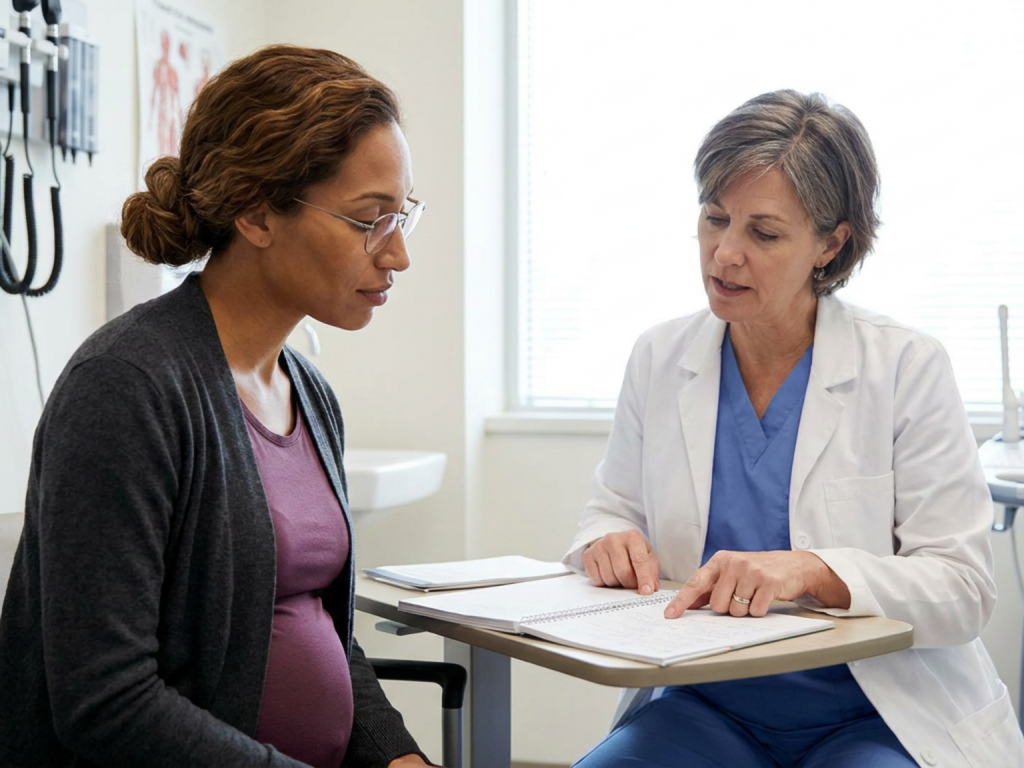
A clear symptom description helps clinicians triage effectively. Note when the symptom began, whether it was sudden or gradual, what makes it better or worse, its severity, associated symptoms, fetal movement, and any home measurements such as temperature or blood pressure if you have been advised to monitor them.
It is reasonable to call for guidance when you are uncertain. Pregnancy symptoms can overlap: reflux can mimic chest discomfort, Braxton Hicks can resemble early labor, swelling can be physiologic or a preeclampsia clue, and discharge can be normal or fluid leakage. Your care team can decide whether reassurance, an office visit, lab testing, fetal assessment, or urgent evaluation is appropriate.
Seek urgent medical advice for
- Vaginal bleeding, a gush or persistent leaking of fluid, or severe abdominal pain.
- Regular contractions, increasing pelvic pressure, or low backache before 37 weeks.
- Sudden swelling of the face or hands, severe headache, visual changes, or upper abdominal pain.
- Markedly reduced fetal movement compared with your baby’s usual pattern.
- Sudden or severe shortness of breath, chest pain, fainting, or one-sided leg swelling.
Tools & Assistance
- Prenatal symptom diary with timing, triggers, severity, and fetal movement notes
- Direct phone number for your maternity triage unit, midwife, obstetrician, or clinic
- Blood pressure monitor if recommended by your healthcare professional
- Comfort plan for sleep positioning, reflux reduction, hydration, and gentle movement
- Medication and supplement list to review at each prenatal visit
FAQ
Are second-trimester symptoms usually milder than first-trimester symptoms?
Often, but not always. Nausea and fatigue may improve, while reflux, constipation, ligament pain, backache, and visible swelling may appear as the uterus grows.
How can I tell Braxton Hicks contractions from labor?
Braxton Hicks are usually irregular and do not steadily intensify. Contractions that become regular, stronger, closer together, or occur with bleeding, fluid leakage, pelvic pressure, or reduced fetal movement need medical guidance.
Is swelling normal in late pregnancy?
Gradual, mild swelling of both feet or ankles can be common. Sudden swelling, especially of the face or hands, or swelling with headache, visual symptoms, or upper abdominal pain should be assessed promptly.
Should shortness of breath be expected in the third trimester?
Mild breathlessness with exertion can happen because of respiratory and mechanical changes. Sudden, severe, resting, or chest-pain-associated breathlessness is not something to monitor at home without urgent advice.
When should I call about decreased fetal movement?
Call whenever movement is noticeably reduced from your baby’s usual pattern. Do not wait for a routine appointment if you are concerned.
Sources
- Office on Women's Health, U.S. Department of Health and Human Services — Stages of pregnancy
- Mayo Clinic — 3rd trimester pregnancy: What to expect
- Johns Hopkins Medicine — The Third Trimester
Disclaimer
This article is for general educational purposes only and does not replace individualized medical advice, diagnosis, or treatment. Contact your healthcare professional or emergency services for concerning symptoms or urgent pregnancy questions.


















Please log in to leave a comment.