
Intro
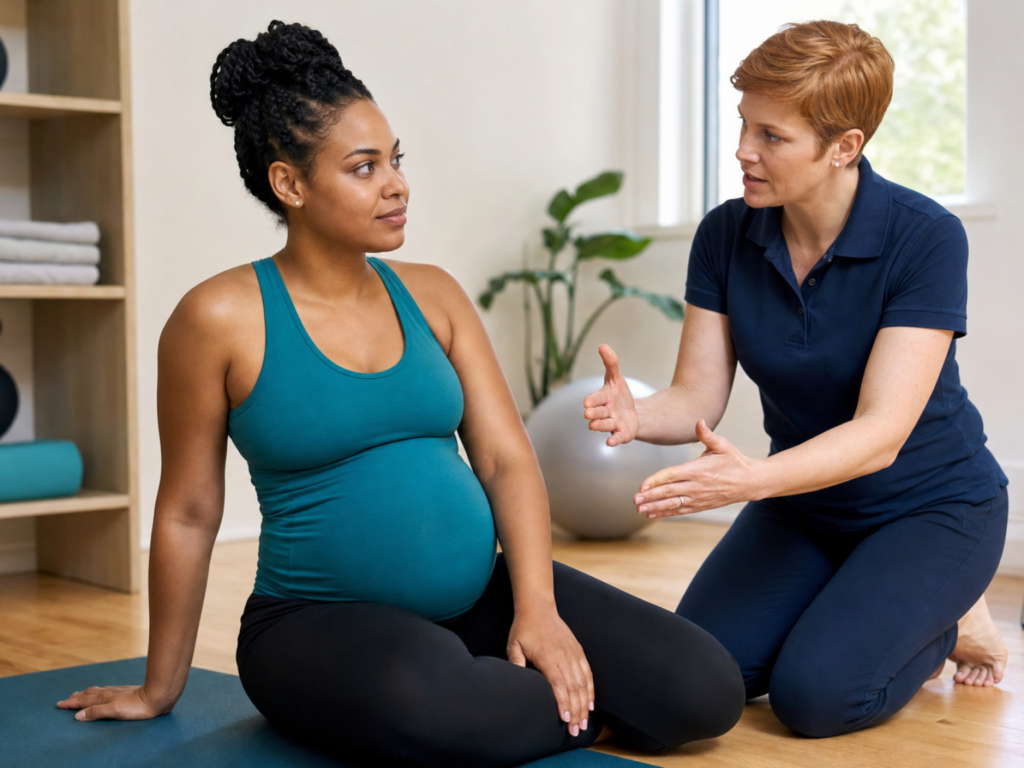
Exercise is often one of the most beneficial habits to continue during pregnancy, supporting cardiovascular fitness, mood, sleep, musculoskeletal comfort, and metabolic health. For many uncomplicated pregnancies, regular moderate-intensity activity is encouraged. At the same time, pregnancy changes physiology in ways that make body signals especially important: blood volume and heart rate rise, the diaphragm elevates, joints become more mobile, thermoregulation changes, and the uterus becomes a dynamic organ that can respond to stress, dehydration, or exertion.
The goal is not to be fearful of movement, but to know when a workout has crossed from productive to potentially unsafe. Stopping exercise promptly when warning signs appear, and contacting your obstetric clinician or maternity unit when appropriate, is a protective step for both you and the fetus. This article explains the red flags that should end a workout, how to distinguish normal exertion from concerning symptoms, and how to adjust exercise safely as pregnancy progresses.
Highlights
Most pregnant people with uncomplicated pregnancies can exercise, but warning signs such as vaginal bleeding, fluid leakage, chest pain, dizziness, or regular painful contractions mean you should stop and seek medical advice.
Normal exercise sensations, such as mild breathlessness, warmth, and muscle fatigue, should improve with rest. Symptoms that are severe, new, persistent, or occur before exertion require caution.
Pregnancy exercise intensity should be individualized. Medical conditions, obstetric complications, fetal movement concerns, and changes in symptoms can all alter what is safe.
Stopping a workout is not a failure. It is a useful clinical signal and an opportunity to reassess hydration, intensity, environment, and whether professional evaluation is needed.
Why exercise safety feels different in pregnancy
Pregnancy is not an illness, but it is a high-adaptation physiologic state. Cardiac output increases, resting heart rate often rises, oxygen consumption changes, and ligaments may feel looser due to hormonal effects. As the uterus enlarges, posture, balance, venous return, and breathing mechanics can shift. These changes do not automatically make exercise dangerous, but they do mean that symptoms deserve context and respect.
Professional organizations such as the American College of Obstetricians and Gynecologists advise that physical activity is safe and beneficial for most pregnant people, particularly when activity is moderate and adjusted for pregnancy stage and individual risk. However, pregnancy-specific warning signs are different from ordinary workout discomfort. A cramp in a calf after a walk is not the same as unilateral leg swelling with pain; mild exertional breathlessness is not the same as breathlessness before beginning exercise or shortness of breath that does not resolve.
A useful principle is this: exercise should feel challenging but controlled. You should be able to reduce intensity and feel better. If a symptom is sudden, progressive, severe, associated with bleeding or fluid loss, or accompanied by reduced fetal movement later in pregnancy, stop and seek guidance.
Warning signs that mean you should stop exercising immediately
If any of the following occur, stop exercising at once. Sit or lie in a safe position, avoid overheating, hydrate if you can do so safely, and contact your obstetric clinician, midwife, maternity triage unit, or emergency service depending on severity and local guidance.
- Vaginal bleeding. Bleeding during or after activity should be assessed, especially if it is more than spotting, accompanied by pain, or occurs later in pregnancy.
- Fluid leaking from the vagina. A gush or ongoing trickle may suggest rupture of membranes and should prompt medical contact.
- Regular painful contractions. Uterine tightening can occur with exertion, but contractions that are regular, painful, or do not settle with rest and hydration need assessment.
- Dizziness, faintness, or loss of balance. Pregnancy can predispose to vasovagal symptoms and low blood pressure, but fainting or near-fainting is not something to push through.
- Chest pain or palpitations with concerning features. Chest pressure, pain, severe racing heartbeat, or symptoms with shortness of breath or faintness require urgent advice.
- Shortness of breath before exercise or disproportionate breathlessness. Breathlessness that starts at rest, is severe, or does not improve after stopping is a warning sign.
- Headache that is severe, persistent, or unusual. A new severe headache, particularly with visual symptoms, swelling, right upper abdominal pain, or elevated blood pressure history, needs prompt assessment.
- Muscle weakness affecting balance. New weakness, neurologic symptoms, or inability to coordinate movement should end activity immediately.
- Calf pain or swelling. One-sided calf pain, swelling, warmth, or redness can be concerning and should not be ignored.
- Decreased fetal movement. Later in pregnancy, if you notice less fetal movement than usual, stop exercising and follow your clinician’s instructions for fetal movement concerns.
Normal exertion versus symptoms that need caution
Many sensations during pregnancy exercise are expected. You may notice that your heart rate rises faster, you feel warmer, hills feel harder, or your balance is less reliable. Mild breathlessness during moderate activity can be normal if it improves quickly with rest. Muscle fatigue, gentle stretching sensations, and temporary pelvic heaviness can occur, particularly in the second and third trimesters.
Concerning symptoms behave differently. They may appear suddenly, occur at a low level of effort, feel out of proportion, or persist despite stopping. Breathlessness that is present before exercise is not simply being “out of shape.” Chest pain is not a normal training effect. Dizziness is not a sign to push harder. Painful regular contractions are not the same as brief, irregular tightening that settles.
The “talk test” can be a practical intensity guide for many people: during moderate activity, you can usually speak in full sentences but not sing comfortably. If speaking becomes difficult, reduce intensity. Heart-rate targets can be less reliable in pregnancy because resting and exertional heart rate vary widely, so symptom-based monitoring is often more useful unless your clinician has given specific parameters.
When to pause your exercise plan before the next workout
Some situations call for pausing exercise until you have individualized medical advice, even if you do not currently have an emergency symptom. This is especially relevant if you have a high-risk pregnancy, a new diagnosis, or a significant change in how you feel.
- New vaginal bleeding, unexplained abdominal pain, or pelvic pressure. Wait for clinical guidance before resuming activity.
- Concern about fetal movement. If movement patterns seem reduced or different later in pregnancy, prioritize assessment over exercise plans.
- Hypertensive disorders or symptoms suggestive of preeclampsia. Severe headache, visual disturbance, sudden swelling, or right upper quadrant pain should be discussed urgently.
- Placental, cervical, or preterm birth risk concerns. Conditions such as placenta previa after mid-pregnancy, cervical insufficiency, or preterm labor history may require specific restrictions.
- Significant anemia, cardiac disease, lung disease, or poorly controlled medical conditions. These may change safe exertion thresholds.
- Recovery from illness, dehydration, heat exposure, or injury. Pregnancy can reduce tolerance for stressors; resume gradually and with advice if symptoms were significant.
Because recommendations depend on your full obstetric and medical history, avoid self-clearing after a red flag. A clinician may advise modified activity, pelvic rest, lower intensity, physical therapy, monitoring, or temporary avoidance of exercise depending on the situation.
Abdominal pain, contractions, and uterine tightening during workouts
Abdominal sensations during pregnancy can be confusing. Some people experience round ligament pain, gastrointestinal cramping, pelvic girdle pain, or transient uterine tightening. Exercise can also make you more aware of the uterus, especially if you are dehydrated or working at a higher intensity.
Stop if abdominal pain is sharp, persistent, worsening, one-sided and severe, associated with bleeding, accompanied by shoulder pain or faintness, or paired with regular contractions. Regular painful contractions, especially before term, deserve prompt medical contact. If tightening is brief and irregular, resting, hydrating, changing position, and cooling down may help, but it should not continue or intensify.
A practical approach is to avoid interpreting all abdominal discomfort as harmless. The pattern matters: frequency, duration, severity, associated bleeding or fluid, and whether symptoms settle. When in doubt, stop the workout and ask your maternity team how they want you to respond if it happens again.
Breathing, chest symptoms, dizziness, and heat: red flags for exertional stress
Pregnancy increases oxygen demand and changes ventilation, so feeling more winded than usual can be expected. However, certain cardiopulmonary symptoms are red flags. Stop exercise for chest pain, chest tightness, severe shortness of breath, breathlessness before starting activity, fainting, near-fainting, or palpitations that are sustained, associated with dizziness, or feel unusual for you.
Dizziness may occur from dehydration, overheating, rapid position changes, low blood sugar, or reduced venous return. But because fainting can cause injury and may reflect a medical issue, it is not something to dismiss. Move to a safe position, avoid standing still, and contact a healthcare professional if symptoms are significant, recurrent, or do not resolve quickly.
Heat also matters. Avoid hot yoga, hot Pilates, saunas, and exercising in very hot or humid conditions. Overheating can worsen dizziness and dehydration. Choose cooler times of day, wear breathable clothing, drink fluids, and scale back intensity when environmental conditions change.
Fluid leakage, bleeding, and fetal movement concerns
Vaginal bleeding and leaking fluid are among the clearest reasons to stop exercise. Bleeding can have many causes, some minor and some urgent; the amount, gestational age, pain pattern, and obstetric history all matter. Fluid leakage may be urine, discharge, or amniotic fluid, but it should not be guessed at during a workout. Stop and contact your maternity care team for instructions.
Fetal movement awareness becomes more important as pregnancy progresses. Exercise itself can sometimes change your perception of movement because you are distracted or because rhythmic motion feels soothing. Still, if you notice decreased fetal movement compared with your baby’s usual pattern, stop and follow your clinician’s fetal movement guidance. Do not try to “test” the baby by continuing activity.
It can help to know your local pathway in advance: whom to call during office hours, where to call after hours, and when to go directly to maternity triage or emergency care. Having this plan reduces hesitation when a warning sign appears.
How to reduce the chance of needing to stop a workout
Not every warning sign can be prevented, but thoughtful planning lowers risk. Start with a level of activity appropriate to your baseline fitness and pregnancy status. If you were active before pregnancy, you may be able to continue many activities with modifications. If you are starting now, begin gradually and prioritize low-impact movement such as walking, swimming, stationary cycling, prenatal strength training, or clinician-approved mobility work.
- Warm up and cool down. Sudden starts and stops can worsen dizziness and musculoskeletal strain.
- Hydrate and fuel appropriately. Dehydration and low energy intake can contribute to contractions, lightheadedness, and fatigue.
- Avoid overheating. Choose ventilated spaces and reduce intensity in heat or humidity.
- Modify position. Later in pregnancy, prolonged flat-on-back exercise may cause lightheadedness in some people; side-lying, inclined, seated, or standing alternatives may be better.
- Prioritize stability. As balance changes, avoid high-fall-risk activities such as downhill skiing, horseback riding, contact sports, or unstable surfaces unless specifically cleared and appropriately adapted.
- Use pain as information. Joint, pelvic, or back pain that escalates during activity is a reason to stop and modify, not to force through.
Exercise should remain flexible. The safest plan is one that can change from week to week, and sometimes from day to day.
What to do after you stop exercising because of a warning sign
Once you stop, first get safe: sit or lie down, move away from heat, and avoid driving yourself if you feel faint, have chest pain, or are significantly unwell. Note the symptom, when it started, what you were doing, gestational age, associated signs such as bleeding or fluid leakage, and whether fetal movement has changed.
Contact the appropriate healthcare professional. For severe chest pain, fainting, heavy bleeding, severe shortness of breath, signs of stroke, or any situation where you feel unsafe, emergency care is appropriate. For less acute but concerning symptoms, call your obstetric clinician, midwife, or maternity triage service. If you are advised to be assessed, do not resume exercise while waiting.
After evaluation, ask specific questions: which activities are safe now, what intensity is appropriate, which symptoms should trigger immediate care, and whether you need pelvic floor physical therapy, cardiology review, obstetric monitoring, or temporary restrictions. A stopped workout can become useful data for a safer plan.
Stop exercise and seek medical advice for these red flags
- Vaginal bleeding or fluid leaking from the vagina.
- Chest pain, fainting, severe dizziness, or shortness of breath before exercise.
- Regular painful contractions or persistent abdominal pain.
- Severe headache, visual symptoms, or sudden swelling.
- Calf pain or swelling, especially if one-sided.
- Decreased fetal movement later in pregnancy.
Tools & Assistance
- Keep your obstetric clinician or midwife’s daytime and after-hours contact numbers saved in your phone.
- Use the talk test to keep most workouts at a moderate, controlled intensity unless advised otherwise.
- Track warning symptoms, gestational age, activity type, hydration, heat exposure, and whether symptoms resolved with rest.
- Consider a prenatal physical therapist for pelvic girdle pain, back pain, balance changes, or exercise modification.
- Use maternity triage or emergency services promptly for severe, sudden, or persistent red-flag symptoms.
FAQ
Is it normal to feel short of breath while exercising in pregnancy?
Mild breathlessness during moderate exertion can be normal and should improve with rest. Shortness of breath before exercise, severe breathlessness, chest pain, fainting, or symptoms that do not settle need medical advice.
Should I stop exercising if I have Braxton Hicks contractions?
Stop and rest if you notice uterine tightening. If contractions are irregular and settle with rest and hydration, your clinician may consider them benign, but regular, painful, persistent, or preterm contractions should prompt medical contact.
Can I restart the same workout after a warning sign goes away?
Not automatically. If the symptom was a red flag such as bleeding, fluid leakage, chest pain, fainting, decreased fetal movement, or regular painful contractions, contact your maternity team before resuming exercise.
Are heart-rate limits useful in pregnancy?
Fixed heart-rate limits are less useful for many pregnant people because heart rate varies with gestational age, fitness, hydration, and environment. Symptom-based intensity, such as the talk test, is often practical unless your clinician gives specific limits.
What types of exercise are usually safer choices during pregnancy?
For many uncomplicated pregnancies, walking, swimming, stationary cycling, modified strength training, and prenatal mobility work are commonly suitable. The safest choice depends on your baseline fitness, obstetric history, symptoms, and clinician guidance.
Sources
- American College of Obstetricians and Gynecologists — Exercise in Pregnancy and the Postpartum Period
- Office on Women's Health, U.S. Department of Health and Human Services — Physical activity and exercise during pregnancy and the postpartum period
- NHS — Warning signs to stop exercising during pregnancy
Disclaimer
This article is for general informational purposes only and is not a substitute for personalized medical advice, diagnosis, or treatment. If you have warning symptoms or concerns about exercise in pregnancy, contact your obstetric clinician, midwife, or emergency services.















Please log in to leave a comment.