
Intro
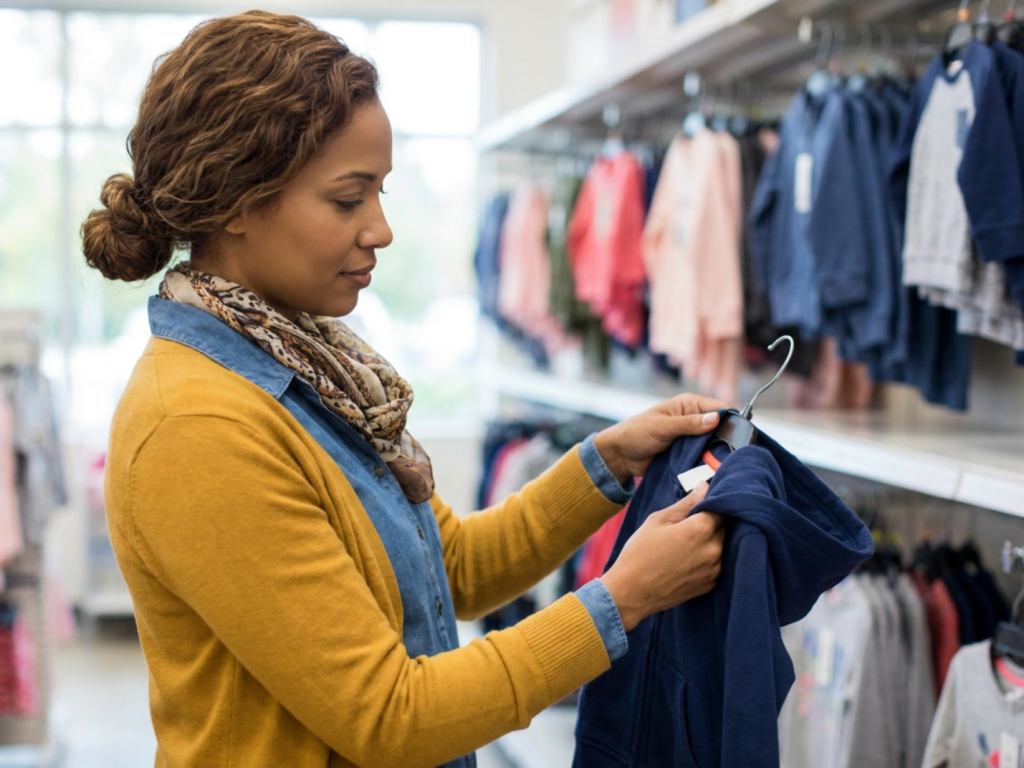
Buying clothes for a child can look simple until comfort, growth, safety rules, sensory preferences, school requirements, and budget all collide. Most mistakes are made by caring adults trying to solve several problems at once, often under time pressure or while shopping online without being able to touch the garment.
Highlights
Safety features matter as much as size, especially around the neck, hood, waist, and sleepwear areas.
Fit should support movement, breathing, toileting, and play rather than simply matching an age label.
Skin, sensory, and medical needs can make fabric choice clinically relevant, not just a style preference.
Online purchases need inspection after delivery because photos may not reveal small parts, drawstrings, or flammability concerns.
Mistake 1: Trusting age labels instead of the child’s body and activity
Age-based clothing labels are convenient, but they are not medical or developmental measurements. A 5-year-old may have the torso length of one size, the waist of another, and the motor demands of a child who climbs, kneels, runs, and sits cross-legged for long periods. Buying only by age can lead to waistbands that compress the abdomen, sleeves that cover the hands, or hems that increase tripping risk.
A better approach is to measure height, chest, waist, hip, inseam, and foot length, then compare those measurements with the seller’s size chart. For clothing for children, allow enough ease for shoulder movement, deep knee bending, toileting, and layering, but avoid excessive looseness around playground equipment, bicycle chains, strollers, and escalators. Children with orthotics, feeding tubes, casts, eczema dressings, insulin pumps, or continence products may need additional room or adaptive openings. If a garment leaves deep pressure marks, restricts breathing, causes pain, or changes gait, it is not simply a poor fashion fit; it is a comfort and function problem worth correcting.
Mistake 2: Overlooking cords, drawstrings, hoods, and entrapment hazards
One of the most preventable buying mistakes is choosing garments with design features that can catch on equipment or tighten around the neck. Neck and hood drawstrings, long waist cords, toggles, and poorly secured detachable hoods can create entanglement hazards, particularly for younger children using playground slides, school buses, cribs, or climbing structures. Even when a child is old enough to dress independently, they may not recognize how quickly a cord can snag.
Before buying, examine photos closely and read the product description for drawstrings, decorative cords, and detachable components. After delivery, inspect the actual garment rather than assuming it matches the image. If cords are present, consider whether they can be safely removed without damaging the garment. Avoid improvising if removal leaves sharp edges, loose stitching, or new small parts. For preschoolers and active school-age children, safer alternatives include elasticated waists, enclosed adjustment systems, snaps, and short tabs that do not dangle. This safety mindset overlaps with small parts choking hazards, because a fashionable detail can become a risk when it detaches.
Mistake 3: Treating sleepwear like ordinary daywear
Sleepwear deserves separate attention because children may wear it near bedding, heaters, candles, fireplaces, or kitchen areas during evening routines. Loose, flowing sleep garments can be more exposed to ignition sources, while poorly chosen fabrics may not meet applicable safety expectations. Infants and young children also need sleep clothing that supports safe sleep positioning and avoids overheating.
Safe sleep clothing for infants should fit appropriately, avoid loose accessories, and be chosen with the sleep environment in mind. Avoid hats for routine indoor infant sleep unless specifically advised by a healthcare professional, because overheating is a recognized concern in infant sleep safety. For older children, check whether the garment is intended as sleepwear or only as loungewear or costume clothing. Costumes, oversized T-shirts, and novelty robes may look cozy but can be unsuitable for sleeping. If a child has fever, chronic thermoregulation issues, prematurity history, or complex medical needs, ask a pediatric clinician for individualized guidance about warmth and layering rather than relying only on thickness or season.
Mistake 4: Ignoring skin barrier function, dermatitis, and sensory processing needs
Clothing sits against the skin for many hours, so fabric choice can influence irritation, sweating, friction, and itch. Children with atopic dermatitis, contact dermatitis, ichthyosis, hyperhidrosis, or healing wounds may be more sensitive to seams, labels, dyes, tight elastics, and rough fibers. Eczema-prone skin clothing choices often emphasize breathable, soft fabrics, smooth seams, and avoidance of irritating finishes. This is not a cure for dermatitis, but it can reduce avoidable triggers while the family follows a clinician’s treatment plan.
Sensory-sensitive children’s clothing may also require extra care. Some children experience distress from tags, waistbands, sock seams, stiff denim, compression, or fabric noise. This can be associated with neurodevelopmental differences, anxiety, pain sensitivity, or previous uncomfortable experiences, but parents should avoid self-diagnosing from clothing preferences alone. Practical strategies include trialing one garment before buying multiples, choosing tagless designs, washing before wear, and offering limited choices that respect the child’s bodily comfort. If clothing refusal is severe, persistent, or accompanied by feeding issues, sleep disruption, developmental concerns, or skin lesions, seek professional assessment.
Mistake 5: Buying for appearance while underestimating mobility, weather, and school routines
Children’s clothes must work during real movement. A jacket that looks polished but prevents arm elevation may interfere with climbing, carrying a backpack, or fastening a seat belt correctly. Tight skirts, slippery soles, oversized coats, and stiff trousers can reduce participation in play or physical education. Shoes bought with too much room for growth can alter gait and raise fall risk, while shoes that are too small can cause nail pressure, blisters, or reluctance to walk.
Consider the child’s day from morning to bedtime: school entry, toileting, outdoor play, nap, meals, sports, transport, and laundry. School health plan product choices may matter for children who need quick access to medication, medical devices, braces, or emergency identification. Weather is also clinical in effect: inadequate layers can contribute to cold stress, while overdressing can worsen sweating, heat rash, or dehydration risk during activity. Adjustable clothing for growing children can be helpful, but adjustment systems should be secure, low-profile, and easy for the child or caregiver to manage.
Mistake 6: Assuming online listings and secondhand finds are automatically safe
Online shopping can make it easier to compare prices, but it can also hide important safety details. Photos may not show the length of cords, firmness of buttons, size of beads, presence of magnets, flammability warnings, or whether a hood detaches safely. Product descriptions may use vague terms such as boutique, handmade, or imported without clarifying compliance with local safety expectations. After delivery, check seams, fasteners, zippers, snaps, decorative stones, batteries, magnets, and labels before the child wears the item.
Secondhand clothing can be economical and environmentally sensible, but it still needs inspection. Look for broken zipper pulls, loose snaps, stretched elastic, frayed cords, missing care labels, and recalled items. Wash garments before use with an appropriate detergent, particularly for infants or children with dermatitis. Be cautious with vintage sleepwear, old costumes, and accessories that may not meet current safety expectations. If an item smells strongly of fragrance, smoke, mildew, or chemicals after washing, it may not be a good choice for a child with asthma, eczema, migraine, or sensory sensitivity.
Mistake 7: Forgetting choking, ingestion, and injury risks from decorative details
Children’s clothing is often decorated with beads, sequins, rhinestones, pom-poms, buttons, novelty zipper pulls, bells, faux pearls, and small charms. These details may detach during chewing, laundering, or rough play. Toddler clothing choking hazards deserve special attention because toddlers explore with their mouths and may not be able to communicate ingestion. Small magnets are especially concerning if swallowed, because multiple magnets can attract across bowel walls and cause serious injury.
Accessories need the same scrutiny as garments. Scarves, necklaces, mittens on long cords, hair ornaments, and costume capes can create strangulation, choking, or entanglement risks. Avoid assuming that a product is safe because it is marketed for children or looks cute in a photo. Tug gently on decorations, check stitching, and consider the child’s developmental stage, siblings, and classroom environment. If a child may have swallowed a magnet, battery, sharp object, or multiple small parts, contact emergency services or a poison control center promptly rather than waiting for symptoms.
Mistake 8: Not involving the child or the healthcare team when concerns persist
Children are more likely to wear clothing that respects their comfort, autonomy, and daily tasks. Involving them does not mean giving unlimited choices; it means offering safe, affordable options and listening when they report itching, pinching, overheating, embarrassment, or difficulty dressing. A child who repeatedly refuses a specific garment may be communicating a real sensory, pain, fit, or social problem.
Healthcare input is appropriate when clothing problems intersect with health: recurrent rashes, unexplained bruising under waistbands or straps, foot pain, abnormal gait, severe sweating, cold intolerance, pressure injuries from braces, or distress that disrupts school attendance. Pediatricians, dermatologists, occupational therapists, physiotherapists, podiatrists, and orthotists can help families adapt clothing without overmedicalizing normal preferences. The goal is not perfect shopping. It is a practical wardrobe that supports safety, dignity, movement, sleep, and participation.
When to be especially cautious
- Avoid neck or hood drawstrings and long dangling cords on children’s clothing.
- Inspect sleepwear carefully and do not use costumes or loose novelty garments as pajamas.
- Treat detachable beads, magnets, buttons, and charms as possible choking or ingestion hazards.
- Seek urgent help if a child may have swallowed a magnet, battery, sharp object, or multiple small parts.
- Ask a healthcare professional about clothing choices when rashes, pain, gait changes, or medical devices are involved.
Tools & Assistance
- Keep a current measurement note for each child before shopping online.
- Use a pre-wear inspection checklist for cords, small parts, seams, and labels.
- Check product recall information before using secondhand or unfamiliar garments.
- Discuss persistent skin, sensory, gait, or device-related clothing problems with a pediatric clinician.
- Buy one test garment before purchasing multiples for sensitive or rapidly growing children.
FAQ
Should I buy children’s clothing one or two sizes larger to save money?
Some room for growth is reasonable, but clothing that is very loose can trip, snag, expose skin to cold, or interfere with play and toileting. Adjustable but secure garments are usually safer.
Are all natural fabrics better for children with sensitive skin?
Not always. Soft, breathable fabrics may help many children, but irritation depends on weave, dye, finish, seams, sweating, and the child’s skin condition. Persistent rashes should be assessed by a clinician.
Is secondhand children’s clothing safe?
It can be, if inspected carefully for recalls, cords, loose parts, damaged fasteners, odors, and outdated sleepwear safety concerns. Wash before use and avoid items that cannot be cleaned or verified.
When should clothing refusal worry me?
Occasional preference is normal. Consider professional advice if refusal is intense, persistent, linked with pain or rash, or disrupts sleep, school, hygiene, or dressing independence.
Sources
- Government of Canada / Health Canada — Buying clothing and accessories online
- Government of Canada / Health Canada — Children’s clothing and accessory safety checks when shopping online
- Government of Canada / Health Canada — Online shopping guidance for clothing, accessories, and child safety
Disclaimer
This article is for general educational purposes and does not diagnose or treat medical conditions. Consult a qualified healthcare professional for concerns about rashes, pain, development, sleep safety, ingestion risk, or medical-device-related clothing needs.













Please log in to leave a comment.