

Intro
Parents and caregivers are surrounded by messages suggesting that children need more: more gear, more enrichment, more supplements, more apps, more toys. It can be emotionally exhausting, especially when every purchase seems tied to safety, intelligence, sleep, or future success.
A more compassionate and medically grounded approach is to separate true needs from helpful conveniences. Children do need reliable nutrition, sleep, safety, responsive caregiving, preventive healthcare, and opportunities to move, learn, and connect. Many products can support those goals, but very few are inherently essential.
Highlights
A child’s true essentials are not brand-specific products; they are conditions that support growth, safety, regulation, learning, and belonging.
Food, sleep, preventive healthcare, safe transport, hygiene, emotional security, and developmentally appropriate play are core needs.
Optional products may reduce friction or add enjoyment, but they should not be confused with medical necessity or good parenting.
The best purchases are usually simple, safe, age-appropriate, durable, and matched to the child’s actual daily life.
Start with needs, not products
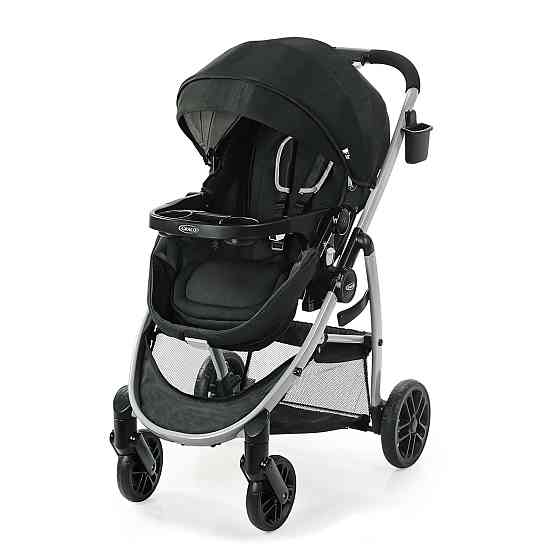
The clearest way to decide what children really need is to begin with biology and development rather than shopping lists. A child needs adequate energy and micronutrients, safe sleep, protection from preventable injury, clean clothing, hygiene, stable caregiving, emotional co-regulation, movement, language exposure, play, education, and access to healthcare. These are needs. A specific bottle brand, designer stroller, subscription toy kit, smart monitor, or premium snack is usually a tool, not a requirement.
This distinction matters because marketing often converts normal parental concern into urgency. A product may promise better sleep, advanced cognition, calmer behavior, or superior nutrition. Some tools genuinely help families, especially when they reduce caregiver workload or solve a specific barrier. But most children thrive with consistent routines, warm interaction, safe environments, and developmentally appropriate child products rather than expensive or highly specialized items.
A useful question is: “What need is this product supposed to meet?” If the need is real, ask whether it can be met safely, affordably, and simply. For example, a child needs opportunities for fine motor practice; they do not necessarily need an elaborate electronic learning system. A child needs outdoor movement; they do not necessarily need multiple organized activities or high-end sports gear. A child needs connection; they do not need constant entertainment.
Nutrition: essential foods versus optional extras
Nutrition is one of the clearest areas where “must-have” does not mean “premium.” Children need regular access to nutrient-dense foods across core food groups: vegetables, fruits, grains with an emphasis on whole grains, protein foods, and dairy or nutritionally appropriate alternatives. These provide macronutrients for energy and growth, plus micronutrients such as calcium, iron, zinc, vitamin D, folate, and iodine that support bone mineralization, neurodevelopment, hematopoiesis, and immune function.
What is optional? Most toddler puffs, fortified cookies, character-branded snacks, juice drinks, meal-replacement shakes for otherwise healthy eaters, and “brain boosting” products are not necessary. They may be convenient, but they should not displace ordinary foods. Similarly, supplements should not be started simply because a product is marketed to parents. Some children do need vitamin D, iron, or other supplementation in specific circumstances, but that decision is best individualized with a pediatric clinician or registered dietitian.
For many families, the practical essentials are simple: reliable meals and snacks, safe drinking water, age-appropriate textures to reduce choking risk, and a calm feeding environment. Picky eating is common in childhood and does not automatically mean a child is nutritionally deficient. However, persistent food restriction, poor growth, swallowing problems, chronic gastrointestinal symptoms, or fatigue should be discussed with a healthcare professional.
Safety and health must-haves
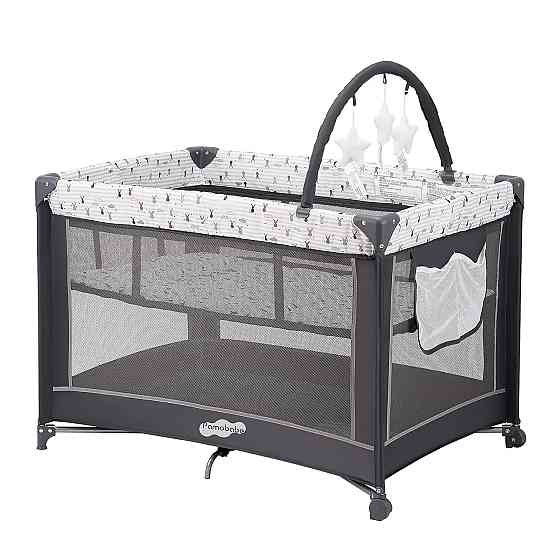
Some child products are genuinely essential because they reduce serious, predictable risk. Safe transportation is one example: a properly sized car seat or booster seat, used according to local law and manufacturer instructions, is a true must-have for children who travel by car. Helmets for cycling, scooters, skating, and other wheeled activities are also safety essentials when those activities occur. Safe sleep products for infants are another example: the safe sleep environment matters more than decorative bedding or nursery aesthetics.
At home, must-haves are often unglamorous. Locked medication storage, safe storage of cleaning products, working smoke and carbon monoxide alarms, window guards where appropriate, stair gates for mobile infants and toddlers, and choking-hazard awareness can be more protective than any trendy child gadget. For young children, prevention depends on layers: supervision, environment design, and developmentally realistic expectations. A toddler’s curiosity is not misbehavior; it is neurodevelopmentally normal exploration with immature impulse control.
Healthcare essentials include routine preventive visits, immunizations as advised by public-health authorities and the child’s clinician, dental care, vision and hearing screening when recommended, and timely evaluation of concerning symptoms. Optional wellness products should never replace medical assessment. A thermometer, basic first-aid supplies, and clinician-approved fever or pain guidance are useful household tools, but persistent fever, respiratory distress, dehydration, lethargy, severe pain, or injury requires professional care.
Emotional security is not optional
Children need at least one reliably responsive caregiver. This is not about perfect parenting; it is about enough consistency, warmth, protection, and repair after conflict. Responsive caregiving supports stress regulation through repeated co-regulation: the adult helps the child calm, label feelings, and regain control until the child gradually develops stronger self-regulatory capacity. No product can substitute for this relationship.
Children also need predictable routines. Regular sleep and wake times, meals, transitions, limits, and comforting rituals reduce cognitive load and help children anticipate what comes next. The CDC’s parenting guidance emphasizes structure, communication, and positive attention for toddlers and preschoolers because these are the foundations of behavior support. For older children, routines around homework, chores, physical activity, screens, and bedtime remain important, even as autonomy increases.
Optional products in this domain include reward charts, emotion cards, calming toys, night lights, apps, journals, and visual schedules. These can be helpful, especially for children who benefit from concrete cues or sensory supports. But the essential element is the adult response: clear limits, empathy, follow-through, and repair. If a child has persistent aggression, extreme anxiety, regression, self-injury, sleep disruption, or impairment at school or home, families should seek guidance from pediatric, mental health, or developmental professionals rather than relying on consumer behavior tools alone.
Learning and play: simple materials are enough
Children learn through interaction, observation, movement, language, repetition, and play. They do not need constant academic products to build strong cognitive foundations. For infants and toddlers, talking, singing, reading, naming objects, turn-taking games, floor play, and safe exploration support early language and sensorimotor development. Preschoolers benefit from pretend play, drawing, building, sorting, music, outdoor movement, and shared reading. School-age children need reading access, problem-solving opportunities, social play, physical activity, and gradually increasing responsibility.
Useful materials are often basic: books, paper, crayons, blocks, balls, puzzles, simple household objects for pretend play, and developmentally appropriate toys. Open-ended materials usually last longer because they can be used in different ways as the child matures. In contrast, many single-purpose electronic toys, accelerated academic programs, flashcard systems, and subscription boxes are optional. They may be enjoyable, but they are not required for healthy development.
The home learning environment should also protect well-being. Children learn best when basic needs are met: safety, sleep, nutrition, emotional support, and a manageable routine. If enrichment activities create chronic stress, reduce sleep, crowd out free play, or strain family finances, they may be counterproductive. A child does not need every opportunity; they need enough time and support to grow steadily.
Clothing, hygiene, and comfort: practical beats perfect
Children need clothing that is clean, weather-appropriate, safe, and comfortable enough for movement. They do not need large wardrobes, expensive labels, or perfectly coordinated outfits. For younger children, practical features such as easy closures, washable fabrics, and proper shoe fit are often more valuable than style. For school-age children, clothing can also support autonomy and dignity, particularly when children are learning to dress, manage toileting, or participate in sports and outdoor play.
Hygiene essentials include bathing supplies, toothbrush and fluoride toothpaste appropriate to age and clinician guidance, handwashing access, menstrual products when needed, diapering or toileting supplies, and basic skin protection such as seasonally appropriate sunscreen or barrier ointment when indicated. Specialized skincare products, fragrances, bath additives, and elaborate grooming tools are optional and may irritate sensitive skin. Children with eczema, recurrent rashes, allergies, or skin breakdown should be assessed by a clinician rather than managed through repeated product changes alone.
Sleep comfort also deserves a practical lens. Children need a safe sleep space, an appropriate mattress or sleeping surface, bedding suitable for age and climate, and a routine that supports sufficient sleep. Weighted blankets, sound machines, sleep-training devices, elaborate bedding, and smart sleep trackers are optional. Some may help certain families, but they should be used with safety guidance and should not delay evaluation for snoring, apneas, chronic insomnia, restless sleep, or daytime sleepiness.
How to decide whether an optional product is worth it
A product can be optional and still worthwhile. The goal is not minimalism for its own sake; it is intentionality. Good optional products solve a real problem, fit the child’s age and abilities, meet safety standards, and reduce caregiver stress without creating new burdens. For example, a homework caddy for school-age children may help a child who loses supplies daily. A visual timer may support transitions. A particular cup may help a child drink enough water. These are not universal essentials, but they can be valuable in context.
Before buying, consider five questions: Does this meet a real need in our child or household? Is it safe for the child’s age, motor skills, and oral exploration risk? Will we actually use it? Is there a simpler alternative? Would borrowing, buying secondhand with safety checks, or waiting two weeks clarify whether it is necessary? For secondhand items, avoid products with missing parts, unknown recall status, expired safety components, or damage that affects function.
Budget and emotional pressure matter too. Parents should not feel that love is measured by purchasing power. Children benefit more from attuned caregiving, safe routines, and time outdoors than from a constant stream of new products. If a purchase brings genuine ease or joy and is safe and affordable, it can be a good choice. If it is driven mainly by fear, comparison, or marketing claims, pausing is often wise.
When to be cautious
- Do not use supplements, restrictive diets, or meal replacements for a child without professional guidance.
- Seek urgent care for breathing difficulty, dehydration, altered responsiveness, severe injury, or persistent high fever.
- Check safety recalls and age warnings before using secondhand child gear or toys.
- Avoid small magnets, button batteries, and choking hazards around young children.
- Do not let wellness products delay medical, developmental, dental, vision, hearing, or mental health evaluation.
Tools & Assistance
- Create a family essentials checklist organized by food, sleep, safety, hygiene, healthcare, play, and school needs.
- Ask your pediatric clinician about growth, nutrition, sleep, behavior, immunizations, and developmental screening.
- Use product recall databases and manufacturer instructions before accepting secondhand child items.
- Review the home environment from the child’s eye level to identify choking, poisoning, fall, burn, and drowning risks.
- Plan a simple monthly budget category for true child needs before optional toys, apps, decor, or enrichment purchases.
FAQ
Are expensive educational toys necessary for development?
No. Children learn well through talking, reading, movement, pretend play, problem-solving, and simple open-ended materials. Educational toys can be enjoyable, but they are not required.
Does my child need vitamins?
Some children need specific supplements, but many do not. Ask a pediatric clinician or registered dietitian before starting vitamins, iron, vitamin D, or herbal products.
What products are true safety must-haves?
Common examples include an appropriate car seat or booster, helmets for wheeled sports, safe sleep equipment for infants, smoke and carbon monoxide alarms, and locked storage for medicines and hazardous products.
How can I handle guilt about not buying extras?
Remember that children need connection, safety, nutrition, sleep, healthcare, and opportunities to play far more than premium products. Not buying extras is not neglect when core needs are met.
When should optional behavior tools be replaced by professional help?
Seek guidance if behavior, anxiety, sleep, feeding, aggression, regression, self-harm, or school problems are persistent, severe, or impairing daily life.
Sources
- Mayo Clinic — Nutrition for kids: Guidelines for a healthy diet
- Institute of Education Sciences, U.S. Department of Education — Supporting young children's learning and well-being at home
- Centers for Disease Control and Prevention — Essentials for Parenting Toddlers and Preschoolers
Disclaimer
This article is for general educational purposes and is not a diagnosis, prescription, or substitute for individualized medical care. Consult a qualified healthcare professional for concerns about a child’s nutrition, growth, sleep, behavior, development, or safety.














Please log in to leave a comment.