
Intro
Moving to a new area can unsettle a child in ways that are easy to miss. They may have lost familiar classmates, routines, playground partners, and the subtle confidence that comes from already knowing how a group works. For many children, friendship is not built in one big moment; it grows through repeated contact, small invitations, and a sense that the new environment is safe enough to try.
The good news is that children do not need to become instantly outgoing to make progress. With time, structure, and steady adult support, many children can rebuild their social confidence and develop new connections. The goal is not to force popularity, but to create conditions where friendship can emerge naturally.
Highlights
A move can interrupt a child’s social rhythm, so it helps to expect an adjustment period instead of demanding quick results.
Repeated, low-pressure contact with the same peers is often more effective than one large social event.
Teachers, coaches, and community adults can help by creating predictable opportunities for connection.
At home, children benefit from practice with greetings, turn-taking, and simple conversation starters.
If a child becomes persistently withdrawn, anxious, or distressed, professional support may be appropriate.
Why moving can make friendship harder at first
When a child moves, they lose more than a familiar classroom or street. They also lose the small social shortcuts that make friendship easier: the classmate who already knows their jokes, the neighbor who always waves, and the teacher who understands which peer is likely to be welcoming. In peer relationships in child development, repeated contact often matters more than instant chemistry. Children usually need time to notice who feels safe, who shares their interests, and where they fit.
This is why a new area can feel awkward even when the child is eager to connect. They may seem shy, cautious, overly energetic, or unusually quiet. None of those reactions automatically means something is wrong. Often, the child is simply trying to map a new social environment while also handling a major life transition. That can take longer than adults expect.
It helps to reframe the situation: your child is not starting from zero socially. They are carrying skills, preferences, and strengths into a new setting. What they need now is repetition, time, and adults who understand that friendship is usually a process, not a personality test.
Start with emotional safety and realistic expectations
Before focusing on playdates or clubs, make sure your child feels emotionally seen. Many children need to grieve the friendships they left behind. Others feel anxious about whether they will be liked, whether they will fit in, or whether they will have to rebuild everything from scratch. Acknowledge those feelings without rushing to fix them. Simple statements such as, ‘It makes sense that this feels hard,’ or ‘Missing your old friends does not mean you cannot make new ones,’ can reduce shame.
Keep routines as predictable as possible. Regular sleep, meals, homework time, and family connection help reduce the stress load that comes with change. Predictability can also support attention, mood, and flexibility, which are useful for social learning. If your child is younger, talk through what will happen before school, after school, and on weekends. If your child is older, include them in planning so they feel some control.
Try not to compare the new area with the old one in a way that makes the present feel inferior. Children notice that tone. A more helpful message is that communities differ, friendships take time, and it is normal for a child to need a settling-in period. If your child seems persistently distressed, withdrawn, or unable to function as usual, bring the concern to a pediatrician or mental health professional rather than assuming it is only a phase.
Create repeated, low-pressure chances to meet peers
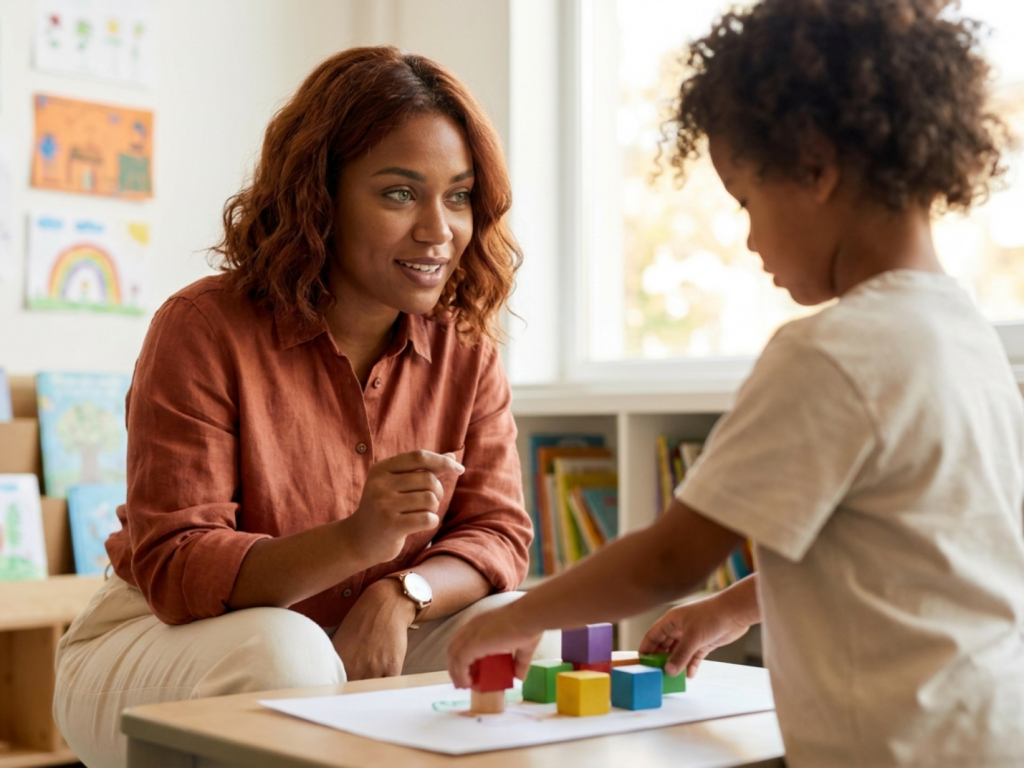
One of the most effective supports is repetition. The phrase one-on-one structured playdates may sound formal, but it simply means short, planned time with one peer in a setting that helps the child succeed. It fits well with how children make friends: first they need a shared activity, then enough time to relax, and then another chance to see the same child again.
Try to keep early meetups brief and activity-based. A park walk, building blocks, coloring, a simple board game, or a playground visit can work better than an unstructured long visit. The point is to reduce social pressure while still allowing interaction. If the child is older, the activity can be tied to a hobby they already enjoy, such as sports, art, reading, music, coding, or a youth group.
- Invite one child at a time instead of starting with a big group.
- Choose a clear activity so there is less pressure to invent conversation.
- Keep the first meeting short enough that it ends while things are still going well.
- Repeat contact with the same child or small group, because familiarity helps trust grow.
Local libraries, recreation centers, scouts, clubs, classes, and neighborhood playground routines can all create repeated contact. For some families, the best starting point is simply showing up at the same place and time each week until faces become familiar.
Work with school staff and other adults as allies
School staff can be very helpful after a move because they see the child in a structured social setting every day. Ask the teacher about teacher observations of peer interactions. They may notice which children your child naturally approaches, whether your child does better in pairs than in groups, or whether there is a classmate who seems kind and steady enough to become a buddy. Teachers can also suggest seating arrangements, partner activities, lunch supports, or recess strategies that make joining in easier.
If your child is in childcare, after-school care, sports, faith-based activities, or a community program, talk with the adults there as well. A coach or group leader may be able to pair your child with a socially responsive peer, offer a role with clear expectations, or give them repeated chances to participate without having to compete for attention. Those small supports can reduce the awkwardness that often blocks friendship at the start.
For some children, it is also helpful to explore the neighborhood together. Meeting neighbors, visiting the local park, or joining a community event can turn the new area from an abstract place into a set of familiar faces. The more adults help normalize connection, the easier it becomes for the child to see themselves as part of the community.
Teach friendship skills without making it feel like a lesson
Children often benefit from direct practice, especially after a move when social confidence may be shaky. Short social scripts for children can make the first step less intimidating. Phrases such as ‘Can I play too?’, ‘What are you making?’, ‘Do you want to trade turns?’, or ‘Can I sit here?’ give a child something concrete to try when they do not know what to say. The goal is not to make them robotic; it is to give them a starting point.
Role-play can help. Practice greeting someone, joining a game, waiting for a turn, handling a no, and trying again later. You can also rehearse how to notice whether another child seems interested, busy, or ready to move on. These are practical social skills, and they become easier with repetition. Praise effort rather than outcome. Saying hello, waiting patiently, or asking once already counts as practice.
This is also a good time to talk about healthy childhood friendships. Good friendships are usually reciprocal, emotionally safe, and flexible enough to survive minor disagreements. They do not depend on one child always leading, pleasing, or chasing the other. When children learn that friendship includes give-and-take, they are better prepared for long-term connection.
Modeling matters too. When children see adults greeting neighbors, remembering names, keeping small commitments, and treating new people with respect, they learn that social trust is built through consistency. That lesson can be more powerful than any speech.
Know when extra support is needed
Some discomfort after a move is expected. Ongoing distress is different. If your child has persistent sadness, frequent tears, irritability, sleep changes, appetite changes, panic around school, refusal to leave home, or repeated complaints that no one likes them, it is reasonable to ask for help. Persistent peer rejection, bullying, or a growing fear of social situations should not be ignored.
Children who have difficulty interpreting social cues, who struggle with conversation back-and-forth, or who seem overwhelmed by group settings may need more than informal encouragement. That does not mean there is a diagnosis waiting to be discovered, but it does mean additional support could be useful. A pediatrician, school counselor, speech-language pathologist, child psychologist, or social worker may help clarify whether anxiety, language needs, attention concerns, or other factors are making the transition harder.
Early support is usually kinder and more effective than waiting until the child feels defeated. The aim is to remove barriers and strengthen confidence, not to label the child. With the right support, many children gradually find one or two good friends, and that can be enough to help them feel anchored in the new place.
When to seek more help
- Do not pressure a child into instant friendships or large social events if they are overwhelmed.
- Watch for persistent withdrawal, school refusal, panic, sleep change, or ongoing sadness.
- Take bullying, exclusion, or repeated peer rejection seriously and contact the school promptly.
- If social difficulties are lasting or severe, speak with a pediatrician or mental health professional.
Tools & Assistance
- Ask the classroom teacher or school counselor about buddy systems, lunch support, or recess pairing.
- Use local library programs, recreation centers, sports teams, and art classes for repeated peer contact.
- Arrange short, one-on-one playdates with a clear activity and a predictable end time.
- Talk with your pediatrician if anxiety, withdrawal, or school distress does not ease over time.
FAQ
How long does it usually take a child to make friends after moving?
There is no fixed timeline. Some children connect within weeks, while others need months of repeated contact and support.
Should I arrange playdates myself, or wait for my child to be invited?
In the early months, parents often need to take the lead. Short, structured visits are usually easier than waiting for friendship to happen on its own.
What if my child says nobody likes them?
Take the feeling seriously, listen without arguing, and ask school staff what they observe. If the distress keeps happening, seek professional advice.
How can I help a shy child without pushing too hard?
Focus on predictable routines, small social steps, and practice at home. Gentle encouragement works better than pressure.
Sources
- Playworks — Help Your Child Make Friends at School
- Focus on the Family Canada — Helping your kids find new friendships after the big move
- Silver Homestead — Help Children Make Friends After a Country Move
Disclaimer
This article is for educational purposes only and is not a diagnosis or substitute for care from a pediatrician, psychologist, or other qualified professional. If you are concerned about persistent withdrawal, anxiety, bullying, or school refusal, seek professional advice.

















Please log in to leave a comment.