

Intro
Buying baby gear often involves more than comparing features, prices, and safety information. A stroller, car seat, carrier, crib accessory, or diaper bag may become part of daily care very quickly, and problems can be especially stressful when the product is needed for transportation, feeding, sleep, or mobility. Understanding warranties and return policies before purchase can help you respond calmly if an item is defective, unsuitable, recalled, or no longer needed.
Warranty language and return rules are not interchangeable. A store return policy usually governs whether you may send back an item within a stated period, while a warranty generally addresses defects or specified failures after purchase. Consumer-protection laws may also provide automatic guarantees that exist independently of a seller's voluntary policy. Because rules differ by jurisdiction and product category, preserve your documentation and seek advice from the manufacturer, retailer, consumer-protection agency, or an appropriate healthcare professional when safety or medical circumstances are involved.
Highlights
A return policy usually concerns eligibility, timing, condition, and refund method; a warranty generally concerns defects covered by the manufacturer or seller.
Keep the receipt, order confirmation, model number, serial number, manuals, and photographs of any defect.
Do not continue using baby gear that appears structurally compromised, has missing safety components, or may be affected by a recall.
Warranty claims often require prior authorization; sending a product without approval may delay processing or create shipping problems.
Warranty, Return Policy, and Consumer Guarantee: Three Different Protections
A return policy is a retailer’s or manufacturer’s stated process for accepting an item back. It may allow returns because the product is unwanted, the wrong size, or unsuitable, even when the item is not defective. The policy commonly sets a deadline, requires proof of purchase, specifies whether the item must be unused or in its original packaging, and explains whether the customer receives a refund, exchange, replacement, or store credit.
A warranty is a promise about product quality or performance for a defined period. It may cover manufacturing defects, faulty materials, or specified component failures. It may exclude ordinary wear, accidental damage, misuse, alterations, commercial use, or damage caused by cleaning or storage methods that conflict with the instructions. Some policies apply only to the original purchaser and may require registration or proof that the item was bought from an authorized seller.
In some jurisdictions, consumer law creates automatic guarantees that apply even when a store’s written policy is restrictive. Consumer Affairs Victoria explains that consumer guarantees can operate separately from a voluntary warranty and may provide remedies such as repair, replacement, or refund when goods do not meet required standards. The precise remedy depends on the jurisdiction, the seriousness of the problem, and the circumstances of the purchase. A posted “no returns” notice does not necessarily eliminate mandatory legal rights.
Read the Policy Before Opening or Using the Gear
Baby gear often has return conditions that become more restrictive once the product is opened, assembled, installed, washed, or used. This is understandable for hygiene and safety reasons, but the practical effect can be significant. Before opening a package, check the return window, restocking-fee language, exclusions for final-sale items, and whether the retailer accepts returns of assembled products. Confirm whether shipping costs are refundable and whether return shipping is deducted from the refund.
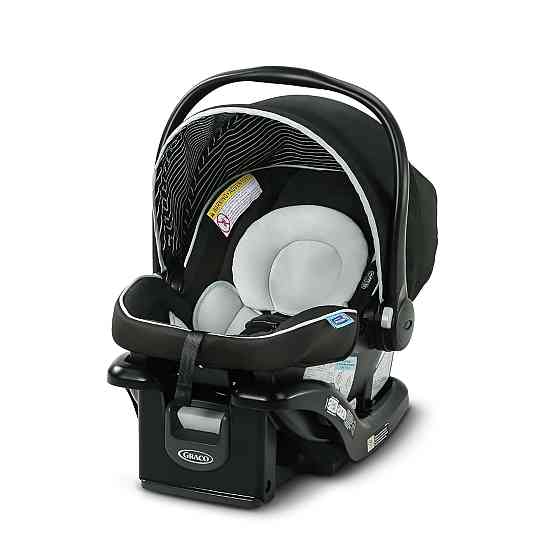
For products that contact an infant’s skin or mouth, such as carriers, breast pumps, bottles, pacifiers, and wearable items, look for sanitation or hygiene exclusions. For car seats and other restraint systems, ask whether installation in a vehicle affects eligibility for return. A seat that has been involved in a collision may require replacement rather than return to ordinary inventory, and its history may affect whether it can be safely transferred to another child.
Consider the timing of your purchase. Buying a stroller or car seat too early may cause the return window to expire before you can test fit, installation, or compatibility. If a product is intended for a particular developmental stage, document the date of purchase and review the policy before the baby reaches that stage. When possible, choose a seller with a clear written policy and an accessible customer-service channel.
Do not interpret a generous return policy as proof that the product is clinically or developmentally appropriate. Product suitability may depend on an infant’s size, gestational age, medical condition, postural control, or other factors. A pediatrician, physical therapist, occupational therapist, or certified child passenger safety technician can help address questions that a retailer cannot answer.
Documentation That Makes a Claim Easier
Good records reduce delays and help establish the product’s identity, purchase date, and ownership. Save the receipt, invoice, order confirmation, shipping record, warranty card, registration confirmation, and communications with the retailer or manufacturer. A digital folder can contain photographs of the packaging, labels, instructions, and the product before it is used.
Record the brand, model name, model number, serial number, manufacture date, lot or batch code, and place of purchase. These identifiers matter because a design revision or production lot may have different instructions, warranty terms, or recall status. Keep the instruction manual and care information even after disposing of the shipping carton.
If a defect appears, photograph it in good lighting and write a brief chronology. Include when the item was purchased, when the issue was first noticed, how the product was used, whether it was assembled according to instructions, and whether anyone was injured. Avoid speculative medical conclusions. If an infant developed a concerning symptom after contact with a product, stop using the item and contact a healthcare professional promptly; report the product concern separately to the seller or manufacturer.
Do not repair, drill, modify, glue, or alter safety-critical equipment before contacting the manufacturer. An alteration can create an additional hazard and may complicate evaluation of the original defect. Keep damaged parts and accessories unless the company gives written instructions for disposal or return.
Safety-Critical Gear Requires a Different Response
For ordinary consumer goods, a return may be a matter of convenience. For a car seat, crib, bassinet, carrier, high chair, gate, or other safety-related product, the first priority is risk control. Stop using the item if it has a broken structural component, frayed harness, missing hardware, sharp edge, unexpected collapse, overheating issue, chemical odor, or other condition that could endanger a child. Use an alternative that is known to be appropriate and intact.
Check the product’s current recall status using the relevant government or manufacturer resource and keep a record of what you find. Baby product recall checks should be part of evaluating secondhand gear, inherited equipment, and products purchased through online marketplaces. A recall notice may provide a repair kit, replacement component, refund, or instruction to discontinue use. Follow the recall notice rather than relying on a general return policy.
Do not pass a potentially unsafe product to another family, donate it, or sell it while the issue is unresolved. If disposal is required, follow the manufacturer’s or regulator’s instructions so that the product cannot be reused. For more context on identifying hazards, safety certifications, and secondhand documentation, review guidance about Using unsafe baby products.
Some products have safety implications that are easy to underestimate. A restraint that is not compatible with a vehicle, an improperly fitted carrier, or an unsuitable sleep device may create risks even when no part is visibly broken. Questions about car seat safety for babies, airway positioning, sleep surfaces, or use for a premature or medically complex infant should be discussed with a qualified professional. A return authorization does not substitute for a safety assessment.
How to Start a Warranty Claim or Return
Begin with the seller or manufacturer named in the applicable policy. Use the official customer-service channel and state whether you are requesting a return for preference, reporting a defect, or responding to a recall. These categories may follow different procedures. Include the order number, purchase date, product identifiers, a concise description of the problem, photographs, and the remedy you are seeking.
Ask specific process questions:
- Is the claim eligible under the store policy, warranty, recall notice, or consumer law?
- Do you need a return authorization number before shipping the item?
- Who pays return shipping, and will a prepaid label be provided?
- Should the product remain assembled, or should particular parts be included?
- How will the company protect personal information or evidence stored in a connected device?
- What is the expected timeline for inspection, repair, replacement, or refund?
Britax’s warranty and returns information illustrates why authorization and proof of purchase matter. Its policy describes coverage for stroller products and sets requirements relating to the original purchase date and child-restraint returns. Tactical Baby Gear similarly explains that warranty claims may require evidence and authorization before a product is sent in. These policies are examples of common administrative requirements, not universal rules for every brand or jurisdiction.
Keep communication factual and chronological. If a representative gives verbal instructions that differ from the written policy, request confirmation by email or through the case record. Save tracking information and photographs of the package before shipment. Do not send an item to an address found through an unofficial post or marketplace message unless the company confirms that it is an authorized return destination.
Refunds, Repairs, Replacements, and Disputes
The remedy may depend on the type of problem. A minor defect may lead to a replacement part or repair. A substantial failure, repeated unsuccessful repair, or serious safety issue may justify replacement or refund under the applicable policy or consumer law. The seller may first inspect the item to determine whether the problem is covered and whether it resulted from a defect, normal wear, misuse, or accidental damage.
For a return based on preference, the refund may be reduced by nonrefundable shipping, a restocking charge, or missing packaging if the policy permits those deductions. For a defective product or a legally protected consumer guarantee, different rules may apply. Ask the seller to identify the basis for any deduction in writing and retain the response.
If the request is denied, review the exact exclusion cited and compare it with your documentation. Escalate through the company’s supervisor or formal complaint channel, then contact the relevant consumer-protection agency, payment provider, or marketplace dispute process where appropriate. Keep the product available for inspection. Avoid public accusations that could distract from the factual record or expose private information about your child.
When the product is essential to transportation or daily care, plan for continuity before sending it away. A replacement may take time, and a repaired item may not arrive before an appointment or trip. If a healthcare professional has advised use of a particular type of equipment, ask that professional what temporary alternatives are medically and developmentally appropriate. For sleep products, consult evidence-based safe-sleep guidance, including information about Safe sleep products for babies, rather than choosing an improvised substitute.
Safety Warnings
- Stop using gear with structural damage, missing safety parts, unexpected collapse, overheating, or signs of a recall.
- Never modify or repair a car seat, harness, crib component, or other safety-critical product before receiving manufacturer instructions.
- Do not donate, resell, or transfer potentially recalled or damaged baby gear.
- A return approval does not establish that a product is safe for a particular infant or medical situation.
- Seek urgent medical care for a child with breathing difficulty, serious injury, altered responsiveness, or another emergency.
Tools & Assistance
- Save receipts, order confirmations, manuals, model numbers, and serial numbers in a digital product file.
- Photograph defects, labels, packaging, and the product before shipment.
- Use the manufacturer's official warranty or customer-service portal to request authorization.
- Check government and manufacturer recall databases before using secondhand baby gear.
- Ask a pediatrician, physical therapist, occupational therapist, or certified child passenger safety technician about product-specific safety questions.
FAQ
Can I return baby gear after opening the package?
It depends on the seller's written policy and the product category. Opened, assembled, washed, or used products may be excluded for hygiene or safety reasons, but defective-goods rights or statutory consumer guarantees may still apply.
Is a warranty the same as a refund policy?
No. A refund or return policy usually addresses whether an item can be sent back within a stated period, while a warranty generally covers specified defects or failures for a defined duration.
What should I do if my car seat may be defective?
Stop using it, preserve the seat and its labels, contact the manufacturer or seller through an official channel, and ask about recall status and authorized next steps. A certified child passenger safety technician can address installation or fit questions.
Do I need the original receipt for a warranty claim?
Many policies require proof of purchase, and some limit coverage to the original purchaser. If you lack a receipt, ask whether an order record, warranty registration, gift documentation, or other evidence is accepted.
What if the company denies my claim?
Request the reason in writing, review the cited policy language, preserve your evidence, and use the seller's escalation process or the relevant consumer-protection and payment-dispute channels.
Sources
- Britax — Warranty & Returns Policy
- Tactical Baby Gear — Warranty Policy | Tactical Baby Gear® Diaper Bags & Accessories
- Consumer Affairs Victoria — Refunds, repairs and returns
Disclaimer
This article provides general informational guidance and is not medical, legal, or product-safety advice. Consult a qualified healthcare professional for infant-specific concerns and the relevant consumer-protection authority or manufacturer for jurisdiction-specific rights.













Please log in to leave a comment.