
Intro
For many parents, feeding equipment decisions become unexpectedly complicated. A bottle warmer can look like a practical solution during night feeds, while also raising reasonable questions about cost, safety, cleaning, and whether warmed milk is medically necessary. The short answer is that bottle warmers are optional convenience devices, not essential infant-feeding equipment.
Infants can generally drink breast milk or formula at room temperature or chilled if they accept it. Some babies prefer milk warmed to approximately body temperature, and some families find warming especially helpful during frequent overnight feeds. The most appropriate choice depends on the baby's preferences, the type of milk being offered, the caregiver's routine, and the ability to use any warming method safely.
Highlights
Most healthy infants do not require warmed breast milk or formula.
A bottle warmer may improve convenience, but it does not make feeding safer or nutritionally superior by itself.
Uneven heating can create hot spots that burn an infant's mouth, even when the bottle feels comfortable externally.
Warm water baths and running lukewarm tap water are practical alternatives when used carefully.
The safest decision is one that fits the family's routine without compromising milk-handling and temperature safety.
Warming Is Usually Optional, Not Medically Required
Infants are capable of feeding effectively on milk that is refrigerated, at room temperature, or warmed. Human milk and prepared formula do not need to be heated to a specific temperature for digestion or absorption. Warming often reflects an infant’s learned preference, a caregiver’s expectations, or a desire to approximate the temperature of freshly expressed milk rather than a biological necessity.
This distinction matters because it changes the question from “How can I warm every bottle?” to “Does my baby accept this temperature, and can I provide it safely?” If a baby drinks chilled or room-temperature milk comfortably, there is no general health requirement to introduce warming. Avoiding unnecessary warming can also reduce preparation time, equipment costs, and opportunities for overheating.
Some infants, however, strongly resist a sudden temperature change. A baby who has usually received warm milk may become unsettled when offered a cold bottle, particularly during illness, fatigue, or a disrupted feeding routine. Preference is not the same as medical dependence, but it is still relevant to family functioning. Feeding is a repeated interaction, and a method that reduces distress without introducing safety risks can have practical value.
There may be additional instructions for infants with complex medical needs, feeding difficulties, or individualized nutrition plans. Parents should follow the guidance of the infant’s pediatrician, neonatal team, lactation consultant, or registered dietitian when a clinician has specified a preparation or feeding protocol.
What a Bottle Warmer Can and Cannot Do
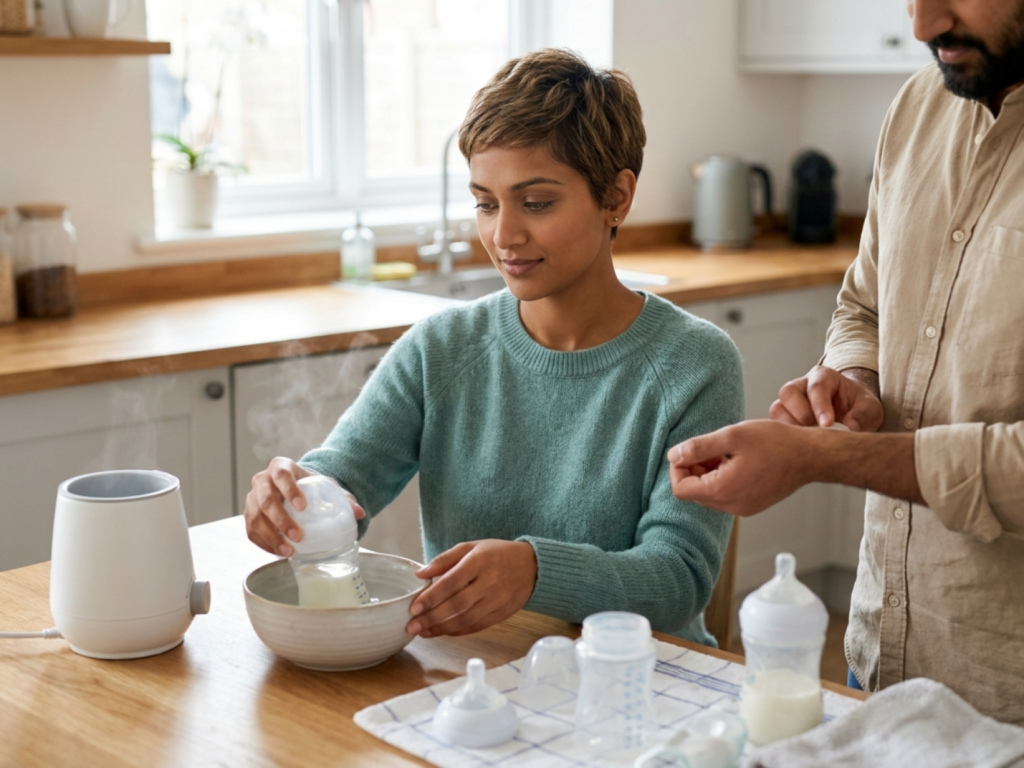
A bottle warmer typically heats a bottle using a water bath, circulating water, steam, or a controlled heating chamber. Depending on the model, it may include a timer, temperature settings, an automatic shutoff, a thawing mode, or a compartment intended for multiple bottle sizes. These features can make the process more predictable than repeatedly checking a bottle in a saucepan or under a faucet.
The device does not sterilize milk, make an incorrectly prepared formula safe, or compensate for poor storage practices. It also cannot guarantee that milk is evenly heated unless the bottle is handled according to the manufacturer’s instructions. A warm exterior does not prove that the contents are at a uniform temperature, and a display reading may not reflect the temperature at the center or surface of the milk.
Overheating is the principal concern. A very hot area in the bottle can cause an oral burn, even when another part of the milk seems merely warm. Excessive heat may also damage some heat-sensitive components of human milk. For that reason, warming should be gentle, controlled, and followed by thorough mixing and temperature checking.
Microwave heating is generally discouraged because it can produce uneven temperatures and hot spots. Direct stovetop heating of milk in a bottle can also be hazardous, particularly when caregivers are tired or preparing a feed quickly. A warmer reduces some sources of error, but it does not eliminate the need for supervision and verification.
When a Bottle Warmer May Be Worthwhile
A warmer may be a reasonable convenience purchase when an infant consistently refuses cold or room-temperature milk and the family prepares several feeds each day. The value is greatest when the device saves time repeatedly, fits the household’s bottles, and is simple enough to operate safely during overnight care. For a caregiver recovering from childbirth, managing multiple children, or balancing feeding with work, predictable preparation can reduce cognitive load.
Warmers may also be useful when the feeding area lacks a convenient sink, when a caregiver regularly travels between rooms, or when a household wants a consistent water-bath method without setting up cookware. Some families appreciate a model that can thaw frozen milk gradually, although thawing and storage rules still apply and the warmer should not be treated as a substitute for safe planning.
Convenience should be evaluated over the entire life of the device. Consider whether it accommodates the bottle shapes and materials already in use, whether removable parts can be cleaned thoroughly, whether the controls are understandable in low light, and whether an automatic shutoff is available. A device that is difficult to clean or easy to activate incorrectly may create more work than it removes.
Families should also consider how long the preference is likely to last. Some babies accept a broader range of temperatures as feeding patterns evolve. If warming is only occasional, a warm-water bath may meet the need without adding another appliance. A purchase is most defensible when it solves a frequent, concrete problem rather than responding to general anxiety about feeding temperature.
When It May Be Unnecessary
A bottle warmer is often unnecessary when the infant readily accepts milk at room temperature or chilled, or when the caregiver can comfortably use a warm-water bath. It may also be unnecessary for families who mainly breastfeed directly and only occasionally offer expressed milk. In those circumstances, the warmer may occupy storage space while addressing a problem that does not occur often.
Cost is not the only consideration. Every additional feeding device has a cleaning requirement, a power or water requirement, and a potential failure mode. Mineral deposits, residue, incorrect water levels, and neglected standing water can affect performance and hygiene. A device should never be left heating unattended unless its instructions specifically address that function, and even then it should be kept away from the infant’s reach and from unstable surfaces.
There is also a risk of false reassurance. A warmer’s preset number or “ready” signal may encourage a caregiver to skip mixing and checking. Safe feeding depends on the full sequence: correct milk preparation or storage, appropriate warming, even distribution of heat, temperature verification, and timely use. No appliance makes those responsibilities disappear.
Choosing not to buy a warmer is not withholding comfort from a baby. If the infant accepts an alternative temperature and the method is safe, there is no evidence-based requirement to warm the feed simply because commercial equipment exists.
Safer Ways to Warm Breast Milk or Formula
A warm-water bath is a practical method for warming a bottle. Place the sealed bottle in warm water and allow the milk to heat gradually. The water should be warm rather than scalding, and it should not enter the bottle or touch the nipple opening. Swirl the bottle periodically so that warmer and cooler areas mix, then test a few drops on the inside of the wrist or use a clean thermometer when appropriate.
Running lukewarm tap water over the outside of a sealed bottle can also work. This method requires attention to water temperature and to the bottle’s seal. The goal is to remove the chill, not to make the milk hot. Never leave a bottle warming on a counter without a clear time limit or supervision, especially in a home with other children or pets.
Do not use a microwave for breast milk or formula. Microwaves can heat liquids unevenly and create concentrated hot spots. Avoid boiling milk, placing a bottle directly in a pan of water on a hot burner, or using very hot water that could damage the container or overheat the contents.
After warming, rotate or swirl the bottle rather than shaking it vigorously when handling expressed human milk, because vigorous agitation may disrupt its structure. Check the milk before feeding. If any portion feels hot, allow it to cool and mix again. Use prepared formula and expressed milk according to current storage and discard guidance from the healthcare professional or public-health authority managing the infant’s feeding plan.
How to Use a Warmer Responsibly
Read the warmer’s instructions before the first use. Confirm the required water level, compatible bottle materials, maximum heating time, thawing instructions, and cleaning schedule. Different devices use different heating mechanisms, so an approach that is safe for one model may not be appropriate for another.
Start with the lowest effective setting and avoid leaving milk in a warm environment longer than necessary. Once the bottle reaches the desired temperature, remove it promptly, mix the contents, and check for hot spots. A bottle warmer should be treated as an active preparation tool, not as a holding unit for an indefinite period.
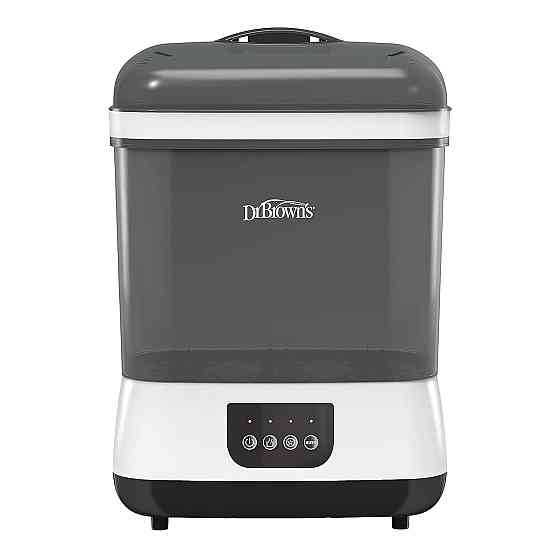
Clean and dry the warmer as directed. Empty standing water, remove scale or residue, and inspect seals and electrical components. Keep cords and hot water out of reach, and position the appliance on a stable, uncluttered surface. Bottle components still require their usual cleaning and, when indicated by the infant’s age or medical circumstances, sanitizing routine. A warmer does not replace bottle sterilizers or careful bottle handling.
During nighttime feeds, use a workflow that limits errors: prepare or retrieve the milk according to its storage instructions, warm only the amount needed, verify the temperature, and remain present while the infant feeds. If a baby shows signs of an oral burn, choking, respiratory difficulty, or unusual distress after a feed, stop feeding and seek prompt medical advice.
Making the Decision for Your Household
The most useful decision framework is practical rather than aspirational. First, observe the infant’s actual response to different temperatures. Next, estimate how often warming occurs and how much time the current method takes. Then assess whether a warmer would make the routine safer and simpler or merely add another item to clean.
Ask several concrete questions before buying:
- Does the baby consistently refuse chilled or room-temperature milk?
- Will the device fit the bottles, storage containers, and milk volumes used at home?
- Does it provide clear instructions, an automatic shutoff, and an easy-to-clean design?
- Can caregivers reliably check the milk for hot spots after warming?
- Would a warm-water bath work just as well for the family’s feeding schedule?
There is no universal right answer. For one household, a warmer may be a worthwhile time-saving appliance. For another, it may be unnecessary because the baby accepts unheated milk or because a simple water bath is already convenient. The key safety issue is not whether the milk is warm, but whether it has been stored, prepared, heated, checked, and offered appropriately.
Parents do not need to purchase every product marketed as essential. A calm, repeatable feeding routine that respects the infant’s preferences and follows professional guidance is more important than a particular appliance. Discuss individualized questions with the baby’s healthcare professional, especially for premature infants, infants with medical conditions, or families using specialized formulas.
Safety Warnings
- Never feed milk without checking for hot spots after warming.
- Do not microwave breast milk or formula.
- Do not boil milk or heat a bottle directly on a stovetop.
- Do not leave a bottle warming unattended or keep it warm indefinitely.
- Follow professional guidance for premature infants, specialized formulas, or medically complex feeding plans.
- Discard milk according to current storage and feeding guidance.
Tools & Assistance
- A clean container for a warm-water bath
- A food-safe liquid thermometer when temperature verification is needed
- The bottle warmer manufacturer's instructions
- A regular cleaning and descaling routine
- Advice from a pediatrician, lactation consultant, or registered dietitian
FAQ
Do babies need warm bottles?
No. Most healthy infants can drink breast milk or formula chilled or at room temperature if they accept it. Warming is usually a preference or convenience rather than a medical requirement.
Can I warm a bottle in the microwave?
Microwave heating is not recommended because it can create uneven temperatures and dangerous hot spots. Use a warm-water bath or lukewarm running water instead.
How can I tell whether a bottle is too hot?
Mix or swirl the contents and test a few drops on the inside of your wrist. The milk should feel comfortably warm, never hot. A thermometer may provide additional information when used correctly.
Does a bottle warmer sterilize the bottle or milk?
No. A warmer heats the contents but does not replace proper bottle cleaning, sanitizing when indicated, safe milk preparation, or appropriate storage.
Is a bottle warmer useful for expressed breast milk?
It can be convenient if the infant prefers warmed expressed milk, but it is not essential. Gentle warming and avoiding excessive heat help protect quality and reduce burn risk.
Sources
- NIH / PubMed Central — Warming feeds is unnecessary and hazardous
- Cincinnati Children's Hospital Medical Center — Warming Formula or Breast Milk
- Michigan State University Extension — Safely warming up baby formula and breastmilk
Disclaimer
This article provides general educational information and is not medical advice, diagnosis, or a substitute for individualized guidance. Consult your infant's healthcare professional for questions about feeding, storage, warming, or specialized medical needs.














Please log in to leave a comment.