
Intro
Childbirth is often described through pain, uncertainty, and physical intensity, but positive emotions are also a meaningful part of the experience. Joy, relief, confidence, gratitude, tenderness, satisfaction, and a sense of achievement may arise during labor, immediately after birth, or gradually as the birthing person processes what happened.
Positive feelings do not need to be constant, and they do not make birth easier or more medically uncomplicated. A person can feel frightened and empowered, exhausted and grateful, or overwhelmed and deeply connected at the same time. Understanding this emotional range can support realistic preparation and more compassionate maternity care.
Highlights
Positive emotions during childbirth may include joy, satisfaction, security, confidence, tranquility, relief, and empowerment.
Supportive communication, respectful care, partner presence, skin-to-skin contact, and participation in decisions can strengthen emotional well-being.
A positive birth experience is defined by the individual, not solely by the mode of delivery or absence of medical intervention.
Mixed emotions are common and do not invalidate happiness, pride, bonding, or psychological growth.
What positive emotions can feel like
Positive emotions during childbirth vary considerably between individuals and across stages of labor. Some people describe joy when they realize birth is imminent, while others experience a quiet sense of concentration or tranquility. Satisfaction may follow an important milestone, such as coping with a contraction, changing position effectively, or understanding what is happening clinically. Confidence may develop gradually as the person recognizes their ability to respond to an unpredictable situation.
Relief is another common emotion. It may occur when pain management becomes effective, when a reassuring assessment is completed, or when the baby is born safely. Security can arise from consistent professional support, familiar voices, privacy, and confidence that concerns will be taken seriously. After birth, tenderness, awe, gratitude, and emotional connection may accompany physical exhaustion.
These feelings may be brief rather than continuous. Labor is dynamic, and emotional states can change rapidly in response to contractions, sleep deprivation, unexpected findings, or changes in the care plan. A positive emotional experience therefore does not require feeling cheerful throughout labor. It may instead involve moments of meaning, trust, agency, or connection within an intense overall experience.
Why positive emotions matter psychologically
Childbirth is a neuroendocrine, sensory, psychological, and relational event. Research on the psychological experiences of physiological childbirth describes birth as intense and potentially transformative, with empowerment emerging as an important positive dimension. Empowerment does not mean controlling every clinical event. It may mean feeling informed, respected, capable of expressing preferences, and recognized as an active participant in care.
Positive emotions can influence how a person interprets the experience and later incorporates it into their personal narrative. A sense of competence may support confidence in early parenting tasks, while feeling respected may strengthen trust in healthcare professionals. This does not imply that positive emotions prevent postpartum mental health difficulties. Mood disorders, anxiety, trauma responses, and adjustment problems can occur after an emotionally positive birth as well as after a difficult one.
Emotional meaning is also individual. One person may feel proud after an unmedicated labor; another may feel equally proud after accepting analgesia, induction, operative assistance, or cesarean birth. The medically safest plan can change during labor, and adaptation to that change may itself be experienced as strength. Healthcare professionals can help by avoiding narrow definitions of success and asking what mattered most to the individual.
The conditions that help positive feelings emerge
Positive emotions are shaped by the interpersonal environment as much as by the physiology of labor. A phenomenological study of hospital childbirth identified joy, satisfaction, security, confidence, and tranquility among the emotions participants experienced. It also associated positive experiences with skin-to-skin contact, effective communication, partner support, and participation in decisions.
Communication is particularly important because uncertainty can amplify distress. Clear explanations about examinations, fetal monitoring, analgesia, induction, or changes in the plan can help the birthing person understand why care is being recommended. Communication should be reciprocal: clinicians provide relevant information, and the patient has opportunities to ask questions, express preferences, and identify concerns. In urgent situations, explanations may need to be brief, but respectful communication remains possible.
Practical support can also protect emotional well-being. This may include continuous presence from a chosen support person, assistance with hydration or movement when clinically appropriate, privacy, warmth, calm voices, and reassurance that is honest rather than dismissive. Trauma-informed care during birth emphasizes emotional and physical safety, collaboration, choice, and awareness that previous experiences may affect responses to touch, examinations, or loss of control.
Connection, bonding, and the first moments after birth
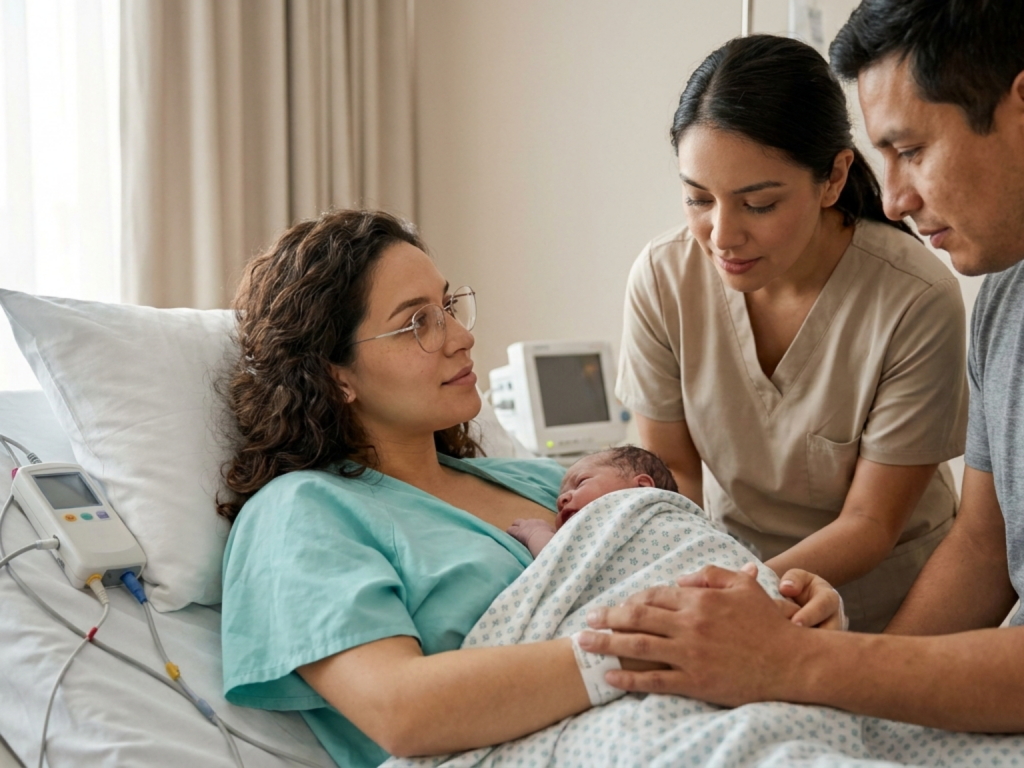
For many families, the first minutes and hours after birth contain powerful positive emotions. Seeing or holding the newborn may bring joy, relief, wonder, tenderness, or a sense of unreality. Skin-to-skin contact, when clinically appropriate for both newborn and parent, can support early closeness and may help the family mark the transition from pregnancy to life with a newborn. It should be facilitated according to local protocols and the medical needs of parent and baby.
Bonding is not always immediate or dramatic. Some parents feel emotionally numb, distracted by pain, or focused on whether the baby is breathing and feeding effectively. Others feel love and fear simultaneously. Surgical birth, postpartum hemorrhage, neonatal observation, analgesia, exhaustion, or separation can alter the early experience without determining the eventual quality of the relationship. Emotional connection may develop through repeated caregiving, eye contact, voice, touch, and support over time.
Relational factors before birth may also matter. A study examining emotional and relational protective factors during pregnancy found associations between factors such as gratitude and bonding and later psychological well-being and personal growth after childbirth. These findings describe relationships at a population level; they do not guarantee an individual outcome. They do suggest that emotional connection and supportive relationships can be worthwhile areas of preparation during pregnancy.
Positive emotions alongside medical intervention
Positive childbirth experiences are not limited to spontaneous or physiological labor. Induction, epidural analgesia, continuous monitoring, assisted vaginal birth, and cesarean birth may be necessary or preferred, and each can include confidence, gratitude, relief, connection, or pride. Medical intervention does not automatically make an experience emotionally negative. What matters may include whether the person understood the situation, had meaningful choices where possible, and felt treated with dignity.
Some interventions are performed quickly because of maternal or fetal concerns. In those circumstances, the range of available choices may narrow, but clinicians can still explain the indication, describe what will happen next, and acknowledge the person’s emotional response. Afterward, a clear debrief can help the parent understand the clinical reasoning and identify unanswered questions. A debrief is not a promise that every feeling will resolve, but it can support informed processing and restore a sense of coherence.
It is also important not to use a positive-birth narrative to pressure someone into gratitude. A parent may appreciate a healthy outcome while grieving the loss of an anticipated experience. Positive emotions should be invited, not demanded. Respectful care makes room for pride, disappointment, relief, anger, affection, and uncertainty without ranking one feeling as morally superior to another.
Preparing to support positive emotions
Preparation can focus less on controlling the exact course of labor and more on identifying conditions that help the individual feel safe and involved. During prenatal care, discuss communication preferences, pain-management options, mobility, consent for examinations, support-person roles, and circumstances in which the care plan may change. A birth preferences document can be useful when it is treated as a communication tool rather than a rigid contract.
It may help to identify specific phrases or actions that support confidence. Examples include asking staff to explain procedures before beginning, requesting a pause when circumstances allow, using a chosen breathing or grounding practice, and having a support person repeat concise information during contractions. People with previous trauma, anxiety, or difficult medical experiences may benefit from discussing these issues with an obstetric clinician, midwife, mental health professional, or specialized perinatal service before labor.
After birth, protect opportunities for rest, nutrition, privacy, and practical assistance. Ask for help with feeding, pain management, mobility, or newborn care when needed. A short written reflection or conversation with a trusted person may help preserve meaningful moments, but processing should not be forced immediately. If distress, intrusive memories, persistent fear, emotional detachment, or loss of pleasure continues, contact a healthcare professional for assessment and support.
When to seek professional support
- Persistent sadness, panic, severe anxiety, emotional numbness, or inability to function after birth warrants clinical attention.
- Urgent help is needed for thoughts of self-harm, harming the baby, or feeling unable to remain safe.
- A frightening or traumatic birth can require sensitive follow-up even when parent and baby are medically well.
- Do not dismiss severe headache, heavy bleeding, chest pain, breathing difficulty, fever, or other acute physical symptoms as emotional reactions.
- Contact the maternity team promptly when emotional distress interferes with sleep, feeding, bonding, or basic self-care.
Tools & Assistance
- A prenatal conversation with an obstetric clinician or midwife about communication, consent, pain relief, and support
- A concise birth preferences document shared with the maternity team
- A trusted partner, doula, friend, or family member prepared to provide calm practical support
- A postpartum debrief with the clinical team after an unexpected or distressing birth
- Perinatal mental health services, primary care, or emergency services when symptoms are severe or safety is at risk
FAQ
Is it normal not to feel happy during childbirth?
Yes. Labor can involve pain, fear, concentration, exhaustion, or emotional numbness. Positive emotions may appear later, and not feeling happy does not indicate a failure to bond or cope.
Can a medically assisted birth still be a positive experience?
Yes. Many people feel relief, gratitude, confidence, connection, or pride after assisted or surgical birth. Understanding the reasons for care and being treated respectfully can strongly influence emotional experience.
Does immediate bonding have to happen after birth?
No. Bonding may be immediate, gradual, or interrupted by medical needs. Repeated responsive care and support over time are important, and delayed bonding is not proof of a problem.
How can a partner support positive emotions during labor?
A partner can offer calm presence, repeat information, communicate preferences to staff when asked, provide physical comfort if welcome, and avoid minimizing pain or pressuring the birthing person to follow a predetermined plan.
When should I discuss difficult emotions after childbirth?
Discuss them with a healthcare professional whenever they feel persistent, intense, frightening, or disruptive. Seek urgent help for thoughts of self-harm, harm to the baby, or inability to stay safe.
Sources
- PubMed — Kaleidoscope of emotions in hospital childbirth: A phenomenological study
- PubMed Central — Women's psychological experiences of physiological childbirth
- Taylor & Francis Online — Emotional and relational protective factors during pregnancy and psychological well-being and personal growth after childbirth
Disclaimer
This article is for general educational purposes and does not diagnose, treat, or replace individualized medical advice. Discuss personal concerns with a qualified healthcare professional, and seek urgent help for medical emergencies or immediate safety concerns.

















Please log in to leave a comment.