
Intro
Preparing for a baby can make every product seem essential. In reality, newborn care depends far more on safe routines, reliable support, feeding supplies that fit your circumstances, and knowing when to seek professional advice than on a large collection of equipment.
A small, practical setup can meet a newborn's needs well. This guide focuses on the early weeks, when frequent feeding, sleep, hygiene, warmth, responsive care, and safe transport matter most.
Highlights
A baby needs safe sleep, adequate feeding, warmth, hygiene, and responsive adults more than specialized gadgets.
Buy or borrow only enough clothing, diapers, and feeding equipment to manage frequent daily changes and laundry.
A correctly installed rear-facing car seat and a separate, firm sleep surface are fundamental safety items.
Newborn warning signs and follow-up care matter as much as supplies; ask your maternity, pediatric, or primary care team which signs require urgent assessment.
Start with needs, not a shopping list
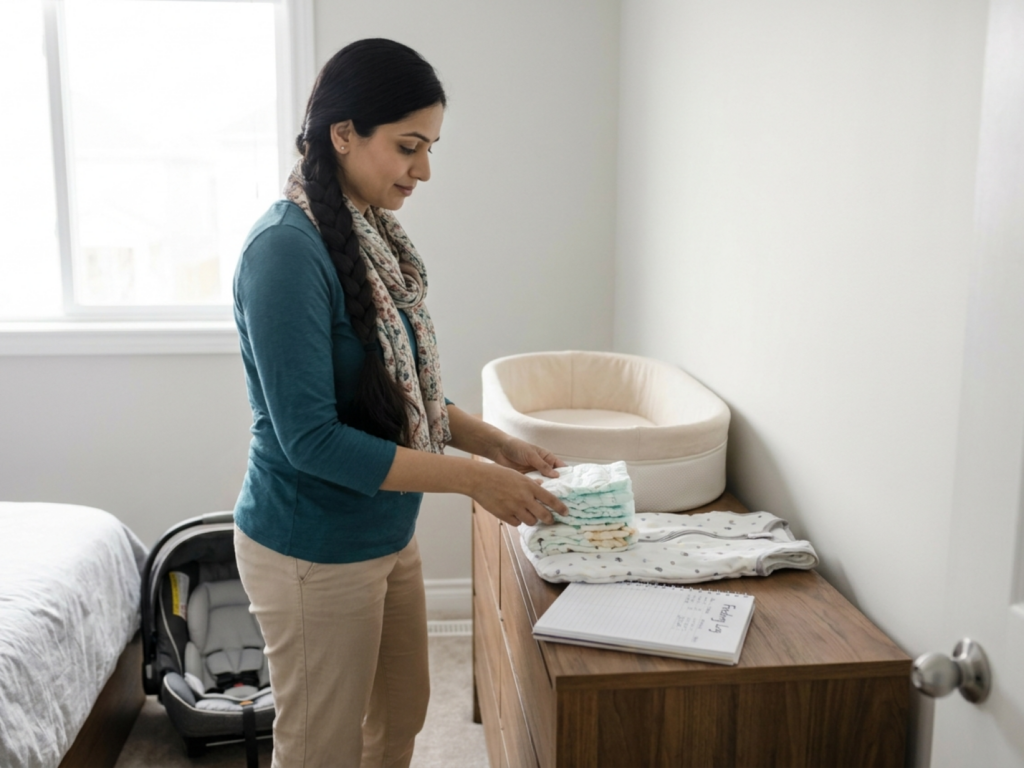
Newborn care is repetitive and close-range: feed, change, settle, observe, and rest when possible. The basic needs are nutrition, a safe place to sleep, protection from overheating or chilling, clean diapers, gentle hygiene, and reliable caregiving. Most families can begin with a deliberately short list and add items once they know their baby’s size, feeding method, temperament, and household routine.
It helps to separate necessities into two groups. The first group is safety-critical: a safe sleep surface, a correctly used rear-facing infant car seat for travel by car, and a way to feed the baby. The second group supports daily care: diapers, simple clothing, blankets for supervised warmth, and basic washing supplies. A support person, access to healthcare, and a plan for transport to appointments are also real needs, even though they are not retail items.
Try to avoid buying large quantities of one product before birth. Babies grow quickly, may react differently to diaper or wipe materials, and do not all take the same bottles or nipples. Keeping receipts, accepting clean second-hand clothing, and borrowing non-safety-critical equipment can reduce cost and clutter. For used equipment, confirm that it is intact, cleanable, and has not been recalled; sleep products and car seats deserve especially careful scrutiny.
A safe place to sleep
For every sleep, a newborn needs an individual, flat, firm sleep surface designed for infants, such as a safety-approved crib, bassinet, or bedside sleeper used according to its instructions. Use a fitted sheet only. Keep pillows, loose blankets, quilts, positioners, stuffed toys, nests, and other soft items out of the sleep space. These objects can obstruct an infant’s airway or increase the risk of sleep-related injury.
Place the baby on their back for sleep unless your own clinician gives individualized medical instructions. Room-sharing can make feeding and observation easier, while the baby still has a separate sleep surface. A wearable blanket or appropriately sized sleep sack may provide warmth without loose bedding. Check the baby’s chest or back rather than hands and feet when judging temperature, since extremities can feel cool even when the core temperature is comfortable.
Safe sleep practices for infants are more valuable than a premium monitor, decorative bedding, or a sleep-positioning device. A monitor may be useful for family convenience, but it does not replace direct supervision or safe sleep conditions. If your baby falls asleep in a car seat, swing, stroller, or other sitting device, move them to their firm sleep surface when feasible and safe to do so.
Feeding essentials should match your plan
Newborns feed frequently, including overnight. The essential equipment is whatever allows safe, adequate feeding in your situation. For direct breastfeeding, this may be little more than comfortable seating, water and food for the lactating parent, breast pads if useful, and access to skilled lactation support. A newborn does not inherently require bottles, pumping equipment, or formula if direct breastfeeding is established and working for parent and baby.
For formula feeding or expressed milk, obtain a small number of bottles, suitable nipples, a bottle-cleaning brush, and supplies to prepare and store feeds safely. Follow the product instructions and local public-health guidance for preparation, water safety, storage, and cleaning. Powdered infant formula is not sterile, so families should discuss individualized preparation precautions with their healthcare team, particularly for premature infants or babies with medical vulnerabilities.
Feed responsively: early cues can include stirring, rooting, hand-to-mouth movements, and mouth opening. Crying is often a later cue. Your maternity or pediatric team can help assess latch, milk transfer, formula volumes, weight trajectory, hydration, and diaper output. Do not use feeding schedules, bottle volumes, or online comparisons as a substitute for personalized guidance. A simple feeding and diaper log can be useful during the first days, especially when clinicians ask about intake and output.
Diapers, clothing, and uncomplicated hygiene
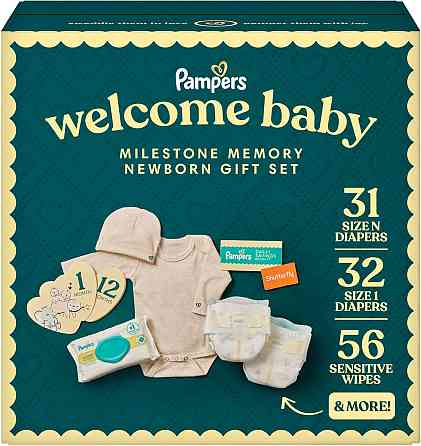
Diapers are one of the few supplies you will use continuously. Have an initial supply of newborn and possibly size-one diapers, fragrance-free wipes or soft cloths, and a changing surface that can be cleaned. Diaper cream is optional but useful if skin becomes irritated; seek clinical advice for a rash that is severe, blistering, spreading, associated with fever, or not improving as expected. Keep one hand on the baby throughout a change, even on a surface with raised sides.
Clothing can be simple: several washable bodysuits or vests, sleepers, socks if needed for warmth, and a weather-appropriate outer layer. Choose soft, easy-open garments that allow rapid diaper changes. As a broad starting point, many babies wear one more light layer than a comfortable adult in the same environment, but assess the actual room temperature and the baby’s comfort rather than applying a rigid rule. Avoid overheating, especially during sleep.
Bathing supplies can be minimal: a baby bath or clean basin, mild unscented cleanser if wanted, soft washcloths, towels, and clean diapers and clothing for afterward. Newborns do not need daily baths. Until the umbilical cord stump falls off and the area heals, use gentle sponge baths as advised by your care team. Umbilical cord stump care generally means keeping the area clean and dry and avoiding unneeded products unless a clinician recommends them. Wash hands before handling the baby, preparing feeds, or caring for the cord area.
Transport and practical care outside the home
Before the first car journey, obtain a car seat appropriate for a newborn and install it according to both the vehicle and manufacturer instructions. The baby should travel rear-facing, properly harnessed, and without bulky coats beneath the straps. Many hospitals, fire services, community programs, retailers, or child-passenger safety technicians offer fitting checks, although availability varies. A correctly fitted basic seat is preferable to an expensive model used incorrectly.
A compact outing kit is usually enough: diapers, wipes or cloths, a changing pad, a spare outfit, feeding supplies, a light weather layer, and a bag for soiled items. Add any prescribed items your baby’s clinician has directed you to carry. Avoid relying on a stroller, sling, or carrier as a substitute for an appropriate car seat. When using a carrier, follow its instructions and ensure the baby’s face remains visible and unobstructed, with the chin not pressed toward the chest.
Plan for temperature and timing rather than packing every conceivable product. Limit prolonged exposure to extreme heat or cold, use shade appropriately, and check on the baby often. Bring the contact details for your maternity unit, pediatric clinician, or local urgent-care service. For longer outings, knowing where you can wash hands, feed, change a diaper, and take a break is more useful than having elaborate gear.
Support, follow-up, and knowing when to call
One of the most necessary resources is a clear follow-up plan. Keep scheduled newborn appointments, where clinicians assess weight, feeding, jaundice, physical adaptation after birth, and family questions. Ask before discharge or at the first visit whom to contact after hours, where to seek urgent care, and whether your baby has any individualized requirements based on gestational age, birth history, screening results, or medical conditions.
Newborns can become unwell quickly, and clinical assessment is more reliable than trying to interpret a product, app, or social-media advice. Contact a healthcare professional promptly for concerns about poor feeding, markedly fewer wet diapers than expected, increasing sleepiness or difficulty waking, breathing difficulty, repeated vomiting, worsening jaundice, or an umbilical area that becomes red, swollen, foul-smelling, or drains pus. For a young infant, a measured fever requires timely medical advice; use the temperature method and threshold your clinician recommends.
What baby needs every day also includes responsive comfort and caregiver recovery. Holding, talking, feeding, and calming a baby are not extras. Arrange practical help with meals, laundry, transport, and protected sleep for caregivers. If persistent anxiety, low mood, intrusive thoughts, or exhaustion makes care feel unsafe or unmanageable, contact a healthcare professional or urgent support service. A well-supported caregiver is part of a baby’s safety plan.
Seek urgent clinical advice
- Seek urgent assessment for breathing difficulty, blue or gray color, limpness, seizures, or a baby who is difficult to wake.
- Contact a clinician promptly for a measured fever in a young infant, using the method and threshold your care team advises.
- Get medical advice for poor feeding, repeated vomiting, dehydration concerns, or substantially reduced urine output.
- Do not place soft bedding, pillows, positioners, or loose blankets in an infant sleep space.
- Ask a healthcare professional about feeding preparation and storage when a baby was premature, medically fragile, or has special nutritional needs.
Tools & Assistance
- Arrange the first newborn follow-up appointment before or soon after going home
- Ask a certified child-passenger safety technician to check car-seat installation
- Keep a simple feeding and diaper log for early clinical visits
- Save your maternity unit, pediatric clinic, and local urgent-care contact details
- Ask a lactation consultant or pediatric clinician for feeding support
FAQ
How many outfits does a newborn really need?
A small rotation of easy-to-wash bodysuits and sleepers is often enough if you can do laundry regularly. Start modestly because sizing and frequency of spit-up vary widely.
Do I need a baby bath?
No. A clean basin or infant bath can be useful, but gentle sponge baths and a few basic washing supplies meet the early hygiene need.
Do I need a bottle sterilizer?
Not necessarily. Safe bottle cleaning and preparation matter most. Follow local guidance and the instructions from your bottle and feeding-product manufacturers.
What is the most important baby item to buy before birth?
A safe sleep surface and an appropriate rear-facing car seat are high priorities, along with a realistic feeding and diapering plan.
Sources
- World Health Organization — Caring for a newborn
- MedlinePlus — Infant and Newborn Care
- MedlinePlus — Baby supplies you need
Disclaimer
This article is for general educational purposes and does not replace individualized medical advice. Consult your maternity, pediatric, or other qualified healthcare professional about your baby's care and urgent symptoms.














Please log in to leave a comment.