

Intro
Leaving a baby with a babysitter or relative can bring relief, worry, or both. Clear instructions help another caregiver provide consistent care while reducing preventable errors during feeding, sleep, medication administration, transport, and emergencies. The goal is not to create an overwhelming manual; it is to make the baby's routine, health needs, and safety boundaries easy to understand and follow.
A useful handoff combines written information, a brief demonstration, and time for questions. Review the plan with the caregiver before the first solo visit, update it when the baby's needs change, and encourage the caregiver to contact you whenever something is unclear. For urgent or concerning situations, the caregiver should follow the emergency plan and seek professional medical help rather than relying on guesswork.
Highlights
A written care plan should cover routines, allergies, medications, emergency contacts, and safe-sleep expectations.
Demonstrate essential tasks such as bottle preparation, diapering, soothing, and use of safety equipment.
Caregivers need explicit instructions about supervision, choking prevention, illness warning signs, and when to call for help.
Keep instructions accessible, current, and simple enough to use during a stressful moment.
Start With a Written Handoff
A written handoff is the central reference for anyone caring for the baby. It should be brief enough to scan quickly but detailed enough to answer common questions without repeated phone calls. Include the baby’s full name, date of birth, usual schedule, feeding method, typical intake or nursing pattern, diaper expectations, sleep routine, soothing strategies, and relevant medical history. Note allergies or suspected reactions, chronic conditions, prematurity, recent procedures, and any restrictions that affect care.
List the parents’ mobile numbers and a second emergency contact. Add the baby’s primary clinician, preferred hospital or urgent care location, local emergency number, and poison control contact appropriate to your country. Include the home address and clear directions for emergency responders. A caregiver should know where to find the first-aid kit, thermometer, fire extinguisher, smoke alarms, circuit breaker, and exits.
Use specific wording. “Offer the prepared bottle in the refrigerator labeled for today” is safer than “Feed as usual.” Record the time of the last feed, diaper change, and medication dose at every handoff. A written handoff can be paper-based or securely digital, provided the caregiver can access it immediately.
Explain Feeding and Medication Boundaries
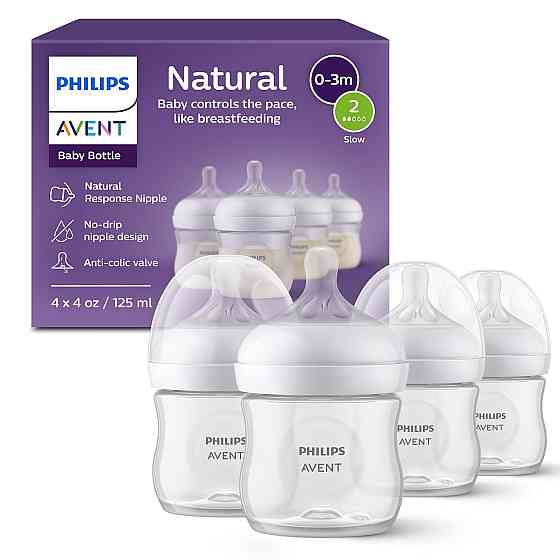
Describe exactly what the baby may receive, how it is prepared, and how you recognize hunger and satiety cues. For expressed breast milk or formula, demonstrate storage, warming, labeling, and discard rules that match current clinical guidance and the product instructions. Clarify whether the baby should be fed on cue, on a schedule, or according to a clinician-directed plan. Never assume that a relative’s past experience with another infant applies to this baby.
Explain positioning during feeds and the need for direct supervision. Infants should not be propped with a bottle or left alone while feeding. If complementary foods have been introduced, provide an approved-food list and describe texture, portion, and choking precautions. The caregiver should know which foods are prohibited because of allergy risk or developmental readiness.
Medication instructions should be written separately and include the medication name, concentration, prescribed dose, route, timing, reason for use, and the measuring device. Leave medication in its original labeled container. Do not ask a caregiver to estimate a dose, substitute a product, or give an over-the-counter medicine unless the child’s healthcare professional has provided appropriate instructions. Every dose should be documented to prevent duplication. Questions about a missed dose, vomiting, adverse reaction, or drug interaction belong with a pharmacist or clinician.
Make Sleep and Comfort Instructions Explicit
Safe sleep guidance must be stated directly, especially when relatives have cared for babies under different recommendations. Place the infant on the back for every sleep unless a healthcare professional has given specific alternative instructions. Use a firm, flat sleep surface with a fitted sheet and keep pillows, loose blankets, bumper pads, stuffed toys, and other soft objects out of the sleep space. The crib, bassinet, or portable play yard should be used according to the manufacturer’s safety instructions.
Tell the caregiver where sleep is allowed and what to do if the baby falls asleep during feeding or soothing. A baby should not routinely sleep on a couch, armchair, adult bed, swing, or other sitting device. Discuss room temperature, clothing, swaddling if used, and when swaddling must stop based on the baby’s developmental movement. The safe sleep environment should be prepared before the caregiver arrives.
Comfort instructions should distinguish normal fussiness from concerning behavior. Describe the baby’s preferred calming methods, such as holding, quiet talking, feeding when appropriate, or a pacifier if already used. If crying becomes overwhelming, the caregiver should place the baby safely in the crib, step away briefly, and contact you for support. Shaking or rough handling is never acceptable.
Prepare for Medical Problems and Emergencies
Before the first unsupervised visit, confirm that the caregiver knows basic infant first aid and cardiopulmonary resuscitation. Training is especially important for anyone who will provide regular care. Show the caregiver how to call emergency services, unlock the door, and communicate the baby’s age, location, symptoms, and known medical conditions. Keep emergency numbers visible rather than relying on memory.
Discuss the baby’s individualized warning signs and the threshold for calling you, the clinician, urgent care, or emergency services. Depending on age and circumstances, concerning findings may include breathing difficulty, blue or gray coloration, unresponsiveness, a seizure, serious injury, persistent vomiting, dehydration concerns, a rapidly worsening condition, or a temperature abnormality requiring professional assessment. Young infants with fever may require prompt medical evaluation; parents should provide age-specific instructions from the baby’s healthcare professional rather than asking a caregiver to interpret a general rule.
Explain what to do for choking and allergic reactions, including the location of prescribed emergency medication if applicable. A caregiver should never induce vomiting after a possible poisoning. Contact poison control or emergency services for guidance, and preserve the product container when possible. The caregiver should also know the fire escape route, how to test a smoke alarm, and when not to re-enter a burning home.
Walk Through Home and Transport Safety
A house tour turns general safety advice into concrete actions. Identify rooms that are off-limits, secure stairs and windows, cover or block accessible hazards, and keep cords, batteries, small objects, cleaning products, cosmetics, medications, firearms, alcohol, and hot liquids out of reach. Check that doors and gates latch correctly. Explain water safety clearly: a baby must have constant, hands-on supervision near a bathtub, sink, pool, or any container of water, even for a short moment.
Review temperature hazards and common choking risks. Avoid leaving the baby unattended on elevated surfaces such as a changing table or bed. Keep hot food and drinks away from the baby and from surfaces the baby may reach. As mobility develops, reassess floor-level objects and furniture stability. Caregivers should supervise siblings, pets, and visitors rather than assuming they will recognize infant safety needs.
If the caregiver will travel with the baby, demonstrate the rear-facing car seat, harness adjustment, and stroller or carrier positioning. The caregiver should know who is authorized to transport the baby and where the necessary identification and medical information are stored. For visits involving other people, consistent newborn visitor safety rules help reduce infection exposure and unsafe handling. No visitor should hold or feed the baby without the responsible caregiver’s awareness.
Build Reliable Communication and Follow-Up
Good instructions include a communication plan, not just information. Decide how often the caregiver should send updates and what requires an immediate call. For a short visit, a message after feeding and before sleep may be enough. For overnight or extended care, agree on a written log covering feeds, wet and soiled diapers, sleep periods, medications, temperature measurements, unusual behavior, and accidents. Documentation gives parents and clinicians a more accurate timeline if a problem develops.
Ask the caregiver to repeat back the most safety-critical instructions: safe sleep positioning, medication limits, emergency contacts, allergy precautions, and choking response. This teach-back approach identifies misunderstandings without making the caregiver feel judged. Demonstrate tasks and then watch the caregiver perform them, particularly bottle preparation, car-seat use, and any medical equipment procedure.
After the first visit, review what went well and what was difficult. Update the plan after changes in feeding, sleep, mobility, medication, illness, or clinician recommendations. Keep copies of the plan in the diaper bag and home, but protect private medical information. A dependable caregiver should feel comfortable asking questions early; parents should treat clarification as a normal part of safe care rather than as a failure.
Call for Immediate Help When Needed
- Call emergency services for severe breathing difficulty, unresponsiveness, blue or gray coloration, a seizure, or a serious injury.
- Seek prompt professional advice for fever or other illness in a young infant, using age-specific instructions from the baby's clinician.
- Do not give an unapproved medication, repeat a dose because of uncertainty, or use a household spoon for measurement.
- Never leave a baby alone near water, on an elevated surface, or in an unsafe sleep location.
- For suspected poisoning, contact poison control or emergency services and do not induce vomiting unless specifically instructed.
Tools & Assistance
- Printed baby care and emergency contact sheet
- Medication and feeding log
- Infant first-aid and CPR training
- Poison control contact service
- Clinician-approved thermometer and medication syringe
FAQ
How far in advance should I brief a babysitter or relative?
Review the plan before the first solo visit and allow enough time for a house tour, demonstrations, questions, and a practice handoff. A short trial visit can reveal unclear instructions.
Should caregivers follow the baby's schedule exactly?
Provide the usual routine while identifying what is flexible. Feeding, medication, sleep safety, and clinician-directed care should be explicit; comfort strategies and timing may need reasonable adjustment.
What health information should be shared?
Share information that affects immediate care, including allergies, medical conditions, prescribed medicines, feeding restrictions, emergency plans, and relevant clinician contacts. Keep the information current and secure.
What if a caregiver disagrees with a safety rule?
Discuss the concern before care begins and explain that current pediatric guidance and the parents' instructions govern the baby's care. Choose another caregiver if essential safety practices cannot be followed.
Sources
- HealthyChildren.org / American Academy of Pediatrics — Babysitting Reminders: Checklist for Parents & Sitters
- Office on Women's Health — Babysitters and child care
- Nemours KidsHealth — Choosing and Instructing a Babysitter
Disclaimer
This article provides general educational information and is not a diagnosis, prescription, or substitute for individualized medical advice. Consult the baby's healthcare professional or emergency services for urgent concerns and age-specific guidance.

















Please log in to leave a comment.