

Intro
Lifting and carrying a baby is repeated physical work, often performed while sleep-deprived, recovering from childbirth, or managing other caregiving tasks. Even a small infant can place substantial demands on the lumbar spine, shoulders, wrists, pelvic floor, and abdominal muscles when lifting is frequent or performed from awkward positions.
Small changes in technique, equipment setup, and daily routines can reduce cumulative strain. The goal is not to avoid holding your baby, but to distribute load more effectively, minimize twisting and reaching, and respond appropriately when pain or neurological symptoms develop.
Highlights
Keep the baby close to your center of mass during lifts and carries to reduce the moment arm on the spine.
Use a stable base, bend through the hips and knees, and avoid lifting while rotating the trunk.
Neutral wrist positioning and alternating carrying sides can reduce repetitive stress in the hands, wrists, and elbows.
A correctly fitted carrier may improve load distribution, but it can also alter posture and balance if adjusted poorly.
Persistent, severe, or neurologic symptoms warrant assessment by a qualified healthcare professional.
Why Baby Care Can Produce Physical Strain
Infant care involves high-frequency, low-load tasks: lifting from a crib, transferring from a floor mat, fastening a harness, carrying during soothing, and moving an infant car seat. Repetition matters. A movement that feels easy once may become provocative when performed dozens of times daily, particularly when the caregiver is fatigued or recovering postpartum.
Biomechanically, holding a baby away from the trunk increases the external flexion moment on the lumbar spine and demands more activity from the erector spinae and abdominal musculature. Reaching into a deep crib or over a changing table also places the shoulders in sustained flexion and may encourage lumbar rounding. Carrying on one hip can create asymmetrical loading through the trunk and pelvis, while prolonged gripping may stress the wrist and thumb tendons.
Research summarized in the scoping review on the physical and physiological consequences of babywearing indicates that carriers can influence posture and postural sway. This does not mean babywearing is inherently harmful. It means that fit, support, duration, and the caregiver’s response to discomfort are relevant to safe, sustainable use.
Prepare Before You Lift
Many lifting problems begin before the lift itself. Position frequently used supplies so you do not need to reach across a cot, twist from the waist, or lift from a low, unstable surface. When possible, bring the baby toward you before picking them up. Lock crib or stroller wheels, clear the floor, and make sure your footing is secure.
Before lifting, pause briefly and establish a stable base with the feet approximately hip-width apart. Keep the shoulders relaxed, gently brace the trunk without holding your breath, and identify where the baby will be placed. A preparatory exhalation can help prevent excessive breath-holding and unnecessary abdominal or pelvic floor pressure.
Use the surface height strategically. A changing station at an appropriate height may reduce repeated stooping, but never leave a baby unattended on an elevated surface. For floor-based care, kneel or sit close to the baby rather than repeatedly bending from standing. These modifications reduce the distance between your body and the load, which is usually more important than trying to generate force with the back alone.
- Bring your feet and torso close to the baby before initiating the lift.
- Move obstacles and secure wheels or other mobile equipment.
- Plan the destination before lifting, especially when transferring into a crib or car seat.
- Ask another adult for assistance when you are fatigued, injured, or handling a bulky item.
Use a Controlled Lifting Technique
To lift from a crib, bend through the hips and knees while maintaining a relatively neutral spinal position. Keep the baby close to your torso as soon as your hands are securely positioned. Engage the larger muscles of the legs and hips to rise, rather than pulling upward with the arms or extending the lower back. Avoid twisting during the ascent; pivot with the feet if you need to change direction.
Support the baby according to their developmental needs. Infants who cannot reliably control their head and trunk require secure support of the head, neck, and body. Place one hand under the head and upper trunk and the other under the pelvis or thighs, then bring the baby toward you before standing. Do not rush because the baby is crying. A calm, deliberate sequence is generally safer than a sudden tug or one-handed lift.
When lifting from the floor, lower yourself close to the baby first. A half-kneeling or squat position can reduce forward reaching. Rise while keeping the load near your chest. If the baby is older and mobile, establish a routine in which they come toward you or climb onto a stable, low surface only when developmentally appropriate and supervised; do not encourage unsafe climbing to make lifting easier.
For transfers, reverse the same process: move close to the destination, bend through the hips and knees, keep the baby near your center, and lower with control. Avoid placing the baby down while simultaneously reaching for another object or rotating to the side.
Reduce Strain While Holding and Carrying
Holding a baby close to the chest generally reduces leverage on the spine compared with carrying the baby at arm’s length. Keep the elbows comfortably bent and the shoulders down rather than elevated. Use both arms for longer carries when practical, and support the baby’s weight through the trunk and forearms instead of relying on a tight hand grip.
When carrying on the hip, switch sides regularly and avoid collapsing into one side of the trunk. Frequent side changes do not eliminate load, but they may reduce prolonged asymmetry. If one side consistently causes pain, numbness, or weakness, stop treating the symptom as a simple preference and seek clinical advice.
Protect the wrists by keeping them as close to neutral as possible. Avoid repeatedly lifting with the wrist bent backward, the thumb widely abducted, or the baby supported by the fingers alone. This is particularly relevant during feeding, soothing, and transfers in and out of a carrier. Rest the forearm on a pillow or armrest during seated holding so the wrist and hand are not continuously supporting the full load.
Vary positions throughout the day. Alternate standing, seated, and supported carrying; take brief movement breaks; and avoid remaining in one posture until pain begins. Gentle mobility may be comfortable for some caregivers, but new exercises should account for postpartum recovery, abdominal separation, pelvic floor symptoms, and any known musculoskeletal condition. A physical therapist, especially one with pelvic health or postpartum expertise, can individualize guidance.
Use Carriers and Car Seats Strategically
A carrier can make short periods of carrying more manageable by distributing weight across the shoulders, torso, and hips. It should be adjusted so the baby is secure and close enough that the caregiver does not need to lean backward to counterbalance the load. The caregiver’s posture during babywearing should remain as natural as possible, without persistent shoulder elevation, excessive lumbar arching, or painful pressure points.
Check the carrier according to its manufacturer instructions and the baby’s age, size, and developmental status. The baby’s face and airway must remain visible and unobstructed, with the chin off the chest. Newborns and infants with limited head control require appropriate head and neck support. The carrier should also support the thighs and permit a hip-appropriate position rather than leaving the legs dangling unsupported. Safety and ergonomic comfort are related but not identical: a carrier can feel comfortable while still needing adjustment for airway or hip positioning.
Start with brief periods and assess how your body responds during and after use. Postural adaptation and changes in balance can increase fatigue, especially when walking on uneven ground, using stairs, or carrying for extended periods. Do not use a carrier as a reason to ignore escalating back, hip, shoulder, or pelvic symptoms.
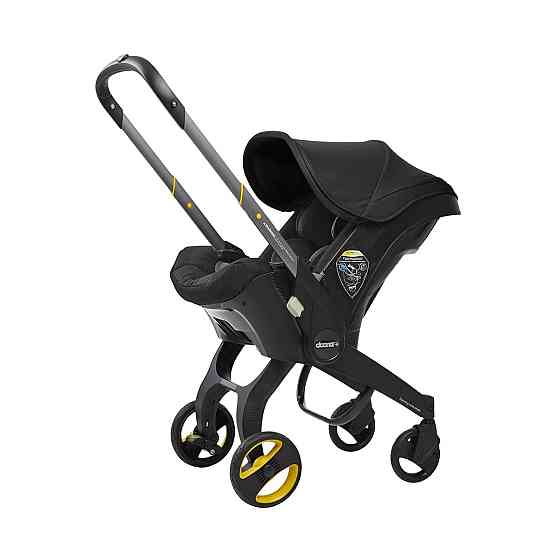
Infant car seats are often awkward because the weight is offset from the body and the handle encourages one-sided carrying. When possible, carry the seat in front of the body with both hands, keep it close, or use a stroller-compatible solution that is approved by the manufacturer. Avoid swinging the seat onto one forearm or carrying it for long distances. A second adult, a luggage-style cart approved for the seat, or a different transfer plan may reduce unnecessary load.
Manage Repetition, Fatigue, and the Care Environment
Physical strain is influenced by total daily exposure, not only by individual lifting form. Group tasks when safe, place feeding and diapering supplies within easy reach, and use a chair with back and arm support for longer holding periods. If you are working at a low surface, change position frequently rather than remaining folded forward.
Sleep disruption can impair coordination, reaction time, and postural control. When you are profoundly tired, avoid carrying a baby while using stairs or handling hot liquids unless necessary. If you feel dizzy, faint, unusually weak, or unable to maintain a secure hold, place the baby in a safe location and obtain assistance.
Caregivers recovering from cesarean delivery, significant perineal injury, pelvic floor dysfunction, abdominal wall symptoms, or other medical conditions may need individualized restrictions and a graded return to lifting. General ergonomic advice cannot replace postoperative or postpartum instructions. Follow the guidance of your obstetric clinician, primary care clinician, physiotherapist, or other relevant professional.
Consider the whole workflow. A changing bag with a wide, adjustable strap may be easier to manage than a heavy one-sided bag. A stroller can reduce carrying time when used safely. A second caregiver can handle the car seat while you manage the baby, or vice versa. Accepting practical help is a legitimate injury-prevention strategy, not a failure of caregiving.
Recognize When to Seek Medical Assessment
Mild muscular fatigue that improves with rest and position changes may be manageable, but persistent or recurrent pain deserves attention. Arrange an assessment if symptoms interfere with sleep, feeding, walking, lifting, or routine baby care; if they progressively worsen; or if they do not improve after modifying the activity.
Urgent medical evaluation is appropriate for new or severe weakness, loss of bowel or bladder control, numbness in the saddle region, significant trauma, fever with severe back pain, chest pain, shortness of breath, fainting, or a limb that becomes markedly swollen or discolored. These features may indicate a problem requiring prompt evaluation and should not be attributed automatically to carrying the baby.
For hand and wrist symptoms, seek advice when pain, swelling, catching, loss of grip strength, or persistent numbness develops. For postpartum caregivers, consult a clinician about pelvic pressure, urinary or fecal leakage, worsening incision pain, vaginal bleeding that is heavier than expected, or abdominal bulging associated with exertion.
A clinician can assess the pattern of symptoms and, when appropriate, refer you to physical therapy or occupational therapy. Treatment may involve education, activity modification, targeted rehabilitation, and equipment changes rather than simply avoiding all lifting. Until assessed, reduce the provoking load, keep movements controlled, and use assistance for tasks that feel unstable or painful.
When to Stop and Seek Help
- Do not continue lifting if you feel faint, unsteady, or unable to maintain a secure hold.
- Seek urgent care for severe weakness, new bowel or bladder problems, saddle numbness, chest pain, or shortness of breath.
- Contact a clinician for persistent pain, progressive symptoms, loss of grip, or postpartum pelvic floor or incision concerns.
- Never compromise the baby’s airway visibility or head and neck support to improve caregiver comfort.
Tools & Assistance
- A physical therapist with postpartum, pelvic health, or musculoskeletal expertise
- An occupational therapist for task modification and adaptive equipment
- A certified child passenger safety technician for car seat handling and installation guidance
- A manufacturer-approved infant carrier fitting service or demonstration
- A stable stroller or approved transport aid for longer distances
FAQ
Is it better to carry a baby on one hip or in front?
Neither position is universally best. Front carrying close to the torso may reduce leverage on the back, while hip carrying can be useful briefly. Alternate positions and sides, and stop if a position causes pain, numbness, weakness, or loss of balance.
How can I lift a baby from a crib without hurting my back?
Stand close, bend through the hips and knees, support the baby’s head and body as needed, bring the baby toward your torso before rising, and pivot with your feet instead of twisting. Keep the destination clear before beginning.
Can an ergonomic carrier prevent back pain?
A well-fitted carrier may improve load distribution, but it cannot guarantee prevention of pain. Carrier design, fit, duration, the baby’s size, and the caregiver’s health all affect comfort and physical demand.
Should I avoid lifting after childbirth?
Lifting guidance depends on the type of delivery, recovery, complications, symptoms, and clinical instructions. Follow your obstetric or primary care clinician’s recommendations and seek individualized advice if routine baby care is painful or difficult.
Sources
- PubMed Central — Physical and Physiological Consequences of Babywearing on Wearers: A Scoping Review
- Ohio State University Wexner Medical Center — Helping new parents avoid repetitive strain injuries
- Fort Valley Orthopedics — Proper Ergonomics for Moms, Dads and Caregivers
Disclaimer
This article provides general educational information and does not diagnose, treat, or replace advice from a qualified healthcare professional. Seek medical care for severe, persistent, worsening, or urgent symptoms.
















Please log in to leave a comment.