
Intro
Trying to improve egg quality can feel both hopeful and frustrating, especially when time, age, or fertility treatment decisions are part of the picture. Egg quality, or oocyte competence, refers to an egg’s ability to mature, be fertilized, support early embryo development, and contribute to a healthy pregnancy. While no lifestyle change can reverse ovarian aging or guarantee pregnancy, many natural strategies may support the biological environment in which eggs develop.
Eggs mature over several months before ovulation, and during that window they are influenced by oxidative stress, mitochondrial function, inflammation, endocrine balance, metabolic health, and environmental exposures. A thoughtful plan focused on nutrition, movement, sleep, stress regulation, and avoidance of toxins can be empowering. It is also important to discuss supplements and fertility goals with a reproductive endocrinologist, obstetrician-gynecologist, or qualified clinician, particularly if you are over 35, have irregular cycles, have endometriosis or PCOS, or are preparing for IVF.
Highlights
Egg quality is strongly affected by age, but the ovarian environment may still be supported through nutrition, metabolic health, and lower oxidative stress.
Antioxidant-rich foods, omega-3 fatty acids, adequate folate, and mitochondrial-supportive nutrients such as CoQ10 are among the most studied natural approaches.
Lifestyle changes usually need time; the egg maturation process takes roughly three months, so consistency matters more than short-term intensity.
Supplements can be helpful for some people, but they are not risk-free and should be reviewed with a healthcare professional before use.
Natural strategies are best viewed as supportive care, not a replacement for fertility evaluation when pregnancy is delayed.
Understanding egg quality: what can and cannot change
Egg is not a single lab value. Clinically, it is reflected through several outcomes: whether an oocyte matures appropriately, whether fertilization occurs, how embryos develop, and whether chromosomal segregation happens correctly. A major component is mitochondrial function, because oocytes require large amounts of energy for maturation, fertilization, and early embryo division. Oxidative stress, which occurs when reactive oxygen species exceed antioxidant defenses, can damage cellular membranes, DNA, and mitochondria.
Age remains the most important factor. As women and with ovaries get older, the number and chromosomal normality of eggs decline. Mayo Clinic notes that gradually decreases with age and more noticeably the mid-30s. Natural strategies cannot create new eggs or fully prevent age-related aneuploidy, but they may support the microenvironment and overall .
A practical way to think about improvement is not “making eggs young again,” but optimizing the conditions under which developing follicles mature. This includes stable blood sugar, sufficient micronutrients, y circulation, reduced toxic exposures, adequate sleep, and lower chronic inflammation.
Build a fertility-supportive eating pattern
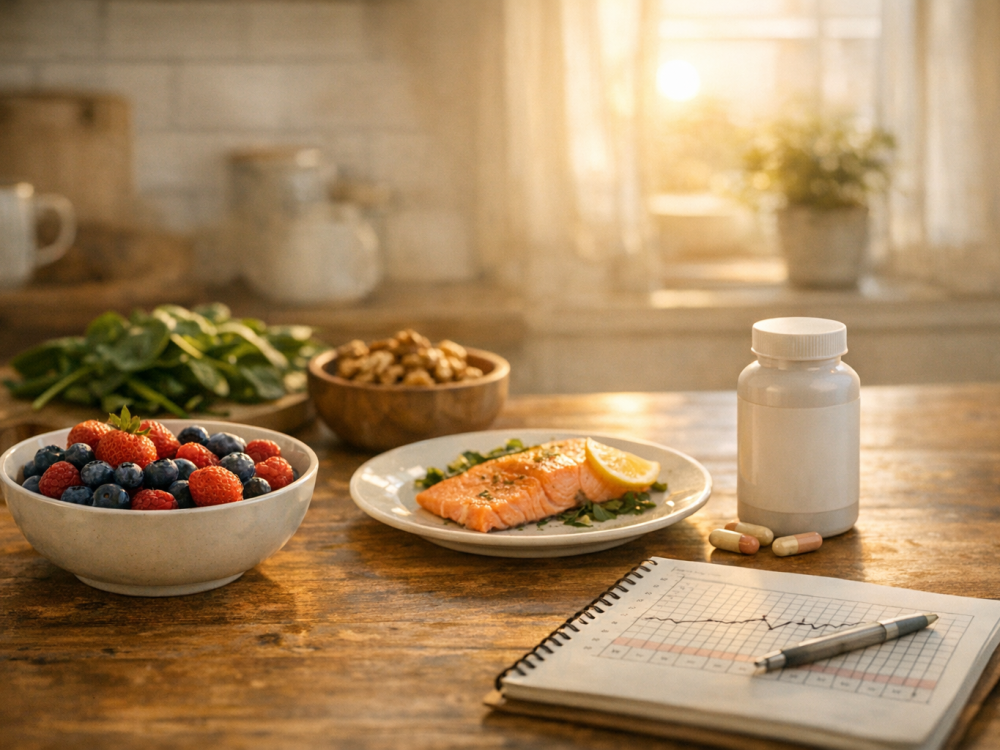
A nutrient-dense diet is one of the safest foundations for supporting egg . Scientific reviews on female emphasize antioxidant intake, omega-3 fatty acids, vitamins, minerals, and foods that reduce oxidative stress. Rather than focusing on one “fertility superfood,” aim for a consistent pattern that supports cellular energy and hormone balance.
- Colorful fruits and vegetables: Berries, citrus, leafy greens, peppers, tomatoes, and cruciferous vegetables provide vitamin C, carotenoids, polyphenols, and folate.
- Hehy fats: Fatty fish such as salmon, sardines, and trout provide omega-3 fatty acids. Extra-virgin olive oil, avocado, nuts, and seeds can support an anti-inflammatory dietary pattern.
- Quality protein: Eggs, fish, poultry, legumes, tofu, Greek yogurt, and lean meats help support follicular development and stable blood glucose.
- Whole grains and fiber: Oats, quinoa, brown rice, lentils, and beans help insulin sensitivity and the gut microbiome, both relevant to reproductive hormones.
- Iron, zinc, selenium, and iodine: These minerals contribute to , thyroid function, and antioxidant enzyme systems. Food sources include seafood, eggs, dairy, legumes, nuts, seeds, and appropriately iodized salt.
Limiting ultra-processed foods, trans fats, and high-sugar beverages may be particularly useful for people with insulin resistance or PCOS. Hydration also matters; dehydration will not directly “damage eggs,” but adequate fluid intake supports blood volume, cervical mucus, and overall metabolic function.
Key nutrients and supplements to discuss with your clinician
Several nutrients have been studied for oocyte quality, particularly in people preparing for assisted reproductive technology. A systematic review of randomized controlled trials found evidence that interventions such as CoQ10, melatonin, DHEA, and myo-inositol may improve some egg-quality-related outcomes, including maturation rates and embryo development in specific groups. However, study populations, doses, and outcomes vary, so supplementation should be individualized.
- Folate: A prenatal vitamin containing folic acid or methylfolate is commonly recommended to reduce the risk of neural tube defects. Your clinician can advise on dose, especially if you have risk factors or take certain medications.
- Coenzyme Q10: CoQ10 is involved in mitochondrial energy production. Because oocytes are highly energy-dependent, CoQ10 is often discussed for women over 35 or those with diminished ovarian reserve, but it should be reviewed for interactions and appropriateness.
- Omega-3 fatty acids: These may support an anti-inflammatory environment. Food sources are preferred, though supplements may be considered when intake is low.
- Vitamin D: Low vitamin D is common and has been associated with reproductive and metabolic heh. Testing is useful ]] high-dose supplementation.
- Myo-inositol: This is often used in PCOS to support insulin signaling and ovulatory function, but the right formulation and dose should be clinician-guided.
- Melatonin and DHEA: These are biologically active hormones or hormone-related compounds. They may be studied in settings, but they are not appropriate for everyone and should not be started without ]] supervision.
More is not always better. High doses of fat-soluble vitamins, iodine, selenium, or herbal ]] blends can cause harm. If you are undergoing IVF, taking thyroid medication, using anticoagulants, have endometriosis, have a history of hormone-sensitive cancer, or are already pregnant, professional guidance is especially important.
Support metabolic health, weight stability, and ovulation
Egg quality and are influenced by the broader environment. Insulin resistance, chronic inflammation, thyroid dysfunction, and significant weight extremes can all affect hormones. Aiming for stability is not about pursuing a specific body shape; it is about supporting predictable and hehier follicular fluid.
Regular physical activity improves insulin sensitivity, circulation, mood, and sleep. A balanced plan might include moderate aerobic activity, resistance training, and gentle mobility work. Excessive high-intensity exercise combined with low energy intake, however, and luteal function. If your cycles are irregular, very light, or absent, exercise and nutrition patterns should be reviewed with a clinician.
Body weight can matter at both ends of the spectrum. Higher body fat can be associated with insulin resistance and altered estrogen metabolism, the hypothalamic-pituitary-ovarian axis. Even modest, sustainable in diet, activity, and sleep markers without extreme dieting. If weight is emotionally sensitive or you have a history of disordered eating, ask for compassionate, weight-inclusive support from a -aware dietitian or physician.
Prioritize sleep and stress regulation
Stress does not mean you are “causing” infertility. That message is unfair and unsupported. Still, chronic stress physiology can influence sleep, inflammation, appetite regulation, libido, and endocrine signaling. The goal is not perfect calm; it is building recovery into your daily life while navigating a genuinely stressful experience.
Sleep is especially important because circadian rhythms interact with reproductive hormones and metabolic heh. Aim for a consistent sleep-wake schedule, morning light exposure, reduced late-night screen stimulation, and a cool, dark sleeping environment. If you snore, wake unrefreshed, or have insomnia, medical assessment may be worthwhile.
- Mind-body practices: Yoga, breathwork, meditation, prayer, journaling, or progressive muscle relaxation can help regulate the nervous system.
- Emotional support: Fertility counseling, peer support groups, or therapy can reduce isolation and help with decision fatigue.
- Boundaries: It is reasonable to limit conversations, social events, or online content that intensify distress during a fertility journey.
Small practices done consistently often help more than ambitious routines that feel like another burden.
Reduce exposures that may harm reproductive health
Environmental exposures are not fully controllable, and no one feel blamed for living in the modern world. Still, reducing able toxins is a practical step. Smoking is one of the clearest risks for reduced and earlier ovarian aging, and avoiding secondhand smoke is also important. Excess may impair ]], and many clinicians recommend minimizing or avoiding while .
- Avoid tobacco and vaping: Seek cessation support if needed; stopping is beneficial at any stage.
- Limit : If pregnancy is possible, ask your clinician is appropriate for you.
- Review caffeine: Moderate intake is commonly considered acceptable for many , but individual guidance is best.
- Choose safer food storage: Reduce heating food in plastic and consider glass or stainless steel containers.
- Minimize endocrine-disrupting chemicals: Fragrance-free products, careful use of pesticides, and checking personal-care ingredients may reduce exposure to phthalates, BPA, and related compounds.
- Use medications wisely: Some prescription and over-the-counter safety; review them .
These steps are risk-reduction strategies, not guarantees. Focus on the highest-impact changes first, especially smoking cessation, moderation, and occupational exposure review if you work solvents, radiation, anesthetic gases, heavy metals, or pesticides.
Give changes enough time and know when to seek help
Follicles develop over months, so specialists suggest giving nutrition and lifestyle interventions about 8 to 12 weeks when time allows. too long can be costly, particularly with advancing age or known conditions. can happen at the same time.
Consider seeking professional guidance if you are under 35 and for 12 months, 35 or older and trying for 6 months, or over 40 and planning pregnancy. Earlier assessment is also appropriate for irregular cycles, known endometriosis, recurrent pregnancy loss, pelvic inflammatory disease, prior ovarian surgery, chemotherapy exposure, suspected PCOS, thyroid disease, or a partner with possible sperm-factor in.
A fertility may include cycle history, ovarian reserve testing such as AMH and antral follicle count, thyroid and prolactin testing, assessment of tubal patency, and semen analysis for the partner when relevant. These tests do not define your worth or your chances completely, but they can help you choose the most effective .
When to be cautious
- Do not start DHEA, melatonin, high-dose vitamins, or herbal fertility products without clinician guidance.
- Seek fertility evaluation sooner if you are 35 or older, have irregular cycles, or have a history of endometriosis, PCOS, or recurrent miscarriage.
- Stop smoking and avoid secondhand smoke; tobacco exposure is strongly linked with poorer fertility outcomes.
- Do not delay indicated medical treatment in favor of natural strategies alone when time-sensitive fertility factors are present.
- If you may already be pregnant, review all supplements, medications, alcohol intake, and occupational exposures with a healthcare professional.
Tools & Assistance
- Preconception visit with an obstetrician-gynecologist or reproductive endocrinologist
- Registered dietitian consultation focused on fertility and metabolic health
- Cycle tracking with ovulation predictor kits, basal body temperature, or a validated app
- Smoking cessation support, counseling, or medication guidance when appropriate
- Laboratory review for thyroid status, vitamin D, iron status, and individualized fertility testing
FAQ
Can egg quality really be improved naturally?
Natural strategies may support the ovarian environment, mitochondrial function, and oxidative balance, but they cannot fully reverse age-related decline or guarantee pregnancy.
How long does it take to improve egg quality?
Because follicles mature over several months, many people focus on consistent changes for about 8 to 12 weeks. Do not postpone medical evaluation if age or symptoms suggest urgency.
Is CoQ10 safe for everyone trying to conceive?
CoQ10 is commonly discussed for fertility support, but safety depends on your health history, medications, and fertility treatment plan. Ask your clinician before starting it.
What is the best diet for egg quality?
A Mediterranean-style pattern rich in vegetables, fruits, whole grains, legumes, nuts, olive oil, fish, and adequate protein is a strong, evidence-aligned foundation.
Does stress cause poor egg quality?
Stress should not be blamed as the cause of infertility. However, stress management may improve sleep, inflammation, coping, and overall reproductive wellbeing.
Sources
- PubMed (Advances in Nutrition) — Female Fertility and the Nutritional Approach: The Most Essential Aspects
- PubMed (Journal of Ovarian Research) — How to improve oocyte quality with nutrients: A systematic review of randomized controlled trials
- Mayo Clinic — Age and female fertility
Disclaimer
This article is for informational purposes only and does not replace medical advice, diagnosis, or treatment. Consult a qualified healthcare professional for personalized fertility and preconception guidance.















Please log in to leave a comment.