

Intro
Birth preparation is often described as a checklist, but in real life it is a balance of medical readiness, practical planning, and emotional flexibility. A thoughtful plan can reduce uncertainty, support shared decision-making, and help your birth team understand what matters most to you.
The most common mistakes are rarely caused by lack of care. They usually happen because families are given too much informal advice, not enough time to discuss clinical options, or an unrealistic expectation that birth can be fully predicted. The aim is not perfection; it is preparation that still works when labor changes direction.
Highlights
The safest birth preparation is flexible, medically informed, and discussed with the maternity team before labor begins.
A birth plan is most useful when it records priorities, consent preferences, and contingency thinking rather than a fixed script.
Practical details such as transport, childcare, hospital bags, medicines, and postpartum support often matter as much as labor techniques.
Structured antenatal education can help families understand pain relief, birth settings, newborn care, and when to seek urgent help.
Treating the birth plan as a script
A birth plan is often mistaken for a contract with labor. In practice, it is better understood as a communication tool: a concise record of preferences, values, and questions that helps clinicians provide individualized care. The mistake is not having preferences; the mistake is making them so rigid that any deviation feels like failure.
Labor physiology is dynamic. Fetal heart rate concerns, prolonged labor, meconium-stained fluid, hypertensive disease, infection risk, malpresentation, or maternal exhaustion can all change the risk-benefit balance. A plan that includes flexible birth preferences allows you to state what matters most while leaving room for evidence-based recommendations.
Useful preparation includes discussing your preferences with your midwife or obstetric team before labor, especially if you have previous cesarean birth, significant medical conditions, pregnancy complications, or strong views about interventions. Consider documenting preferred birth companions, communication needs, examination preferences, mobility, monitoring, pain relief, assisted vaginal birth, cesarean birth contingency planning, skin-to-skin contact, and newborn feeding preferences. The goal is shared decision-making, not predicting every clinical turn.
Leaving the birth setting decision too late
Another common mistake is postponing the decision about where to give birth until the final weeks. Birth setting is not just a personal comfort choice; it affects available pain relief, monitoring options, transfer logistics, and the type of clinicians immediately present. Depending on pregnancy history and local services, options may include home birth, a midwife-led unit, a birth center, or an obstetric unit.
A birth setting and transport plan should include how you will get there, who will drive or accompany you, where to park, who will care for other children or dependents, and what happens if labor starts quickly or at night. If planning birth outside an obstetric unit, ask about transfer pathways and typical reasons for escalation. This is not pessimism; it is practical safety planning.
Keep the maternity triage telephone number visible, saved in phones, and shared with your support person. If you are unsure whether symptoms require assessment, contacting maternity triage is usually safer than waiting for labor to become obvious.
Relying only on informal birth stories
Family stories and online experiences can be emotionally powerful, but they are not a substitute for structured antenatal education. A frequent mistake is absorbing dramatic narratives without learning the underlying anatomy, physiology, and clinical decision points. This can leave people frightened by normal sensations or surprised by common procedures such as vaginal examinations, fetal monitoring, intravenous access, induction methods, or perineal repair.
Antenatal classes can help translate medical information into practical confidence. They commonly cover labor stages, coping strategies, pain relief choices, birth planning, early baby care, feeding, and emotional preparation. They also create space to ask questions before contractions, fatigue, and urgency make information harder to process.
Medically literate parents may still benefit from classes because knowledge from textbooks or clinical work is not the same as preparing as the patient. If you have specific risks, supplement general classes with individualized discussions with qualified maternity professionals. Preparation should reduce fear without creating false certainty.
Preparing for pain relief too narrowly
Some people prepare only for an unmedicated birth, while others assume an epidural will be immediately available and solve every difficulty. Both approaches can leave gaps. Labor pain is influenced by cervical dilation, fetal position, contraction pattern, anxiety, exhaustion, previous trauma, and support quality. A broader plan is more resilient.
Good preparation includes understanding labor pain relief options such as breathing techniques, movement, water immersion where available, massage, TENS, nitrous oxide, opioids, regional analgesia, and anesthesia for operative birth. Nonpharmacologic coping strategies can be valuable even if you ultimately choose medication, because there may be waiting time, contraindications, rapid labor, or a need to cope during early labor at home.
If you have scoliosis, previous spinal surgery, bleeding disorders, anticoagulant medication, complex cardiac disease, severe obesity, or major anxiety about neuraxial anesthesia, ask whether an antenatal anesthesia consultation is appropriate. Do not stop or change prescribed medicines without clinician guidance. The best plan is a ladder of options, with clear consent preferences and realistic backup choices.
Forgetting newborn and immediate post-birth decisions
Many birth plans focus almost entirely on contractions and delivery, then become vague at the moment when newborn care begins. Immediate post-birth preferences may include skin-to-skin contact, delayed cord clamping where clinically appropriate, who announces the baby’s sex if relevant, vitamin K discussion, feeding support, and what should happen if the baby needs assessment away from the birthing parent.
It is also easy to underestimate how quickly clinical attention can shift after birth. The placenta must deliver, bleeding is monitored, perineal or surgical wounds may need repair, and the newborn is observed for breathing, temperature, feeding, and adaptation. Asking in advance how your unit manages routine newborn care can make these moments feel less confusing.
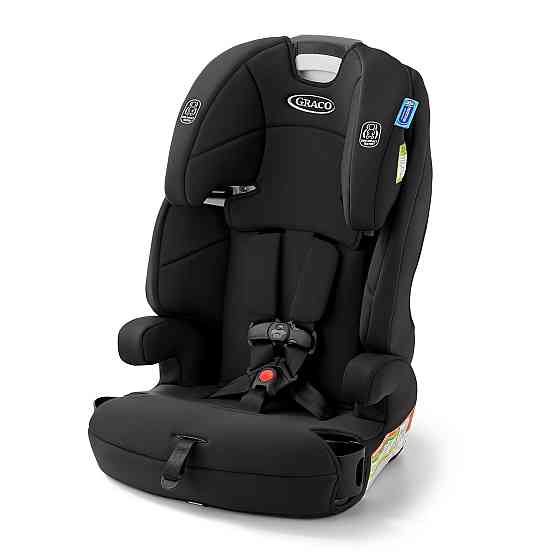
Newborn feeding preferences deserve practical detail. If planning to breastfeed, ask what support is available for positioning, latch, hand expression, and early feeding cues. If planning formula feeding or mixed feeding, ask about safe preparation and what to bring. A newborn safe sleep plan and a rear-facing infant car seat are also part of birth preparation, not afterthoughts.
Packing bags but not preparing recovery
A packed hospital bag is useful, but it is only one part of readiness. People often remember baby clothes and snacks but forget the medication and allergy list, maternity notes if used locally, glasses or contact supplies, chargers, comfortable clothing, sanitary pads, feeding supplies, and documents needed for admission or registration. A birth preparation checklist can prevent last-minute decisions when labor begins.
The larger mistake is preparing for the hospital while neglecting the first two postpartum weeks. Recovery may involve perineal pain, cesarean wound care, lochia, breast engorgement, constipation, sleep disruption, mood changes, and frequent feeding. A postpartum support plan should identify who can bring meals, help with older children, monitor emotional wellbeing, and support rest without taking over decisions.
Set up a postpartum recovery station at home with pads, prescribed or clinician-approved medicines, water, easy food, feeding supplies, and emergency contact details. If you have risk factors for postpartum hemorrhage, infection, hypertension, thrombosis, or severe mood symptoms, ask your care team what warning signs require urgent maternity assessment.
Not aligning the support team
Birth support is most helpful when everyone understands their role. A common mistake is assuming a partner, relative, or doula will automatically know how to advocate, comfort, and communicate under pressure. Labor can be intense for supporters too; they may become anxious, deferential, or unsure when clinical language becomes technical.
Before labor, review your priorities together. Discuss who will speak if you are concentrating through contractions, what information you want before consenting to procedures, what helps you feel calm, and what words or actions are unhelpful. If you have a history of trauma, previous difficult birth, pregnancy loss, or medical anxiety, consider telling your care team what language, positioning, examinations, or privacy measures may help you feel safer.
Support alignment also includes boundaries. Decide who will be updated, who should not visit, and how phones or photos will be handled. Your support person should know where the hospital bag is, how to reach maternity triage, and when to seek help if symptoms change. Good advocacy is calm, informed, and collaborative with the clinical team.
Seek urgent advice
- Contact maternity triage urgently for reduced fetal movements, vaginal bleeding, severe abdominal pain, or suspected ruptured membranes before term.
- Seek immediate medical advice for severe headache, visual symptoms, chest pain, shortness of breath, seizures, or sudden swelling.
- Do not delay care because a birth plan says to stay home, avoid monitoring, or avoid intervention.
- Ask your clinician before changing medicines, supplements, anticoagulants, or activity restrictions.
- Use your local emergency number for collapse, heavy bleeding, or any life-threatening concern.
Tools & Assistance
- Discuss birth preferences at an antenatal appointment
- Book a structured antenatal class through local maternity services
- Save the maternity triage telephone number in all support phones
- Prepare a written medication and allergy list
- Create a postpartum support schedule before 37 weeks
FAQ
Is it a mistake to write a detailed birth plan?
No. Detail can be helpful if it supports communication. Problems arise when the plan is treated as fixed despite changing maternal or fetal clinical needs.
When should birth preparation start?
Many families begin practical planning in the second trimester and refine details in the third. Earlier planning is especially useful for high-risk pregnancies or previous difficult births.
Are antenatal classes still useful for medically knowledgeable parents?
Often, yes. They focus on lived preparation, local pathways, support roles, baby care, and decision-making during labor, not just medical facts.
What should I do if my preferences conflict with medical advice?
Ask the clinician to explain the indication, benefits, risks, alternatives, and urgency. Shared decision-making should be individualized, but urgent safety concerns may require rapid recommendations.
Should I plan for cesarean birth even if I want a vaginal birth?
Yes. Contingency planning does not make cesarean birth more likely; it helps you understand consent, anesthesia, recovery, and newborn care if it becomes medically recommended.
Sources
- NHS — Preparing for labour and birth - Best Start in Life
- NHS — What to include in your birth plan - Best Start in Life
- NHS — Antenatal classes
Disclaimer
This article is for general educational information and does not replace individualized medical advice. Always consult your midwife, obstetrician, or local maternity triage service about symptoms, medicines, risks, and birth planning decisions.

















Please log in to leave a comment.