

Intro
Preparing for childbirth is not about predicting every detail of labor or creating a perfectly controlled experience. It is about making thoughtful decisions in advance so that you, your support people, and your healthcare team can respond calmly as circumstances change. Practical preparation can also reduce cognitive load during a physically demanding and emotionally significant time.
This guide covers clinical communication, birth preferences, transport, finances, home arrangements, supplies, emotional readiness, and the early postpartum period. Use it as a framework to discuss your individual circumstances with your obstetrician, midwife, family physician, or maternity unit.
Highlights
A flexible plan is more useful than a rigid script because labor, fetal status, maternal health, and local protocols can affect recommendations.
Confirm where to go, whom to call, how to travel, and what to do if labor begins unexpectedly or an urgent concern develops.
Prepare essential documents, medications, comfort items, newborn supplies, and practical support before the final weeks of pregnancy.
Discuss pain relief, monitoring, feeding, newborn care, and possible interventions with your healthcare team in advance.
Start with individualized medical planning
Begin by reviewing your pregnancy history and anticipated delivery needs with your maternity clinician. The appropriate place of birth may depend on gestational age, fetal presentation, placental location, prior uterine surgery, multiple gestation, hypertension, diabetes, bleeding, fetal growth concerns, or other maternal and fetal factors. Ask which facility is recommended, whether it has the level of neonatal and obstetric care you may need, and when you should contact the unit.
Clarify the practical details of your care pathway: the maternity triage or labor-and-delivery telephone number, the entrance to use at night, registration requirements, visitor policies, and whether preadmission paperwork is available. Ask how to report contractions, rupture of membranes, reduced fetal movement, vaginal bleeding, severe headache, visual disturbance, chest pain, shortness of breath, or other urgent concerns. Your clinician should explain which situations require immediate assessment rather than waiting for a routine appointment.
Review current medications, allergies, supplements, immunizations, relevant medical records, and any anesthesia or transfusion history. Keep a concise medication and allergy list in your phone and hospital bag. If you have a planned cesarean birth, induction, anticoagulant use, or another specific pathway, ask about fasting, medication timing, laboratory testing, and arrival instructions. Do not change prescribed treatment without professional guidance.
Create flexible birth preferences and learn your options
A birth plan is best understood as a communication document rather than a guarantee. It can describe preferences for mobility, monitoring, support people, pain management, position changes, vaginal examinations, intravenous access, delayed cord clamping where clinically appropriate, immediate skin-to-skin contact, feeding intentions, and newborn procedures. Include what matters most to you, such as maintaining privacy, receiving explanations before procedures, or having a support person present.
Discuss the range of labor pain relief options available at your facility, including nonpharmacologic techniques, inhaled analgesia where offered, systemic medications, and neuraxial analgesia such as an epidural. Ask about timing, contraindications, monitoring requirements, expected effects, and what happens if an unplanned intervention becomes necessary. Understanding these options can help you make informed decisions without committing to one approach in advance.
Include preferences for assisted vaginal birth, cesarean birth, induction, or changes in fetal or maternal status by stating that you want clear explanations and shared decision-making whenever time permits. Give copies to the maternity team and support people, and keep the document brief enough to be read quickly. A useful Birth preparation checklist for moms can supplement, but not replace, individualized clinical counseling.
Organize transport, communication, and contingency plans
Make a primary and backup plan for reaching the birth facility. Confirm who will drive, how to access transportation at night, where to park or enter, and how long the journey usually takes in typical and adverse traffic. If you live far from the facility, ask your clinician whether staying closer to the hospital near term is advisable. Keep the vehicle fueled and place the packed bag where it can be retrieved quickly.
Arrange care for other children, dependents, or pets. Identify at least one backup person in case your first contact is unavailable. Share the maternity unit’s phone number, your address, and key instructions with the people who may help. If language, disability, hearing, mobility, or accessibility needs could affect communication, discuss available services with the facility ahead of time.
Consider financial and administrative preparation. Check insurance or public-health coverage, expected fees, referral requirements, and available payment assistance. Gather identification, insurance information, prenatal records if requested, birth registration details, and any legal or custody documents relevant to your circumstances. Planning for expenses and transport is part of emergency readiness, not an indication that complications are expected.
For those considering out-of-hospital birth, an appropriately qualified provider should explain eligibility, monitoring, equipment, emergency transfer arrangements, and newborn assessment. A clearly rehearsed home birth transfer plan is essential if that setting is chosen. Discuss the plan with the relevant healthcare professionals and understand when transfer is recommended.
Pack the hospital bag and essential documents
Pack several weeks before the estimated due date, or earlier if your clinician considers preterm birth or admission more likely. Keep the bag accessible and label items if another person may need to find them. Facilities differ in what they provide, so ask about gowns, infant clothing, diapers, breast pumps, formula, sanitary products, and toiletries before buying duplicates.
For the birthing parent, consider comfortable loose clothing, a robe or front-opening top, supportive underwear, maternity pads if requested, non-slip footwear, toiletries, lip moisturizer, hair ties if desired, glasses and their case, phone and charger, and any approved medications. Bring water or snacks only if permitted by your clinical team. Comfort measures such as a pillow, music, headphones, massage tool, heat pack approved by the facility, or a focal object may be useful.
For the newborn, pack several weather-appropriate outfits, diapers if the facility does not supply them, a blanket suitable for the climate, and an approved rear-facing car seat installed according to the manufacturer’s instructions. Avoid loose pillows, positioning devices, or unsafe sleep products. The support person may need identification, snacks, a change of clothes, medication, and a charger.
Keep documents together in a waterproof folder or digital backup. Include identification, insurance information, prenatal records if needed, your birth preferences, medication and allergy list, emergency contacts, and relevant clinician telephone numbers. The NHS hospital bag checklist is a useful starting point for adapting the list to your local maternity unit.
Prepare the home for recovery and newborn care
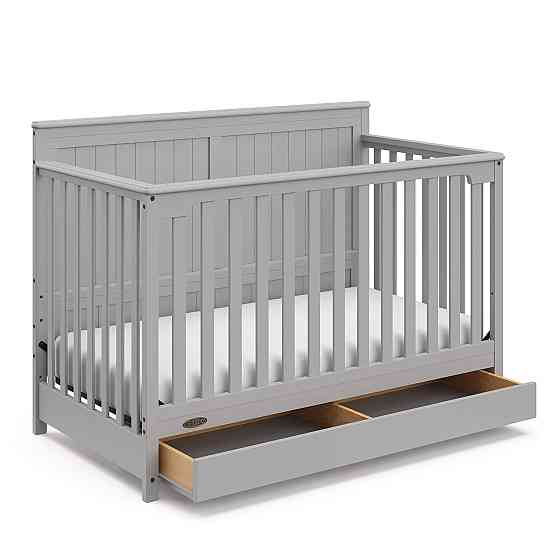
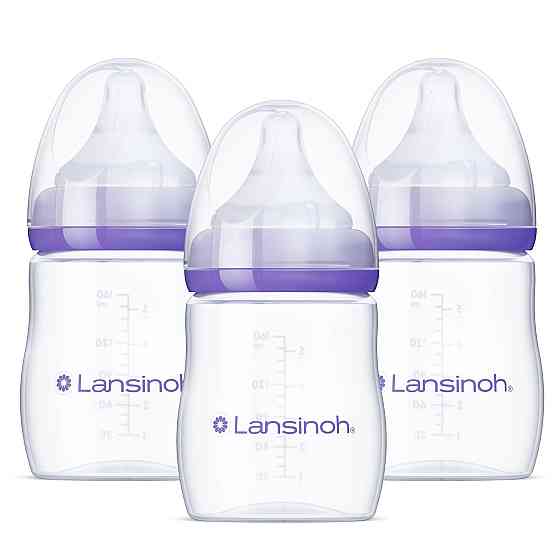
Household preparation before labor should focus on function rather than perfection. Arrange a safe newborn sleep space with a firm, flat mattress and no loose bedding, pillows, or soft objects. Place frequently used supplies within easy reach of the main recovery area: water, approved medications, snacks, feeding supplies, burp cloths, diapers, wipes, sanitary products, comfortable clothing, and phone chargers.
Stock a modest amount of easy-to-prepare food and arrange help with shopping, cooking, laundry, cleaning, transportation, and appointments. Discuss how visitors will be managed, including limits that protect rest and reduce infection exposure. If you have pets, plan feeding and care. If other children are at home, prepare familiar routines and identify who can provide hands-on support.
Plan for postpartum recovery as well as the birth itself. Ask your clinician what bleeding, incision or perineal discomfort, fever, urinary difficulties, breast symptoms, mood changes, and blood-pressure concerns should prompt a call. Arrange follow-up care for both parent and baby, and identify how to access lactation support, mental-health care, pelvic health services, or community programs if needed.
Do not feel pressured to purchase every marketed newborn product. Prioritize safe sleep, feeding support, hygiene, transportation, and reliable human assistance. A calm, adequately supported home is more valuable than a fully decorated nursery.
Support physical and emotional readiness
Unless your healthcare professional has advised restrictions, gentle pregnancy-appropriate movement, hydration, rest, and balanced nutrition can support general well-being. Ask before beginning new exercise, particularly if you have bleeding, placenta previa, cervical insufficiency, cardiopulmonary disease, hypertensive disease, or other complications. Prenatal education may cover breathing, relaxation, labor positions, pelvic mobility, birth physiology, newborn care, and cardiopulmonary resuscitation for infants.
Emotional preparation can include discussing fears, previous traumatic experiences, mental-health conditions, or concerns about pain and loss of control with your clinician. A trauma-informed plan might specify consent before examinations, clear explanations, a preferred support person, and grounding strategies. If anxiety, depression, panic, intrusive thoughts, or traumatic memories are interfering with sleep or daily functioning, seek professional support promptly.
Agree on how your support person can help: offering water if allowed, communicating preferences, providing physical comfort, taking notes, protecting rest, and asking the team to explain unfamiliar terms. Support people should also know that their role is not to make medical decisions unless formally designated. Discuss who can speak for you if you become unable to communicate and complete any relevant advance-planning documents permitted in your jurisdiction.
Preparation does not determine whether birth will be vaginal, operative, medicated, unmedicated, spontaneous, or induced. It helps you remain informed and supported across possible pathways. The goal is not a perfect birth but safe, respectful care for you and your newborn.
Seek urgent professional advice when needed
- Call your maternity unit or emergency services for heavy vaginal bleeding, severe abdominal pain, collapse, or difficulty breathing.
- Seek urgent assessment for markedly reduced or absent fetal movement according to your maternity team’s instructions.
- Contact a healthcare professional promptly for suspected rupture of membranes, regular painful contractions, fever, or concerning fluid color or odor.
- Severe headache, visual changes, sudden swelling, chest pain, or right-upper-abdominal pain may require urgent evaluation.
- Do not delay emergency care while assembling belongings, arranging routine childcare, or waiting for a planned appointment.
Tools & Assistance
- Maternity triage or labor-and-delivery telephone number saved in your phone
- Printed medication, allergy, medical-history, and emergency-contact list
- Primary and backup transport arrangements with a rehearsed route
- Hospital bag, newborn car seat, and essential documents prepared in advance
- Postpartum support schedule covering meals, childcare, household tasks, and follow-up visits
FAQ
When should I start preparing for childbirth?
Begin practical planning in the second or early third trimester and complete the hospital bag, transport plan, documents, and support arrangements before the final weeks. Start earlier if your clinician identifies a higher likelihood of preterm birth, induction, or planned admission.
Do I need a formal birth plan?
A formal document is optional, but writing down priorities can improve communication. Keep it concise and flexible, and review it with your healthcare team so preferences are compatible with your clinical circumstances and facility policies.
What should I bring to the hospital?
Bring identification and requested medical or insurance documents, medications and allergy information, comfortable clothing, toiletries, chargers, comfort items, newborn clothing, and an appropriately installed rear-facing car seat. Confirm the facility’s own checklist because supplies vary.
How can my support person prepare?
They can learn the route, know when and whom to call, understand your preferences, help organize documents and bags, arrange childcare or pet care, and provide emotional support. They should also understand that clinical decisions remain with you and the healthcare team.
What if labor begins before I am ready?
Follow the instructions provided by your maternity team and call the appropriate unit for guidance. If there is heavy bleeding, severe pain, collapse, breathing difficulty, or another emergency, contact emergency services immediately rather than focusing on routine preparations.
Sources
- World Health Organization — Making plans for childbirth when pregnant
- National Health Service — Preparing for labour and birth - Best Start in Life
- National Health Service — Hospital bag checklist - Best Start in Life
Disclaimer
This article provides general educational information and does not replace individualized advice, diagnosis, or treatment from a qualified healthcare professional. Contact your maternity team or emergency services for urgent concerns.
















Please log in to leave a comment.