
Intro
Healing after birth is not a competition between two kinds of delivery. Vaginal birth and cesarean section both require real physical recovery, and both can involve pain, bleeding, fatigue, hormonal shifts, feeding challenges, and emotional processing.
The main difference is where the body has absorbed the greatest trauma: the perineum, pelvic floor, cervix, and vaginal tissues after vaginal birth; the uterus, abdominal wall, surgical incision, and deeper tissues after a C-section. Understanding those differences can help you set realistic expectations and know when to ask for medical help.
Highlights
Vaginal birth recovery often centers on perineal soreness, pelvic floor symptoms, hemorrhoids, urinary changes, and postpartum bleeding.
C-section recovery includes normal postpartum healing plus recovery from abdominal surgery, including incision care and activity limits.
Bleeding, uterine cramping, breast changes, constipation, and mood shifts can happen after either type of birth.
Severe pain, heavy bleeding, fever, wound changes, chest pain, shortness of breath, or thoughts of self-harm need prompt medical attention.
The safest recovery plan is individualized, especially after severe tearing, infection, hemorrhage, hypertensive disorders, or an unplanned surgical birth.
Two valid recoveries
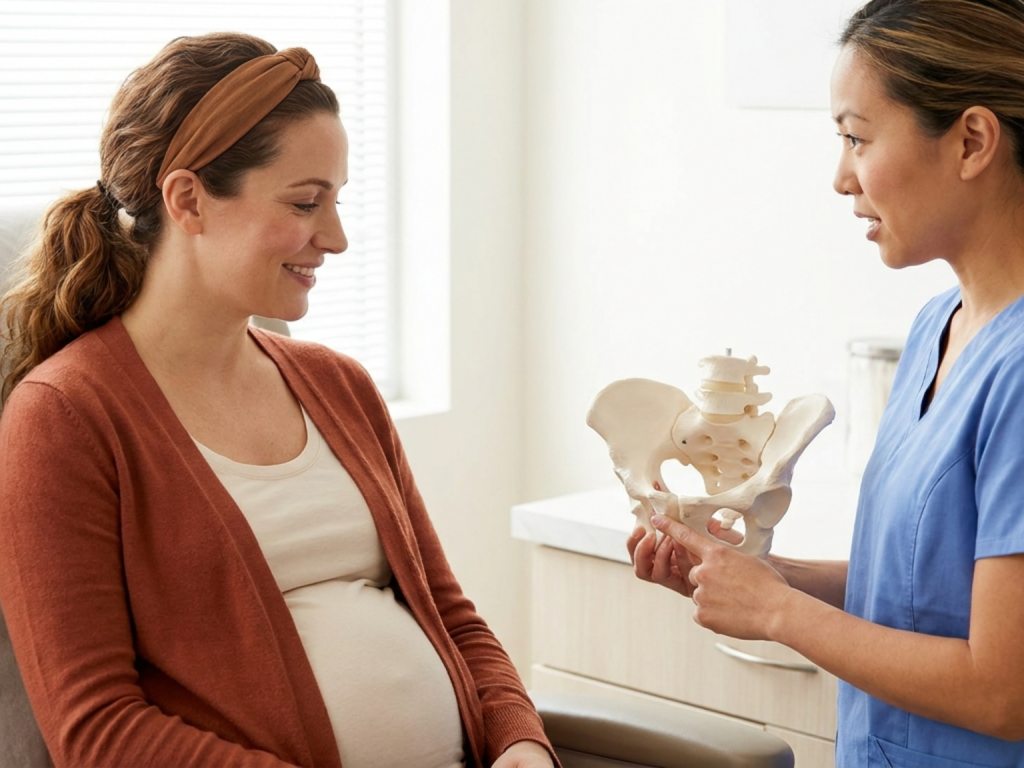
A vaginal birth and a cesarean section create different injuries, but neither is a minor event. After vaginal birth, recovery often focuses on the birth canal and pelvic floor: swelling, bruising, episiotomy or tear repair, hemorrhoids, and tenderness while sitting or urinating. After a C-section, healing includes all the usual postpartum changes plus recovery from major abdominal surgery, with a uterine incision, abdominal incision, fascial healing, and more pronounced limits on lifting and core strain.
A Vaginal vs C-section comparison can be helpful for understanding delivery choices, but postpartum healing is more personal than a simple timeline. A straightforward vaginal birth with minimal tearing may feel manageable within days, while a long labor followed by vaginal delivery can leave significant pelvic, bladder, or musculoskeletal symptoms. Similarly, a planned cesarean may feel controlled for some people, while an emergency C-section after prolonged labor can combine pelvic soreness with surgical pain and emotional distress.
The better question is not which route is easier, but which tissues need protection now, which symptoms are expected, and which changes deserve clinician review.
Vaginal birth healing
After vaginal birth, the uterus contracts down toward its pre-pregnancy size and postpartum bleeding, called lochia, gradually changes from heavier red bleeding to lighter discharge. Cramping may increase during breastfeeding because oxytocin helps the uterus contract. Perineal discomfort is common, especially with tears, stitches, swelling, or an episiotomy. Ice packs early on, sitz baths, peri-bottle rinsing, and clinician-approved pain relief are commonly used comfort measures, but persistent or worsening pain should be assessed rather than ignored.
Pelvic floor symptoms can include heaviness, urinary leakage, trouble controlling gas or stool, constipation, pain with bowel movements, or a sense that organs are pressing downward. These symptoms are common, but common does not mean they should be dismissed. Severe tears, operative vaginal birth, prolonged pushing, or preexisting pelvic floor symptoms may increase the need for earlier follow-up or pelvic floor physical therapy.
Healing also includes protecting the repair site. Avoiding constipation, using stool-softening strategies recommended by a clinician, and not rushing high-impact exercise can reduce strain on healing tissues. Sexual activity, tampons, and strenuous activity are usually delayed until medical clearance and personal readiness align.
C-section healing
Recovery after c-section involves layered healing: skin, subcutaneous tissue, fascia, abdominal muscles that were separated or manipulated, the uterine incision, and the internal inflammatory response after surgery. Incision soreness, fatigue, gas pain, difficulty rising from bed, and a pulling or burning sensation near the incision can occur early. Pain after a C-section should generally improve over time; pain that intensifies, is associated with fever, redness, drainage, odor, opening of the incision, or one-sided swelling needs prompt medical advice.
Incision care usually centers on keeping the area clean and dry, watching for infection, supporting the abdomen during coughing or laughing, and avoiding heavy lifting beyond clinician guidance. Walking short distances is often encouraged because it supports circulation and bowel function, but vigorous exercise, intense core work, and lifting heavy objects too early can stress healing tissue.
Postpartum bleeding still happens after cesarean birth because the uterine lining must heal where the placenta detached. Breastfeeding after c-section is also possible, although positioning may need adjustment to avoid incision pressure. Side-lying, football hold, or pillow-supported positions can reduce abdominal strain while feeding and bonding are being established.
Shared postpartum changes
Some postpartum experiences are not determined by birth route. Hormonal shifts, night sweats, breast engorgement, nipple soreness, constipation, hemorrhoids, sleep deprivation, and emotional lability can happen after both vaginal and cesarean birth. The placenta has separated from the uterus in both scenarios, so bleeding and uterine cramping remain part of healing. The body is also recalibrating blood volume, fluid balance, glucose metabolism, and inflammatory responses.
Pain control should be discussed with a healthcare professional, especially when breastfeeding, managing medication allergies, or recovering from complications. Many postpartum plans use a stepwise approach, combining non-medication measures with clinician-approved medications when appropriate. The goal is not to be stoic; uncontrolled pain can impair mobility, breathing, sleep, feeding, and mood.
Mobility is another shared issue, though the limits differ. Gentle movement helps reduce stiffness and supports circulation, but the body is still recovering from pregnancy and delivery. A person who feels physically capable may still have tissues that are vulnerable to overload. Conversely, someone with significant pain or weakness should not feel they have failed. Recovery is influenced by labor length, blood loss, anemia, infection, sleep, nutrition, mental health, support, and previous medical history.
Activity and pelvic floor
Activity after birth should progress gradually. In the first days, priorities are basic mobility, hydration, eating, urinating, bowel movements, infant care, and rest whenever possible. After vaginal birth, the pelvic floor may need protection from heavy lifting, straining, jumping, running, and prolonged standing, particularly if there was tearing or pelvic pressure. After cesarean birth, abdominal bracing and incision protection matter; rolling to the side before sitting up can reduce strain.
Pelvic floor recovery is relevant after both delivery routes. Pregnancy itself loads the pelvic floor for months, and labor may add further strain even if birth ultimately occurs by cesarean. Symptoms such as urine leakage, pelvic heaviness, painful intercourse, fecal urgency, or persistent tailbone and pubic pain are reasons to discuss pelvic floor therapy or additional evaluation. A healed incision or closed tear does not automatically mean deep muscle coordination has returned.
Return to exercise is best viewed as staged rehabilitation rather than a deadline. Walking, diaphragmatic breathing, gentle mobility, and posture work often come before higher load training. Clearance at a postpartum visit is useful, but individual symptoms should still guide pacing.
Warning signs and follow-up
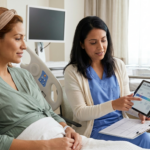
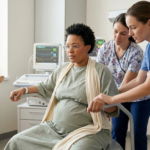
Postpartum follow-up is part of treatment, not just a formality. A clinician can assess bleeding, blood pressure, mood, feeding concerns, incision or perineal healing, contraception, pelvic symptoms, and recovery from pregnancy complications. People with hypertensive disorders, diabetes, infection, hemorrhage, severe tears, complex surgery, or significant mood symptoms may need earlier or more frequent contact than a routine visit.
Seek urgent medical care for heavy bleeding that soaks pads quickly, large clots with dizziness, fainting, chest pain, shortness of breath, seizures, severe headache, vision changes, fever, worsening abdominal or pelvic pain, foul-smelling discharge, painful red breast areas with fever, calf swelling or pain, or thoughts of harming yourself or the baby. After C-section, incision spreading redness, pus, separation, or increasing tenderness deserves prompt review.
Emotional recovery matters as much as physical recovery. An unplanned cesarean, traumatic vaginal delivery, severe pain, breastfeeding difficulties, or feeling dismissed can leave lasting distress. Asking for help is appropriate medical care. Healing is not proven by tolerating symptoms quietly; it is supported by timely evaluation, rest, practical help, and care that takes the whole postpartum person seriously.
When to seek help
- Heavy bleeding, dizziness, fainting, or clots larger than expected should be assessed urgently.
- Fever, worsening pain, foul-smelling discharge, or incision drainage can signal infection.
- Chest pain, shortness of breath, severe headache, vision changes, seizures, or one-sided leg swelling require urgent care.
- Incision opening, spreading redness, pus, or rapidly increasing tenderness after C-section should be reviewed promptly.
- Thoughts of self-harm, harming the baby, or feeling unsafe are medical emergencies.
Tools & Assistance
- Schedule postpartum follow-up with an obstetric clinician or midwife.
- Ask about pelvic floor physical therapy for leakage, heaviness, pain, or bowel control symptoms.
- Use a symptom log for bleeding, pain, fever, blood pressure concerns, mood, and incision or perineal changes.
- Request lactation support if feeding pain, positioning, supply concerns, or infant weight issues arise.
- Arrange practical help for meals, lifting, transportation, and older-child care during early recovery.
FAQ
Is C-section recovery always harder than vaginal birth recovery?
Not always. C-section recovery includes abdominal surgery, but vaginal birth recovery can be difficult after severe tearing, prolonged labor, pelvic floor injury, hemorrhage, or infection.
How long does bleeding last after birth?
Postpartum bleeding commonly changes over several weeks after either birth route. Heavy bleeding, dizziness, foul odor, fever, or sudden worsening should be discussed with a clinician.
Can pelvic floor symptoms happen after a C-section?
Yes. Pregnancy itself stresses the pelvic floor, and labor before cesarean can add strain. Leakage, heaviness, painful sex, or bowel control problems deserve evaluation.
When can exercise restart after birth?
Timing depends on delivery details, symptoms, and clinician guidance. Gentle walking is often introduced early, while high-impact exercise and core loading usually require a slower return.
What helps feeding after a C-section?
Positions that avoid incision pressure, such as side-lying or football hold, may help. Lactation support can be useful if pain, latch problems, or supply concerns occur.
Sources
- Mayo Clinic — C-section recovery: What to expect
- Mayo Clinic — Postpartum care: What to expect after a vaginal birth
- American College of Obstetricians and Gynecologists — Postpartum Care After Vaginal Birth
Disclaimer
This article is for general medical education only and is not a diagnosis or treatment plan. Always consult your obstetric clinician, midwife, or emergency services for symptoms, recovery concerns, or individualized care.








Please log in to leave a comment.