
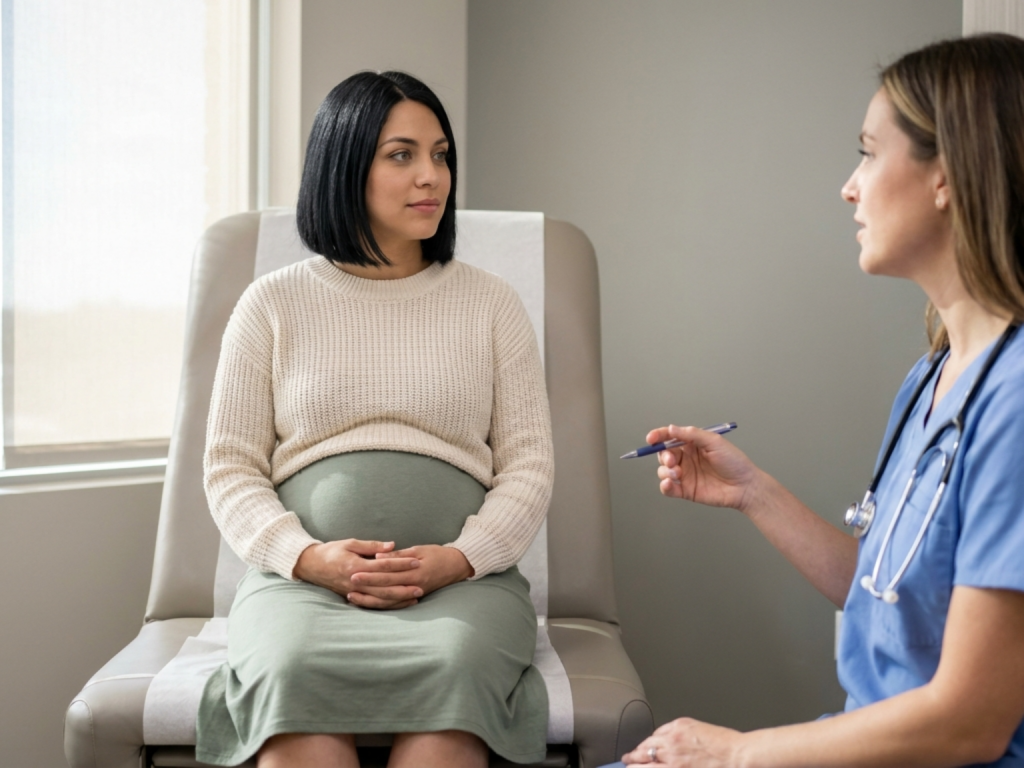
Intro
Changes in sexual desire are a normal part of pregnancy for many people, and they do not always follow a single pattern. Some notice a clear drop in interest, some experience a brief increase, and others move back and forth from week to week. These shifts can feel reassuring, confusing, or frustrating, especially when they happen in a pregnancy that is otherwise uncomplicated.
Libido is influenced by hormonal, vascular, physical, and emotional factors, as well as relationship context. In the medical literature, the broad pattern is often a lower desire in the first trimester, more variability and sometimes a rebound in the second trimester, and another decline in the third trimester. Understanding that this is common can make the experience feel less personal and less alarming.
Highlights
A first-trimester drop in sexual desire is common and often tracks nausea, fatigue, breast tenderness, and early pregnancy anxiety.
Many people describe a second-trimester libido rebound as energy improves and early symptoms ease, although not everyone follows that pattern.
Third-trimester sexual discomfort, pelvic pressure, and sleep disruption often reduce interest again, even when intimacy remains important.
Partner desire can change differently from the pregnant person’s desire, so mismatch does not automatically mean rejection or relationship failure.
Why libido changes across pregnancy
Pregnancy is not a static physiologic state, so it is unsurprising that sexual desire shifts as the body adapts. Libido is shaped by endocrine changes, sleep quality, nausea, pain, mood, self-image, and how physically comfortable a person feels in their body. In the first trimester, nausea and fatigue can dominate; later, abdominal growth, pelvic pressure, reflux, back pain, and sleep fragmentation may become more important.
Vascular changes also matter. Increased genital blood flow can sometimes enhance arousal and lubrication, yet the same physiologic changes do not guarantee higher desire. Emotional factors are equally relevant: some people feel more open to intimacy, while others feel more cautious, self-conscious, or distracted by the demands of pregnancy. Research also suggests that sexual desire in pregnancy can differ by context, with solitary desire and dyadic desire not always moving together.
That complexity is normal. A decrease in libido does not imply a problem with the pregnancy or the relationship by itself. Likewise, a temporary increase in desire does not mean that every pregnancy symptom has vanished. The best interpretation is usually descriptive rather than judgmental: the body is changing, and sexual desire is changing with it.
First trimester: why desire often drops
The first trimester is the phase most often associated with a lower sex drive. In longitudinal research, women’s desire is frequently lowest early in pregnancy, and intercourse frequency also tends to decline. This makes physiologic sense. Early pregnancy is often characterized by nausea, vomiting, food aversions, fatigue, breast sensitivity, and heightened smell sensitivity. Those symptoms can make arousal feel distant even when there is still emotional closeness.
Hormonal shifts may contribute as well. Rapid changes in estrogen, progesterone, and human chorionic gonadotropin can affect energy, mood, and appetite for intimacy. Many people also experience a sense of uncertainty in early pregnancy, especially if they have had prior pregnancy loss or are still adjusting to the idea of being pregnant. That can reduce the mental bandwidth available for sexual interest.
For some couples, partner concerns about fetal safety also play a role. The pregnant person may want sex less often, or the nonpregnant partner may hesitate to initiate because of worry about harming the pregnancy. In an uncomplicated pregnancy, this concern is common but often unnecessary; however, individualized medical advice matters. If sexual activity causes pain, bleeding, or significant distress, it is worth discussing with a clinician rather than assuming it is just part of pregnancy.
Second trimester: why many people notice a rebound
The second trimester is the period when libido often improves, and this is the source of the familiar second-trimester libido rebound. Nausea usually eases for many people, energy may return, and sleep can become a bit more restorative before late-pregnancy discomfort begins. That combination can make desire feel more accessible and can also make sexual activity feel less effortful. In studies, intercourse frequency and other sexual behaviors often show greater variability here than in the first or third trimester.
Another reason for the rebound is psychological. As the pregnancy becomes more established, some people feel less anxious and more confident in the changing body. Breasts and genitals may be more sensitive because of increased blood flow, which can support arousal and orgasm for some individuals. Some studies also note changes in fantasies and orgasmic experience, suggesting that sexual expression can broaden even when intercourse frequency does not rise dramatically.
Still, the second trimester is not universally a high-libido period. If a person is dealing with persistent nausea, pain, mood symptoms, or a stressful life situation, desire may remain low. The important point is that the second trimester often brings more room for choice: some people feel more sexual, some remain neutral, and some continue to prefer nonsexual intimacy only. All of those patterns can be normal.
Third trimester: why libido often falls again
By the third trimester, desire often decreases again. Research on sexual behavior in pregnancy consistently shows a marked decline in intercourse frequency and sexual functioning late in gestation. The reasons are usually practical rather than psychological alone. A larger abdomen can make movement and positioning awkward, pelvic pressure may be uncomfortable, and back pain, shortness of breath, reflux, and leg swelling can all reduce the sense that sex is worth the effort. The term third-trimester sexual discomfort captures a real cluster of symptoms that can interfere with interest as well as comfort.
Sleep disruption is another major factor. When nights are fragmented and daytime energy is low, libido commonly falls. Some people also become more aware of uterine activity, fetal movement, or braxton-hicks contractions, which can make sexual activity feel less relaxed. Anxiety about early labor, birth planning, or simply the approaching transition to parenthood may further dampen desire. This does not mean a person is less affectionate or less attracted to their partner; it often reflects the cumulative load of late pregnancy.
Sex is generally considered safe in uncomplicated pregnancy, but some situations require individualized restrictions. These can include placenta previa, unexplained vaginal bleeding, ruptured membranes, or a clinician’s concern for preterm labor. If any of those issues have been identified, sexual activity should follow the guidance of the obstetric team rather than general advice.
Partners, mismatch, and intimacy beyond intercourse
Desire changes do not occur in isolation. Partners may respond in very different ways, and studies show that partner patterns can diverge from the pregnant person’s pattern. One partner may feel more interested in sex, while the other is less interested or more cautious. That mismatch is common and usually reflects stress, fatigue, uncertainty, or evolving roles rather than a loss of affection.
This is where intimacy changes in pregnancy become especially important. Some couples benefit from reframing intimacy as a broader category that includes touch, cuddling, mutual massage, shared rest, and emotional reassurance. For many, partner support in pregnancy matters more than trying to restore a pre-pregnancy sex life. If one partner is exhausted or uncomfortable, reducing pressure can preserve closeness better than pushing for intercourse.
Communication is the key clinical skill here. Naming preferences, limits, and fears can reduce misunderstandings. For example, a partner may have partner concerns about fetal safety, while the pregnant person may feel physically fine but emotionally unready. Talking about what each person wants and what feels emotionally safe can prevent a desire gap from becoming a relationship conflict. When both partners feel heard, intimacy often becomes more flexible and less performance-driven.
What helps, and when medical advice is important
There is no obligation to have a particular level of libido in any trimester. Helpful strategies are usually practical: choose times when fatigue is lower, use comfortable sex positions in pregnancy if penetration is desired, allow more time for arousal, and consider nonpenetrative intimacy when that feels better. Some people also find that reducing stress around performance and focusing on tenderness rather than intercourse makes sexual connection easier.
Medical review is appropriate if pain with sex, bleeding, fluid leakage, regular contractions, or severe pelvic pressure occurs. It is also worth seeking care if low desire is accompanied by depression, significant anxiety, relationship distress, trauma symptoms, or a sudden change that feels out of proportion to the rest of the pregnancy. A clinician, midwife, pelvic floor physical therapist, or perinatal mental health professional can help sort out whether the issue is primarily physical, emotional, relational, or mixed.
It can be useful to remember that libido changes are not a test of how well someone is handling pregnancy. They are a common, biologically plausible response to a rapidly changing body and life context. The goal is not to force desire, but to understand it well enough to support comfort, safety, and connection.
When to contact a clinician
- Seek urgent care for vaginal bleeding, fluid leakage, or regular contractions, especially if they occur after sex.
- Contact your obstetric team if sex is painful, if pelvic pressure is severe, or if you have been told to avoid intercourse.
- Get medical advice if low libido is accompanied by depression, panic, trauma symptoms, or marked relationship distress.
- Follow individualized guidance if you have placenta previa, ruptured membranes, or preterm labor concerns.
Tools & Assistance
- Obstetrician or midwife visit
- Pelvic floor physical therapy consultation
- Perinatal sex therapy or couples counseling
- Symptom and mood diary for pregnancy
- Prenatal education class or trusted maternity clinic resources
FAQ
Is it normal for libido to be lowest in the first trimester?
Yes. The first trimester is commonly associated with lower sexual desire because of nausea, fatigue, breast tenderness, and the emotional adjustment to pregnancy.
Why do many people feel more interested in sex in the second trimester?
Symptoms such as nausea and fatigue often ease, energy may improve, and some people feel more comfortable in their changing bodies, which can support a second-trimester libido rebound.
Does lower libido in the third trimester mean something is wrong?
Usually no. Late pregnancy often brings pelvic pressure, back pain, sleep disruption, and third-trimester sexual discomfort, all of which can reduce interest.
Is sex generally safe during an uncomplicated pregnancy?
In many uncomplicated pregnancies, yes, but safety depends on individual factors. Always follow your clinician’s advice if you have bleeding, placenta previa, ruptured membranes, or preterm labor concerns.
Sources
- PubMed Central (NIH) — Changes in Sexual Desire in Women and Their Partners during Pregnancy: A Longitudinal Study
- PubMed Central (NIH) — Sexual Intercourse Frequency During Pregnancy
- PubMed Central (NIH) — Changes in the Sexual Behavior of Partners in Each Trimester of Pregnancy
Disclaimer
This article is for informational purposes only and does not replace personalized medical care. If you have pain, bleeding, fluid leakage, contractions, or concerns about sexual activity in pregnancy, please contact your obstetric clinician.

















Please log in to leave a comment.