
Intro
Many pregnant people hear that intercourse, orgasm, or semen can “start labor early,” and that message can create real anxiety. If you are trying to balance a normal sex life with a safe pregnancy, it is understandable to wonder whether one intimate moment could trigger preterm labor.
The short answer is that the myth is much stronger than the evidence. In low-risk pregnancies, sexual activity has not been shown to reliably trigger labor, and it is not a proven method for inducing either spontaneous labor or cervical ripening. As with many pregnancy questions, the right answer depends on your individual obstetric history, current symptoms, and any guidance your clinician has already given you.
Highlights
Sex is commonly blamed for early labor, but research does not show a reliable causal link in low-risk pregnancies.
Biologic theories exist, including prostaglandins in semen and oxytocin release with orgasm, but plausible mechanisms are not the same as proven clinical effects.
A person may feel temporary tightening or cramping after sex, yet that is not the same as true labor.
Certain pregnancy conditions, such as bleeding, ruptured membranes, or placenta previa, change the advice and need individualized medical guidance.
What people mean by the early labor myth
When people ask whether sex causes early labor, they may mean one of two things. Some are worried about preterm labor, which is labor before 37 weeks. Others are asking whether sex can simply “bring on” labor once the body is already near term. Those are related but not identical questions.
The myth persists because it often feels intuitive. Labor involves contractions, the cervix changes, and hormones matter. So it is easy to imagine that intercourse might tip a pregnancy into labor. But an intuitive explanation is not the same as a demonstrated effect. In medicine, the question is not whether a mechanism sounds possible; it is whether studies actually show the outcome.
That distinction matters because pregnant people can also have Braxton Hicks contractions, pelvic pressure, or mild cramping for many reasons. If those sensations happen after sex, the timing can be memorable and frightening even when no labor is starting.
Why the theory sounded believable
Several proposed mechanisms have been discussed for decades. Semen contains prostaglandins, which can influence cervical softening in some contexts. Orgasm can be associated with transient uterine activity, likely related in part to oxytocin and pelvic muscle contraction. Sexual stimulation may also increase blood flow and cause short-lived abdominal tightening.
Those ideas explain why sex seems biologically plausible as a labor trigger, but they do not prove that it actually causes labor. A treatment or exposure can affect a hormone pathway without producing a meaningful clinical result. That is why researchers have tested sexual intercourse directly rather than relying on theory alone.
The best synthesis of the evidence still does not support a clear benefit for labor induction. A Cochrane review concluded that the evidence is insufficient to determine whether intercourse is effective for inducing labor or ripening the cervix. In other words, the theory has not been confirmed in a way that is consistent enough to guide clinical practice.
What the studies actually show
The strongest direct study evidence does not show that sex reliably starts labor. In a randomized trial of low-risk singleton pregnancies, sexual intercourse did not significantly increase spontaneous onset of labor compared with the control group. That is important because randomized studies are designed to separate coincidence from causation as much as possible.
A review of the broader literature reaches a similar bottom line: there is no solid proof that intercourse is an effective labor induction method. At best, the data are mixed and too limited to support a dependable clinical claim. Some people may go into labor soon after sex, but that does not establish that sex caused it. Near term, labor often starts around the same time for reasons that have nothing to do with intercourse.
This is also why stories from friends and family can feel compelling but still be misleading. One person’s experience is real, yet it may represent timing rather than cause. From an evidence-based standpoint, the phrase “sex triggered labor” should be treated as a hypothesis unless it is supported by stronger data.
Relatedly, people may notice orgasm and uterine contractions together. Those contractions are often brief and self-limited. They can be uncomfortable, but they are not automatically a sign of true labor.
When sex is usually considered low risk
For many people with an uncomplicated pregnancy, sex safety in uncomplicated pregnancy is generally accepted by obstetric clinicians. The uterus, cervix, amniotic sac, and fetus are well protected in low-risk pregnancies, and intercourse has not been shown to harm the baby in the usual course of care. In that setting, sex is not treated as a reliable cause of preterm labor or early delivery.
That said, “usually safe” does not mean “for everyone.” Pregnancy is not one-size-fits-all. Recommendations change if there is vaginal bleeding, placenta previa, ruptured membranes, cervical insufficiency, a history of preterm birth, contractions that are already concerning, or another issue that makes your pregnancy higher risk. Your obstetric team may also give you pelvic rest instructions for a specific reason, and those instructions matter more than general advice.
It can help to think of sex as one item in a broader risk assessment, not as a universal rule. If your clinician has already discussed preterm labor risk and intercourse with you, follow the individualized plan you were given and ask for clarification when the guidance is not clear.
What symptoms should not be ignored
Although sex does not reliably cause labor, symptoms that appear around the same time still deserve attention if they are concerning. Regular contractions that become more frequent, painful, and patterned may need assessment. So may persistent abdominal pain, significant pelvic pressure, vaginal bleeding, or fluid leakage.
- Bleeding that is more than light spotting
- Leaking fluid or a sudden gush from the vagina
- Contractions before 37 weeks that are regular or intensifying
- Severe cramping, fever, or worsening pain
- Decreased fetal movement compared with your usual pattern
If you are unsure whether what you feel is normal uterine irritability or true labor, it is safer to call your maternity care team. They can help you decide whether you need to rest, monitor at home, or be evaluated. No article can replace that real-time judgment.
How to think about intimacy without self-blame
Sex during pregnancy often carries emotional weight. People may worry about harming the baby, causing labor, or making a mistake they cannot undo. Those fears are common, and they deserve a calm, evidence-based response rather than shame. If intercourse is emotionally difficult right now, that is valid too. Comfort, consent, pain, nausea, fatigue, and body-image changes all affect intimacy.
When the myth is present, couples may blame themselves for normal contractions or for labor that was going to happen anyway. Try to separate timing from causation. Labor can begin after sex, after a nap, after a workday, or with no obvious trigger at all. The body does not always provide a clean explanation.
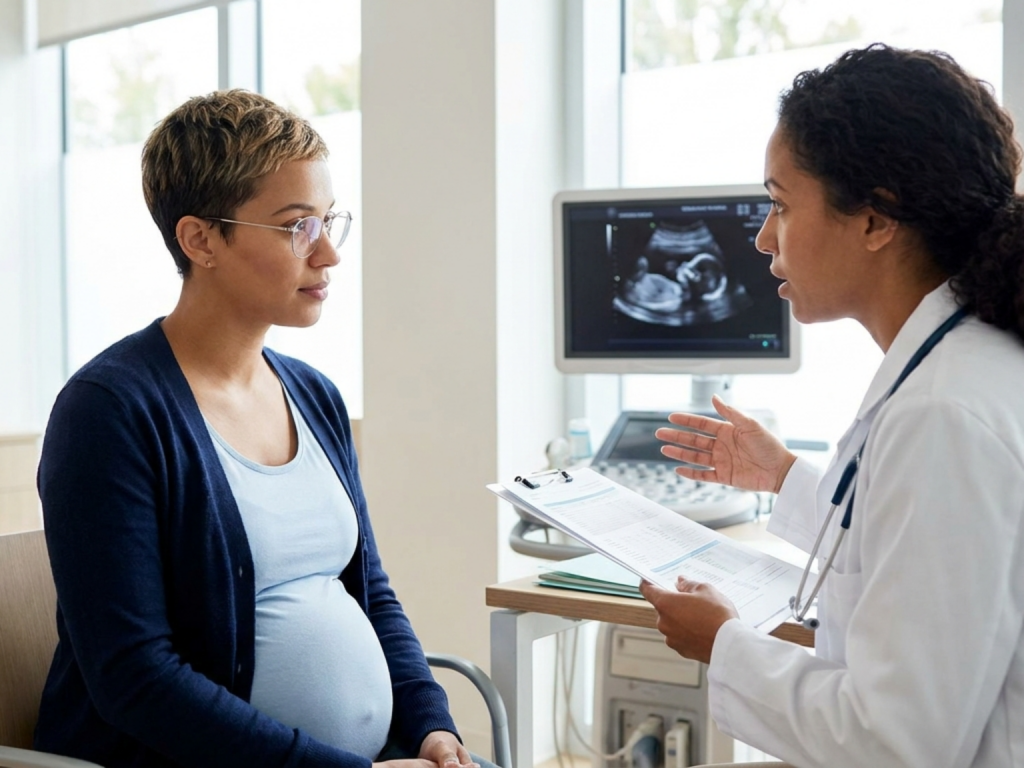
Practically, the best next step is often a conversation with your obstetrician, midwife, or family doctor. Ask whether your pregnancy is considered low risk, whether any restrictions apply, and whether anything in your history changes the advice. Medical reassurance is more useful than internet certainty, especially when the question involves the safety of both parent and baby.
When to seek medical advice urgently
- Call your maternity care team if contractions are regular, painful, or occur before 37 weeks.
- Get urgent evaluation for vaginal bleeding, fluid leakage, or suspected ruptured membranes.
- Seek care if you have severe abdominal pain, fever, or a noticeable decrease in fetal movement.
- Follow any pelvic rest instructions exactly if your clinician has already recommended them.
Tools & Assistance
- Your obstetrician, midwife, or family doctor for personalized pregnancy guidance
- Your maternity triage line or labor and delivery unit for same-day symptom advice
- A written pregnancy care plan that includes any activity restrictions
- A symptom log noting timing of contractions, bleeding, fluid leakage, and fetal movement
FAQ
Can sex cause preterm labor?
In low-risk pregnancies, research has not shown sex to be a reliable cause of preterm labor. If you have risk factors or symptoms, your clinician may advise differently.
Why do I get cramps or tightening after orgasm?
Orgasm can be followed by short-lived uterine contractions or abdominal tightening. That can feel alarming, but it is not automatically true labor.
Is sex safe in the third trimester?
Often yes in an uncomplicated pregnancy, but the answer depends on your medical history, symptoms, and any restrictions from your obstetric team.
When should I call my doctor after sex?
Call promptly for bleeding, leaking fluid, regular painful contractions, severe pain, or decreased fetal movement.
Sources
- PubMed — Sexual Intercourse for Induction of Spontaneous Onset of Labor
- Cochrane Review / PubMed Central — Sexual intercourse for cervical ripening and induction of labour
- PubMed Central / NIH — Sex in pregnancy
Disclaimer
This article is for general educational purposes and is not a substitute for individualized medical advice. If you have bleeding, contractions, fluid leakage, or other concerning pregnancy symptoms, contact your maternity care professional promptly.

















Please log in to leave a comment.