
Intro
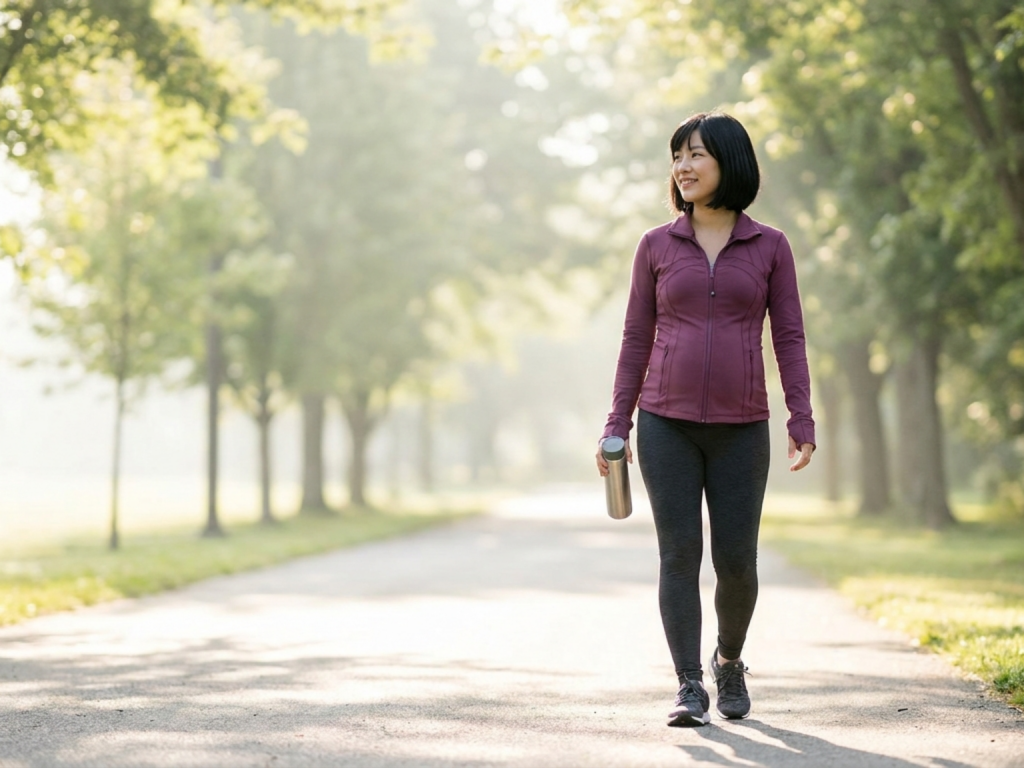
Outdoor movement can be one of the most reassuring parts of pregnancy: fresh air, gentle cardiovascular work, and a sense of routine can all support physical and emotional well-being. For many people with an uncomplicated pregnancy, staying active is encouraged rather than avoided, and the goal is usually to keep activity moderate, steady, and adapted to the changing body.
That said, pregnancy also changes balance, joint laxity, heat tolerance, and the body’s response to exertion. Outdoor activities therefore need a little more planning than they did before conception. The safest approach is individualized: what feels comfortable at 12 weeks may need adjustment at 32 weeks, and any symptoms or obstetric concerns should be reviewed with a healthcare professional.
Highlights
Most uncomplicated pregnancies can include regular, moderate outdoor activity, especially walking and other low-impact movement.
The main safety issues are falls, overheating, dehydration, and activities with abdominal impact or contact risk.
Weather, terrain, altitude, and trimester-related balance changes matter more than many people expect.
A simple pre-activity plan can make outdoor exercise safer and more sustainable.
Stop exercising and seek clinical advice if warning symptoms appear.
Why outdoor activity can still be helpful in pregnancy
For most pregnant people without medical contraindications, physical activity remains an important part of routine care. Professional guidance from obstetric and sports medicine organizations supports at least 150 minutes per week of moderate-intensity aerobic activity during pregnancy, unless a clinician has advised otherwise. Outdoor exercise can help meet that target in a way that feels accessible and mentally restorative.
Moderate movement also has practical advantages. It can support cardiorespiratory fitness, maintain musculoskeletal conditioning, and help preserve functional stamina as pregnancy progresses. Many people find that regular movement outdoors improves sleep quality, mood, and perceived stress. The key is to think in terms of moderate intensity: you should usually be able to speak in full sentences while exercising, even if you are breathing more heavily than at rest.
Pregnancy is not the time to “push through” discomfort or chase performance goals. It is a time to calibrate effort, observe the body’s signals, and allow the route, weather, and pace to guide the day’s choice of activity.
Low-risk outdoor activities that are often easiest to adapt
Among outdoor options, walking is usually the most practical starting point. Safe walking in pregnancy can mean a flat neighborhood loop, a park path, a treadmill-free brisk walk, or a shorter outing broken into segments. Walking is easy to scale up or down, requires minimal equipment, and is less likely to create joint stress than higher-impact sports.
Gentle hiking on maintained trails can also be reasonable if the terrain is stable, the distance is realistic, and someone is prepared to turn back. Other useful choices may include gardening, outdoor stretching, easy mobility work in a shaded area, or water-based exercise in an outdoor pool when available. These activities are not about intensity; they are about consistency and comfort.
A good rule is to favor activities that minimize sudden direction changes, jumping, uneven landings, or collisions. If an activity still feels enjoyable but less stable than before pregnancy, it can often be modified rather than abandoned entirely: shorter sessions, flatter terrain, more frequent rests, and slower pacing are common adjustments.
How pregnancy physiology changes outdoor exercise
Pregnancy shifts biomechanics in ways that matter outdoors. As the center of gravity moves forward, balance becomes less predictable, especially on slopes, steps, sand, wet surfaces, or rocky paths. Ligamentous laxity, driven in part by hormonal changes, can also make joints feel looser and less stable. These changes do not mean activity must stop; they mean the environment becomes part of the risk assessment.
Heat regulation is another issue. Pregnant bodies may have a harder time dissipating heat efficiently, and dehydration can develop more quickly during prolonged exertion. In warm weather, a previously comfortable walk may suddenly become too demanding if humidity is high or shade is limited. That is why the Canadian guideline recommends avoiding vigorous activity in excessive heat and emphasizes hydration planning.
Altitude deserves respect as well. If you plan hiking or travel in a higher-elevation area, consult a clinician, especially if you have anemia, respiratory disease, or any pregnancy complication. At altitude, perceived exertion often rises sooner, so slower pacing and more conservative route choices are sensible.
Outdoor activities and settings to avoid or approach with caution
Some outdoor activities are discouraged because they raise the chance of direct abdominal trauma, sudden deceleration, or a fall. Examples include downhill skiing, horseback riding, off-road cycling, contact sports, and activities with a high likelihood of collision or loss of control. Scuba diving is also avoided in pregnancy because of fetal decompression risk, even though it is not an outdoor activity in the usual sense.
Uneven trails, loose gravel, icy sidewalks, steep descents, crowded festival grounds, and sports fields with unpredictable contact can all become fall risk activities while pregnant. Even if the activity looks gentle on paper, the environment can turn it into a problem. If you are unsure whether a route is stable enough, choosing the safer option is usually the better decision.
Long outings in intense heat, especially without ready access to water and shade, are also poor choices. The same is true for outdoor exercise during poor air quality, when breathing may become more taxing. It is reasonable to postpone the session, move it earlier in the day, or choose a less exposed environment.
Practical planning for safer outdoor exercise
Good planning often matters as much as the activity itself. Before heading out, check the weather, heat index, wind, and trail conditions. Dress for moisture management, wear supportive footwear with good traction, and bring water rather than assuming a short outing will stay short. A phone, identification, and a route shared with someone else can be simple but important precautions.
Timing can also help. Many pregnant people tolerate early-morning or evening exercise better than midday activity, especially in warmer months. Shorter sessions may be more sustainable than one long outing. If you notice that you are clenching your jaw, failing to recover, or needing to pause frequently just to stay comfortable, the intensity may be too high for the day.
It can be useful to think in terms of a personal ceiling rather than a fixed script. The right amount of outdoor activity is the amount that leaves you feeling pleasantly challenged, not depleted. That may look different from week to week, and it is normal for pregnancy to make those adjustments necessary.
Warning signs that mean stop and call a clinician
Knowing the warning signs during prenatal exercise helps you stop early rather than trying to finish a route or hit a goal. ACOG advises discontinuing activity and contacting a healthcare professional if you notice vaginal bleeding, regular painful contractions, leakage of amniotic fluid, dizziness, chest pain, calf pain or swelling, headache, muscle weakness, shortness of breath before exertion, or decreased fetal movement after viability if this is unusual for you.
Other reasons to stop include persistent abdominal pain, a sense that you may faint, or any symptom that feels out of proportion to the planned intensity. If you fall, strike your abdomen, or experience severe pain after a hike or outdoor sport, seek urgent medical assessment even if symptoms seem mild at first.
If your clinician has given you specific restrictions because of placenta previa, preeclampsia, cervical insufficiency, preterm labor risk, or another complication, those instructions take priority over general exercise advice.
When outdoor activity is not a good idea
- Do not continue if you have vaginal bleeding, fluid leakage, or painful regular contractions.
- Avoid activities with a strong chance of falling, collision, or abdominal impact.
- Postpone exercise in excessive heat, dehydration, or unsafe air quality.
- Seek urgent care after any significant fall or direct blow to the abdomen.
- Follow your obstetric clinician’s restrictions if you have a pregnancy complication.
Tools & Assistance
- Your obstetric clinician or midwife for individualized exercise guidance
- Local weather and heat-index alerts before going outside
- Supportive shoes with good traction for walking or light hiking
- A reusable water bottle and a shaded rest plan
- A pre-pregnancy route map adjusted for shorter distances and easier exits
FAQ
Is walking outside safe in pregnancy?
For many uncomplicated pregnancies, yes. Walking is one of the most commonly recommended moderate activities, provided the terrain, weather, and your symptoms are taken into account.
Can I go hiking while pregnant?
Often yes, if the trail is stable, the pace is modest, and you can avoid heat, dehydration, and fall hazards. More technical or remote hikes should be discussed with a clinician.
Are there outdoor sports I should avoid?
Yes. Activities with a high fall risk, contact, or abdominal impact are usually discouraged, including downhill skiing, horseback riding, and off-road cycling.
What should make me stop exercising?
Bleeding, fluid leakage, painful contractions, chest pain, dizziness, shortness of breath before exertion, calf pain, headache, or any symptom that feels unusual should prompt you to stop and contact a clinician.
Sources
- American College of Obstetricians and Gynecologists — Physical Activity and Exercise During Pregnancy and the Postpartum Period
- American College of Obstetricians and Gynecologists — Exercise During Pregnancy
- British Journal of Sports Medicine — 2019 Canadian guideline for physical activity throughout pregnancy
Disclaimer
This article is for general educational purposes only and does not replace individualized medical advice, diagnosis, or treatment. If you have pregnancy complications, symptoms, or activity restrictions, contact your obstetric clinician.












Please log in to leave a comment.