
Intro
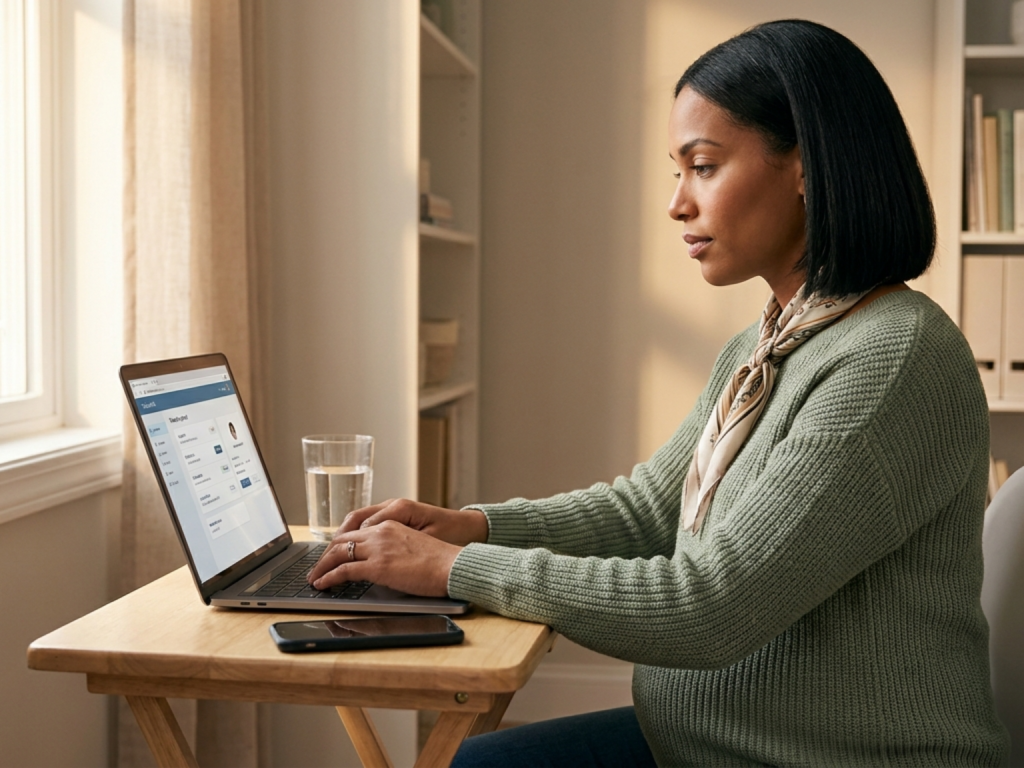
Screens are woven into modern pregnancy: telehealth visits, work, family messages, symptom searches, birth classes, streaming, and social media. For many pregnant people, digital tools reduce isolation and improve access to information. At the same time, prolonged or poorly timed screen use can affect sleep, mood, movement, and stress regulation, which are all clinically relevant during pregnancy.
Highlights
Screen time is not automatically harmful in pregnancy; context, timing, content, posture, and sleep disruption matter.
Current evidence is emerging rather than definitive, but studies suggest possible links between heavy screen exposure, psychological well-being, sleep, and hypertensive disorders of pregnancy.
A practical goal is not digital perfection, but a sustainable screen routine that protects rest, mental health, physical comfort, and medical care.
Seek individualized advice if screen use is driven by anxiety, compulsive checking, insomnia, or work demands that feel unsafe or unmanageable.
Why screen time feels different in pregnancy
Pregnancy often changes the emotional and physiologic meaning of screen use. A phone may be a lifeline for appointment reminders, fetal development apps, work communication, glucose logs, symptom tracking, and social support. It may also become a source of repeated reassurance seeking, alarming birth stories, late-night searching, or comparison with idealized pregnancy content.
From a clinical perspective, screen exposure is best understood as a cluster of behaviors rather than a single exposure. The same two hours can be restorative, neutral, or stressful depending on whether someone is attending a prenatal education class, doom-scrolling medical complications at midnight, sitting immobile through back pain, or connecting with a supportive friend. This is why broad advice such as “just use screens less” can feel unrealistic and sometimes unhelpful.
Researchers are increasingly interested in screen time because it intersects with modifiable pathways: sleep quality, circadian timing, sedentary behavior, autonomic arousal, mood, diet patterns, and access to healthcare information. Evidence is still developing, and most studies cannot prove that screen time directly causes a specific pregnancy outcome. However, the associations are strong enough to justify thoughtful habits, particularly around evening use, distressing content, and long uninterrupted sitting.
Sleep, circadian rhythm, and evening screens
Sleep disruption is common in pregnancy because of nocturia, reflux, musculoskeletal discomfort, fetal movement, anxiety, restless legs symptoms, and hormonal changes. Screens can add another layer. Bright light, especially blue-enriched light in the evening, can suppress melatonin signaling and delay circadian sleep timing. Interactive content also keeps the brain engaged when it needs a gradual transition toward sleep.
This does not mean every pregnant person must eliminate evening screens. The more practical question is whether screen use is delaying sleep onset, increasing nighttime awakenings, or making it harder to return to sleep after waking. Television, phones, and tablets may differ in distance from the eyes, brightness, posture, and emotional engagement. A retrospective cohort study on electronic screen exposure and hypertensive disorders in pregnancy highlighted timing and screen type as relevant factors and included a practical conclusion about avoiding television before sleep.
Protecting sleep is clinically meaningful because poor sleep is associated with worse pain tolerance, mood vulnerability, daytime fatigue, and cardiometabolic strain. If bedtime scrolling has become the only quiet moment in the day, replacing it abruptly may feel punitive. A gentler approach is to create a “digital landing zone” for the last 30 to 60 minutes: dim the screen, use night mode, avoid frightening or highly emotional content, set a stop point, and shift to audio, reading, stretching, breathing exercises, or another low-stimulation routine.
Mental health, reassurance seeking, and social media comparison
Digital media can support perinatal mental health by offering education, peer connection, teletherapy access, and community for people with infertility histories, pregnancy loss histories, high-risk pregnancies, or limited local support. Yet some digital environments amplify self-criticism, negative affect, and perceived inadequacy. Research on digital media use during pregnancy has found relationships with maternal psychological well-being, including quality of life and negative emotional states.
The emotional tone of screen use matters. Content that repeatedly triggers fear, shame, body comparison, or catastrophic thinking can activate a stress response even when the information is medically inaccurate or not personally relevant. Pregnancy algorithms may also intensify exposure: after one search about preeclampsia, miscarriage, fetal movement, or birth injury, a person may be shown increasingly distressing material.
It can help to distinguish informed monitoring from compulsive checking behavior. Medically appropriate fetal movement monitoring, blood pressure tracking when recommended, or glucose logging for gestational diabetes can be valuable. By contrast, constant searching, repeatedly checking forums for rare outcomes, or needing online reassurance many times a day may increase anxiety rather than reduce it. If screen use feels driven by intrusive thoughts in pregnancy, panic, or inability to tolerate uncertainty, perinatal mental health support can be protective and should not be viewed as a failure.
A useful self-check is: “How do I feel after this screen activity?” If the answer is informed, connected, or calmer, the activity may be serving you. If the answer is ashamed, frightened, tense, or unable to sleep, the content or timing likely needs adjustment.
Sedentary time, posture, eye strain, and physical comfort
Screen time often increases sedentary time. Pregnancy already shifts posture and biomechanics through weight redistribution, ligamentous laxity, breast enlargement, abdominal expansion, and pelvic floor loading. Long periods of sitting can worsen low back pain, pelvic girdle pain, hip tightness, leg swelling, constipation, and reflux for some people. Static posture may also contribute to headaches, neck pain, and wrist symptoms such as carpal tunnel syndrome, which is more common in pregnancy because of fluid retention.
The goal is not to fear sitting, especially if work or fatigue requires it. Instead, reduce uninterrupted sitting. Many people do better with brief movement snacks: standing for two minutes, walking to refill water, calf raises, gentle thoracic extension, side-lying rest, or changing chairs. If approved by your maternity care clinician, regular pregnancy-safe physical activity can improve comfort, sleep, mood, and cardiometabolic health.
Eye strain is another common but under-discussed issue. Dry eyes can worsen in pregnancy, and prolonged screen focus reduces blink rate. Practical adjustments include larger font size, adequate ambient lighting, avoiding glare, positioning the monitor at a comfortable height, and using the 20-20-20 method: about every 20 minutes, look at something roughly 20 feet away for about 20 seconds. Persistent visual symptoms, severe headache, new swelling, or visual disturbances such as flashing lights require medical assessment because they can overlap with warning signs of hypertensive disorders.
Possible links with hypertensive disorders and metabolic health
Hypertensive disorders of pregnancy, including gestational hypertension and preeclampsia, are multifactorial conditions influenced by placental, vascular, immunologic, metabolic, and genetic factors. Screen time should not be framed as a direct cause of these disorders. However, heavy screen exposure may correlate with behaviors and physiologic patterns that matter, such as reduced sleep duration, later bedtime, less movement, stress reactivity, snacking patterns, and circadian disruption.
The BMC Public Health retrospective cohort study on electronic screen exposure time reported associations between screen exposure and hypertensive disorders in pregnancy, with attention to screen timing and screen type. Observational findings like these cannot establish causality, and they may be influenced by confounders such as occupation, baseline health, socioeconomic factors, and pre-pregnancy body mass index. Still, they support a cautious, prevention-oriented approach: protect sleep, reduce evening stimulation, avoid very long sedentary stretches, and follow individualized prenatal monitoring.
For people already at increased risk of hypertensive disorders, such as those with chronic hypertension, kidney disease, autoimmune disease, diabetes, prior preeclampsia, multifetal pregnancy, or other clinician-identified risk factors, screen habits are only one small part of care. Medication decisions, aspirin recommendations when appropriate, home blood pressure monitoring, and antenatal surveillance should be guided by an obstetric clinician. If you are using apps or devices to track blood pressure, bring your readings and device questions to your care team rather than making treatment changes on your own.
Information quality and pregnancy safety decisions
Pregnancy increases the stakes of online information. A search about food safety, medications, supplements, exercise, skin care, or fetal symptoms can return conflicting answers within seconds. Some content is evidence-based; some is outdated, commercial, anecdotal, or designed to provoke fear. This can lead to unnecessary avoidance, delayed treatment, or unsafe self-management.
For medical decisions, prioritize sources that clearly state who wrote or reviewed the content, cite evidence, distinguish association from causation, and encourage individualized clinical care. Be especially cautious with posts that promise detoxes, “natural” cures, supplement stacks, fetal sex predictions, unvalidated home tests, or claims that a single behavior guarantees a healthy baby. Pregnancy medication risk-benefit assessment is particularly important because untreated illness can also carry risk.
A balanced digital routine includes knowing when to stop searching and ask a professional. If you have bleeding, severe abdominal pain, persistent severe headache, visual symptoms, chest pain, shortness of breath, fainting, fever, fluid leakage, marked reduction in fetal movement after the point when movement monitoring is recommended, or thoughts of self-harm, online searching should not replace urgent medical care.
A practical screen plan for pregnancy
A sustainable plan should protect health without isolating you from useful digital tools. Start by identifying your highest-impact screen habit rather than trying to change everything. For many people, that is late-night scrolling; for others, it is work-related sitting, social media comparison, or repeated symptom searching.
- Set a sleep boundary: choose a realistic screen wind-down time, dim devices, and avoid medical searching in bed.
- Use screens actively, not automatically: decide whether you are seeking information, connection, entertainment, work completion, or clinical tracking.
- Break up sitting: pair long screen sessions with hydration, bathroom breaks, calf movement, and posture changes.
- Curate feeds: mute accounts that increase fear or shame, and save trusted pregnancy resources for later rather than searching from scratch each time.
- Create an escalation rule: if a symptom feels urgent or repeatedly worrying, contact your clinician instead of continuing to search.
Work demands may require prolonged screen exposure. If symptoms such as severe back pain, swelling, headaches, visual strain, insomnia, or anxiety are worsening, consider discussing ergonomic adjustments, break schedules, workload expectations, or occupational accommodations with your healthcare professional and employer. Small changes can be medically meaningful when repeated every day.
Finally, be compassionate with yourself. Pregnancy is not an exam in perfect behavior. Screens may help you cope, learn, rest, earn income, and stay connected. The aim is to make digital life serve your pregnancy rather than letting it quietly erode sleep, calm, movement, and confidence.
Seek medical help promptly
- Do not rely on online searches for severe headache, visual symptoms, chest pain, shortness of breath, fainting, heavy bleeding, fever, or severe abdominal pain.
- Contact your maternity care team urgently for fluid leakage, regular painful contractions before term, or a marked reduction in fetal movement when movement monitoring applies.
- If screen use is linked to panic, intrusive thoughts, compulsive checking, or thoughts of self-harm, seek perinatal mental health support promptly.
- Do not start, stop, or change medications, supplements, blood pressure treatment, or glucose management based only on online content.
- If home blood pressure readings are high or concerning, follow the action plan provided by your clinician or seek urgent care.
Tools & Assistance
- Use phone settings for screen time summaries, app limits, night shift, grayscale, and bedtime modes.
- Create a trusted-resource folder for pregnancy information approved by your clinician or health system.
- Set recurring movement reminders during work or long streaming sessions.
- Bring screenshots, app data, blood pressure logs, or questions to prenatal appointments for interpretation.
- Consider counseling, teletherapy, or a perinatal mental health referral if online content worsens anxiety.
FAQ
Is screen time itself dangerous for the baby?
There is no strong evidence that ordinary screen use directly harms the fetus. The main concerns are indirect pathways such as sleep disruption, stress, sedentary behavior, and exposure to distressing or inaccurate information.
Should I stop using my phone at night during pregnancy?
Not necessarily, but if nighttime phone use delays sleep or increases anxiety, it is worth setting a wind-down boundary, dimming the screen, and avoiding symptom searches or emotionally intense content in bed.
Can screen time cause preeclampsia?
Preeclampsia is complex and multifactorial. Some observational research reports associations between screen exposure patterns and hypertensive disorders in pregnancy, but this does not prove causation. Discuss your personal risk with your clinician.
Are pregnancy apps helpful or harmful?
They can be helpful for education, reminders, and tracking when used thoughtfully. They become less helpful if they drive compulsive checking, anxiety, or decisions that should be made with a healthcare professional.
What is a reasonable daily screen time limit while pregnant?
There is no universal pregnancy-specific limit. Focus on quality, timing, posture, breaks, sleep, and emotional impact rather than a single number of hours.
Sources
- PubMed — Balancing screen time during pregnancy: implications for maternal and fetal health
- BMC Public Health — Effects of electronic screen exposure time on hypertensive disorders in pregnancy: a retrospective cohort study
- National Library of Medicine (PMC) — The relationship between digital media use during pregnancy and maternal psychological well-being
Disclaimer
This article is for general educational purposes and does not replace individualized medical advice. Consult your obstetric clinician or another qualified healthcare professional for concerns about symptoms, mental health, medications, or pregnancy risks.


















Please log in to leave a comment.