
Intro
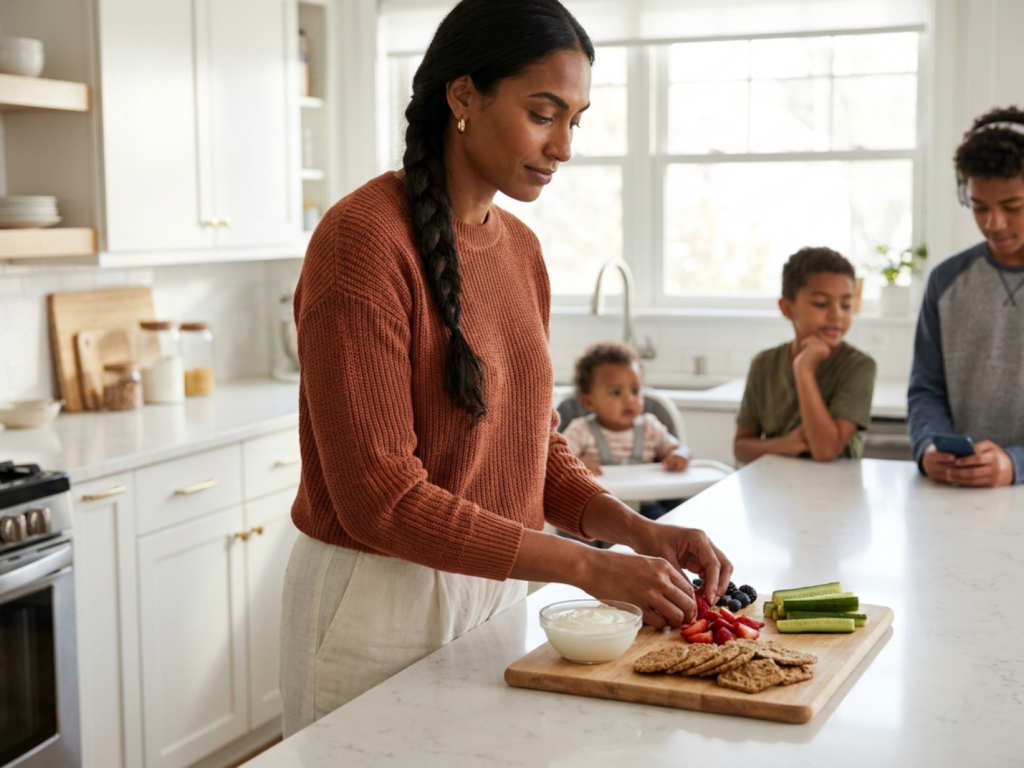
Snack time can be genuinely helpful, but it can also feel confusing when a child’s appetite changes from month to month. The best snack is not the fanciest one; it is the one that fits the child’s age, growth stage, feeding skills, and daily rhythm.
A supportive approach is usually easiest: offer predictable meals and snacks, keep portions child-sized, and focus on foods that add nutrients instead of just calories. If your child has a medical condition, food allergy, chewing problem, or very selective eating, a pediatric clinician or registered dietitian can help tailor the plan.
Highlights
Snack frequency often decreases with age, but younger children commonly need more planned snack opportunities than older children.
The most filling snacks usually combine fiber, protein, and sometimes healthy fat, not just sugar or refined starch.
Younger children need safer textures and smaller portions; teens can usually handle more independent, portable snack choices.
Water, plain milk, or other low-sugar drinks are better default snack companions than sweet beverages.
How snack needs change with age
Children do not all snack for the same reason. A toddler may need a snack because the stomach is small and energy needs are spread across the day, while a teen may snack because of growth spurts, sports, long school hours, or after-school activities. In general, younger children usually need more snacks than older kids, especially when meals are far apart or appetite is variable.
A predictable routine often works better than constant grazing. Predictable meals and snacks can help a child learn hunger and fullness cues, reduce pressure around eating, and make it easier for caregivers to notice when something is truly off. The exact schedule is less important than consistency and the child’s overall intake across the day.
Think of snacks as a bridge, not a replacement for meals. A good snack should take the edge off hunger, support growth, and avoid setting the child up to arrive at the next meal either ravenous or uninterested. For many families, two planned snack times in younger children and one or two in older children is more practical than open-ended access to food.
Babies and toddlers: small, safe, simple
In the first year of life, snacks are usually just small complementary foods once solids have been introduced; breast milk or formula remains the main source of nutrition. As feeding skills develop, the goal is not variety for its own sake, but safe textures and steady exposure to nourishing foods. If you are unsure whether a texture is safe, ask your pediatric clinician before offering it.
Good early snack ideas are soft, easy to chew, and not overly sweet:
- Plain yogurt or unsweetened yogurt with mashed fruit
- Applesauce, pear puree, or mashed banana
- Soft avocado, well-cooked vegetables, or smooth hummus spread thinly
- Iron-fortified infant cereal mixed with fruit puree
- Small pieces of very soft fruit or toast strips, depending on developmental readiness
For toddlers, keep portions tiny and expectations realistic. Many toddlers eat better when snacks are offered at predictable times instead of whenever they ask. Because toddlers are still learning chewing skills, avoid foods that create choking risk, and supervise closely while they eat. If your child’s eating seems extremely limited or stressful, age-based child nutrition guidance from a clinician can be very useful.
Preschoolers and school-age children: structure and variety
As children get older, snack choices can become a little more structured. Preschoolers often do well with familiar foods served in small portions, while school-age children may enjoy more independence and slightly more variety. This is a good time to build a pattern around healthy school snacks that are easy to pack, quick to eat, and not overloaded with added sugar.
Examples that work well for many children include:
- Fruit with cheese cubes
- Whole-grain crackers with hummus
- Apple slices with a thin spread of peanut butter or other nut butter, if safe and allowed
- Carrot sticks or cucumber rounds with dip, if the child handles raw vegetables well
- Plain yogurt with berries
- Whole-grain toast, mini pitas, or oatmeal with a small amount of protein topping
This age group is also where snack timing matters. If a child comes home from school starving, a planned snack can prevent a frustrating evening. If snacks are too close to dinner, appetite may disappear. Many families find it helpful to offer a snack after school and then keep dinner timing consistent. Water is usually the best drink, while juice and other sweet drinks should stay limited.
Teens: snacks that actually keep them full
Adolescents often need snacks that are more substantial than the ones they enjoyed at age five. Puberty, sports, late schedules, and long stretches between meals can all increase energy needs. Teen snack choices should aim to be filling, portable, and balanced, especially when lunch was small or practice runs late.
For teens, the strongest options are usually built around fiber-rich whole grains, fruit, vegetables, and protein foods such as yogurt, cheese, peanut butter, beans, or nuts. That combination tends to improve satiety, meaning the feeling of fullness lasts longer. Some practical examples are:
- Greek yogurt with fruit and granola
- Whole-grain toast with peanut butter
- Cheese with whole-grain crackers
- Trail mix with nuts and dried fruit
- Veggies with hummus
- Fruit smoothie made without a lot of added sugar
The American Heart Association recommends healthier swaps such as fruit, vegetables, yogurt, whole grains, nuts, and low-sugar drinks instead of chips, candy, and sugary beverages. That advice is especially useful for teens, who are often balancing independence with quick choices made on the go.
What makes a balanced snack at any age
The best snack ideas by age still follow the same basic nutrition logic. A snack is more likely to satisfy hunger when it includes at least two of these three components: carbohydrate for energy, protein for fullness, and fiber or healthy fat to slow digestion a bit. A plain cookie may taste good, but it usually does not carry a child very far.
A simple formula can help:
- Fruit or vegetable plus protein: berries with yogurt, carrots with hummus, apple slices with cheese
- Whole grain plus protein: whole-grain crackers with nut butter, toast with cottage cheese
- Protein plus healthy fat: nuts, seeds, or avocado with a fruit or grain pairing
Portion size matters just as much as food choice. A snack should usually be smaller than a meal, especially for younger children. If a child regularly skips meals because snacks are too large or too close together, it may help to scale back portions and rebuild the daily rhythm. For drinks, plain water is a sensible default, and milk may fit well for some children depending on age and diet pattern. Sweet drinks can make children feel full without providing enough nutrition.
When to adjust the plan or ask for help
Some snack patterns are completely normal, but others deserve a closer look. A child who is growing well may still have uneven appetite, yet repeated refusal of most foods, choking episodes, gagging, or strong distress around eating should be discussed with a healthcare professional. The same is true if a child has a medical condition that affects feeding, digestion, or growth.
It is especially worth asking for guidance if your child has very restricted food preferences, needs special texture modifications, is losing weight, or seems unable to go through a school day without frequent intense hunger. A pediatrician, dietitian, or feeding specialist can help make a plan that respects the child’s age, activity level, and developmental stage without turning snack time into a battle.
In the end, age-based child nutrition is about matching the snack to the child, not forcing the child to fit a perfect menu. Small, steady, realistic choices often work better than dramatic overhauls.
Be extra careful if you notice
- Choking, gagging, or coughing during snacks
- Poor weight gain, weight loss, or falling off a growth curve
- Extreme food restriction or fear of eating
- Frequent sugary drinks replacing meals or snacks
- Ongoing vomiting, diarrhea, pain, or fatigue linked to eating
Tools & Assistance
- Pediatrician or family doctor
- Registered dietitian nutritionist with pediatrics experience
- School nurse or school meal service staff
- Feeding therapy or pediatric occupational therapy referral when appropriate
FAQ
How many snacks should a child have each day?
It depends on age, activity, and meal timing. Younger children often need more planned snack opportunities than older children, while teens may need one or two substantial snacks depending on sports and growth.
What is the healthiest snack pattern for school-age children?
A balanced pattern with fruit or vegetables plus protein or whole grains usually works well. Predictable timing is often as important as the food itself.
Are nuts a good snack for kids?
They can be, especially for older children and teens, because they add protein and healthy fat. For younger children, safety depends on age, chewing skills, and choking risk, so check with a clinician if unsure.
Should my child snack if they are not hungry at mealtimes?
Sometimes, but the schedule may need adjustment. Frequent grazing can reduce appetite for meals, so it is usually better to review timing and portion size rather than simply adding more food.
Sources
- American Heart Association — Healthy Snacks for Kids and Teens
- Academy of Nutrition and Dietetics — When Should My Kids Snack?
- Nemours KidsHealth — Smart Snacking (for Teens)
Disclaimer
This article is for general educational purposes only and is not a substitute for individualized medical advice. If you have concerns about growth, swallowing, allergies, or feeding problems, please consult a qualified healthcare professional.














Please log in to leave a comment.