
Intro
Pregnancy is a time when nutrition needs become more nuanced, not more restrictive. Many people hear that they "need more protein" and assume that a high-protein diet is automatically better for fetal growth, energy, or healthy weight gain. In reality, the evidence is more specific: adequate protein intake matters, but pushing protein far above what is needed, especially through supplements, has not been shown to improve pregnancy outcomes.
This article explains what the research says about protein in pregnancy, why food-based approaches are generally preferred, and when extra caution is warranted. It is written for readers who already understand basic nutrition concepts but want a clinically grounded overview without hype or oversimplification.
Highlights
Pregnancy does increase protein needs, but the increase is usually modest and should be viewed in the context of total energy intake and overall diet quality.
Evidence does not support high-protein supplements as a way to improve maternal or infant outcomes; in some studies, they were potentially harmful.
Balanced energy-protein supplementation can be helpful in undernourished pregnant women, which is different from taking protein alone.
Food-based protein choices are usually the safest and most sustainable way to meet needs, especially when paired with adequate carbohydrates, fats, and micronutrients.
What counts as a high-protein diet in pregnancy?
In everyday conversation, a “high-protein diet” can mean many things: adding extra servings of meat, using protein shakes, choosing specialty bars, or following a structured low-carbohydrate eating pattern that shifts calories toward protein. In pregnancy, those approaches are not equivalent. The key question is not whether protein is present, but whether the overall diet provides enough energy and a balanced mix of macronutrients.
This is where protein requirements in pregnancy become important. Pregnancy does increase demand for amino acids because maternal tissues expand, the placenta develops, and the fetus grows rapidly. But the body does not benefit simply from ever-higher protein intake. If protein displaces other essential calories, the result can be a diet that is unbalanced rather than nourishing.
A practical way to think about it is this: meeting protein needs is part of prenatal nutrition, but protein should work alongside carbohydrates, fats, vitamins, minerals, and fluids. For most people, a balanced pregnancy meal pattern is more useful than chasing a protein target at every meal.
What does the evidence say about supplements and outcomes?
The highest-quality summaries of the evidence make an important distinction between balanced energy-protein supplementation and high-protein supplementation alone. In undernourished pregnant women, balanced energy-protein supplementation may improve fetal growth and may reduce fetal and neonatal death. That finding matters because it addresses inadequate intake overall, not protein in isolation.
By contrast, high-protein supplementation alone has very limited evidence of benefit. The World Health Organization does not recommend it to improve maternal or perinatal outcomes. The Cochrane review on energy and protein intake in pregnancy similarly reports that high-protein or balanced protein supplementation alone is not beneficial and may be harmful to the infant. One concern raised in the literature is a possible increase in small-for-gestational-age risk, which means a baby may be smaller than expected for its gestational age.
The takeaway is not that protein is “bad.” The takeaway is that more is not automatically better. Pregnancy nutrition is context-dependent: a person who is undernourished may benefit from broader nutritional support, while someone already eating adequately is unlikely to gain anything from a high-protein product.
How to meet protein needs with everyday foods
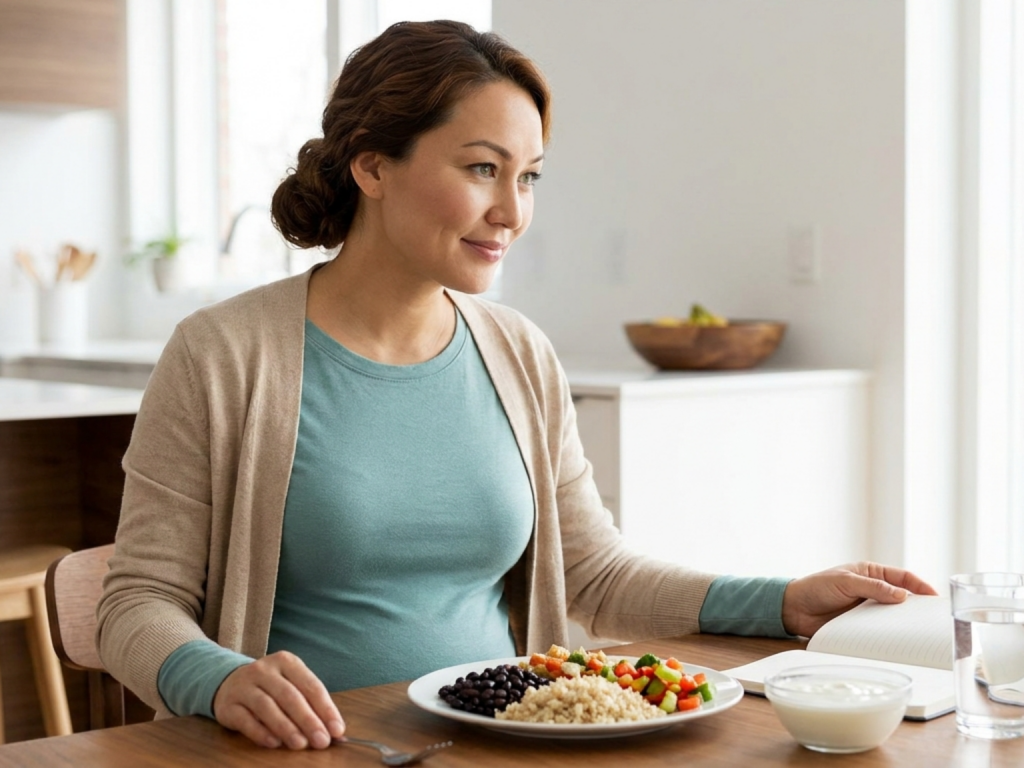
Most healthy pregnant people can meet their protein needs through regular meals and snacks. Clinical nutrition references recommend a moderate increase in food-based protein sources such as whole grains, milk, and legumes as part of an overall balanced diet. That advice is intentionally practical: it favors foods that bring protein together with other nutrients, rather than isolated supplements.
Useful protein-containing foods include dairy foods, eggs, fish, poultry, meat, soy foods, beans, lentils, chickpeas, nuts, seeds, and whole grains. A meal does not have to be dominated by protein to be effective. Many people do better when they distribute protein across the day, combining it with carbohydrate-rich foods, healthy fats, vegetables, and fruit.
- Breakfast: yogurt with oats and fruit, or eggs with whole-grain toast.
- Lunch: lentil soup with bread, or a sandwich with lean protein and vegetables.
- Dinner: tofu, fish, chicken, or beans with rice, potatoes, or whole grains and vegetables.
- Snacks: milk, kefir, edamame, hummus, cheese, or a handful of nuts.
For people who rely on plant-based protein sources for pregnancy, planning matters because intake can fall short if meals are too small or too repetitive. A thoughtful pattern of legumes, soy foods, grains, nuts, and seeds can be very effective when the overall diet is well designed.
When a higher-protein approach may need closer supervision
Some pregnancy situations deserve more individualized nutrition planning. Examples include poor appetite, persistent nausea or vomiting, unintentional weight loss, food insecurity, a history of eating disorder, very selective eating, or medical conditions that affect digestion, kidney function, or nutrient absorption. In those settings, the goal is not to “eat more protein” in a generic way; it is to make sure the whole diet remains safe, adequate, and realistic.
If a person is thinking about increasing protein substantially, it helps to ask a clinician or registered dietitian a few specific questions: Is the diet meeting total energy needs? Is the protein coming from food or from powders and fortified drinks? Is there enough carbohydrate to support energy needs and prevent protein from being used as fuel? Are there any kidney-related or metabolic reasons to limit certain products?
That individualized approach is especially important if pregnancy nausea, reflux, constipation, or aversions are making normal eating difficult. In those cases, the best strategy is often smaller, more frequent meals and practical food substitutions, not a large jump in protein intake.
Why protein powders and specialty beverages deserve caution
Special protein powders and specially formulated high-protein beverages are not benign just because they are sold in wellness aisles. A clinical reference on nutrition during pregnancy specifically says these products should be discouraged because evidence suggests possible harm. The concern is not only the protein itself; it is also the pattern of use. People may start replacing meals with supplements, taking in too little energy overall, or choosing products with added stimulants, herbs, sugars, or poorly labeled ingredients.
Another issue is that supplement marketing often promises benefits that the evidence does not support. A product may feel “clean” or medically advanced, but that does not mean it improves pregnancy outcomes. For most people, a food-first strategy is safer, more flexible, and easier to tailor to appetite and culture.
If a supplement seems necessary because food intake is limited, that decision should be made with professional guidance. A clinician can help determine whether the issue is protein, calories, iron, nausea control, or something broader. In other words, the safest supplement plan is usually the one that starts with diagnosis of the nutrition problem, not with a protein powder ad.
A balanced approach is usually the best approach
The most reassuring message in the research is also the most practical: pregnancy nutrition works best when protein is part of an overall pattern, not a standalone goal. Balanced energy intake supports protein utilization, fetal growth, and maternal well-being. For many people, that means eating enough total food, choosing nutrient-dense meals, and avoiding extreme diets that push one macronutrient too far in either direction.
A helpful mental checklist is simple:
- Am I getting protein from regular foods most days?
- Am I eating enough total calories, or am I unintentionally undereating?
- Do my meals include carbohydrates, fats, and fiber, not only protein?
- Am I relying on powders or specialty drinks instead of meals?
- Would a registered dietitian referral in pregnancy help me translate general advice into a realistic plan?
For many pregnant people, the answer is not a dramatic dietary overhaul. It is small, steady adjustments that support appetite, tolerance, and consistency. That approach is usually more protective than any extreme high-protein plan.
When to seek professional advice
- If you are considering protein powders, meal replacements, or a very high-protein plan.
- If you have ongoing nausea, vomiting, food aversions, or unintentional weight loss.
- If you have kidney disease, diabetes, an eating disorder history, or another chronic condition.
- If you are worried you are not eating enough or your pregnancy weight gain is off track.
- If you want a personalized plan for vegetarian or vegan eating.
Tools & Assistance
- Ask your obstetric clinician to review your usual meals and pregnancy weight-gain pattern.
- Request a referral to a registered dietitian if your intake is limited or confusing.
- Use a simple 3-meal plus snack routine to spread protein across the day.
- Check supplement labels for hidden stimulants, herbs, and unnecessary additives before using any powder.
FAQ
Is a high-protein diet safe in pregnancy?
Not necessarily. Meeting protein needs is important, but very high-protein diets and protein supplements have not been shown to improve pregnancy outcomes and may be harmful in some settings.
Can protein powders replace meals during pregnancy?
They should generally not replace meals without clinician guidance. Food-based intake is preferred, and special protein powders or beverages are often discouraged in pregnancy.
Do I need to eat more protein if I am vegetarian or vegan?
You may need more planning, not necessarily more protein overall. A varied mix of legumes, soy foods, grains, nuts, seeds, and fortified foods can work well when meals are balanced.
When should I ask for dietitian support?
If you have poor appetite, persistent nausea, low weight gain, a restrictive diet, or uncertainty about whether you are meeting nutrition needs, a dietitian can help.
Sources
- World Health Organization — High-protein supplementation during pregnancy
- PubMed / Cochrane Database of Systematic Reviews — Energy and protein intake in pregnancy
- NCBI Bookshelf — Protein and Amino Acids - Nutrition During Pregnancy
Disclaimer
This article is for general information only and does not replace individualized medical advice. Please speak with your obstetric clinician or a registered dietitian before making major dietary changes or using supplements in pregnancy.













Please log in to leave a comment.