

Intro
Eggs can be a practical, nutrient-dense choice in pregnancy because they provide high-quality protein and work well in meals and snacks when you are tired, nauseated, or short on time. The key is to make them safely, store them correctly, and avoid preparations that leave the yolk or white undercooked.
This article focuses on everyday egg safety and on ways to use eggs as a protein-rich food without increasing foodborne illness risk. If you have a history of food allergy, food poisoning, or any pregnancy complication that changes your diet, it is always reasonable to ask your obstetric clinician or a registered dietitian for individualized advice.
Highlights
Eggs are most useful in pregnancy when they are fully cooked, refrigerated promptly, and handled with clean hands and utensils. Small kitchen habits can significantly lower contamination risk.
A safe egg dish is not just about time and temperature; it is also about cross-contamination prevention, storage, and avoiding recipes that depend on raw or lightly cooked eggs.
Eggs can anchor many protein-rich meals, from scrambled eggs and omelets to baked egg muffins and hard-boiled snacks. Pairing them with vegetables and whole grains can make them more filling.
When a recipe traditionally uses runny yolks or raw egg, choose pasteurized eggs or a fully cooked alternative rather than trying to guess whether it is safe.
If you are unsure about a food after an exposure or if you develop concerning symptoms, contact your maternity care team rather than self-diagnosing.
Why eggs are a valuable protein food in pregnancy
Eggs are one of the most flexible protein foods available, which matters in pregnancy when appetite, nausea, and schedule changes can make nutrition feel complicated. They are easy to cook, easy to portion, and adaptable to breakfast, lunch, dinner, and snacks. For many people, that practicality makes eggs a reliable way to help meet protein requirements in pregnancy without needing elaborate meal prep.
Protein supports maternal tissue expansion and fetal growth, but the benefit of eggs is broader than protein alone. Eggs also fit well into meals that include vegetables, whole grains, dairy, or legumes, making it easier to build a balanced plate. If your meals are small because of nausea or reflux, a modest portion of a well-cooked egg dish can still contribute meaningful nutrition.
It can help to think of eggs as a foundation rather than a complete meal. A scrambled egg with toast, a vegetable omelet, or a hard-boiled egg with fruit and whole-grain crackers can provide a satisfying mix of protein and energy. That approach is often more sustainable than trying to force large meals when your body is asking for frequent, smaller intakes.
Safe buying, storage, and kitchen handling
Food safety starts before the pan is hot. Choose eggs from a refrigerated case, check that shells are intact, and store them in the refrigerator promptly once you get home. The FDA advises keeping eggs at 40°F or below, which helps slow bacterial growth. In practical terms, that means eggs should not sit for long in a warm car, on the counter, or near a stove.
Hand hygiene matters just as much as temperature. Health Canada recommends washing hands before and after handling eggs, and that advice is especially helpful in busy kitchens where eggs may touch shells, cartons, countertops, or other foods. Clean utensils and cutting boards also reduce the chance of cross-contamination from raw egg residue to ready-to-eat foods.
- Refrigerate eggs as soon as possible after shopping.
- Keep raw eggs and foods that will not be cooked separate from one another.
- Wash hands, counters, spatulas, and bowls after contact with raw egg.
- Discard cracked or visibly dirty eggs if they will not be thoroughly cooked right away.
Cooked egg dishes should also be handled carefully. The FDA recommends limiting the time egg dishes spend unrefrigerated; in general, leftover egg foods should be chilled promptly rather than left out after a meal. This matters for casseroles, quiches, breakfast burritos, and other dishes that may be eaten slowly or served buffet-style.
How to cook eggs safely enough for pregnancy
The simplest safety rule is also the most reliable: cook eggs until both the yolks and whites are firm. That visual cue is especially important for fried eggs, poached eggs, soft scrambled eggs, and omelets, because these styles can look finished on the outside while still remaining undercooked in the center. For mixed dishes such as casseroles or quiches, use a food thermometer when needed and aim for an internal temperature of at least 160°F (71°C); Health Canada gives 165°F (74°C) as a safety benchmark for eggs and egg-based foods.
Fully cooked eggs while pregnant are usually easy to identify once you know what to look for: no runny yolk, no translucent white, and no cool center in a thick egg dish. If you are unsure, cook a little longer. A few extra seconds of heat is a small tradeoff compared with the uncertainty of eating an undercooked egg product.
When making dishes that normally use lightly cooked eggs, choose safer methods. Use pasteurized eggs for recipes that would otherwise rely on raw or partially cooked egg, and avoid tasting batter or custard before it is fully cooked. This is particularly relevant for homemade dressings, mousse, tiramisu, hollandaise, and some ice creams or dessert fillings. The concern is not that every exposure causes illness, but that pregnancy is a time to reduce avoidable risk where practical.
Protein-rich egg foods that work well in pregnancy
Eggs can be turned into many protein-rich foods without sacrificing safety. The most reliable options are those that are thoroughly cooked and easy to keep cold until serving. If your appetite is variable, having a few go-to preparations can reduce the pressure to improvise when you are hungry.
- Hard-boiled eggs for a quick snack, salad topping, or packed lunch.
- Scrambled eggs cooked until no soft or glossy patches remain.
- Vegetable omelets made with fully set eggs and well-cooked fillings.
- Baked egg muffins or mini frittatas that can be refrigerated and reheated safely.
- Well-cooked egg salad made with chilled ingredients and served soon after preparation.
These foods can be paired with whole-grain toast, brown rice, potatoes, beans, avocado, or fruit to create a more complete meal. That combination often improves satiety, which can matter if you are managing nausea or trying to stabilize energy throughout the day. Some people also find that protein-forward breakfasts reduce the mid-morning crash that can make pregnancy fatigue feel worse.
If you are looking for a simple pattern, think in terms of one cooked egg dish plus one or two supporting foods. For example, a hard-boiled egg with whole-grain crackers and a piece of fruit, or a spinach omelet with toast and yogurt, offers a practical mix of protein, carbohydrates, and fluid-rich foods.
When recipes need extra caution
The higher-risk egg preparations are the ones that depend on raw egg, runny yolk, or slow cooling. This is where the phrase undercooked eggs in pregnancy becomes especially important. The issue is not only whether the shell was intact, but whether the inside of the egg reached a safe temperature long enough to reduce the chance of Salmonella exposure. That is why visually appealing, softly cooked eggs are not the same as safely cooked eggs.
Be cautious with aioli, Caesar dressing, homemade mayonnaise, eggnog, mousse, tiramisu, cookie dough, cake batter, and lightly set custards unless they are made with pasteurized eggs or are fully cooked. Restaurant meals can also vary, so if a menu item is described as soft, runny, or partially cooked, it is reasonable to ask how it was prepared. If the answer is unclear, choose another dish.
For day-to-day planning, a simple food-safety routine helps. Keep raw eggs separate from ready-to-eat foods, refrigerate leftovers promptly, and reheat egg dishes thoroughly before eating them again. This fits well with a broader safe food handling in pregnancy approach, where the goal is not perfection but consistent habits that lower risk over time.
When to ask for medical advice
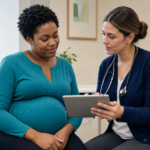
Most healthy adults can enjoy eggs in pregnancy when they are properly handled and fully cooked, but some situations deserve individualized guidance. If you have an egg allergy, prior foodborne illness, a gastrointestinal condition that affects tolerance, or another medical issue that changes what you can eat, your clinician can help you adapt the plan safely. A prenatal visit is also a good time to ask about protein intake if nausea, aversions, or weight changes are making meals difficult.
Contact a healthcare professional promptly if you think you may have eaten a risky egg dish and then develop concerning symptoms such as fever, significant vomiting, severe diarrhea, dehydration, or inability to keep fluids down. Do not try to determine on your own whether the symptoms are from an egg exposure or from another cause. In pregnancy, it is safer to ask early than to wait and wonder.
If you are working through multiple nutrition issues at once, a registered dietitian can help you build a practical meal pattern that still respects food safety. That kind of support can be especially useful if you are vegetarian, have limited access to food, or need strategies for nausea that do not rely on raw or runny eggs.
Safety reminders
- Do not eat eggs with runny yolks or soft whites unless they are pasteurized and your clinician says they are appropriate.
- Keep eggs refrigerated at 40°F or below and do not leave cooked egg dishes out for long periods.
- Wash hands, utensils, and surfaces after raw egg contact to reduce cross-contamination.
- Discard any egg dish that has been left unrefrigerated for too long or smells, looks, or tastes off.
- Seek medical advice quickly if you develop fever, severe gastrointestinal symptoms, or signs of dehydration after a risky exposure.
Tools & Assistance
- A refrigerator thermometer to confirm storage at 40°F or below
- A food thermometer for casseroles, quiches, and other mixed egg dishes
- Your prenatal care team for personalized guidance on diet and symptom concerns
- A registered dietitian if nausea, appetite changes, or food restrictions make protein intake difficult
FAQ
Can I eat eggs every day during pregnancy?
For many people, yes, if the eggs are fully cooked and fit within the rest of the diet. Your individual needs may differ if you have cholesterol concerns, diabetes, allergy, or another medical issue, so ask your clinician if you are unsure.
Are runny yolks safe if the egg is fresh?
Freshness does not remove the safety concern. During pregnancy, the safer choice is to cook eggs until yolks and whites are firm, or use pasteurized eggs if a recipe requires a softer texture.
What is the safest way to store leftover egg dishes?
Refrigerate them promptly in a shallow container and reheat thoroughly before eating. Do not leave cooked egg dishes out at room temperature for extended periods.
Can I still eat egg salad or custard-based foods?
Yes, if they are made with fully cooked or pasteurized egg and kept properly chilled. Recipes that use raw or lightly cooked egg are the ones that need caution.
What should I do if I think I ate an unsafe egg dish?
Do not panic, but contact your obstetric clinician or other healthcare professional if you develop fever, vomiting, diarrhea, or dehydration, or if you are worried about a significant exposure.
Sources
- U.S. Food and Drug Administration (FDA) — What You Need to Know About Egg Safety
- Health Canada — Egg safety
- Minnesota Department of Health — Eggs - MN Dept. of Health
Disclaimer
This article is for general educational purposes and is not a substitute for individualized medical advice. Please speak with your obstetric clinician or a registered dietitian about food safety, symptoms, allergies, or nutrient needs in pregnancy.
















Please log in to leave a comment.