
Intro
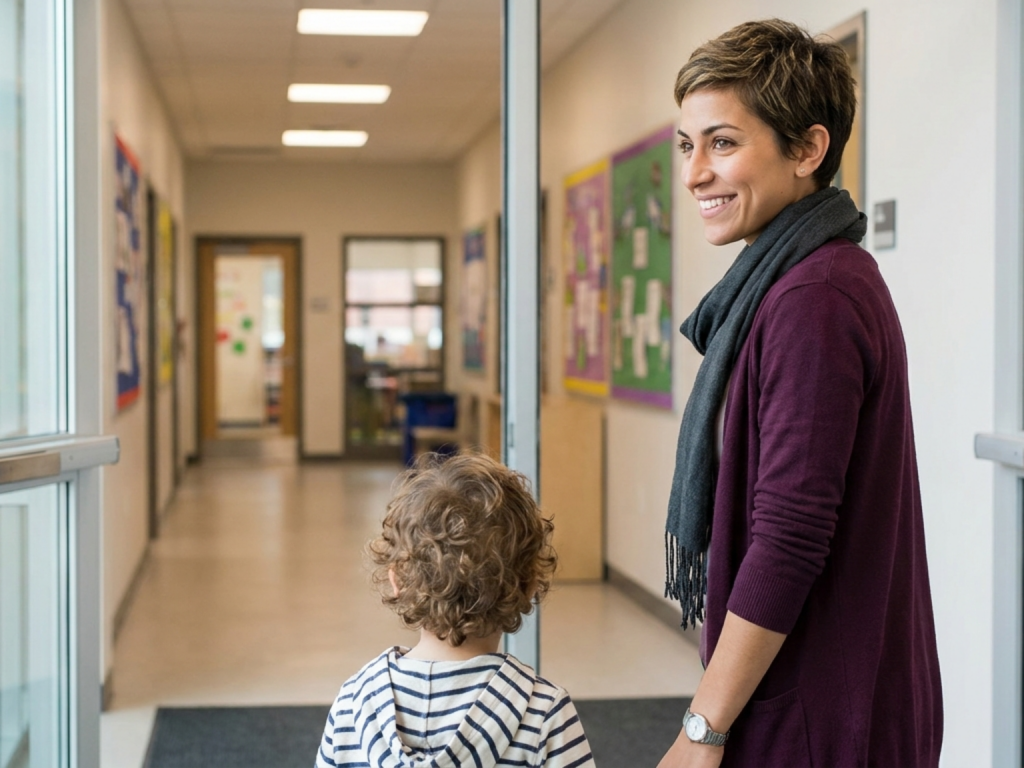
School transitions can be exciting, stressful, or both. A child may be starting preschool, moving from primary to middle school, changing schools after a family move, returning after illness, or simply adjusting to a new teacher and routine. Even when the change is positive, the child’s nervous system may need time to adapt to new expectations, sensory environments, peer dynamics, and separation from familiar adults.
For parents and caregivers, the goal is not to remove every uncomfortable feeling. It is to help the child predict what will happen, name what they feel, practice manageable coping skills, and know which adults can help. With preparation, patience, and timely professional support when needed, most children gradually regain confidence and stability.
Highlights
Transitions are developmental tasks, not just logistical events. Children must adapt cognitively, emotionally, socially, and physiologically.
Predictability protects coping. Routines, visual supports, school visits, and relationship mapping can reduce uncertainty.
Mixed emotions are normal. A child can be excited and anxious at the same time, and both feelings deserve validation.
Warning signs such as persistent school refusal, marked regression, sleep disruption, or severe distress warrant consultation with appropriate professionals.
What school transitions mean for a child
A school transition is any significant shift in a child’s educational environment, role, or daily rhythm. It may involve starting nursery or kindergarten, entering a larger school, changing classrooms, moving to a new district, returning after a medical event, or adapting to a new timetable. From a child-development perspective, the transition is not only a change of building. It is a demand on attachment security, executive function, social cognition, sleep-wake regulation, and stress physiology.
Children often rely on predictable cues to feel safe. When those cues change, the amygdala and broader threat-detection systems may become more reactive, especially in children who are temperamentally cautious, neurodivergent, medically complex, or previously exposed to stressful separations. A child may show distress through tearfulness, irritability, somatic complaints, clinginess, oppositional behavior, appetite shifts, or sleep disruption. These behaviors do not necessarily mean the transition is harmful; they may indicate that the child is working hard to integrate new information.
Support begins with curiosity. Instead of asking only, “Are you excited?” it can help to ask, “What part feels familiar, and what part feels unknown?” This gives the child permission to express mixed emotions and helps adults identify whether the main stressor is separation, peer uncertainty, academic demand, sensory overload, transportation, toileting, lunchtime, or fear of getting lost.
Common transition stages by age
In preschool and early primary years, separation from caregivers is often the central challenge. Young children are still developing time concepts, inhibitory control, and emotional regulation. They may understand that a caregiver will return but still feel intense distress at drop-off. Consistent preschool routines, a clear goodbye ritual, and repeated reassurance through action rather than long negotiation can be especially helpful.
In later primary school, children usually manage separation more easily but may become more aware of performance, fairness, friendship groups, and teacher expectations. They may worry about reading level, homework, playground exclusion, or changes in classroom rules. At this age, practical rehearsal can reduce anxiety: where to put a backpack, how to ask for help, what to do if they miss instructions, and how to handle lunch or recess.
Preteens and adolescents face a different developmental load. They are negotiating autonomy, identity, puberty-related changes, digital peer culture, and more complex academic schedules. Peer relationships and school motivation may strongly influence how they experience transition. A teen who appears indifferent may actually be managing fear of embarrassment, rejection, or loss of control. Support should respect privacy while maintaining clear boundaries around sleep, media use, attendance, and safety.
Children with chronic health conditions, neurodevelopmental differences, anxiety vulnerabilities, learning differences, or prior adverse experiences may need more individualized planning. This can include accommodations, orientation visits, sensory planning, medication timing discussions with clinicians when relevant, or a written school health plan.
Preparing before the change
Preparation works best when it is concrete, repeated, and emotionally honest. Children benefit from knowing what will happen, who will be there, where they can get help, and what will remain the same. If possible, visit the school building before the first day, attend open houses, meet the teacher, walk the route from entrance to classroom, locate bathrooms, and identify the office or nurse’s room. For older children, a simple map of the school and timetable can prevent avoidable panic.
Talking through the day in sequence can be calming: waking up, traveling to school, entering the building, greeting the teacher, lunch, recess, dismissal, and reunion. Visual calendars, social stories, and picture schedules are particularly useful for younger children or children who process language better with visual support. Reading books about starting or changing school can also normalize the experience and give the child characters through whom to explore fear, pride, jealousy, or uncertainty.
Adults can share brief personal stories of facing a new environment and learning to cope, while keeping the child’s experience at the center. For example, “When I started a new job, I felt nervous until I learned where things were and who could help me.” This models resilience without dismissing distress.
It is also valuable to create a support map. Ask the child to name adults they can approach at school: teacher, aide, counselor, nurse, coach, office staff, or bus driver. If they cannot name anyone yet, help them identify one or two likely helpers and practice the words: “I’m not sure where to go,” or “I need help finding my class.”
Routines that protect the nervous system
Transitions are easier when the child’s body is not already overloaded. Sleep, nutrition, movement, and predictable timing shape emotional regulation. A morning routine for children should be simple enough to repeat on tired days: wake, bathroom, dress, eat, pack, shoes, leave. For many families, a visual checklist works better than repeated verbal reminders because it reduces conflict and supports executive function.
Evening routines matter just as much. Preparing clothes, backpack, lunch items, devices, forms, and transport plans the night before lowers morning cortisol load for both child and caregiver. Children who are sensitive to sensory input may need clothing trials, tag removal, predictable breakfast options, or noise-reducing strategies on the journey to school. These are not indulgences; they are environmental modifications that can preserve coping capacity.
After school, many children need decompression before conversation or homework. An after-school routine for children might include snack, hydration, quiet time, physical movement, and then a short check-in. Specific questions usually work better than broad ones. Instead of “How was school?” try “Who did you sit near at lunch?” or “What was one thing that felt confusing today?” This helps children process social and academic experiences without feeling interrogated.
For teens, routines should include collaborative boundaries. Sleep hygiene, screen timing, social media exposure, transport safety, homework structure, and peer pressure all influence transition health. Parents can offer autonomy within limits: “You can choose when to shower and pack, but devices charge outside the bedroom at night.” Consistency is often more therapeutic than intensity.
Supporting feelings without amplifying fear
Children need adults to affirm feelings while projecting confidence in their capacity to cope. A supportive response might be, “It makes sense that you feel nervous. New places can feel strange at first. We will practice, and your teacher and I will help you.” This differs from excessive reassurance, which may unintentionally teach the child that the situation is dangerous unless a parent repeatedly proves otherwise.
Emotion coaching includes naming the feeling, locating it in the body, linking it to a need, and choosing a coping action. For example, a child with stomach discomfort before school may be experiencing autonomic arousal rather than gastrointestinal disease, although persistent or severe physical symptoms should be assessed medically. The coping action might be paced breathing, a transitional object if allowed, a visual schedule, or a planned check-in with a trusted adult.
Celebrate effort and small wins. A child who walked into the building after tears, asked a teacher for help, or stayed for half a day after a difficult morning has practiced a meaningful skill. Praise should focus on effort and strategy: “You were scared and still used your plan,” rather than only outcomes such as perfect attendance or no crying.
Parents should also monitor their own language. Children are highly sensitive to caregiver facial expression, tone, and hesitation. This does not mean pretending everything is easy. It means communicating: “This is new, and we can handle new things step by step.” If a caregiver is distressed by separation, getting their own support can indirectly help the child.
Collaboration with school and healthcare professionals
Effective transition support is a shared system. Teachers can provide predictable classroom routines, seating support, peer buddies, bathroom access, check-in points, and clear communication about expectations. School counselors, psychologists, nurses, and special education teams may help with social-emotional plans, individualized accommodations, or safety planning when relevant.
Families should inform the school about medical conditions, allergies, seizure action plans, mobility needs, feeding considerations, toileting needs, medication administration requirements, or fatigue patterns. For children returning after hospitalization, neurological injury, chronic illness flare, or significant mental health difficulty, a gradual re-entry plan may be appropriate. This should be coordinated with the child’s healthcare team and school staff rather than improvised day by day.
Self-advocacy can be taught in developmentally appropriate ways. A younger child can learn, “I need a break,” or “Please say that again.” An older child can learn to email a teacher, request clarification, or describe accommodations without sharing private medical details. Building on strengths is protective: a child who loves art, sport, science, music, or helping younger students may find belonging through those entry points.
Extracurricular activities can help children form relationships outside the pressure of the classroom, but they should not overload a child who is already exhausted. The right balance depends on sleep, temperament, academic load, medical needs, and family capacity.
When transition distress needs extra attention
Some distress is expected during school transitions, especially in the first days or weeks. However, the pattern matters. Concern increases when symptoms are severe, persistent, escalating, or impairing the child’s functioning across home, school, sleep, eating, or relationships. School refusal, recurrent panic-like episodes, prolonged inconsolable distress, aggressive behavior that is out of character, marked regression, self-harm statements, or physical symptoms that do not resolve deserve prompt professional attention.
Medical assessment may be needed when headaches, abdominal pain, dizziness, fatigue, vomiting, weight loss, sleep disturbance, or other somatic symptoms are frequent or intense. Psychological or neurodevelopmental assessment may be appropriate when anxiety, trauma responses, attention difficulties, autism-related sensory or social demands, learning disorders, or mood symptoms are suspected. The purpose is not to label a child prematurely, but to understand what support the child needs.
Parents do not have to wait until a crisis. A pediatrician, family physician, school nurse, psychologist, counselor, occupational therapist, or educational specialist can help differentiate typical adjustment from a concern requiring structured intervention. Early collaboration often prevents the child from associating school with repeated failure or overwhelming distress.
Above all, transition support is a process. Children rarely adapt in a perfectly linear way. A good first week may be followed by a difficult Monday, and a tearful morning may still end with a proud afternoon. Steady routines, empathic communication, and coordinated adult support give children the best chance to feel safe enough to learn.
Seek extra help if you notice
- Persistent school refusal or distress that does not improve over time
- Repeated severe headaches, abdominal pain, vomiting, faintness, or sleep disruption
- Regression such as toileting accidents, loss of independence, or intense separation panic
- Statements about self-harm, hopelessness, or not wanting to live
- Bullying, unsafe peer pressure, or major changes in mood, appetite, or behavior
Tools & Assistance
- Create a visual calendar or social story showing the new school routine
- Visit the school, classroom, bathroom, entrance, office, and pickup area before the transition
- Use a relationship map to identify trusted adults at school
- Prepare clothing, backpack, lunch, forms, and transport plans the night before
- Ask the pediatrician, school counselor, or educational team for guidance if distress is persistent or severe
FAQ
How long does it usually take a child to adjust to a new school?
Many children settle within a few weeks, but timelines vary by age, temperament, prior experiences, and support needs. Persistent or worsening distress should be discussed with school staff or a healthcare professional.
Should I let my child stay home if they cry at drop-off?
Occasional flexibility may be needed, but repeated avoidance can reinforce fear. Ask professionals for help if drop-off distress is intense, prolonged, or associated with physical symptoms or safety concerns.
Are stomachaches before school always anxiety?
No. Stress can cause gastrointestinal symptoms, but recurrent, severe, or unexplained pain should be assessed medically to rule out other causes and guide appropriate support.
How can I help an older child who refuses to talk about school?
Use brief, specific, low-pressure questions and offer practical support. Teens often respond better to collaborative problem-solving than interrogation, while still needing clear boundaries around safety, sleep, attendance, and media.
Sources
- Harvard Graduate School of Education — 5 things to do and say if your child has a big transition this year
- Allina Health — How to Prepare Children and Teens for Back-to-School Transitions
- Hope for HIE — Navigating Back-to-School Transitions: Child Life Key Takeaways
Disclaimer
This article is for general educational purposes and is not a diagnosis or treatment plan. Consult a qualified healthcare or mental health professional for concerns about your child’s symptoms, safety, development, or school functioning.

















Please log in to leave a comment.