
Intro
A child’s school environment is more than classrooms, timetables, and test scores. It is a daily developmental setting where the brain, body, emotions, relationships, and identity are shaped through repeated experiences. For many children, school is the most consistent social environment outside the home, which means its safety, predictability, inclusiveness, and expectations can either buffer stress or add to it.
Understanding the school environment matters because child development is biologically responsive to experience. Supportive adults, emotionally safe peer groups, adequate movement opportunities, nutrition routines, and accessible learning supports can all influence neurodevelopment, self-regulation, motor skills, academic confidence, and mental well-being.
Highlights
A supportive school environment can strengthen learning, emotional security, social competence, and healthy brain development.
Safety, belonging, positive teacher-student relationships, and inclusive policies are central to children’s mental and emotional well-being.
Physical spaces matter: movement-friendly, well-equipped environments support motor development, creativity, confidence, and peer interaction.
Children with medical, developmental, or mental health needs may require coordinated support between families, schools, and healthcare professionals.
School as a developmental ecosystem
Children do not develop in isolation. Their growth is shaped by interconnected systems: family, school, peers, healthcare access, community safety, culture, and socioeconomic conditions. School is especially influential because it provides repeated exposure to structured learning, adult expectations, social comparison, group rules, problem-solving, and feedback. Over time, these experiences become part of a child’s developmental “input.”
A healthy school environment includes physical safety, emotional warmth, fair discipline, academic stimulation, predictable routines, inclusive peer culture, and access to support when children struggle. These factors are not separate from biology. Chronic stress can affect attention, sleep, appetite, immune function, and emotional regulation. Conversely, secure relationships and predictable routines can support the child’s stress-response system, including hypothalamic-pituitary-adrenal axis regulation, which influences cortisol patterns and readiness to learn.
Importantly, a “good” school environment does not mean a perfect school. Children can benefit from realistic challenges, effort, mistakes, and repair after conflict. The developmental concern arises when the school environment is persistently unsafe, humiliating, chaotic, isolating, or mismatched to a child’s needs. In those situations, school may become a chronic stressor rather than a protective setting.
Brain development, learning, and school quality
The developing brain is highly experience-dependent. Neural pathways strengthen through use, and children’s cognitive skills are shaped by exposure to language, problem-solving, feedback, emotional safety, sleep, nutrition, and practice. School experiences can influence executive functions such as working memory, inhibitory control, cognitive flexibility, planning, and sustained attention.
Research from a Stanford-led study reported that children attending higher-performing schools showed faster year-by-year development in white matter networks, the brain pathways that support communication between regions. White matter maturation is relevant to learning because efficient neural communication helps integrate attention, language, memory, and visual processing. The study also noted development in areas associated with reading skills, suggesting that the quality of the learning environment may be reflected in measurable neurodevelopmental changes.
This does not mean a single school determines a child’s future, nor should families blame themselves if a child is struggling. Brain architecture is influenced by many factors, including genetics, early life experiences, health conditions, socioeconomic stress, and educational opportunity. However, it does mean that school quality is not merely an academic issue; it is a child development issue. A classroom that provides clear instruction, emotional safety, appropriate challenge, feedback, and early support for learning differences can help children build skills before frustration becomes entrenched.
Families should seek developmental screening or educational assessment when concerns persist, such as marked reading delay, severe inattention, regression in skills, frequent school refusal, or a large gap between effort and performance. Assessment is not about labeling a child; it is about understanding how the child learns and what supports may reduce distress.
Emotional safety, belonging, and mental well-being
Children learn best when they feel safe enough to participate, ask questions, make mistakes, and recover from embarrassment. Emotional safety is built through respectful adult responses, anti-bullying practices, predictable expectations, and a culture where children are not shamed for needing help. A sense of belonging is strongly associated with better emotional health, school engagement, and resilience.
Positive teacher-student relationships are particularly powerful. A teacher who notices distress, offers calm correction, and communicates confidence can become a protective adult in a child’s life. This relationship can help children internalize coping strategies: “I can try again,” “I can ask for help,” and “mistakes are part of learning.” In contrast, repeated humiliation, harsh discipline, exclusion, or inconsistent rules may increase anxiety, irritability, avoidance, aggression, or shutdown behavior.
School stress can show up differently across ages. Younger children may develop stomachaches, headaches, crying at drop-off, sleep disruption, toileting regression, or clinginess. Older children may show declining grades, social withdrawal, irritability, perfectionism, unexplained fatigue, or refusal to attend school. These signs are not diagnoses; they are signals that adults should respond with curiosity rather than punishment.
When distress is persistent, severe, or associated with self-harm talk, panic symptoms, bullying, trauma exposure, or major functional impairment, families should consult a pediatrician, child psychologist, school counselor, or other qualified healthcare professional. Early support can prevent school-related distress from becoming a long-term mental health burden.
Social development and peer relationships
School is where children practice cooperation, negotiation, empathy, leadership, conflict resolution, and boundaries. These social skills are not simply “soft skills”; they are part of neurodevelopment and mental health. Peer interaction teaches children how to read social cues, regulate impulses, tolerate frustration, repair mistakes, and understand perspectives different from their own.
A supportive school environment actively teaches social competence rather than assuming children will “figure it out.” This may include classroom agreements, restorative conversations, structured group work, supervised play, emotional vocabulary, and adult modeling of respectful disagreement. For children with social communication differences in children, anxiety, language delays, hearing difficulties, neurodevelopmental conditions, or trauma histories, social situations may require additional scaffolding.
Peer culture can either protect or harm. Inclusive classrooms reduce isolation and help children experience themselves as valued members of a group. Exclusion, bullying, racism, disability stigma, and socioeconomic shaming can affect self-esteem and physiological stress. Persistent social withdrawal in children deserves attention, especially if it is new, worsening, or paired with sadness, fear, appetite changes, sleep problems, or declining school participation.
Schools can support healthy peer development by creating mixed-ability activities, monitoring unstructured spaces such as playgrounds and cafeterias, responding quickly to bullying, and avoiding systems that publicly rank or shame children. Parents can help by maintaining open conversations, observing changes in behavior, and collaborating with school staff without immediately assuming blame. The goal is to understand what the child is experiencing and what support would make participation safer.
Physical space, movement, and motor creativity
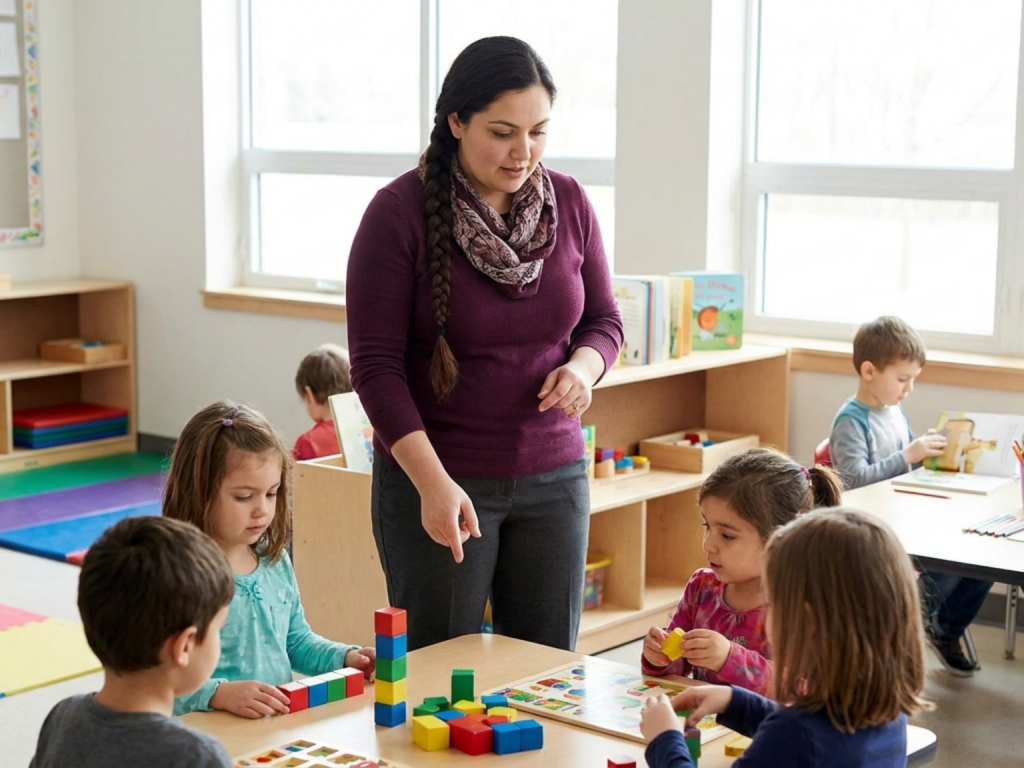
The physical design of a school influences how children move, explore, collaborate, and regulate their bodies. Early childhood classrooms, playgrounds, gyms, sensory areas, and outdoor spaces all contribute to motor development. Children need opportunities for running, climbing, balancing, throwing, drawing, building, dancing, and imaginative play. These activities support gross motor coordination, fine motor control, vestibular and proprioceptive processing, spatial reasoning, confidence, and social learning.
Scientific evidence on early childhood settings suggests that supportive teacher-student interactions and versatile physical spaces can enhance creativity, self-confidence, and imagination. Limited space and inadequate equipment may reduce opportunities for motor creativity, while environments that balance adult guidance with child autonomy foster physical, cognitive, and social development.
Movement is also related to attention and emotional regulation. Some children concentrate better after active play or structured movement breaks. Others benefit from quieter sensory spaces to recover from noise and crowding. A developmentally responsive school recognizes that children’s bodies are part of learning, not interruptions to it.
Safe physical environments also include accessible toilets, clean drinking water, appropriate lighting, manageable noise, safe playground surfaces, and emergency procedures. For children with asthma, epilepsy, diabetes, allergies, mobility limitations, or sensory processing needs, the built environment and staff preparedness may directly affect safety. Families should work with school teams and clinicians when a child needs an individualized healthcare plan at school or specific accommodations.
Routines, nutrition, sleep, and daily regulation
School provides a rhythm that can help children organize their day. Arrival routines, visual schedules, meal times, transitions, recess, homework expectations, and dismissal rituals all influence self-regulation. Predictability reduces cognitive load: children do not need to spend as much energy guessing what will happen next, so they can invest more energy in learning and relationships.
However, routines must be flexible enough to meet developmental needs. A child who struggles with transitions may need warnings, visual cues, or a calm adult check-in. A child recovering from illness may need reduced workload. A child with attention or sensory challenges may need seating adjustments or movement breaks. Predictable routines should support children, not trap them in one-size-fits-all expectations.
Nutrition is another important school-environment factor. Hunger, dehydration, and highly variable meal patterns can affect mood, attention, headache frequency, fatigue, and behavior. School nutrition habits are shaped by meal quality, time allowed to eat, peer norms, food insecurity, cultural acceptability, and whether children feel rushed or shamed. Access to breakfast and adequate lunch time can be especially important for children from families facing economic strain.
Sleep is not controlled by school alone, but school start times, homework load, extracurricular pressure, and stress can affect sleep patterns. Poor sleep can mimic or worsen attention problems, emotional reactivity, and learning difficulties. When a child is persistently exhausted, families should consider sleep hygiene, medical issues such as obstructive sleep apnea, mental health concerns, and school workload, and consult healthcare professionals when needed.
Equity, inclusion, and children with additional needs
A strong school environment is equitable. It recognizes that children arrive with different resources, languages, bodies, neurodevelopmental profiles, family structures, health conditions, and stress exposures. Equality gives every child the same thing; equity asks what each child needs to participate meaningfully.
Inclusive policies can reduce developmental risk by addressing barriers such as food insecurity, disability access, bullying, language exclusion, transportation problems, and lack of healthcare coordination. Children with chronic conditions may need medication administration at school, emergency care plans, rest breaks, infection precautions, or safe participation in physical education. Children with developmental differences may need individualized instruction, assistive technology, speech-language support, occupational therapy input, or mental health services in schools.
Socioeconomic barriers matter. A child without stable housing, reliable meals, quiet study space, or internet access may appear “unmotivated” when the real issue is chronic stress and limited resources. Trauma-informed and poverty-aware schools avoid moral judgments and instead ask practical questions: Does the child have breakfast? Is there a safe way to complete homework? Does the family know how to access support? Are fees, uniforms, or supplies creating exclusion?
Families should not have to navigate this alone. Pediatricians, school nurses, counselors, psychologists, social workers, and special education teams can help identify accommodations and referrals. When adults communicate respectfully and protect the child’s dignity, school becomes a coordinated support system rather than a place where needs are hidden.
When to seek extra support
- Persistent school refusal, panic, severe sadness, or talk of self-harm requires prompt professional attention.
- New regression in skills, sleep, toileting, language, or behavior should be discussed with a pediatrician or qualified clinician.
- Bullying, discrimination, or unsafe discipline should be addressed immediately with school leadership and appropriate safeguarding channels.
- Frequent headaches, abdominal pain, fainting, fatigue, or appetite changes may have medical or stress-related causes and should not be dismissed.
- Children with chronic illness, allergies, seizures, diabetes, or medication needs should have clear school health planning.
Tools & Assistance
- Schedule a collaborative meeting with the teacher, school counselor, and family to review concerns and strengths.
- Request developmental, psychoeducational, speech-language, or occupational therapy evaluation when learning or participation concerns persist.
- Use a simple home-school communication log to track sleep, symptoms, attendance, mood, and triggers.
- Ask about school-based health centers, counseling services, meal programs, disability accommodations, and anti-bullying procedures.
- Consult a pediatrician or child mental health professional if distress is persistent, worsening, or affecting daily functioning.
FAQ
Can a school environment really affect brain development?
Yes. Children’s brains are experience-dependent, and research links stronger school learning environments with measurable differences in white matter development. Many factors contribute, but school quality can be an important influence.
What is the most important feature of a healthy school environment?
No single feature is enough, but emotional and physical safety are foundational. Children need respectful adults, predictable routines, belonging, and appropriate academic challenge.
How do I know if my child’s school stress is serious?
Seek help if distress is persistent, worsening, causes school refusal, affects sleep or appetite, leads to physical complaints, or includes self-harm talk, bullying, or major behavior changes.
Do children with medical conditions need special school planning?
Often, yes. Children with chronic illness, allergies, seizures, diabetes, asthma, or medication needs may benefit from written plans developed with caregivers, school staff, and healthcare professionals.
Can movement and play improve learning?
Movement and play support motor coordination, self-regulation, creativity, attention, and social learning. They are especially important in early childhood but remain valuable throughout school years.
Sources
- Stanford Graduate School of Education — Stanford-led study links school environment to brain development
- National Center for Biotechnology Information (PMC) — The Role of School Environment on the Sustainable Development of Children's Motor Creativity in Early Childhood Settings
- Sensory Edge — How School Environments Influence Children's Mental and Emotional Development: Key Factors and Solutions
Disclaimer
This article is for informational purposes only and does not diagnose or treat medical, developmental, or mental health conditions. Consult a qualified healthcare professional for concerns about a child’s health, behavior, learning, or safety.


















Please log in to leave a comment.