
Intro
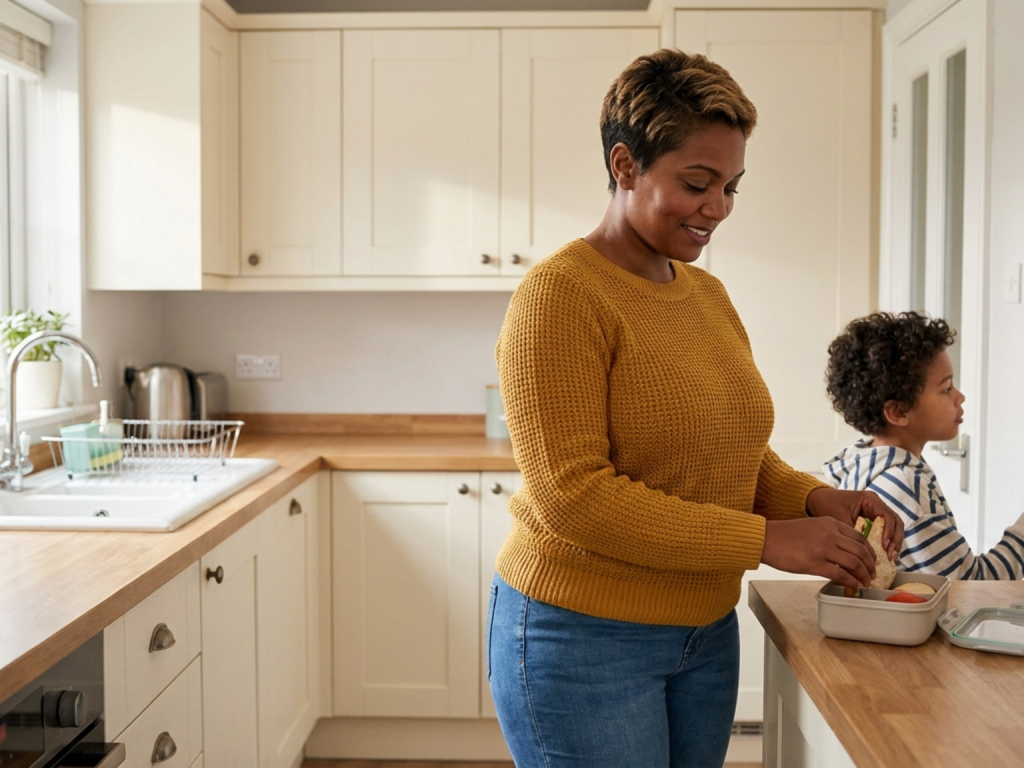
Mornings with children can feel emotionally loaded: everyone is tired, the clock is loud, and small delays can quickly become conflict. A smoother school morning is not about being a perfect parent or producing a perfectly compliant child. It is about building predictable cues, reducing decision fatigue, and protecting the basic physiology that helps children wake, eat, dress, regulate emotions, and arrive ready to learn.
For medically literate caregivers, it helps to think of the morning as a neurodevelopmental transition. Children are moving from sleep inertia to alertness, from home attachment to school demands, and from internal cues to external time pressure. Consistent routines can support executive function, emotional regulation, nutrition, sleep hygiene, and school readiness while still leaving room for flexibility and warmth.
Highlights
A calm morning usually begins the night before, with sleep, clothing, bags, meals, and expectations prepared in advance.
Predictable routines reduce cognitive load for children and can support school readiness, especially in younger children.
Visual schedules, specific praise, gentle wake cues, and buffer time are practical tools that lower conflict.
Persistent fatigue, severe anxiety, snoring, feeding difficulty, or school refusal should be discussed with a qualified healthcare professional.
Why a predictable morning routine helps children
A smooth morning routine gives children a reliable map for what happens next. This matters because many morning tasks require executive functions: sequencing, working memory, inhibitory control, time awareness, and cognitive flexibility. These skills are still developing throughout childhood. When a child knows the sequence, wake up, toilet, dress, breakfast, teeth, bag, shoes, leave, the brain spends less energy guessing and more energy cooperating.
Consistent family and child routines are also linked with school readiness. Routine consistency can help children practice attention, self-care, transition tolerance, and independence, all of which are useful in the classroom. For a younger child, the routine is not just a schedule; it is repeated rehearsal of developmental skills.
Predictability does not mean harshness. In fact, the most effective routines are warm and calm. A caregiver’s regulated tone acts as external co-regulation for the child’s nervous system. Short instructions, eye-level contact, and specific praise such as “You put your shoes by the door; that helps us leave on time” often work better than repeated general reminders.
Start the morning the night before
The best school-age morning routine often begins before bedtime. Night-before preparation reduces the number of decisions required during the biologically vulnerable early hours, when children may still have sleep inertia and caregivers may be managing their own fatigue.
Helpful evening preparation can include packing the school bag, checking homework folders, filling water bottles, choosing clothes, locating shoes, preparing lunch components, signing forms, and placing sports or music equipment near the exit. For some families, bathing or showering the night before also makes the morning less congested. If your child has sensory sensitivities, clothing seams, socks, temperature, and grooming tools can be tested in the evening rather than negotiated under time pressure.
Use a consistent bedtime routine to protect the next morning. Insufficient sleep can worsen irritability, impulsivity, inattention, appetite dysregulation, and emotional reactivity. A predictable evening wind-down, lower light exposure, and screen boundaries before bed can support circadian rhythm and reduce morning resistance. If mornings are chronically chaotic, review the evening first; a tired child is not simply being difficult, and a tired parent has fewer emotional resources.
Build a routine that matches your child’s age and temperament
A routine should fit the child’s developmental stage. Preschoolers often need pictures, physical proximity, and one-step directions. Early school-age children may manage two or three linked tasks with a visual chart. Older children can gradually take more responsibility, but they still benefit from environmental cues, realistic timing, and adult follow-up.
For a preschool visual schedule, use simple images for waking, toilet, getting dressed, eating breakfast, brushing teeth, putting on shoes, and leaving. For readers thinking about child daily routine by age, the principle is gradual transfer of responsibility: the adult designs the structure, then the child practices increasing independence within that structure.
- Preschool children: keep choices limited, such as two clothing options or two breakfast options. Use playful language and concrete cues.
- Early school-age children: use a checklist, timer, or “beat the buzzer” game to make time visible without constant adult nagging.
- Pre-teens: involve them in planning wake time, hygiene, breakfast, and bag checks. Autonomy improves buy-in when expectations are clear.
Temperament matters too. A slow-to-warm child may need more quiet time and fewer verbal prompts. A sensory-seeking child may benefit from brief movement, stretching, or dancing before sitting for breakfast. A child who becomes anxious with urgency needs more buffer time, not louder reminders.
Wake-ups, light, movement, and the biology of alertness
Waking is a physiological transition. Cortisol awakening response, circadian rhythm, prior sleep duration, and sleep quality all influence how a child appears in the first 20 to 40 minutes. Some children wake rapidly; others need a gentler ramp into alertness.
Soothing alarms, natural light, curtains opened gradually, or a consistent wake cue can help. Harsh alarms may trigger startle and irritability in some children. Morning light exposure helps reinforce the sleep-wake cycle, especially when paired with a consistent wake time across school days.
Movement can also support arousal regulation. A brief sequence of stretching, animal walks, a favorite song, or carrying a light item to the kitchen may help the vestibular and proprioceptive systems “come online.” This does not need to become a full exercise program. The goal is to shift the nervous system from sleep to functional readiness.
If a child is persistently very hard to wake, falls asleep during the day, snores loudly, has witnessed breathing pauses, wakes with headaches, or shows marked behavioral changes, discuss this with a pediatric clinician. Sleep-disordered breathing, insufficient sleep, medication effects, iron deficiency, anxiety, and other health factors can all affect morning functioning, and assessment should be individualized.
Food, hydration, and medications: reduce friction safely
Breakfast does not have to be elaborate, but many children function better with a realistic morning nutrition plan. A balanced option might include a carbohydrate source, protein, and fluid: yogurt with fruit, toast with egg, oatmeal with nut or seed butter if safe, a smoothie, or leftovers. Appetite varies, and some children are not hungry immediately after waking. In that case, a small first bite at home and a planned school snack may be more workable, depending on school rules and the child’s medical needs.
Hydration is easy to overlook. Filling a water bottle at night and offering water in the morning can prevent one more task from becoming a delay. Children with constipation, headaches, or high activity levels may be particularly affected by inadequate fluid intake, though persistent symptoms warrant medical advice.
If your child takes prescribed medication in the morning, follow the prescriber’s instructions carefully. Do not change timing, dose, or whether medication is taken with food without professional guidance. For children with asthma, allergies, diabetes, epilepsy, ADHD, or other chronic conditions, morning routines may need a written plan that includes inhalers, glucose checks, emergency medication, or school health forms. Keep these steps consistent and confirm with the child’s healthcare team if the routine is not working.
Use positive parenting instead of repeated pressure
Many morning conflicts escalate because adults repeat commands while children feel rushed, criticized, or overwhelmed. A more effective pattern is connection, instruction, follow-through, and praise. Start with a brief warm contact: “Good morning, I’m glad to see you.” Then give one clear instruction: “Please put on your shirt.” After the child completes it, name the success: “You got dressed before breakfast; that keeps our morning calm.”
Specific praise is more powerful than general praise because it tells the child exactly which behavior to repeat. Visual timers and games can help externalize the clock so the caregiver is not always the “bad guy.” For example, “Can we finish shoes before the song ends?” or “Let’s beat the buzzer and put bags by the door.”
Consequences, when needed, should be predictable and proportionate, not punitive surprises. If screens slow the morning, the boundary might be “No screens before school unless everyone is completely ready and there is extra time.” For many families, removing morning screens altogether reduces attentional capture, emotional dysregulation when the device is stopped, and time blindness.
Design the environment to make the right action easy
Environment often matters more than willpower. Create a “launch pad” near the door with shoes, bags, coats, lunch boxes, library books, and activity gear. Place the visual routine chart where the child actually stands, such as the bedroom door, bathroom mirror, or kitchen wall. Store breakfast items within reach for children who are old enough to safely help themselves.
Reduce bottlenecks. If multiple children need the bathroom, create a rotation or move hair brushing, sunscreen, or packing to another space. If one child needs more support, wake that child earlier or complete a high-friction task the night before. Build in a 10 to 15 minute buffer when possible. Buffer time is not wasted time; it is protection against spilled milk, missing shoes, emotional upset, traffic, and last-minute school notices.
Caregivers can also model problem-solving out loud: “We cannot find the blue jumper, so we will choose the gray one and put laundry on tonight’s list.” This teaches flexibility without shame. The goal is not to eliminate every problem, but to show children that problems can be handled calmly.
When mornings are consistently hard
Some morning struggles are normal, especially during school transitions, after illness, around daylight saving changes, or during family stress. However, consistent severe distress deserves attention. If your child has frequent stomachaches, headaches, panic-like symptoms, prolonged crying, refusal to enter school, aggression, regression, or major sleep disruption, consider speaking with the pediatrician, school nurse, teacher, or a child mental health professional.
Morning difficulty can reflect many possibilities: inadequate sleep, anxiety, bullying, learning challenges, neurodevelopmental differences, sensory processing needs, chronic pain, gastrointestinal symptoms, medication side effects, or family stress. It is not helpful to assume a diagnosis from the morning behavior alone. Instead, track patterns: bedtime, wake time, night waking, snoring, breakfast intake, bowel habits, screen use, school events, and emotional triggers.
Bring observations rather than conclusions to professionals. For example: “For three weeks, he cries before school on Mondays and reports abdominal pain, but he eats and plays normally on weekends.” This type of data helps clinicians and educators decide what support is appropriate. A smooth morning is important, but a child’s safety, health, and emotional well-being are more important than punctuality on any single day.
When to seek extra help
- Consult a healthcare professional if your child is persistently difficult to wake, excessively sleepy, or falling asleep during the day.
- Discuss loud snoring, breathing pauses, morning headaches, or restless sleep with a pediatric clinician.
- Seek support if school mornings involve severe anxiety, repeated vomiting, aggression, self-harm statements, or school refusal.
- Do not change prescribed medication timing or dosage to improve mornings without medical advice.
- Contact the school if bullying, learning stress, or unsafe transitions may be contributing to morning distress.
Tools & Assistance
- Create a laminated visual morning chart with movable check marks.
- Prepare a door-side launch pad for bags, shoes, coats, forms, and activity gear.
- Use a calm timer, song, or gentle alarm to make time visible.
- Keep a one-week morning log if problems persist, including sleep, food, mood, and school triggers.
- Coordinate with the teacher, school nurse, pediatrician, or child psychologist when routines do not improve.
FAQ
How early should children wake up before school?
It depends on the child’s age, commute, and temperament. Many families do better with enough time for a calm wake-up, hygiene, breakfast, and a 10 to 15 minute buffer rather than the shortest possible schedule.
Should screens be allowed before school?
For many children, screens increase delays and make transitions harder. If screens are allowed, they usually work best only after all essential tasks are complete and with a clear stopping rule.
What if my child refuses breakfast?
Avoid turning breakfast into a battle. Offer small, acceptable options and discuss persistent low appetite, weight concerns, gastrointestinal symptoms, or medication-related appetite changes with a healthcare professional.
Are reward charts appropriate?
Sticker charts or simple rewards can help younger children practice routines. Keep rewards specific, achievable, and focused on effort or task completion rather than perfection.
What should I do if mornings suddenly become very difficult?
Look for recent changes in sleep, school stress, illness, family routine, medication, or peer relationships. If distress is intense or persistent, seek guidance from a pediatrician or child mental health professional.
Sources
- Raising Children Network — Morning routine for school: practical tips
- Bright Horizons® — 8 ways to create the best morning routine for kids
- ScienceDirect (Elsevier) — Consistent routines matter: Child routines mediated the association between family routines and school readiness
Disclaimer
This article is for general educational purposes and is not a medical diagnosis or treatment plan. Consult a qualified healthcare professional for concerns about sleep, behavior, nutrition, medication, anxiety, or school refusal.















Please log in to leave a comment.