
Intro
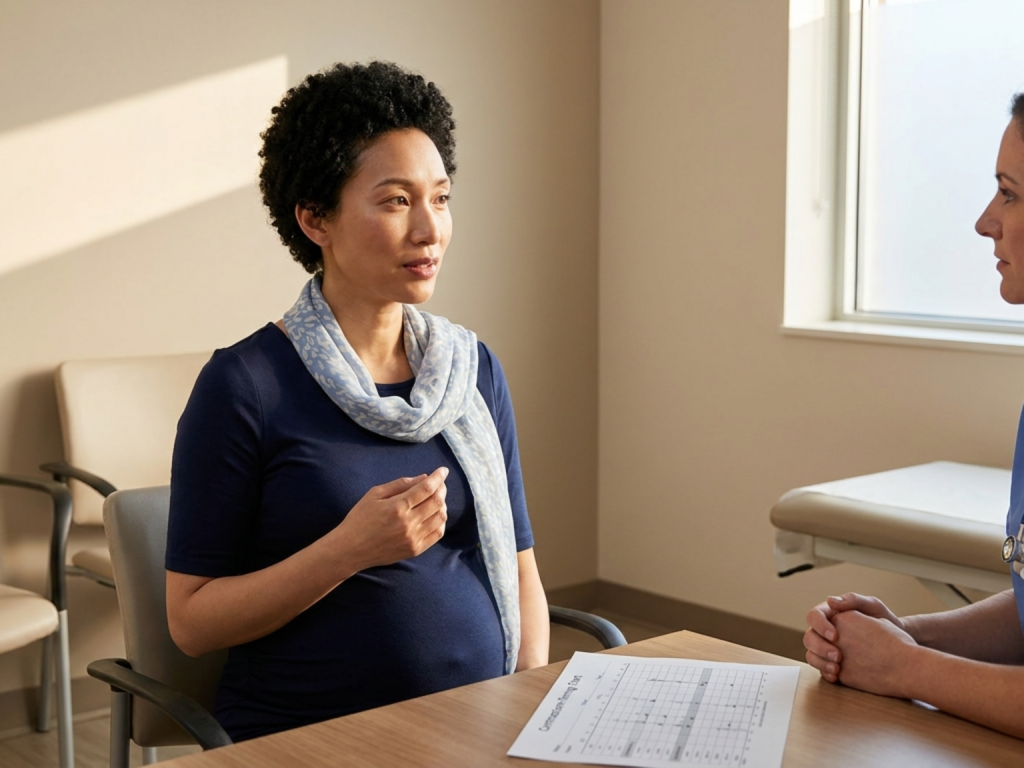
Wondering what triggers contractions naturally is common in the final weeks of pregnancy, especially when discomfort, anticipation, or a changing birth plan makes waiting feel difficult. Labor begins through a coordinated biological process involving the uterus, cervix, fetal signals, maternal hormones, and the position of the baby. Although several activities are popularly described as ways to start labor, very few have strong evidence that they reliably initiate it.
This guide distinguishes between factors associated with spontaneous labor, methods people commonly try, and interventions that require clinical supervision. The safest approach depends on gestational age, cervical findings, fetal well-being, pregnancy complications, and advice from your obstetric or midwifery team.
Highlights
Labor usually requires coordinated cervical ripening, prostaglandin activity, oxytocin release, effective uterine contractions, and a favorable fetal position.
Walking, sexual activity, nipple stimulation, and certain foods are commonly discussed, but evidence for reliably starting labor is limited or inconsistent.
A method that is reasonable in an uncomplicated term pregnancy may be unsafe after membrane rupture, with placenta previa, or in a medically complicated pregnancy.
Contractions before 37 weeks, vaginal bleeding, fluid leakage, severe pain, or decreased fetal movement require prompt professional assessment.
How labor begins biologically
Labor is not triggered by one universally identifiable switch. It is a transition from relative uterine quiescence to coordinated myometrial activity, accompanied by cervical effacement, dilation, and increasing sensitivity to uterotonic signals. Prostaglandins help soften and remodel the cervix, while oxytocin promotes rhythmic uterine contractions. As the cervix stretches, neuroendocrine feedback can encourage further oxytocin release, strengthening coordination between cervical change and contractions.
The fetus, placenta, uterus, cervix, and maternal endocrine system all contribute to this process. Fetal maturation and placental signaling may be part of the timing mechanism, but the precise sequence differs among pregnancies. A uterus can tighten without producing progressive cervical change, as occurs with many Braxton Hicks contractions. Conversely, early labor may begin subtly, with irregular contractions that gradually become more organized.
Effective labor also depends on mechanical factors. The baby’s presentation, position, and station influence how pressure is applied to the cervix and whether contractions produce progressive change. This is why an activity that causes temporary uterine tightening does not necessarily induce established labor.
Physical activity, movement, and upright positions
Walking, standing, pelvic movement, and changing positions are often suggested near term. Movement may support comfort, mobility, and maternal wellbeing, and upright positioning can use gravity and pelvic motion to facilitate fetal descent when the baby is already well positioned. Some people also notice more tightening after activity because uterine irritability becomes more apparent with exertion or dehydration.
However, evidence that routine exercise reliably initiates labor is limited. A survey of mothers in the United States found that physical activity was among the experiences people reported around the time labor began, but this type of observation cannot establish that walking caused labor. People may become more active because they already feel early labor beginning, creating reverse causation.
For an uncomplicated pregnancy, gentle activity that has already been approved by a clinician is generally a reasonable comfort and conditioning strategy. It should not be treated as a prescription to force labor. Stop and contact your care team for significant pain, bleeding, dizziness, shortness of breath, fluid leakage, regular painful contractions, or reduced fetal movement. High-impact exercise, exhaustion, overheating, and activities with a fall risk are inappropriate for many pregnant patients.
Sexual activity, semen, and nipple stimulation
Sexual activity is discussed because semen contains prostaglandins, and orgasm can produce transient uterine contractions. In theory, these mechanisms could support cervical ripening or uterine activity when the body is already close to labor. Research and clinical summaries, however, do not show that intercourse consistently starts labor in all or even most term pregnancies. The United States survey cited sexual activity as one of several reported experiences, but reported associations are not proof of effectiveness.
Nipple or breast stimulation may increase endogenous oxytocin and can cause contractions. Unlike ordinary activity, it has a plausible direct hormonal mechanism, but contractions can become frequent or prolonged, and safety depends on the clinical context. It should not be attempted without explicit guidance from the maternity team, particularly with a high-risk pregnancy, prior uterine surgery, abnormal fetal assessment, placenta-related complications, or any concern about preterm birth.
Sexual intercourse is usually avoided or requires individualized advice when membranes have ruptured, because ascending infection may become a concern. It may also be contraindicated with placenta previa, unexplained bleeding, cervical insufficiency, or specific clinician instructions. Ask before trying either approach rather than relying on general internet advice.
Foods, herbs, castor oil, and other popular remedies
Dates, spicy foods, pineapple, herbal preparations, and other dietary remedies are frequently promoted as natural labor inducers. Some foods have been studied for possible effects on cervical ripening or labor duration, but findings are inconsistent, and evidence does not establish a dependable trigger for labor. Eating a normal, balanced diet may support general wellbeing, but consuming large quantities of a particular food is unlikely to overcome an unready cervix.
Castor oil deserves particular caution. It can stimulate intestinal activity, causing cramping, diarrhea, dehydration, nausea, and electrolyte disturbance. Abdominal cramping may be confused with contractions, and dehydration can worsen maternal and fetal stress. Herbal products are not automatically gentle or safe: their ingredients, concentrations, contaminants, drug interactions, and effects on uterine activity may be uncertain. Some have limited pregnancy safety data.
Do not use castor oil, concentrated supplements, essential oils, or herbal labor preparations to induce contractions unless your qualified clinician has specifically recommended a product and dose for your situation. A natural label does not mean a method is evidence-based or risk-free. Nebraska Medicine and Novant Health both emphasize that many popular methods lack robust evidence and that the physiological requirements of labor are more complex than simply making the uterus tighten.
Emotional factors and the limits of anecdotal triggers
People sometimes report that labor began after relaxation, emotional release, a stressful event, a long car ride, a medical appointment, or a change in routine. Stress and relaxation can influence autonomic nervous system activity, sleep, muscle tension, and the perception of contractions. Oxytocin is also involved in emotional connection and labor physiology. Nevertheless, there is no reliable psychological technique that can be expected to start labor on demand.
A 2014 survey study documented mothers’ reports of physical activity, sexual activity, ingestion of substances, emotional experiences, and clinician-mediated interventions around labor onset. This is useful for understanding what people notice and try, but it was not a clinical trial and cannot determine which events caused labor. Anecdotes are especially vulnerable to recall bias and selective reporting: a person may remember the activity immediately before labor while overlooking that cervical ripening and hormonal changes were already underway.
Relaxation, sleep, hydration, supportive touch, and a calm environment may still be valuable. Their purpose is comfort and coping, not a guarantee of induction. If waiting is producing anxiety, ask your clinician to explain the expected plan, the indications for induction, and how maternal and fetal monitoring would be handled.
Cervical readiness, fetal position, and medical induction
Natural labor onset is more likely to progress when the cervix is already favorable and the baby is applying appropriate pressure. Clinicians may describe cervical readiness using effacement, dilation, consistency, position, and fetal station, sometimes summarized by a Bishop score. A cervix that is closed and firm may not respond to uterine stimulation in the same way as a cervix that is soft and partially effaced.
This explains why a method can produce contractions without establishing labor. Prostaglandin-mediated cervical remodeling, coordinated oxytocin activity, and a suitable fetal position must work together. If the baby is not well applied to the cervix, contractions may be uncomfortable but inefficient. Clinical assessment can identify factors such as malpresentation, placenta location, fetal growth concerns, or maternal conditions that change the safety calculation.
When induction is medically indicated, evidence-based options may include cervical ripening medication, a balloon catheter, amniotomy, or intravenous oxytocin, depending on the circumstances. These are not do-it-yourself methods and require informed consent, monitoring, and a discussion of benefits, alternatives, and risks. A membrane sweep is another clinician-performed option that may release local prostaglandins, but it can cause spotting and cramping and is not appropriate for everyone.
When contractions need urgent assessment
Contact your maternity unit, obstetric clinician, or midwife promptly if contractions occur before 37 weeks, become regular and painful, or are accompanied by pelvic pressure, low back pain, vaginal bleeding, or fluid leakage. Regular contractions before 37 weeks may indicate preterm labor and should not be managed with home induction methods.
Seek urgent guidance after suspected rupture of membranes, especially if the fluid is green, brown, bloody, foul-smelling, or accompanied by fever. Immediate assessment is also important for severe or persistent abdominal pain, heavy bleeding, severe headache or visual disturbance, chest pain, difficulty breathing, or a marked decrease in fetal movement.
At term, early labor can be gradual, and contractions may stop and start. Timing contractions at home may help you communicate a pattern, but follow the specific instructions given by your care team because recommendations vary with parity, distance from the hospital, pregnancy history, and complications. Do not delay assessment in order to complete a popular natural technique.
Safety reminders
- Do not attempt to induce labor at home when pregnancy is preterm or medically complicated.
- Avoid castor oil, unregulated herbs, and concentrated supplements without clinician approval.
- Do not use nipple stimulation unless your maternity professional has provided individualized guidance.
- Seek urgent advice for fluid leakage, heavy bleeding, severe pain, or decreased fetal movement.
- A contraction is not evidence of labor unless it contributes to progressive cervical change.
Tools & Assistance
- A written list of your pregnancy conditions, medications, allergies, and prior uterine procedures
- A phone number for your maternity triage service, midwife, obstetric clinician, or labor unit
- A simple timer for recording contraction frequency, duration, and pattern when advised
- A hydration plan and comfortable, clinician-approved movement for general wellbeing
- A birth-plan discussion covering expectant management, membrane sweep, and medical induction
FAQ
What is the most effective natural way to start labor?
There is no universally proven home method that reliably starts labor. Walking, sex, foods, and other approaches may coincide with labor onset, but evidence is limited. Clinical assessment is the safest way to discuss options.
Can walking trigger contractions?
Walking may make existing contractions more noticeable and can support comfort and mobility, but it has not been shown to reliably induce labor. Use only activity that your clinician considers appropriate.
Is nipple stimulation safe for inducing labor?
It can increase oxytocin and cause contractions, but it may also produce excessive uterine activity. Obtain individualized medical guidance before considering it.
Can sex bring on labor?
Semen contains prostaglandins and orgasm can cause temporary uterine tightening, but intercourse does not reliably initiate labor. It may be unsafe after membrane rupture, with bleeding, placenta previa, or other complications.
When should I call about contractions?
Call promptly for contractions before 37 weeks, suspected membrane rupture, bleeding, severe pain, reduced fetal movement, or any pattern your care team has told you to report.
Sources
- PubMed Central — What Started Your Labor? Responses From Mothers in the United States to a Survey on Labor Induction and Augmentation
- Nebraska Medicine — Natural methods of inducing labor
- Novant Health — Natural 'moves' that induce labor? We fact-check 9 claims
Disclaimer
This article is for general educational purposes and does not diagnose, treat, or replace individualized medical advice. Consult your obstetric clinician or midwife before attempting any labor-induction method, and seek urgent care for warning signs.
















Please log in to leave a comment.