
Intro
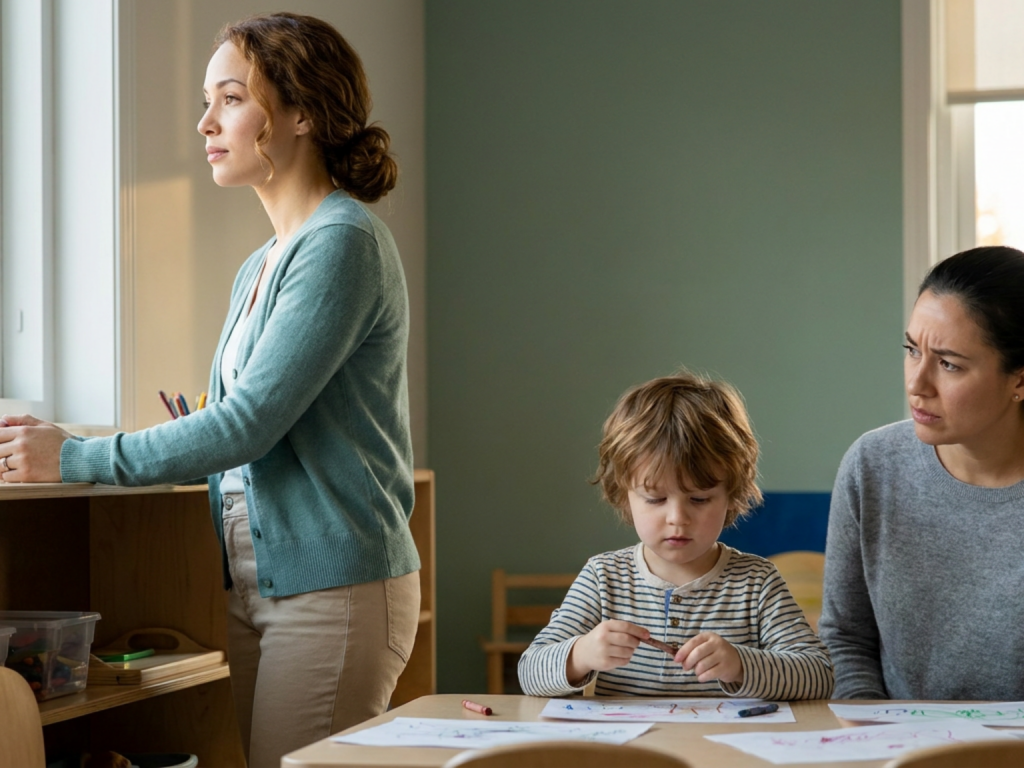
Uninvolved parenting is one of the four commonly described parenting styles, alongside authoritative, authoritarian, and permissive parenting. It is generally characterized by low warmth, low responsiveness, and low control or demands. In everyday terms, a child may experience the parent as emotionally unavailable, inconsistent, or largely absent from daily guidance, even when basic needs are sometimes being met.
It is important to approach this topic with compassion. Parenting patterns rarely develop in isolation: parental depression, trauma, substance use, poverty, unsafe relationships, overwhelming work demands, neurodevelopmental differences, and lack of support can all affect a caregiver’s ability to respond consistently. Understanding uninvolved parenting is not about blame; it is about recognizing risk, protecting children, and helping families move toward safer, more connected caregiving.
Highlights
Uninvolved parenting is typically defined by low emotional warmth, low responsiveness, and few rules, expectations, or monitoring.
Children exposed to chronically uninvolved caregiving may be at higher risk for behavioral problems, school difficulties, low self-esteem, anxiety symptoms, and insecure attachment patterns.
Research in preschool-aged children has linked uninvolved parenting with higher parenting stress and more teacher-reported child problem behaviors.
Uninvolved parenting exists on a spectrum, and occasional exhaustion or distraction does not automatically mean a parent is uninvolved.
Support, screening, therapy, parenting programs, and practical social services can help caregivers rebuild connection and structure.
What is uninvolved parenting?
Uninvolved parenting, sometimes called neglectful parenting in the parenting-style literature, refers to a pattern of caregiving marked by low warmth, low responsiveness, and low behavioral control. A parent using this style may provide minimal emotional engagement, limited supervision, few consistent rules, and little involvement in the child’s daily life. The child may not receive reliable comfort, guidance, praise, or boundaries.
In the classic parenting-style framework, warmth refers to affection, emotional availability, and responsiveness to a child’s needs. Control, in this context, does not mean harsh control; it refers to appropriate expectations, monitoring, and limit-setting. Uninvolved parenting is low in both domains. This distinguishes it from permissive parenting, which is usually high in warmth but low in limits, and authoritarian parenting, which is high in control but low in warmth.
Uninvolved parenting can look very different from family to family. In some homes, it may appear as a parent who is physically present but emotionally detached. In others, it may involve chronic absence, lack of supervision, or failure to notice school, health, or safety concerns. Severity matters: a temporary period of stress-related disengagement is not the same as persistent emotional neglect or unsafe lack of care.
Common signs of an uninvolved parenting pattern
Because parenting occurs in daily routines, the signs often appear in ordinary moments rather than dramatic events. A caregiver may seem unaware of the child’s friendships, schoolwork, emotions, health needs, or whereabouts. The child may have few predictable routines around sleep, meals, homework, hygiene, or screen use. Discipline may be absent, inconsistent, or only occur when the parent is overwhelmed.
Common features may include:
- Limited affection, praise, comfort, or interest in the child’s inner life.
- Few consistent rules, expectations, or consequences.
- Minimal monitoring of school attendance, online activity, peer relationships, or safety.
- Little involvement in medical, dental, developmental, or educational follow-up.
- Emotional unavailability, such as not responding when a child is distressed.
- Frequent prioritization of adult needs in ways that leave the child unsupported.
Some children respond by becoming highly self-reliant at an early age. Others may become clingy, angry, withdrawn, or disruptive. These reactions are not character flaws; they may be adaptations to an environment where attention, comfort, and boundaries are unpredictable.
How uninvolved parenting may affect children
Children need both connection and structure. Warmth supports emotional regulation, secure attachment, and self-worth. Appropriate monitoring and limits help children develop impulse control, social responsibility, and a sense of safety. When both are chronically low, children may struggle across several developmental domains.
Possible effects discussed in parenting research and clinical education include low self-esteem, anxiety symptoms, depressed mood, poor emotion regulation, school difficulties, social withdrawal, aggression, rule-breaking behavior, and difficulty trusting caregivers or peers. Attachment may also be affected. In attachment terms, a child may learn that distress does not reliably bring comfort, which can shape later expectations in relationships.
Evidence does not mean destiny. A child’s outcome depends on many factors, including temperament, genetics, extended family support, school environment, community safety, access to healthcare, and the presence of at least one stable, responsive adult. Research in preschool-aged children has found that uninvolved parenting was associated with higher parenting stress and more teacher-reported child problem behaviors, but associations do not prove that parenting style is the only cause. They do, however, identify an important area for early support.
Why uninvolved parenting can happen
Many caregivers who appear uninvolved are not indifferent in a simple or intentional way. Some are emotionally depleted, medically unwell, isolated, or repeating patterns they experienced as children. Others may be trying to survive serious external stressors that leave little psychological capacity for attuned caregiving.
Potential contributors include untreated depression or anxiety, post-traumatic stress, substance use disorders, intimate partner violence, unstable housing, food insecurity, long work hours, chronic pain, grief, cognitive overload, or lack of childcare. Parental burnout can also produce emotional numbing and withdrawal. In some cases, a caregiver may not have learned developmentally appropriate expectations, so they may underestimate how much guidance, supervision, and affection a child needs.
This context matters because shame alone rarely improves parenting. A more effective approach is usually supportive and practical: identify barriers, treat health conditions when present, strengthen social support, and build small, repeatable caregiving habits. If a child’s basic safety, nutrition, medical care, or supervision is compromised, prompt professional or protective support may be necessary.
Uninvolved parenting versus normal parental stress
Every parent has moments of distraction, irritability, emotional distance, or exhaustion. A caregiver who occasionally orders takeout, misses a school email, or needs quiet time after work is not automatically uninvolved. Parenting style refers to a pattern over time, not a single difficult day.
A helpful distinction is whether the child can generally count on the caregiver for safety, comfort, guidance, and repair. In healthy families, disconnection happens, but reconnection also happens. A parent may apologize, explain, hug, problem-solve, or re-establish a routine. In uninvolved patterns, the child’s needs are repeatedly missed or minimized, and there may be little effort to repair the emotional gap.
If you are worried about your own parenting, that concern itself can be a hopeful sign. Reflective capacity, the ability to think about your child’s experience and your own responses, is a key ingredient for change. A pediatrician, family physician, therapist, health visitor, social worker, or evidence-based parenting program can help you assess what is happening without reducing your family to a label.
How to move toward responsive and structured parenting
Change does not require becoming a perfect parent. It usually begins with predictable, repeated signals that the child matters and that the adult is in charge in a safe way. Small daily actions can gradually rebuild trust.
Practical starting points include:
- Set one reliable connection ritual, such as 10 minutes of phone-free attention after school or before bed.
- Create two or three clear household expectations, stated calmly and positively.
- Use predictable routines for meals, sleep, homework, hygiene, and leaving the house.
- Notice and name emotions: for example, “You look disappointed; I’m here.”
- Offer specific praise for effort, cooperation, honesty, or problem-solving.
- Follow up with school, healthcare, and childcare providers when concerns arise.
For caregivers under severe stress, the most important first step may be getting support for the adult. This might mean screening for depression, anxiety, trauma, or substance use; asking trusted relatives for practical help; contacting community services; or joining a parenting group. If there is concern about neglect, violence, or immediate danger, urgent local safeguarding or emergency services should be contacted.
When to seek professional help
Professional support is appropriate when a caregiver feels emotionally unable to respond to a child, when family routines have collapsed, when school or behavioral problems are escalating, or when a child seems persistently anxious, withdrawn, aggressive, or developmentally delayed. Help is also important if a parent is experiencing thoughts of self-harm, harmful impulses toward a child, substance dependence, or symptoms of severe depression or trauma.
A child’s pediatric clinician can screen for developmental, sleep, behavioral, and mental health concerns and can refer to appropriate services. A mental health professional can support parent-child relationship work, family therapy, or treatment for caregiver mental health conditions. Parenting interventions often focus on increasing warmth, consistent attention, positive reinforcement, and non-harsh limit-setting.
If you are a teacher, relative, clinician, or neighbor concerned about a child, document specific observations rather than relying on labels. Examples include repeated lack of supervision, untreated medical needs, chronic hunger, unsafe home conditions, or extreme emotional withdrawal. Follow your local safeguarding procedures, especially if a child may be at risk of harm.
Warning signs that need prompt support
- A child lacks safe supervision, food, shelter, essential hygiene, or needed medical care.
- A caregiver feels unable to stay emotionally or physically safe with the child.
- There are thoughts of self-harm, harm to a child, or escalating substance use.
- A child is persistently withdrawn, fearful, aggressive, or talking about wanting to die.
- School, healthcare, or childcare professionals report repeated concerns about safety or neglect.
Tools & Assistance
- Speak with your child’s pediatrician or family doctor for developmental and behavioral guidance.
- Ask for referral to a licensed child and family therapist or parent-child interaction program.
- Contact school counselors, early childhood services, or community family support workers.
- Use local crisis, domestic violence, or child safeguarding services if safety is at risk.
- Build a practical support plan with trusted relatives, friends, childcare providers, or community organizations.
FAQ
Is uninvolved parenting the same as neglect?
They overlap, but they are not always identical. Uninvolved parenting describes a low-warmth, low-control pattern; neglect is a safeguarding or legal concern when a child’s basic needs or safety are not adequately met.
Can an uninvolved parent change?
Yes. Many caregivers can become more responsive and consistent with support, treatment for underlying stressors or mental health conditions, and practical parenting strategies practiced over time.
Does one bad week make me an uninvolved parent?
No. Parenting style refers to a persistent pattern. Stress, illness, grief, or exhaustion can affect any parent temporarily; what matters is repair, support, and returning to reliable care.
What helps children recover from uninvolved caregiving?
Stable relationships with responsive adults, predictable routines, emotional validation, appropriate limits, therapy when needed, and school or community support can all be protective.
Should I confront someone I think is an uninvolved parent?
If it is safe, offer specific, nonjudgmental support rather than accusations. If a child may be unsafe or neglected, follow local child protection or safeguarding guidance promptly.
Sources
- PubMed Central — Parenting Styles, Family Characteristics, and Teacher-Reported Child Problem Behaviors in a Sample of Preschool-Aged Children
- Today's Parent — Understanding Parenting Styles
- Human Life International — The Uninvolved Parenting Style and How It Affects Your Kids
Disclaimer
This article is for informational purposes only and is not a diagnosis, treatment plan, or substitute for professional medical, mental health, or safeguarding advice. Consult qualified healthcare or child welfare professionals if you are concerned about a child’s safety or a caregiver’s wellbeing.















Please log in to leave a comment.