
Intro
Travel across time zones can be exciting for children, but sleep often becomes the first thing to unravel. A child may look tired, wired, tearful, or oddly hungry because the internal clock is still aligned with home time while the trip demands local-time behavior. That mismatch is the core of jet lag, and it can affect falling asleep, staying asleep, morning wake time, mood, and appetite.
The good news is that families can soften the transition. A few days of preparation, thoughtful use of light, and a predictable bedtime routine can reduce circadian disruption and help children adapt more comfortably. The goal is not perfection; it is to make sleep easier to find, and to reduce the chance that the whole trip is spent in overtiredness and conflict.
Highlights
Jet lag is a circadian rhythm problem, not laziness or bad behavior. Children are responding to a body clock that has not yet shifted.
Gradual schedule changes before departure can make a meaningful difference, especially for eastward trips that require earlier sleep.
Light exposure, meal timing, and a familiar bedtime routine are powerful time cues that help the brain understand local time.
Short naps can be useful after arrival, but long or late naps often make it harder for children to sleep at night.
If a child has a medical condition, habitual snoring, or severe sleep disruption, it is wise to ask a clinician for individualized advice.
Why children get jet lag
Jet lag happens when the body’s internal timing system is out of sync with the local day-night cycle. The circadian rhythm in children, like in adults, is organized by the brain’s timekeeping network and influenced by light, meals, activity, and sleep timing. When a child crosses several time zones, those signals become confusing: it may be breakfast time on the clock but biologically still night.
That mismatch can produce trouble falling asleep, waking too early, fragmented night sleep, sleepiness in the daytime, irritability, and appetite changes. Some children become clingy or emotional because fatigue lowers frustration tolerance and makes regulation harder. Younger children may not be able to explain what feels wrong; they may simply seem “off” for a day or two.
Travel direction matters too. Eastward travel usually requires the body to shift earlier, which can be harder because it asks a child to sleep before the internal clock is ready. Westward travel often asks for a later schedule, which some children tolerate more easily. Either way, the goal is to reduce circadian misalignment gradually rather than forcing a sudden change.
Start shifting the schedule before you leave
If your trip is more than one time zone away, begin with small changes before departure. Families often do best when they adjust bedtimes, wake times, and mealtimes by 15 to 30 minutes per day for several days, if the itinerary allows. This gradual approach gives the body clock time to move without creating a big sleep debt.
Keep the bedtime routine steady while you adjust the clock. A predictable sequence such as bath, pajamas, brushing teeth, story, lights out gives the brain a repeated cue that sleep is coming. The routine does not need to be elaborate; consistency matters more than novelty. For a child who resists change, it can help to explain that the family is preparing the body for a different time zone.
Light also matters. Bright morning light tends to move the clock earlier, which can help when traveling east. Reducing bright light in the evening can support an earlier bedtime. If travel is westward, the opposite may be useful: staying in daylight a little later can help the child remain awake until a later local bedtime. These are general principles, though, not rigid rules, and they may need to be balanced with the child’s age, temperament, and school or activity schedule.
Protect sleep during the journey itself
Long trips can be unpredictable, but even small choices can protect sleep. Try to match sleep and meal timing to the destination time zone when practical. If the child must sleep on the plane or in the car, aim for a nap that is restorative but not so long that it erases bedtime sleep pressure later. A short nap is usually easier to recover from than a long one late in the day.
Comfort cues from home can help, especially for younger children. A familiar blanket, stuffed animal, or bedtime book can reduce stress in a strange environment. Darkened surroundings, a quiet seat or room, and a consistent pre-sleep sequence can all support sleep onset. Many families find it easier if screens are limited before the planned sleep period, because bright and engaging content can keep the brain alert when it should be powering down.
Try to avoid turning the trip into a battle over sleep. If a child cannot fall asleep, quiet rest still has value. The body is under strain from travel, and reducing stimulation may be more realistic than forcing sleep. Comfort, patience, and a flexible plan often work better than pressure.
The first 48 hours after arrival matter most
Once you arrive, daylight is one of the strongest tools you have. Practical morning light exposure for children can help reset the internal clock toward local time, especially after an eastward trip. When it is morning at the destination, get outside if possible. Natural light, walking, and ordinary activity send a clear signal that the day has started.
Meals can also anchor the new schedule. Breakfast, lunch, and dinner at local times help the body anticipate sleep and wakefulness. This does not mean a child must eat perfectly on the minute. It means trying to avoid drifting back to home-time eating patterns for too long, because that can prolong circadian confusion.
After arrival, be thoughtful about naps. If a child is exhausted, a brief nap earlier in the day may prevent a meltdown and make bedtime more realistic. But long naps, or naps too close to bedtime, can delay sleep onset and stretch jet lag over additional days. In the evening, dim the lights, reduce noise, and return to the familiar bedtime routine. The aim is to make the local bedtime feel boring, safe, and expected.
Tailor the plan to your child's age and needs
Different children need different levels of support. Toddlers and preschoolers often rely heavily on physical routines, predictable cues, and reassurance from caregivers. School-age children can usually understand the idea that their body clock is adjusting to a new place, and they may cooperate better when the plan is explained in simple terms. Preteens may want some control, so letting them help choose the bedtime book, travel pillow, or morning activity can improve buy-in.
Children with neurodevelopmental differences, anxiety, asthma, epilepsy, gastroesophageal reflux, or suspected sleep-disordered breathing may have a harder time with disrupted sleep. Habitual snoring, observed pauses in breathing, or very restless sleep deserve professional attention whether or not travel is involved. In those situations, a pediatrician or sleep specialist may suggest a more individualized strategy.
It is also worth considering the practical realities of the trip. A red-eye flight, a late hotel check-in, or a family wedding can all strain sleep plans. When expectations are realistic, parents are less likely to interpret jet lag as defiance and more likely to see it as a temporary biological adjustment.
When to seek medical advice
Most children recover from jet lag with time, routine, and daylight. However, persistent or severe sleep disturbance deserves medical input. Ask a clinician if your child has symptoms that seem out of proportion to the trip, if sleep problems continue well after the body should have adjusted, or if there are signs that another issue may be present.
Get prompt advice if a child has extreme daytime sleepiness, repeated vomiting, dehydration, confusion, breathing pauses during sleep, worsening snoring, or a major change in behavior that does not improve with rest. These are not typical jet lag features and should not be brushed aside. Likewise, if your child takes sedating medicine, has a chronic health condition, or travels internationally often, it is sensible to discuss a prevention plan before leaving.
Parents often feel pressure to fix jet lag immediately, but some adaptation is normal. The aim is steadier sleep, not a flawless first night. With a realistic plan, most children gradually sync to the new time zone and regain their usual energy.
When to get medical help
- Seek urgent care for confusion, dehydration, repeated vomiting, or breathing pauses during sleep.
- Ask a pediatrician if snoring is habitual or sleep seems unusually restless or fragmented.
- Get individualized advice before travel if your child has epilepsy, asthma, neurodevelopmental conditions, or uses sedating medicines.
- Do not assume every symptom is jet lag if sleep problems are severe or last longer than expected.
Tools & Assistance
- Pediatrician or family doctor for individualized travel advice
- Travel itinerary and time-zone converter to plan sleep shifts
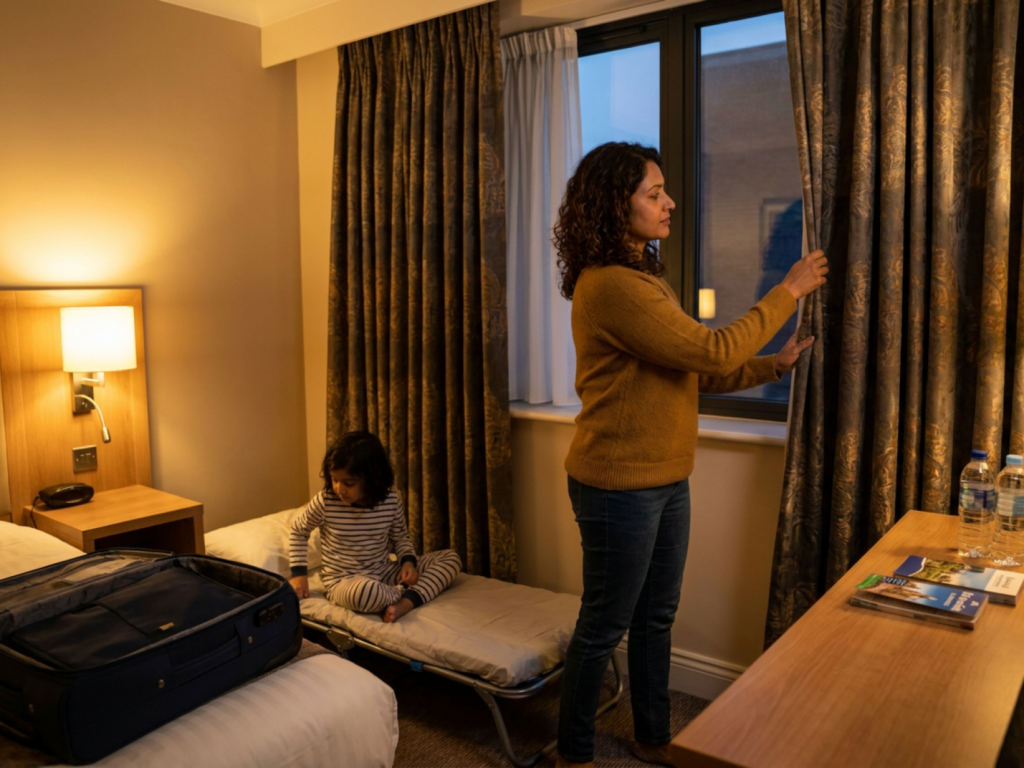
- Blackout curtains or portable room-darkening options at the destination
- Familiar sleep item from home, such as a blanket or stuffed toy
- Hotel or airline request for a quieter, sleep-friendly arrangement
FAQ
How many days before travel should we start changing sleep time?
If possible, begin a few days in advance with small shifts of 15 to 30 minutes per day. The exact plan should fit the child's age, trip length, and medical needs.
Should my child nap after arrival?
A brief nap can help if the child is overtired, but long or late naps may make nighttime sleep harder. Earlier, shorter naps are usually easier to recover from.
Is light really that important?
Yes. Light is one of the strongest signals for the circadian clock. Morning light helps move the clock earlier, while evening light can delay it.
What if my child refuses to sleep in the new time zone?
Stay calm, keep the routine predictable, and reduce stimulation. Quiet rest, a dark room, and consistent wake times often help more than pressure.
When should we speak with a clinician?
Speak with a clinician if the child has a chronic condition, habitual snoring, breathing concerns, or sleep disruption that seems unusually severe or prolonged.
Sources
- Mayo Clinic — Jet Lag Disorder - Diagnosis and treatment
- Mayo Clinic — Jet lag and other sleep disorders relevant to the traveler
- Raising Children Network — Family holidays, kids' sleep & jet lag
Disclaimer
This article is for general information only and does not replace individualized medical advice. If you are concerned about your child's sleep, breathing, or overall health while traveling, consult a qualified clinician.

















Please log in to leave a comment.