
Intro
Safe sleep advice can feel emotionally complicated. Many caregivers are exhausted, recovering from birth, balancing family traditions, or trying to soothe a baby who wakes often. The goal of safe sleep guidelines is not to blame parents, but to reduce modifiable risks for sleep-related infant deaths, including sudden unexpected infant death, accidental suffocation, and strangulation during sleep.
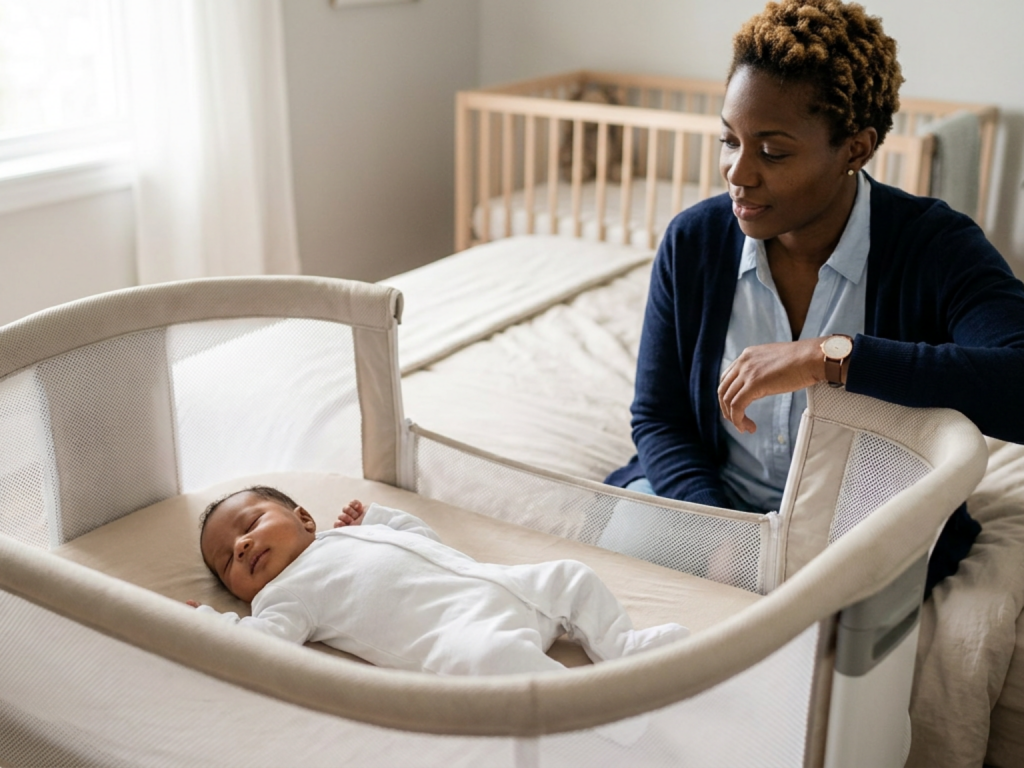
In the United States, the American Academy of Pediatrics, the Centers for Disease Control and Prevention, and pediatric health systems consistently emphasize a simple core message: every sleep, day or night, should be on the baby’s back, on a firm and flat infant sleep surface, in the caregiver’s room but not in the caregiver’s bed. These recommendations apply to naps, nighttime sleep, and moments when a baby unexpectedly falls asleep. If your baby was born prematurely, has reflux, has congenital conditions, or needs medical equipment, ask your pediatrician or neonatal team how to apply safe sleep practices to your situation.
Highlights
Place babies on their backs for every sleep unless a clinician gives a different individualized instruction for a specific medical reason.
Use a firm, flat, safety-approved sleep surface with only a fitted sheet; keep pillows, loose blankets, bumpers, toys, and soft objects out of the sleep space.
Room-sharing without bed-sharing is recommended because it keeps the baby nearby while reducing hazards associated with adult beds, couches, and armchairs.
Avoid overheating, smoke exposure, weighted sleep products, and routine sleep in sitting devices such as car seats, swings, and bouncers.
Why safe sleep guidance matters
Sleep-related infant deaths are uncommon, but they are devastating and often occur during ordinary sleep routines. Public health guidance focuses on reducing risk factors that can compromise an infant’s airway, breathing, arousal response, or ability to move away from a hazard. Infants have immature neuromuscular control, small airways, and developing autonomic responses, so their sleep environment matters in a way that differs from older children and adults.
Sudden infant death syndrome is one type of sudden unexpected infant death. Other sleep-related deaths may involve accidental suffocation, entrapment, wedging, or strangulation. Because the exact mechanism is not always known in an individual case, safe sleep guidance emphasizes layers of risk reduction rather than one single prevention step. These layers include position, surface, sleep space, temperature, caregiver alertness, and avoiding smoke exposure.
It is also important to say plainly that babies wake frequently because they are babies, not because caregivers are doing something wrong. Newborns and young infants have short sleep cycles, frequent feeding needs, and immature circadian rhythms. Safe sleep guidelines are meant to support families through that normal difficulty while keeping the sleep environment as low-risk as possible.
Back to sleep for every sleep
The standard US recommendation is to place infants on their backs for all sleep times, including naps and overnight sleep. This is often called the supine infant sleep position. Back sleeping helps keep the airway more open and is associated with a lower risk of sudden unexpected infant death compared with stomach or side sleeping.
Some caregivers worry that a baby who spits up will choke while lying on the back. For most healthy infants, the anatomy of the airway and esophagus helps protect against this; major pediatric organizations still recommend back sleeping, including for many babies with gastroesophageal reflux. However, if your baby has a specific airway disorder, neurologic condition, recent surgery, or complex medical history, ask your clinician for individualized instructions.
Side sleeping is not considered a safe compromise because babies can roll from the side onto the stomach. Once a baby can roll independently from back to stomach and stomach to back, you should still place the baby down on the back at the start of sleep, but you generally do not need to reposition them repeatedly during the night unless your pediatrician advises otherwise.
Build a safe infant sleep space
A safe infant sleep space starts with a crib, bassinet, portable crib, or play yard that meets current safety standards. The mattress should be firm and flat, with a tightly fitted sheet designed for that exact product. The sleep surface should not be inclined, cushioned, padded, or soft enough for the baby’s face to sink into it.
- Use only a fitted sheet on the mattress.
- Keep pillows, quilts, comforters, loose blankets, stuffed animals, positioners, bumper pads, and nonessential objects out of the sleep area.
- Do not add aftermarket padding, wedges, inserts, or sleep positioners.
- Keep cords, monitor wires, curtain ties, and dangling objects away from the crib or bassinet.
- Follow the product’s weight, height, and developmental limits, especially once a baby can push up, roll, or sit.
Soft bedding and loose objects can obstruct the nose and mouth, increase rebreathing of exhaled air, or create entrapment hazards. A firm, flat infant sleep surface may look sparse compared with adult bedding, but sparse is the goal for infant safety.
Room-sharing without bed-sharing
Room-sharing without bed-sharing means the baby sleeps in the same room as the caregiver, close to the bed, but on a separate safe sleep surface. This arrangement can make feeding, comforting, and monitoring easier while avoiding the hazards of adult mattresses, pillows, blankets, gaps, and caregiver fatigue.
Adult beds are not designed for infant sleep. Risks increase if a caregiver is very tired, has used alcohol, cannabis, sedating medications, opioids, or other substances that reduce arousal. Sofas, recliners, and armchairs are especially hazardous because an infant can become wedged between cushions or against a caregiver’s body. If you think you might fall asleep while feeding, it is safer to plan ahead: remove pillows and loose bedding from the immediate area, feed in the least hazardous location available, and return the baby to the crib or bassinet as soon as you wake.
Families deserve realistic strategies, not judgment. Night feeds are physiologically normal, and caregiver sleep deprivation is real. If multiple adults are available, consider shifts. If you are alone, set up the room before bedtime so the bassinet is within reach, feeding supplies are nearby, and you do not need to carry the baby through a dark home while exhausted.
Avoid overheating and unsafe sleep products
Overheating during infant sleep is considered a modifiable risk factor. A baby generally needs no more than one additional light layer compared with what an adult would wear comfortably in the same room. Signs that a baby may be too warm include sweating, flushed skin, damp hair, or a hot chest. Hands and feet can feel cool even when core temperature is adequate, so the chest or back is a better place to check warmth.
Use wearable blankets or sleep sacks instead of loose blankets when extra warmth is needed. Avoid weighted blankets, weighted swaddles, weighted sleep sacks, and other products that add pressure to the chest or body. These may interfere with normal movement or breathing, and they are not part of standard safe sleep recommendations.
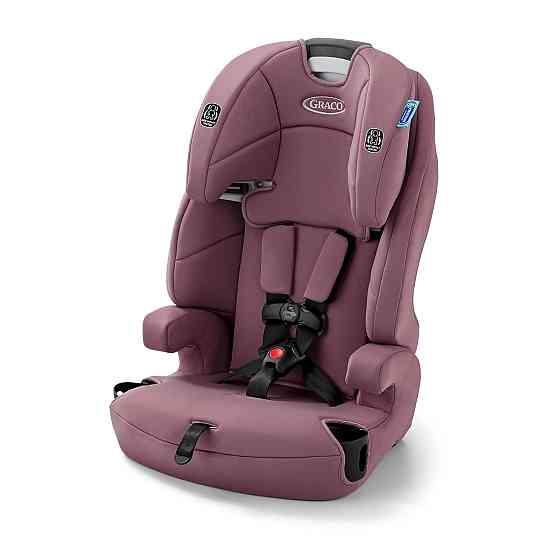
Inclined sleepers, nursing pillows, loungers, swings, bouncers, and car seats are not recommended for routine sleep. Car seats are essential for travel safety, but if a baby falls asleep in a car seat outside the car or after travel, move the baby to a firm, flat sleep surface as soon as practical. Sitting devices can allow the head to flex forward, which may narrow the airway, especially in young infants.
Swaddling, pacifiers, feeding, and smoke-free air
Swaddling may calm some newborns, but it must be done safely. A swaddle should be snug around the chest but not tight, with room for hip and knee movement to reduce concern for hip dysplasia. The baby should always be placed on the back. Stop swaddling as soon as the baby shows signs of trying to roll, and do not use weighted swaddles.
Offering a pacifier at nap time and bedtime is associated with lower risk of sleep-related infant death. If breastfeeding, many clinicians suggest waiting until feeding is well established before introducing a pacifier, unless your pediatrician or lactation professional advises differently. If the pacifier falls out after the baby falls asleep, you do not need to reinsert it. Do not attach pacifiers to strings, clips, stuffed animals, or cords during sleep.
Breastfeeding is associated with reduced risk of sudden unexpected infant death and has many additional health benefits, but feeding choices are personal and sometimes medically complex. Whether a baby is breastfed, formula-fed, or combination-fed, the sleep environment still matters. A smoke-free newborn sleep environment is also essential. Avoid smoking or vaping during pregnancy and after birth, and keep the baby’s home, car, and caregiving spaces free from tobacco, nicotine, cannabis smoke, and secondhand exposure whenever possible.
Special situations and conversations with clinicians
Some babies have medical circumstances that require extra planning, such as prematurity, low birth weight, airway anomalies, congenital heart disease, neuromuscular conditions, or the need for oxygen, monitors, or feeding tubes. Safe sleep practices still matter, but the practical setup may need to be individualized. Your pediatrician, neonatologist, pulmonologist, or home health team can help reconcile medical equipment with a safe sleep environment.
Home cardiorespiratory monitors and consumer breathing monitors should not be relied on as a substitute for safe sleep. They may be useful in selected medical situations when prescribed and explained by a clinician, but they do not make an unsafe sleep surface safe. Similarly, products marketed with terms like “natural,” “ergonomic,” or “baby-approved” are not automatically safe for sleep unless they meet appropriate infant sleep product standards and are used exactly as directed.
If a caregiver, grandparent, babysitter, or childcare provider uses older practices, approach the conversation with respect and clarity. You might say, “Our pediatrician wants every sleep on the back in an empty crib,” or “We are using current safe sleep guidance, even for naps.” Consistency across caregivers is one of the most practical ways to protect babies.
When to seek urgent help
- Call emergency services if your baby is not breathing normally, is blue or gray, limp, or difficult to wake.
- Seek urgent care if an infant has pauses in breathing, repeated choking episodes, or concerning color changes.
- Do not use pillows, wedges, or inclined products to treat reflux unless a clinician specifically directs a medical plan.
- Avoid sleeping with a baby on a couch, recliner, or armchair, especially when tired or after sedating substances.
- Ask a pediatrician promptly if safe sleep guidance seems difficult to follow because of prematurity, medical equipment, or feeding problems.
Tools & Assistance
- Ask your pediatrician to review your baby’s sleep setup at a newborn or well-child visit.
- Use a crib, bassinet, portable crib, or play yard that meets current safety standards.
- Create a nighttime feeding plan that accounts for caregiver sleep deprivation.
- Share the same safe sleep instructions with grandparents, babysitters, and childcare providers.
- Contact a lactation consultant or pediatric clinician if feeding challenges are making nights unsafe.
FAQ
Can my baby sleep on their stomach if they seem more comfortable?
For infants, comfort does not outweigh safety guidance. Place your baby on the back for every sleep unless your clinician gives a specific medical instruction otherwise.
Is it safe to use a blanket if it is tucked in tightly?
Loose bedding is not recommended for infant sleep. A wearable blanket or appropriately sized sleep sack is usually a safer option for warmth.
What should I do if my baby rolls onto their stomach during sleep?
Continue placing your baby on the back at the start of sleep. If the baby can roll both ways independently, repeated repositioning is usually not necessary unless your pediatrician advises it.
Are baby loungers or nursing pillows okay for supervised naps?
They are not recommended for sleep. If a baby falls asleep on a lounger, nursing pillow, swing, or bouncer, move the baby to a firm, flat sleep surface as soon as possible.
Does using a home breathing monitor prevent SIDS?
Consumer monitors are not a replacement for safe sleep practices. Use medical monitors only as directed by a healthcare professional.
Sources
- American Academy of Pediatrics — How to Keep Your Sleeping Baby Safe: AAP Policy Explained
- Centers for Disease Control and Prevention — Providing Care for Babies to Sleep Safely | SUID and SIDS
- Johns Hopkins Medicine — Infant Safe Sleep
Disclaimer
This article is for general educational purposes and does not replace medical advice, diagnosis, or treatment. Always consult your pediatrician or qualified healthcare professional about your baby’s individual needs.












Please log in to leave a comment.