
Intro
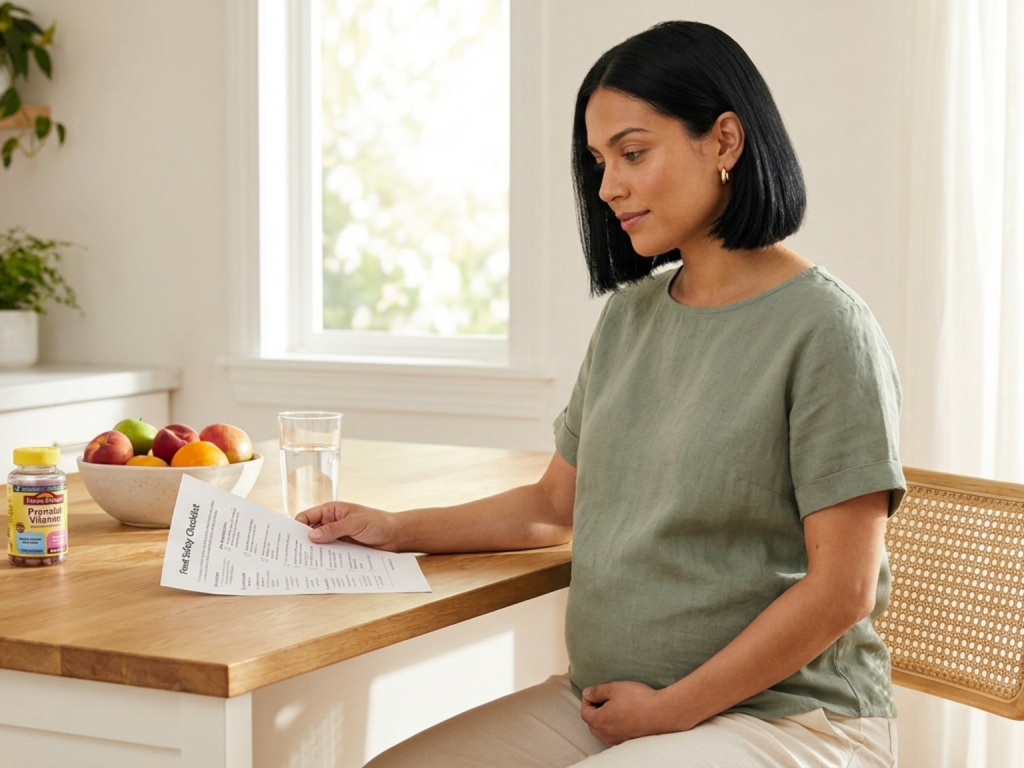
Pregnancy does not require a perfect lifestyle, but it does call for a few consistent protective habits. Many everyday risks are small on their own, yet they can add up through repeated exposure, so the goal is to lower avoidable harm rather than to control every detail. Supportive routines around food, hydration, movement, substances, and environmental exposures can make daily life safer and less stressful.
For medically literate readers, the useful frame is risk reduction: protect against foodborne infection, avoid alcohol and tobacco, keep folate intake adequate, stay active in ways that match your pregnancy, and ask for help early when symptoms seem out of proportion. Your obstetric clinician, midwife, or family doctor can tailor these choices to your medical history, medications, and pregnancy course.
Highlights
Small daily decisions matter most when they are repeated: food safety, hydration, substance avoidance, and reasonable rest can all lower risk.
A practical routine is better than perfection. Build habits you can actually repeat on workdays, weekends, and days when fatigue is high.
Foodborne infection, smoke exposure, and alcohol are among the most avoidable harms in pregnancy, so they deserve clear boundaries.
Movement is usually beneficial in uncomplicated pregnancy, but heat, dizziness, pain, and overexertion are signals to slow down and reassess.
When a symptom is severe, persistent, or changing quickly, prevention is no longer enough and prompt prenatal guidance is the safest next step.
Why daily routines matter in pregnancy
Pregnancy changes physiology in ways that make some ordinary exposures more consequential. Blood volume rises, the immune system is modulated, the gastrointestinal tract may slow down, and balance can change as the uterus grows. None of that means ordinary life becomes fragile, but it does mean that repeated low-grade risks deserve attention. A single skipped meal or a warm afternoon is rarely the issue; the pattern is what matters.
Think in terms of cumulative protection. Handwashing before food preparation, choosing pasteurized dairy, and keeping cooking surfaces clean reduce the chance of infection. Drinking enough fluids supports circulation and can help with constipation. Taking folic acid or a prenatal vitamin as advised is a long-game intervention, not an emergency fix, because neural tube development occurs early. The most useful habits are the ones that feel boring and repeatable.
It can help to write a short daily checklist: eat safely, drink regularly, avoid alcohol and tobacco, move a little if you are able, and check in with yourself about symptoms. If your pregnancy has complications, multiples, hypertension, diabetes, hyperemesis, or another condition, your clinician may recommend more specific limits or monitoring.
Food and drink choices that reduce avoidable risk
Food safety is one of the highest-yield ways to prevent harm during pregnancy. The main concern is foodborne infection, which can be more serious in pregnancy than it is at other times. Use careful cooking, refrigeration, and handwashing habits, and be especially cautious with foods that are more likely to carry bacteria or parasites. This includes undercooked meat, eggs with runny yolks, unpasteurized dairy, and foods that have sat out too long.
A practical approach is to keep your kitchen predictable. Separate raw and ready-to-eat foods, wash fruits and vegetables, reheat leftovers until steaming, and use pasteurized products whenever possible. If you eat fish, choose lower-mercury options and avoid high-mercury fish, which can increase fetal exposure to mercury. Hydration habits in pregnancy also matter here: regular fluids support circulation, digestion, and comfort, especially if nausea or constipation is present.
- Keep a short routine for pregnancy foodborne infection precautions.
- Choose pasteurized milk, yogurt, cheese, and juices.
- Wash hands before eating and after handling raw foods.
- Drink water consistently through the day rather than waiting for thirst.
- Ask your clinician if you need individualized guidance for nausea, diabetes, food aversions, or vegetarian eating.
Folic acid is another important daily nutrient. It helps reduce neural tube defects, and many clinicians recommend a prenatal vitamin containing folic acid before and during pregnancy, especially early on.
Substances, medicines, and supplements
Alcohol and tobacco are two of the clearest daily hazards to avoid in pregnancy. Public health guidance recommends not drinking alcohol and not smoking, because both can harm fetal development and increase pregnancy complications. Secondhand smoke and nicotine exposure also matter, so smoke-free environments are worth protecting at home, in the car, and at work. If quitting is hard, ask about cessation support rather than trying to manage alone.
Medication safety deserves the same level of attention. A pregnancy medication and supplement review with your clinician or pharmacist can identify products that are safe, unnecessary, duplicate, or potentially risky. That includes prescription drugs, over-the-counter remedies, vitamins, herbal products, and “natural” blends marketed as cleansing or boosting energy. Many supplements are not well studied in pregnancy, and ingredient labels can be incomplete or misleading.
A reasonable rule is simple: do not start, stop, or combine medicines or supplements on your own unless a qualified clinician has already said they are appropriate. If you need symptom relief for nausea, reflux, constipation, allergies, pain, or sleep, ask for pregnancy-specific advice. The safest plan is individualized, because what is harmless for one person may be inappropriate for another based on comorbidities, gestational age, or other medications.
Movement, lifting, and heat exposure
For many people with uncomplicated pregnancies, moderate physical activity while pregnant is beneficial and may support cardiovascular fitness, mood, circulation, and bowel function. The exact type and intensity should be individualized, but routine walking, swimming, stationary cycling, and other low-impact activities are commonly well tolerated. The goal is not athletic performance; it is steady movement that does not provoke symptoms.
At the same time, the body’s response to heat and exertion changes in pregnancy. Overheating prevention in pregnancy is worth planning for, especially in hot weather, humid environments, or crowded indoor spaces. Drink fluids, take breaks, seek shade or air conditioning, and reduce intensity if you feel dizzy, short of breath, or unusually fatigued. If your exercise or work involves heavy lifting, sudden twisting, or risk of falling, ask whether modifications are appropriate.
Warning signs during activity include chest pain, vaginal bleeding, leaking fluid, contractions that become regular, severe pelvic pain, or reduced tolerance compared with your usual baseline. These do not mean something is definitely wrong, but they do mean the body is asking for reassessment. A good rule is that you should be able to talk in short sentences while exercising unless your clinician has given different targets.
Home, work, and environmental exposures
Many pregnancy risks live in the background of ordinary environments rather than in dramatic events. The protective response is usually practical rather than restrictive: improve ventilation, use gloves for messy tasks, wash hands after handling trash or soil, and read labels on cleaning products before use. Strong fumes, aerosol sprays, and solvent-heavy products can be irritating, so it is reasonable to limit exposure and open windows when possible.
Workplaces can require additional planning if you are around chemicals, high heat, repetitive lifting, long standing periods, or infectious exposures. Occupational guidance should be individualized, because the relevant risk depends on the exact task, the duration of exposure, and any pregnancy complications. If your job feels physically demanding, ask about reasonable accommodations early, not only after symptoms become severe.
Daily life safety also includes the small logistics that reduce strain: wear supportive footwear if balance is changing, pace errands so you can sit and hydrate, and avoid rushing when you are carrying bags or navigating stairs. These are not dramatic interventions, but they reduce falls, dehydration, and exhaustion. If you are unsure whether a specific home, hobby, or job exposure is safe, bring the details to prenatal care rather than guessing.
Knowing when prevention is not enough
Good prevention can lower risk, but it cannot replace medical evaluation when symptoms become significant. Call your prenatal clinician promptly if you have vaginal bleeding, leaking fluid, severe or persistent abdominal pain, severe headache, vision changes, swelling of the face or hands, fever, or vomiting that prevents you from keeping fluids down. After fetal movement has become regular in your pregnancy, a noticeable reduction can also warrant same-day advice.
It is also important not to normalize a steady worsening pattern. If you are increasingly short of breath, faint, unable to eat, or becoming dehydrated despite home measures, you may need in-person assessment. Likewise, if anxiety, low mood, panic, or intrusive thoughts are making it hard to eat, sleep, or function, that deserves attention just as much as a physical symptom.
Prevention is strongest when it is paired with access to care. Keep your prenatal contact numbers saved, know where to go after hours, and do not wait for a routine visit if something feels clearly wrong. Asking early is not overreacting; it is part of safe pregnancy care.
Seek urgent medical advice now if you notice
- Heavy vaginal bleeding, fluid leakage, or regular contractions before term
- Severe abdominal pain, chest pain, fainting, or significant shortness of breath
- Persistent vomiting, inability to keep fluids down, or signs of dehydration
- Severe headache, vision changes, or swelling of the face or hands
- A sudden decrease in fetal movement after you have been feeling regular movement
Tools & Assistance
- A prenatal medication and supplement list kept on your phone
- A food safety checklist for your kitchen and grocery trips
- A reusable water bottle and a hydration reminder routine
- Your obstetric clinic, midwife, family doctor, or pharmacist for questions
FAQ
What are the most important daily habits for preventing harm in pregnancy?
Focus on food safety, hydration, alcohol and tobacco avoidance, prenatal vitamins or folic acid as advised, and reasonable activity matched to your symptoms and medical history.
Is exercise usually safe in pregnancy?
For many uncomplicated pregnancies, yes. Moderate physical activity while pregnant is commonly encouraged, but intensity and exercise type should be individualized by your prenatal clinician.
Which foods need extra caution?
Use extra care with undercooked meat, eggs, unpasteurized dairy, and high-mercury fish. Good handwashing and safe food handling also reduce infection risk.
Should I check every medicine and supplement with a clinician?
Yes. A pregnancy medication and supplement review is a good idea before starting anything new, including herbal or over-the-counter products.
Sources
- Office on Women's Health — Staying healthy and safe
- Office of Disease Prevention and Health Promotion — Have a Healthy Pregnancy - MyHealthfinder
- Eunice Kennedy Shriver National Institute of Child Health and Human Development — What can I do to promote a healthy pregnancy?
Disclaimer
This article is for general education only and does not replace personalized medical advice, diagnosis, or treatment. If you have symptoms, concerns, or a higher-risk pregnancy, contact your obstetric clinician promptly.















Please log in to leave a comment.