
Intro
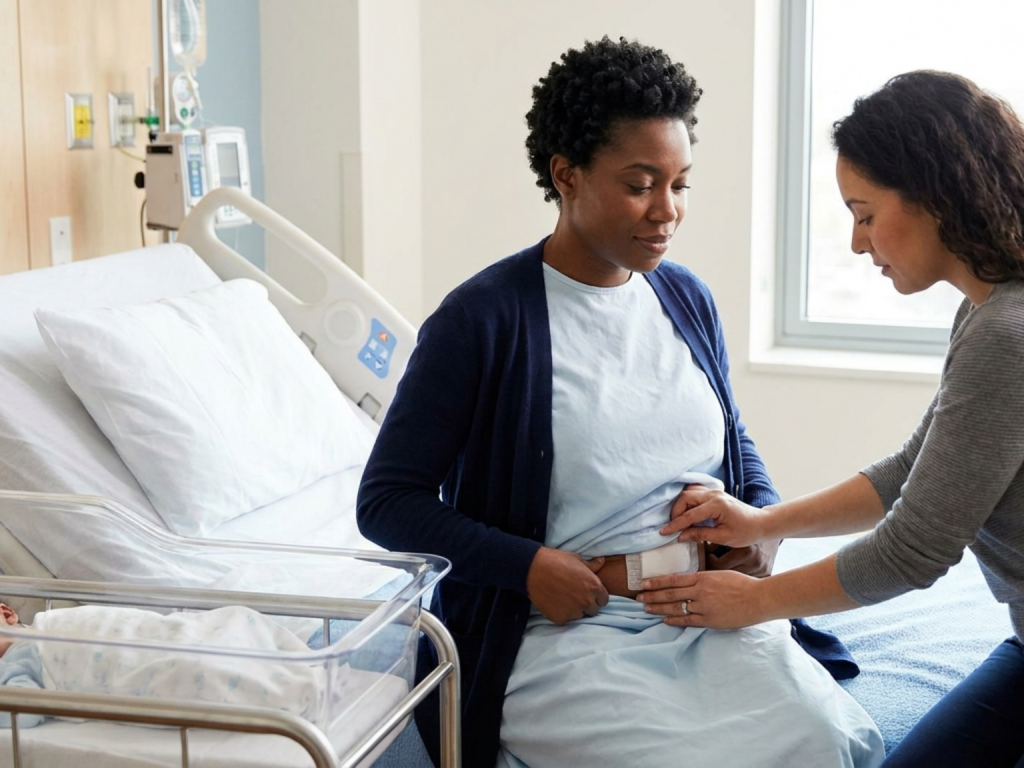
A cesarean birth is both a way of delivering a baby and a major abdominal operation. The body is recovering from pregnancy, uterine involution, blood loss, anesthesia, tissue healing, and the demands of newborn care at the same time. It is normal for recovery to feel layered rather than linear.
Highlights
Cesarean recovery involves the abdominal wall, uterus, skin incision, pelvic organs, circulation, digestion, and lactating breasts, not only the visible scar.
Pain, fatigue, vaginal bleeding, swelling, and reduced mobility are common early physical effects, but severe or worsening symptoms should be assessed promptly.
The uterine scar usually heals well, yet it can influence future pregnancy planning and decisions about vaginal birth after cesarean.
Gentle movement, incision care, hydration, bowel support, and individualized pain control can support recovery when guided by a clinician.
Why cesarean recovery affects several body systems
A cesarean section creates surgical openings through the skin, subcutaneous tissue, fascia, abdominal muscles or their midline separation, peritoneal layers, and the uterus. Even when the operation is uncomplicated, the body must repair tissue trauma while also reversing the physiologic changes of pregnancy. Blood volume, fluid balance, coagulation activity, hormone levels, breast physiology, bowel motility, and uterine size are all shifting in the first days and weeks.
The visible incision is only one part of recovery. The uterine incision must seal and strengthen internally, while the uterus contracts down from pregnancy size. These contractions, sometimes called afterpains, can intensify during breastfeeding because oxytocin stimulates uterine muscle. Vaginal bleeding after cesarean still occurs because the placental site inside the uterus needs to heal; delivery through the abdomen does not bypass the normal postpartum shedding of blood and tissue.
Anesthesia also shapes the early physical experience. Regional anesthesia for C-section, such as spinal or epidural anesthesia, can temporarily affect leg strength, bladder sensation, blood pressure, and itching or nausea depending on medications used. General anesthesia, used less often but sometimes needed urgently, may add throat discomfort, grogginess, nausea, or a slower first day of mobilization. These effects usually improve, but they can make the first 24 hours feel medically intense.
Pain, mobility, and core function
Pain after a C-section commonly comes from several sources: the skin incision, deeper fascial healing, uterine cramping, gas distension, positioning during surgery, and muscle guarding around the abdomen. Pain is often most noticeable when coughing, laughing, standing, rolling in bed, lifting the baby, or climbing stairs. Many people describe a pulling, burning, tight, or bruised sensation rather than one simple type of pain.
Early movement matters because it helps lung expansion, bowel motility, circulation, and functional confidence. At the same time, the abdominal wall needs protection from excessive strain. Most clinical guidance encourages gentle walking soon after medical clearance, while avoiding heavy lifting, high-impact exercise, and intense abdominal work until reviewed by a healthcare professional. The practical challenge is that newborn care repeatedly asks the body to bend, lift, feed, and stay awake while tissues are still inflamed.
Core function can feel surprisingly altered. The abdominal muscles have been stretched by pregnancy and then affected by surgery, swelling, and protective bracing. Some people notice difficulty sitting up, poor posture while feeding, or a sense that the midsection does not respond normally. This does not mean permanent damage, but it does mean recovery often benefits from gradual loading, breathing mechanics, and, when available, pelvic health physiotherapy. Sharp pain, bulging at the incision, new weakness, or pain that worsens instead of slowly improving deserves clinical assessment.
Bleeding, uterine healing, and fluid shifts
Postpartum bleeding after cesarean, called lochia, usually changes from red to pink or brown and then to lighter discharge over several weeks. It may increase briefly with activity or breastfeeding. Passing small clots can occur, but heavy bleeding, soaking pads rapidly, large clots, dizziness, or feeling faint can signal postpartum hemorrhage or retained tissue and should be treated as urgent.
Internally, the uterus is doing two jobs: the uterine incision is healing, and the placental attachment site is closing down. Uterine involution depends on muscle contraction and vascular constriction. This is why cramping can be uncomfortable but physiologically useful. Breastfeeding, pumping, or skin-to-skin contact may trigger stronger cramps in the early days because oxytocin supports uterine contraction.
Fluid shifts are another common physical effect. Pregnancy and intravenous fluids can contribute to swelling in the legs, feet, hands, or face. Diuresis, or increased urination, often occurs as the body mobilizes extra fluid. Mild symmetric swelling can be expected, but one-sided calf pain, chest pain, shortness of breath, sudden severe headache, visual symptoms, or marked blood pressure concerns require prompt medical review because postpartum physiology includes a higher risk of venous thromboembolism and hypertensive complications.
Incision healing, scar changes, and sensation
The abdominal incision typically progresses from tenderness and swelling toward a flatter, less reactive scar over weeks to months. Early on, the area may feel numb, itchy, tight, hypersensitive, or uneven. Numbness happens because small skin nerves are cut during surgery; sensation may improve gradually, but some altered feeling can persist. Itching can be part of healing, although intense redness, spreading warmth, drainage, wound opening, fever, or increasing pain may indicate infection after cesarean birth.
Scar appearance varies. A low transverse incision often sits near the pubic hairline and may initially look raised or darker before maturing. Some bodies form hypertrophic or keloid scars, where collagen production is more prominent. Scar tissue is not only cosmetic; deeper tissue gliding can influence comfort with movement, clothing pressure, sexual activity, or later abdominal exercise. Scar massage or mobilization may be discussed after the incision is fully closed and cleared by a clinician, especially if tightness or sensitivity persists.
Good incision care after C-section is usually simple but important: keep the area clean and dry according to local instructions, avoid picking at adhesive strips or scabs, monitor for changes, and reduce friction when possible. People with diabetes, higher body mass index, anemia, immune suppression, or prolonged labor before surgery may have different wound-healing risks and should follow individualized medical advice.
Digestive, urinary, and pelvic floor effects
Constipation after cesarean surgery is common because pregnancy hormones, opioid pain medicines, reduced mobility, dehydration, iron supplements, and abdominal pain can slow bowel function. Gas pain can be surprisingly intense and may refer to the shoulder or upper abdomen after surgery. Hydration, fiber-containing foods, gentle walking, and clinician-approved stool softeners or laxatives are often used, but persistent vomiting, inability to pass gas, severe abdominal distension, or escalating pain should be reviewed urgently.
The bladder can also be affected. A catheter is often used during surgery and removed after sensation and mobility return. Temporary burning, difficulty starting urination, or altered bladder awareness can occur. However, fever, flank pain, worsening burning, blood in the urine, or inability to urinate should prompt evaluation for urinary tract infection or retention.
A cesarean does not completely protect the pelvic floor from pregnancy-related strain. Months of uterine weight, hormonal changes, constipation, pushing before an unplanned cesarean, and connective tissue changes can contribute to urinary leakage, pelvic heaviness, painful sex, or pelvic girdle pain. These symptoms are common enough to ask about, but they are not something a person simply has to tolerate. Pelvic floor assessment and rehabilitation may be helpful, particularly when symptoms interfere with daily life or return to exercise.
Blood loss, fatigue, and circulatory risks
Some blood loss is expected during cesarean delivery, and the amount is generally higher than with uncomplicated vaginal birth. The body can usually compensate, but anemia may contribute to breathlessness on exertion, palpitations, dizziness, headaches, low milk supply concerns, or profound fatigue. Fatigue after cesarean is rarely caused by one factor alone; it may reflect surgical recovery, sleep disruption, pain, anemia, emotional stress, feeding demands, and the metabolic work of lactation.
Cesarean birth is also associated with an increased risk of blood clots compared with vaginal birth, especially when additional risk factors are present. These can include limited mobility, infection, hemorrhage, obesity, smoking, thrombophilia, preeclampsia, emergency surgery, or a personal history of clotting. Hospitals often reduce risk with early mobilization, compression devices, hydration, and sometimes anticoagulant medication when clinically indicated.
Because postpartum clot symptoms can be subtle at first, medical caution is important. Calf swelling or pain on one side, unexplained shortness of breath, chest pain, coughing blood, fainting, or rapid heartbeat should be treated as urgent. This is not meant to make recovery feel alarming; it is a reminder that surgical postpartum bodies deserve close attention, especially when symptoms feel different from ordinary soreness.
Breastfeeding, hormones, and whole-body recovery
Breastfeeding after a C-section can be affected by pain, positioning, delayed skin-to-skin contact, maternal exhaustion, newborn sleepiness, or separation for medical monitoring. Lactogenesis II, the onset of fuller milk production, may feel slightly delayed for some people after cesarean, particularly after emergency surgery, significant blood loss, or maternal illness. This does not mean breastfeeding will fail, but it may require practical support with positioning, latch, pumping, supplementation decisions, or protecting maternal rest.
Hormonal changes after birth can intensify sweating, temperature shifts, hair shedding later in the postpartum period, breast engorgement, mood vulnerability, and changes in libido. These are physical as well as emotional experiences. Pain and sleep deprivation can increase muscle tension, headaches, appetite changes, and slower perceived recovery. Physical healing is often easier when pain control, feeding support, sleep opportunities, and help with household tasks are treated as health needs rather than luxuries.
Some people feel disconnected from the abdomen or uneasy touching the scar. Others feel strong relief, gratitude, grief, or frustration. Emotional recovery after cesarean birth can influence physical recovery because stress, hypervigilance, and traumatic birth memories may affect sleep, pain perception, and the ability to attend follow-up care. If distress persists, professional support is appropriate and can be part of whole-body healing.
Longer-term effects and future pregnancies
Most people heal well after cesarean birth, but some physical effects can persist beyond the routine six-week check. These may include scar sensitivity, abdominal wall weakness, numbness, intermittent pulling sensations, pelvic floor symptoms, back or hip pain, and adhesions. Adhesions are internal bands of scar tissue that can form after abdominal surgery. They are often silent, but in some cases they may contribute to chronic pelvic pain, bowel obstruction, or surgical complexity in later operations.
The uterine scar matters for future pregnancy planning. A prior cesarean can increase the likelihood of placenta previa, placenta accreta spectrum, uterine rupture in labor, and repeat cesarean delivery, although absolute risks vary by individual history and number of prior surgeries. Many people with a low transverse uterine incision may be candidates for vaginal birth after cesarean, while others may be advised to plan a repeat cesarean because of uterine incision type, obstetric history, facility resources, or current pregnancy factors.
Spacing between pregnancies, operative notes, incision type, and prior complications are useful details to discuss with an obstetric clinician before or early in a future pregnancy. A supportive review can clarify what happened during the operation and what it means medically. Cesarean birth leaves physical evidence in the body, but it does not define the body as broken; it creates a recovery pathway that deserves careful, individualized care.
Seek medical care urgently for
- Heavy bleeding that soaks pads quickly, large clots, fainting, or severe dizziness.
- Fever, worsening incision redness, spreading warmth, pus-like drainage, wound opening, or escalating pain.
- Chest pain, shortness of breath, coughing blood, fainting, or one-sided leg swelling or calf pain.
- Severe headache, vision changes, right upper abdominal pain, sudden swelling, or high blood pressure concerns.
- Persistent vomiting, severe abdominal distension, inability to pass gas, or intense worsening abdominal pain.
Tools & Assistance
- Postpartum visit with an obstetrician, midwife, or primary care clinician
- Urgent care or emergency department for warning signs
- Lactation consultant for feeding pain, latch concerns, or milk supply questions
- Pelvic health physiotherapist for scar mobility, core recovery, leakage, or pelvic pain
- Medication review with a clinician or pharmacist, especially while breastfeeding
FAQ
How long does the body usually take to recover after a cesarean?
Many people feel noticeably better by 4 to 6 weeks, but scar remodeling, core strength, sensation, fatigue, and pelvic floor recovery can continue for months. Recovery time varies with labor before surgery, blood loss, infection, sleep, support, and overall health.
Is vaginal bleeding normal after a C-section?
Yes. Lochia occurs because the placental site inside the uterus is healing, regardless of whether birth was vaginal or surgical. Bleeding should generally lighten over time; heavy bleeding, large clots, dizziness, or sudden worsening needs medical review.
Why is the area around my scar numb or sensitive?
Small sensory nerves in the skin are disrupted during the incision, so numbness, tingling, itching, or hypersensitivity can occur. Sensation often changes gradually over months, but worsening pain, redness, drainage, or wound separation should be assessed.
Can a cesarean affect future pregnancies?
It can. A uterine scar may influence decisions about vaginal birth after cesarean, repeat cesarean, placental location, and monitoring. Individual risk depends on the type of uterine incision, number of cesareans, prior complications, and current pregnancy factors.
When can I exercise again after cesarean birth?
Gentle walking is often encouraged early after medical clearance, but higher-impact exercise, heavy lifting, and abdominal training should wait until a clinician confirms healing and readiness. Pain, pressure, bleeding increase, or wound symptoms are reasons to slow down and seek advice.
Sources
- PubMed — Short-term and long-term effects of caesarean section on the health of women and children
- Mayo Clinic — C-section recovery: What to expect
- NHS — Caesarean section - Recovery
Disclaimer
This article is for informational purposes only and is not a diagnosis or treatment plan. Contact a qualified healthcare professional for personal medical advice, and seek urgent care for severe or worsening symptoms.

















Please log in to leave a comment.