
Intro
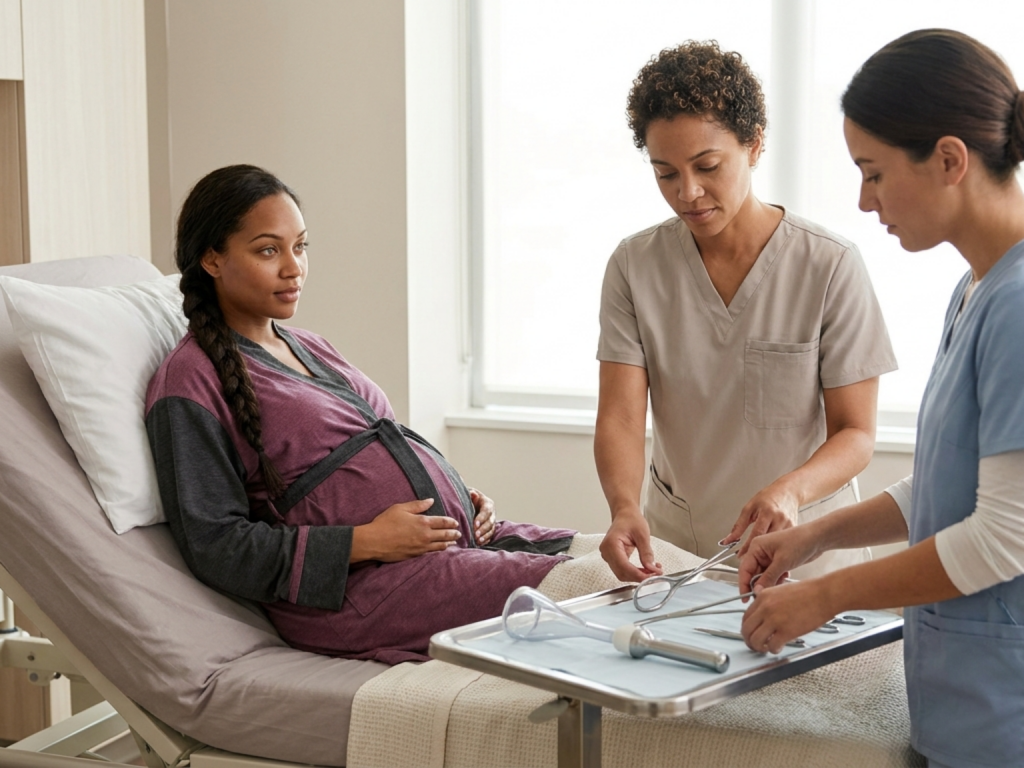
Assisted delivery, also called assisted vaginal delivery or operative vaginal birth, uses forceps or a vacuum device to help guide a baby through the vagina. It may be recommended when the baby needs to be born promptly, pushing has stopped being effective, or the birthing parent is too exhausted or medically unwell to continue pushing safely.
Hearing that forceps or vacuum assistance may be needed can feel frightening, especially when information about injury is presented without context. The reality is more balanced: assisted birth has recognized risks, but it is usually considered because the clinical team believes it offers a safer or more timely route than continuing labor or proceeding directly to cesarean birth. Understanding the myths, facts, and decision-making process can support informed conversations with your maternity team.
Highlights
Assisted delivery is not automatically dangerous; it is a carefully selected intervention used when extra help may reduce risk.
Forceps and vacuum have different profiles: vacuum generally causes less maternal trauma, while forceps may be more effective in some circumstances.
Minor newborn findings such as scalp swelling, bruising, or jaundice can occur and are usually monitored and managed.
Severe maternal or neonatal complications are recognized but uncommon, particularly when the procedure is performed under appropriate conditions.
Consent, explanation, monitoring, and a clear plan for cesarean birth if assistance is unsuccessful are important parts of safe care.
What assisted delivery means
In an assisted vaginal birth, an obstetric clinician places a vacuum cup on the baby’s scalp or positions forceps around the baby’s head. The device is used during contractions and pushing to add traction, helping the baby descend and be born. The baby must usually be low enough in the pelvis, the position must be known, and the cervix must be fully dilated. The bladder is generally emptied, pain relief is assessed, and the clinician checks that assisted vaginal birth is appropriate.
Assistance may be recommended for a nonreassuring fetal heart rate pattern, prolonged second stage, maternal exhaustion, or a medical condition in which further pushing could be unsafe. A clinician should explain why assistance is being considered, which device is recommended, the likely benefits and risks, and what would happen if the attempt did not succeed. Depending on the circumstances, that alternative may be cesarean birth.
These safeguards matter because assisted delivery is not a routine substitute for spontaneous birth. It is a time-sensitive clinical procedure selected according to fetal position, station, pelvic anatomy, labor progress, and the experience of the operator.
Myth: assisted delivery is always dangerous
Fact: Assisted delivery carries risks, but “dangerous” is not a useful all-or-nothing label. The relevant question is how its risks compare with the risks of the situation prompting it. If the fetal heart rate suggests possible reduced oxygenation, or if the baby is very close to birth but not progressing, a timely assisted birth may avoid greater harm associated with ongoing compression or delay.
Every birth involves clinical tradeoffs. Continuing to push may allow a spontaneous vaginal birth, but it can also lead to increasing exhaustion, maternal tissue trauma, or a need for an urgent cesarean. An assisted vaginal birth can sometimes avoid abdominal surgery, although it may still involve episiotomy, perineal laceration, or an eventual cesarean if the attempt is unsuccessful.
Evidence reviews indicate that serious neonatal injury is uncommon. The absolute rate of complications is low, but low risk is not the same as no risk. The maternity team should individualize the assessment rather than promise a complication-free outcome. A respectful discussion can include the urgency of birth, the estimated likelihood of success, and the consequences of each available option.
Myth: forceps and vacuum are equally risky
Fact: The two methods have overlapping risks but different patterns of complications. Forceps can provide strong, controlled traction and may be preferred when birth needs to be completed quickly, when the baby’s position makes vacuum unsuitable, or when a vacuum attempt has failed. They are associated with more maternal perineal trauma, including deeper lacerations and obstetric anal sphincter injuries.
Vacuum extraction generally causes less maternal trauma than forceps in comparative evidence, but it is more often associated with newborn scalp findings. These can include a temporary mark from the cup, bruising, scalp swelling, cephalohematoma, and, less commonly, retinal hemorrhage. A cephalohematoma is blood collecting beneath the membrane covering a skull bone; it usually resolves gradually but can contribute to jaundice and may require observation.
Neither device is universally safer. The choice depends on gestational age, fetal position and station, urgency, maternal anatomy, analgesia, and the clinician’s assessment of likely success. In some situations, forceps have a higher probability of completing birth, which can be clinically important. A failed vacuum attempt followed by forceps or cesarean birth may carry a different risk profile from a planned, successful procedure.
Maternal risks: what is common and what is serious
Short-term maternal effects may include perineal soreness, vaginal or cervical lacerations, episiotomy, bruising, swelling, difficulty urinating, and increased need for analgesia. Some people experience more pelvic-floor discomfort or delayed recovery than after an uncomplicated spontaneous birth. Blood loss can be greater, and postpartum hemorrhage is a recognized complication, although most assisted births do not result in severe bleeding.
A deeper tear involving the anal sphincter is less common but clinically important. It can affect continence, wound healing, sexual comfort, and pelvic-floor function, so follow-up is important when it occurs. The NHS describes severe perineal tears, blood clots, and other complications as possible risks and provides practical estimates; individual risk varies with parity, fetal size and position, episiotomy, duration of labor, and the type of instrument used.
Long-term problems are not inevitable. Many people recover well with routine perineal care and, when needed, pelvic-floor physiotherapy or specialist review. Seek prompt professional advice for worsening pain, heavy bleeding, fever, foul-smelling discharge, wound separation, calf swelling or pain, shortness of breath, or new loss of bowel or bladder control. These symptoms need assessment rather than being attributed automatically to normal recovery.
Newborn risks: separating visible effects from serious injury
Parents commonly notice a mark, swelling, or bruising after vacuum or forceps birth. Vacuum assistance can leave a temporary cup-shaped mark or localized scalp swelling. Bruising and cephalohematoma may also occur. Forceps may leave pressure marks or bruises on the face, which generally fade. Newborns may be observed for feeding difficulty, abnormal neurological signs, anemia, or jaundice, depending on the procedure and examination.
Jaundice is often mild and treatable, but a baby with substantial bruising or cephalohematoma may need closer bilirubin monitoring because breakdown of blood can increase bilirubin levels. Rare complications include significant bleeding beneath the scalp, skull fracture, nerve injury, or intracranial hemorrhage. These are serious but uncommon, and the clinical team examines the newborn for warning signs rather than assuming every scalp mark represents major injury.
Contact the newborn’s clinician urgently if the baby is difficult to wake, feeds poorly, has worsening or spreading scalp swelling, repeated vomiting, unusual movements, breathing difficulty, marked pallor, or increasing yellow discoloration. The appropriate response depends on the baby’s age, examination, bilirubin level, and overall condition. Parents should be told what findings are expected and when to seek help.
Myth: a cesarean birth is always safer than assistance
Fact: Cesarean birth and assisted vaginal birth have different risks, and the safer option depends on the clinical context. Cesarean birth can avoid some vaginal and anal-sphincter trauma, but it is major abdominal surgery with risks such as infection, hemorrhage, thromboembolism, anesthetic complications, postoperative pain, and longer recovery. It can also influence risks in future pregnancies, including placenta-related complications and uterine scar considerations.
When the baby is already low in the pelvis and birth can be completed promptly, a successful assisted vaginal delivery may avoid those surgical risks. Conversely, if the baby is too high, malpositioned, or unlikely to be born safely with instruments, cesarean birth may be the more appropriate option. A clinician should not continue repeated attempts simply to avoid surgery.
Safety depends on prerequisites, trained personnel, continuous fetal and maternal assessment, appropriate analgesia, and readiness to move to cesarean birth when indicated. Asking how likely the team thinks the procedure is to succeed, what risks are specific to the proposed device, and what the backup plan is can make the decision more transparent.
Recovery, consent, and emotional wellbeing
Recovery after assisted birth varies widely. Physical care may include monitoring bleeding, checking urination, treating perineal pain, and assessing any wound. If a significant tear occurred, follow-up may include review by an obstetric clinician and pelvic-floor rehabilitation. Gradual return to activity is generally guided by symptoms and professional advice rather than a fixed timetable.
Emotional recovery deserves equal attention. An urgent birth, unexpected instruments, pain, or concern about the baby can leave someone feeling frightened, disappointed, guilty, or detached, even when the outcome is medically good. These reactions are not evidence of failure. Discussing the birth with a midwife or obstetrician, requesting a birth debrief, and seeking perinatal mental-health support may help. Persistent intrusive memories, severe anxiety, low mood, or difficulty bonding warrant professional assessment.
Consent should be sought whenever circumstances allow. In an emergency, clinicians may need to act quickly to protect the parent or baby, but they should still provide clear explanations as soon as possible afterward. Ask for the documented indication, instrument used, number of attempts, any laceration or episiotomy, newborn findings, and recommended follow-up. This information can be useful for recovery and future pregnancy planning.
When to seek urgent medical help
- Heavy vaginal bleeding, faintness, or rapidly worsening weakness
- Fever, severe perineal pain, wound separation, or foul-smelling discharge
- New loss of bowel or bladder control or inability to urinate
- Calf pain or swelling, chest pain, or sudden breathlessness
- A newborn who is difficult to wake, feeding poorly, or developing rapidly worsening jaundice
- Increasing newborn scalp swelling, repeated vomiting, seizures, or breathing difficulty
Tools & Assistance
- Ask the maternity team to explain the indication, expected benefit, device choice, and likelihood of success.
- Request a birth debrief and copies of relevant delivery and newborn records.
- Use a midwife, obstetrician, primary-care clinician, or pelvic-floor physiotherapist for recovery questions.
- Contact urgent maternity or newborn services for warning signs rather than waiting for a routine appointment.
FAQ
Does assisted delivery hurt?
The procedure may cause pressure or discomfort, but pain relief is usually discussed and can include local anesthetic, epidural supplementation, or other appropriate options. Postpartum soreness is common, particularly after an episiotomy or laceration.
Can vacuum or forceps cause brain damage?
Serious neurological injury is possible but uncommon. Newborns are assessed after birth, and concerning signs such as abnormal alertness, seizures, breathing problems, or progressive swelling require urgent evaluation.
Which is safer, forceps or vacuum?
Neither is safest in every situation. Vacuum is generally associated with less maternal trauma but more scalp-related newborn findings, while forceps may have a higher risk of maternal perineal trauma and may be more effective in selected circumstances.
Will assisted delivery affect future births?
Many people have uncomplicated future pregnancies and births. The implications depend on the reason for assistance, any severe tear, pelvic-floor symptoms, and other obstetric factors, so discuss the individual delivery record with a clinician.
Sources
- NHS — Forceps or vacuum delivery
- PubMed — Vacuum extraction versus forceps for assisted vaginal delivery
- NCBI Bookshelf — Vacuum Extraction
Disclaimer
This article is for general educational purposes and does not replace individualized advice, diagnosis, or treatment from a qualified maternity or newborn-health professional. Seek urgent medical care for emergency symptoms.
















Please log in to leave a comment.