
Intro
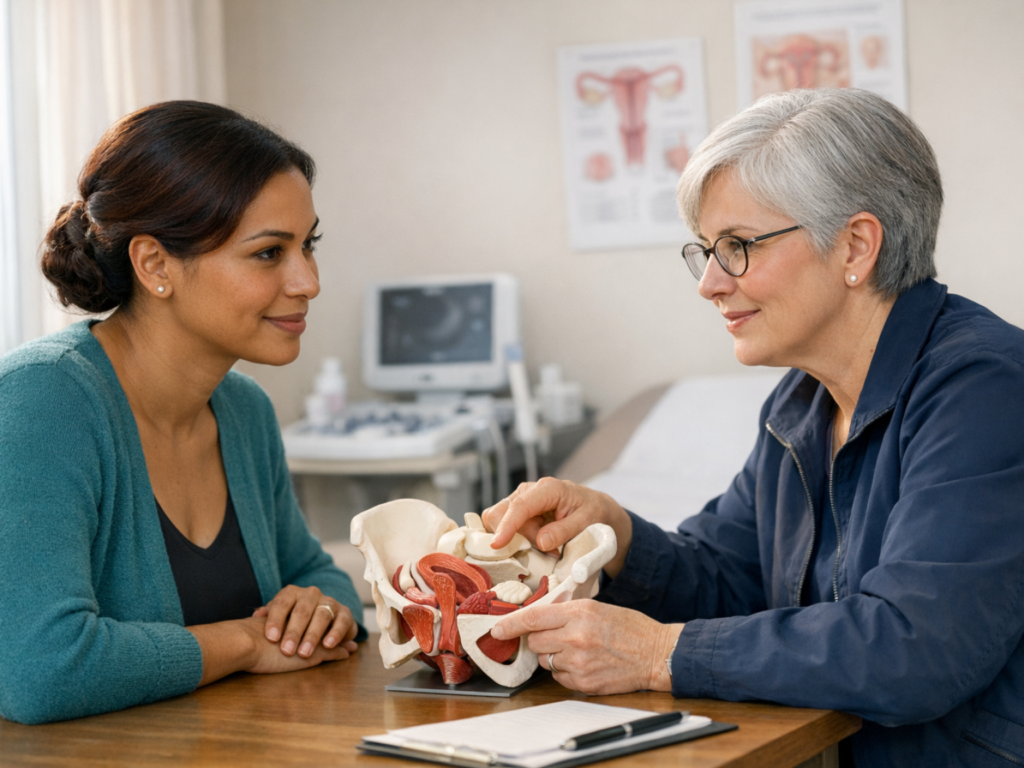
Pelvic inflammatory disease, often called PID, is an infection-related inflammatory condition of the upper female reproductive tract. It can involve the uterus, fallopian tubes, ovaries, and surrounding pelvic tissues. For someone hoping to become pregnant now or in the future, hearing that PID may affect fertility can feel frightening, especially because the condition can sometimes be mild, vague, or even go unnoticed until complications appear.
The encouraging part is that early recognition, prompt medical care, partner treatment when sexually transmitted infection is involved, and careful fertility evaluation can reduce preventable harm and guide next steps. This article explains how PID can contribute to infertility, why fallopian tube injury matters, what symptoms deserve attention, and how clinicians typically approach diagnosis, treatment, prevention, and fertility planning.
Highlights
PID can cause inflammation and scarring in the fallopian tubes, which may interfere with egg pickup, fertilization, embryo transport, and implantation.
Infertility risk is higher when PID treatment is delayed, when infections recur, or when Chlamydia trachomatis is involved.
Prompt antibiotic treatment can treat the infection and may reduce the chance of long-term reproductive damage, but it cannot always reverse existing scar tissue.
PID can also increase the risk of ectopic pregnancy and chronic pelvic pain, so follow-up care matters even after acute symptoms improve.
A fertility workup after PID often includes assessment of ovulation, semen parameters, uterine anatomy, and tubal patency rather than assuming PID is the only factor.
Understanding pelvic inflammatory disease
Pelvic inflammatory disease is usually caused by microorganisms ascending from the cervix or vagina into the upper genital tract. It most often affects sexually active people of reproductive age. The organisms classically associated with PID include Chlamydia trachomatis and Neisseria gonorrhoeae, but PID is frequently polymicrobial, meaning vaginal and anaerobic bacteria can also contribute.
Once bacteria reach the endometrium and fallopian tubes, the body’s immune response creates inflammation. In the short term, this may cause pelvic pain, cervical motion tenderness, uterine or adnexal tenderness, fever, abnormal discharge, or abnormal bleeding. In some cases, symptoms are subtle or nonspecific, which is one reason PID can be under-recognized.
Medically, PID is important not only because of the acute infection, but because inflammation may alter delicate reproductive structures. The fallopian tubes are particularly vulnerable. Their inner lining contains ciliated cells and coordinated muscular activity that help move an egg and early embryo. Damage to this architecture can affect fertility long after the infection itself has been treated.
How PID can cause infertility
The main fertility concern after PID is tubal factor infertility. During PID, inflammatory cells, bacteria, and tissue swelling can injure the fallopian tubes. As healing occurs, adhesions and scar tissue may form inside or around the tubes. This scarring can partially narrow the tubal lumen, completely block the tube, distort the fimbriae at the ovarian end, or tether the tube to nearby pelvic organs.
For pregnancy to occur naturally, the fimbrial end of the tube must capture the ovulated egg, sperm must reach the egg, fertilization usually occurs within the tube, and the embryo must move toward the uterus. PID-related tubal damage can disrupt any of these steps. A tube may look externally present but function poorly if cilia are damaged or if the internal channel is narrowed.
Risk is not identical for everyone. Published medical reviews note that infertility can occur even after timely treatment, but the probability rises with delayed care, more severe infection, recurrent episodes, or chlamydial infection. Some commonly cited clinical estimates suggest that infertility after PID may affect roughly 1 in 10 people after one episode, with higher rates after repeated episodes. These numbers are useful for context, but individual risk depends on the severity of disease, prior infections, age, coexisting conditions, and other fertility factors.
PID, ectopic pregnancy, and chronic pelvic pain
Infertility is not the only reproductive consequence of tubal injury. If a damaged fallopian tube is partially open, sperm and egg may meet, but embryo transport may be slowed or impaired. This can increase the risk of ectopic pregnancy, most commonly a tubal pregnancy. Ectopic pregnancy is a potentially life-threatening condition and requires urgent medical care.
PID can also lead to chronic pelvic pain. Adhesions, persistent inflammation, hydrosalpinx, or nerve sensitization may contribute. Chronic pain can affect sex, sleep, work, emotional well-being, and the experience of trying to conceive. It can also overlap with other gynecologic conditions, including endometriosis and infertility, which may require separate evaluation.
Another possible complication is a tubo-ovarian abscess, a complex infected mass involving the tube, ovary, and adjacent tissue. This is a serious condition that may require hospitalization, intravenous antibiotics, drainage, or surgery depending on severity. Severe PID should never be managed without medical supervision.
Symptoms that deserve prompt attention
PID can present dramatically, but it may also be mild. Because delayed treatment is associated with greater reproductive risk, it is safer to seek medical evaluation early when concerning symptoms occur, especially after possible exposure to a sexually transmitted infection.
- Lower abdominal or pelvic pain, particularly if new or worsening
- Pain during sex or deep pelvic discomfort
- Abnormal vaginal discharge, especially with odor or color change
- Bleeding between periods or after sex
- Fever, chills, nausea, vomiting, or feeling acutely unwell
- Pain or burning with urination when accompanied by pelvic pain or discharge
Some people with chlamydia or gonorrhea have few or no symptoms. That means absence of obvious infection does not reliably exclude risk. Routine STI screening, especially with new or multiple partners, is an important protective step.
Diagnosis and treatment: why timing matters
PID is a clinical diagnosis supported by history, pelvic examination, laboratory testing, and sometimes imaging. A clinician may test for chlamydia, gonorrhea, pregnancy, urinary infection, and inflammatory markers, and may perform pelvic ultrasound if abscess, ectopic pregnancy, ovarian cyst, or another diagnosis is a concern. Because untreated PID can cause harm, clinicians often start treatment when suspicion is sufficient rather than waiting for every test result.
Treatment typically involves antibiotics that cover likely organisms, including sexually transmitted and anaerobic bacteria. The exact regimen depends on local guidelines, pregnancy status, severity, allergies, test results, and whether outpatient or inpatient care is needed. It is essential to take medications exactly as prescribed and to attend follow-up, because symptom improvement does not always mean the infection has fully resolved.
Sexual partners may need evaluation and treatment, particularly when chlamydia or gonorrhea is suspected or confirmed. Without partner treatment, reinfection can occur, increasing the chance of recurrent PID and further tubal damage. People are commonly advised to avoid sexual activity until treatment is completed and a clinician confirms it is safe to resume.
Importantly, antibiotics treat active infection; they do not reliably remove established scar tissue or reverse blocked fallopian tubes. This is why early care is so important.
Trying to conceive after PID
Many people with a history of PID can still conceive naturally, especially if treatment was prompt and the tubes remain functional. However, if pregnancy does not occur after an appropriate period of trying, or if there has been severe or recurrent PID, earlier fertility evaluation may be reasonable. People aged 35 or older, those with irregular cycles, prior ectopic pregnancy, known tubal damage, or a history of tubo-ovarian abscess may be advised not to wait a full year before seeking specialist input.
A fertility assessment after PID usually considers the whole reproductive picture. It may include confirmation of ovulation, ovarian reserve testing, semen analysis, pelvic ultrasound, and assessment of tubal patency. Tubal testing may involve hysterosalpingography, saline infusion sonography with contrast, or laparoscopy in selected cases. If blocked fallopian tubes or hydrosalpinx are found, options may include expectant management, surgery in selected circumstances, or assisted reproductive technology such as in vitro fertilization. The best approach depends on age, tubal findings, symptoms, semen parameters, ovarian reserve, and personal priorities.
If a person has had a previous PID-related ectopic pregnancy or known tubal disease, early pregnancy monitoring is important. Clinicians may check serial pregnancy hormone levels and perform early ultrasound to confirm that the pregnancy is located inside the uterus.
Prevention and reducing future fertility risk
Prevention focuses on reducing exposure to infections, detecting them early, and preventing recurrence. This is not about blame; sexually transmitted infections are common, and many are treatable. A supportive, proactive approach protects both reproductive health and emotional well-being.
- Use condoms or barrier protection to reduce STI transmission risk.
- Have STI testing when starting a new sexual relationship, after exposure concerns, or according to screening recommendations.
- Encourage partner testing and treatment when an STI is diagnosed.
- Seek care promptly for pelvic pain, abnormal discharge, fever, or bleeding after sex.
- Complete prescribed antibiotic courses and attend follow-up appointments.
- Discuss contraception and pregnancy planning with a clinician if you have had PID and want to avoid unintended pregnancy while healing.
For people already coping with infertility, it can be emotionally difficult to learn that a past infection may have contributed. Compassionate counseling, a clear medical plan, and timely referral to a reproductive endocrinologist can help transform uncertainty into practical next steps.
Seek urgent medical care if
- You have severe lower abdominal or pelvic pain, especially with fever or vomiting.
- You might be pregnant and have pelvic pain, shoulder pain, dizziness, or fainting.
- You have symptoms of PID after known exposure to chlamydia, gonorrhea, or another STI.
- Pelvic pain is worsening despite treatment or returns after antibiotics.
- You have heavy bleeding, signs of shock, or sudden one-sided pelvic pain.
Tools & Assistance
- Schedule an appointment with a gynecologist or sexual health clinic for pelvic pain or STI concerns.
- Ask about chlamydia and gonorrhea testing if you have a new partner, multiple partners, or possible exposure.
- Request partner notification and treatment guidance if an STI is confirmed.
- Consult a reproductive endocrinologist if you have a history of PID and difficulty conceiving.
- Keep records of prior PID episodes, antibiotics, imaging, surgeries, and pregnancy history for fertility visits.
FAQ
Can PID cause permanent infertility?
Yes, PID can sometimes cause permanent tubal damage, especially if treatment is delayed or infections recur. However, many people with a history of PID still conceive, and fertility evaluation can clarify individual risk.
Can antibiotics restore fertility after PID?
Antibiotics treat the active infection and help reduce further injury, but they may not reverse established scar tissue or blocked fallopian tubes. Follow-up and fertility testing may be needed if conception is delayed.
How soon should I seek fertility help after PID?
Ask a clinician for individualized guidance. Earlier evaluation may be appropriate after severe or recurrent PID, known tubal damage, prior ectopic pregnancy, age 35 or older, or six to twelve months of trying without pregnancy.
Does PID always have obvious symptoms?
No. PID can be mild or nonspecific, and infections such as chlamydia may be asymptomatic. This is why screening and prompt evaluation of pelvic discomfort, discharge, or abnormal bleeding are important.
Is pregnancy after PID considered high risk?
Not always, but prior PID can increase ectopic pregnancy risk if the fallopian tubes were damaged. Early medical contact after a positive pregnancy test is wise, especially with pain, bleeding, or prior tubal disease.
Sources
- NCBI Bookshelf / StatPearls Publishing — Pelvic Inflammatory Disease - StatPearls - NCBI Bookshelf
- Mayo Clinic — Pelvic inflammatory disease (PID) - Symptoms & causes
- Cleveland Clinic — Pelvic Inflammatory Disease (PID): Symptoms & Treatment
Disclaimer
This article is for informational purposes only and does not replace medical advice, diagnosis, or treatment. If you have pelvic pain, possible STI exposure, pregnancy concerns, or difficulty conceiving, consult a qualified healthcare professional.














Please log in to leave a comment.