
Intro
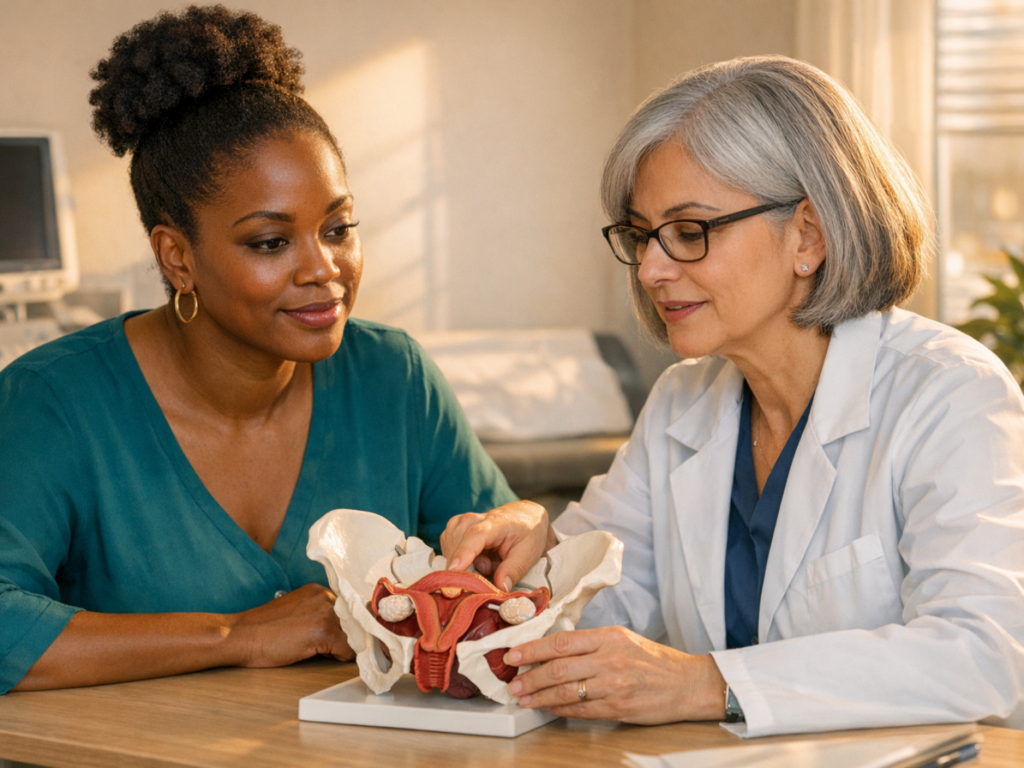
Blocked fallopian tubes can be one of the most emotionally difficult explanations for delayed pregnancy, especially because many people have regular periods, normal ovulation signs, and no obvious warning symptoms. Tubal-factor infertility means that one or both fallopian tubes are blocked or damaged enough to interfere with the meeting of egg and sperm, the movement of an early embryo, or the uterine environment needed for implantation.
The encouraging part is that tubal disease is a known, medically evaluated cause of infertility. A fertility specialist or gynecologist can investigate whether the tubes are open, whether there is inflammation or hydrosalpinx, and which options may be appropriate. This article explains the causes, subtle symptoms, and biological mechanisms by which tubal damage can prevent pregnancy.
Highlights
Fallopian tube damage often causes few or no symptoms, so infertility may be the first sign that a problem exists.
Common causes include previous pelvic inflammatory disease, sexually transmitted infections, endometriosis, pelvic or abdominal surgery, and prior ectopic pregnancy.
Tubal damage can prevent pregnancy by blocking egg and sperm transport, impairing ciliary movement, altering tubal fluid, and increasing the risk of ectopic pregnancy.
Hydrosalpinx, a fluid-filled blocked tube, can reduce natural conception chances and may also make embryo implantation less likely in assisted reproduction.
Evaluation and treatment depend on the location and extent of damage, age, ovarian reserve, semen parameters, and broader fertility goals.
Why the fallopian tubes matter for conception
The fallopian tubes are not passive pipes. They are highly specialized reproductive organs that coordinate egg pickup, sperm transport, fertilization, early embryo support, and embryo movement into the uterus. After ovulation, the fimbriae, which are delicate finger-like projections at the ovarian end of the tube, help capture the egg released from the ovary. Inside the tube, microscopic cilia and smooth muscle contractions help move cells and fluid in a precisely timed way.
Fertilization usually occurs in the ampulla, the wider outer portion of the fallopian tube. Sperm must travel upward through the cervix and uterus into the tube, while the egg moves from the ovary into the tubal lumen. If fertilization occurs, the early embryo then needs several days to travel toward the uterine cavity. The tube also provides a biochemical microenvironment that supports gametes and the early embryo before implantation becomes possible in the uterus.
When the tube is blocked, scarred, inflamed, distended, or functionally impaired, pregnancy can be affected even if ovulation is regular and the uterus appears healthy. This is why tubal-factor infertility is often considered when someone has been trying to conceive without success despite otherwise reassuring findings.
What does it mean to have blocked fallopian tubes?
A blocked fallopian tube means that the passage through the tube is partially or completely obstructed. The blockage may occur near the uterus, in the mid-portion of the tube, or at the distal end near the ovary. Sometimes one tube is affected; in other cases, both tubes are blocked. Fertility implications vary depending on whether the blockage is unilateral or bilateral, whether the tube is simply occluded or severely damaged, and whether there is associated inflammation or hydrosalpinx.
Not all tubal problems are purely mechanical. Some tubes may appear open on certain tests but still function poorly because cilia have been damaged, the fimbriae are scarred, or chronic inflammation has changed the tubal lining. This functional damage can interfere with egg pickup, sperm movement, fertilization, and embryo transport.
Hydrosalpinx is a specific form of tubal disease in which a blocked tube fills with fluid and becomes swollen. This often results from prior inflammation or infection that has sealed the distal end of the tube. The trapped fluid can block normal egg and sperm movement, and if it leaks back into the uterus, it may negatively affect the endometrial environment and reduce implantation potential.
Common causes of tubal blockage and damage
Several conditions can injure the fallopian tubes. In many cases, the damage develops silently over time or after an infection that was mild, untreated, or not recognized.
- Pelvic inflammatory disease: PID is a major cause of tubal damage. It often results from ascending infection, commonly associated with sexually transmitted infections such as chlamydia or gonorrhea. Inflammation can lead to scarring, adhesions, and narrowing or closure of the tubal lumen.
- Previous sexually transmitted infections: Chlamydia is especially important because it may be asymptomatic yet still cause upper reproductive tract inflammation and tubal scarring.
- Endometriosis: Endometriosis can cause pelvic inflammation, adhesions, distorted anatomy, and scarring around the ovaries and tubes. It may interfere with fimbrial egg pickup even when the tube is not completely blocked.
- Pelvic or abdominal surgery: Surgery for appendicitis, ovarian cysts, fibroids, endometriosis, bowel disease, or previous ectopic pregnancy can sometimes lead to adhesions that involve the tubes.
- Prior ectopic pregnancy: An ectopic pregnancy can reflect pre-existing tubal dysfunction, and treatment or scarring afterward may further affect tubal anatomy.
- Previous tubal surgery or sterilization: Tubal ligation or reconstructive surgery can alter tubal continuity and function.
- Intra-abdominal infection or inflammation: Peritonitis, ruptured appendix, or severe pelvic infections may create adhesions that restrict normal tubal movement.
Sometimes no single cause is identified. This can feel frustrating, but it does not mean the tubal findings are unreal. Subclinical infection, old inflammation, or microscopic damage may leave lasting effects that are only discovered during fertility evaluation.
Symptoms: why blocked tubes can be hard to recognize
Many people with blocked fallopian tubes have no symptoms. Menstrual cycles may be predictable, ovulation may occur, and hormone testing may be normal. Because the fallopian tubes are not usually felt unless they are swollen or inflamed, tubal disease may remain hidden until pregnancy does not occur after months of trying.
When symptoms are present, they may be related to the underlying cause rather than the blockage itself. Possible associated symptoms include chronic pelvic pain, pain with intercourse, painful periods, abnormal bleeding, or a history of pelvic infection. Endometriosis-related symptoms can include severe menstrual pain, bowel or bladder pain around menstruation, and deep pelvic discomfort. Hydrosalpinx may sometimes cause pelvic pain, a feeling of pressure, or watery vaginal discharge, but it can also be completely asymptomatic.
It is important not to self-diagnose tubal blockage based on symptoms alone. Pelvic pain, abnormal discharge, or difficulty conceiving can have many causes, including ovulatory disorders, uterine abnormalities, semen factors, thyroid disease, or unexplained infertility. A clinician can help determine which evaluations are appropriate.
How tubal damage prevents pregnancy
Tubal-factor infertility can prevent pregnancy through several overlapping mechanisms. A complete blockage may physically stop sperm from reaching the egg or prevent the egg from entering the tube. If both tubes are fully blocked, natural fertilization becomes very unlikely because egg and sperm cannot meet. If only one tube is blocked, spontaneous pregnancy may still be possible, but chances depend on ovulation patterns, the condition of the open tube, age, and other fertility factors.
Scarring and adhesions can distort the relationship between the ovary and fimbriae. Even when ovulation occurs normally, the fimbriae may not be able to capture the egg efficiently. This is particularly relevant in endometriosis or after pelvic surgery, where the tube may be pulled away from the ovary or fixed in an abnormal position.
Damage to the tubal lining can also impair ciliary function. Cilia are tiny hair-like structures that help move the egg and embryo through the tube. Inflammation, infection, and scarring can reduce coordinated ciliary motion and alter smooth muscle contractions. When transport is slowed or disorganized, fertilization may fail, or an embryo may remain in the tube too long.
Tubal inflammation may change the biochemical environment surrounding sperm, egg, and embryo. Cytokines, oxidative stress, altered secretions, and chronic inflammatory changes can reduce gamete quality interactions and early embryo support. In hydrosalpinx, fluid trapped in the tube may be toxic to embryos, mechanically wash embryos away from the uterine lining, or make the endometrium less receptive.
Finally, tubal damage increases the risk of ectopic pregnancy, especially tubal ectopic pregnancy. If an embryo forms but cannot move properly into the uterus, it may implant in the tube. Ectopic pregnancy is a medical condition requiring urgent professional care because it can become life-threatening if the tube ruptures.
How clinicians evaluate suspected tubal-factor infertility
Evaluation usually begins with a detailed history, including prior infections, pelvic pain, surgeries, ectopic pregnancy, endometriosis, menstrual patterns, and how long pregnancy has been attempted. Because fertility depends on several systems working together, clinicians often assess ovulation, ovarian reserve, uterine anatomy, and semen parameters as well.
Common tests used to assess tubal patency and pelvic anatomy may include:
- Hysterosalpingography: HSG is an X-ray test in which contrast dye is placed through the cervix to show the uterine cavity and whether dye spills through the tubes.
- Sonohysterography or hysterosalpingo-contrast sonography: Ultrasound-based tests may use fluid or contrast to evaluate the uterine cavity and tubal patency in selected settings.
- Pelvic ultrasound: Ultrasound can identify some hydrosalpinges, ovarian cysts, endometriomas, fibroids, or other pelvic findings, although normal ultrasound does not exclude tubal damage.
- Laparoscopy: Minimally invasive surgery can directly visualize adhesions, endometriosis, hydrosalpinx, and tubal anatomy. Dye may be used during the procedure to assess whether the tubes are open. It is not required for everyone but may be considered in specific cases.
Each test has limitations. A tube may appear blocked because of temporary spasm during an HSG, while a tube that appears open may still function poorly. Results are interpreted in the context of the whole clinical picture.
Treatment options and fertility planning
Treatment depends on the type, location, and severity of tubal disease, as well as age, ovarian reserve, sperm quality, uterine factors, previous pregnancies, and personal preferences. A healthcare professional can explain the risks, benefits, success rates, and alternatives for an individual situation.
In some cases, surgical treatment may be considered to remove adhesions, open a blocked segment, or treat endometriosis. Tubal surgery may be more useful for selected mild or localized disease than for severely damaged tubes. When the tube is markedly swollen with hydrosalpinx, clinicians may discuss salpingectomy, which is removal of the affected tube, or proximal tubal occlusion before in vitro fertilization. The rationale is that hydrosalpinx fluid may reduce implantation rates.
In vitro fertilization can bypass the fallopian tubes because eggs are retrieved directly from the ovaries, fertilized in the laboratory, and embryos are transferred into the uterus. IVF does not repair tubal function, but it can be an effective path for many people with bilateral tubal blockage or severe tubal damage. However, IVF planning still needs individualized assessment, especially if hydrosalpinx is present.
It is natural to want a quick answer, but tubal-factor infertility is not a one-size-fits-all diagnosis. A compassionate fertility team should help you understand what is known, what remains uncertain, and which next steps align with your medical circumstances and values.
Emotional impact and when to seek support
Learning that the fallopian tubes may be blocked or damaged can bring grief, anger, guilt, or fear about the future. These reactions are valid. Tubal disease is often linked to infections or conditions that may have occurred years earlier, sometimes without clear symptoms or opportunities for prevention. It is not a moral failing, and it is not something you should have to navigate alone.
Consider seeking fertility evaluation if you are younger than 35 and have been trying to conceive for 12 months, or 35 or older and have been trying for 6 months. Earlier evaluation is reasonable if you have known endometriosis, previous PID, prior ectopic pregnancy, pelvic surgery, irregular cycles, recurrent pregnancy loss, or a partner with known semen abnormalities.
Support may include a reproductive endocrinologist, gynecologist, pelvic pain specialist, mental health professional familiar with infertility, and trusted family or peer communities. Medical clarity can help, but emotional care is also part of fertility care.
Seek urgent medical care if these occur
- Severe one-sided pelvic or abdominal pain, especially with dizziness or fainting
- Positive pregnancy test with pelvic pain or shoulder-tip pain
- Heavy vaginal bleeding or signs of shock
- Fever, worsening pelvic pain, or foul-smelling discharge
- Sudden severe pain in someone with a history of ectopic pregnancy or tubal disease
Tools & Assistance
- Schedule a gynecology or reproductive endocrinology consultation for individualized evaluation
- Ask whether HSG, ultrasound-based tubal testing, or laparoscopy is appropriate in your case
- Review prior STI testing, PID history, endometriosis diagnosis, surgeries, and ectopic pregnancy history with your clinician
- Consider partner semen analysis and ovulation assessment so tubal findings are interpreted in context
- Seek counseling or infertility support services if the diagnosis feels overwhelming
FAQ
Can I get pregnant naturally with one blocked fallopian tube?
Sometimes, yes. If the other tube is open and functional, ovulation occurs, and there are no major additional fertility factors, natural pregnancy may still be possible. Your clinician can interpret this based on your full evaluation.
Do blocked fallopian tubes always cause pain?
No. Many people have no pain or obvious symptoms. Pain is more likely when there is active infection, endometriosis, adhesions, or hydrosalpinx, but absence of pain does not rule out tubal disease.
What is hydrosalpinx?
Hydrosalpinx is a fluid-filled, swollen fallopian tube, usually caused by prior inflammation or scarring that blocks the tube. It can interfere with egg and sperm movement and may reduce implantation chances.
Can blocked tubes be reopened?
In selected cases, surgery may improve tubal patency, but success depends on the location and severity of damage. Severely scarred or hydrosalpinx-affected tubes may not function normally even if opened.
Does IVF work if the tubes are blocked?
IVF can bypass blocked tubes because fertilization happens outside the body and embryos are transferred into the uterus. If hydrosalpinx is present, treatment of the affected tube may be recommended before IVF in some cases.
Sources
- Cleveland Clinic — Hydrosalpinx: Causes, Symptoms, Diagnosis & Treatment
- PubMed Central — Fallopian tube disease and fertility: from mechanisms to treatments
- Eunice Kennedy Shriver National Institute of Child Health and Human Development — What Is Tubal Factor Infertility?
Disclaimer
This article is for informational purposes only and does not replace professional medical advice, diagnosis, or treatment. Consult a qualified healthcare professional for personal evaluation and care.
















Please log in to leave a comment.