
Intro
Exercise is usually part of a healthy life, and for many people it supports conception rather than hindering it. But when training volume, intensity, or frequency becomes hard to recover from, and especially when it is paired with inadequate fueling, reproductive hormones can be affected.
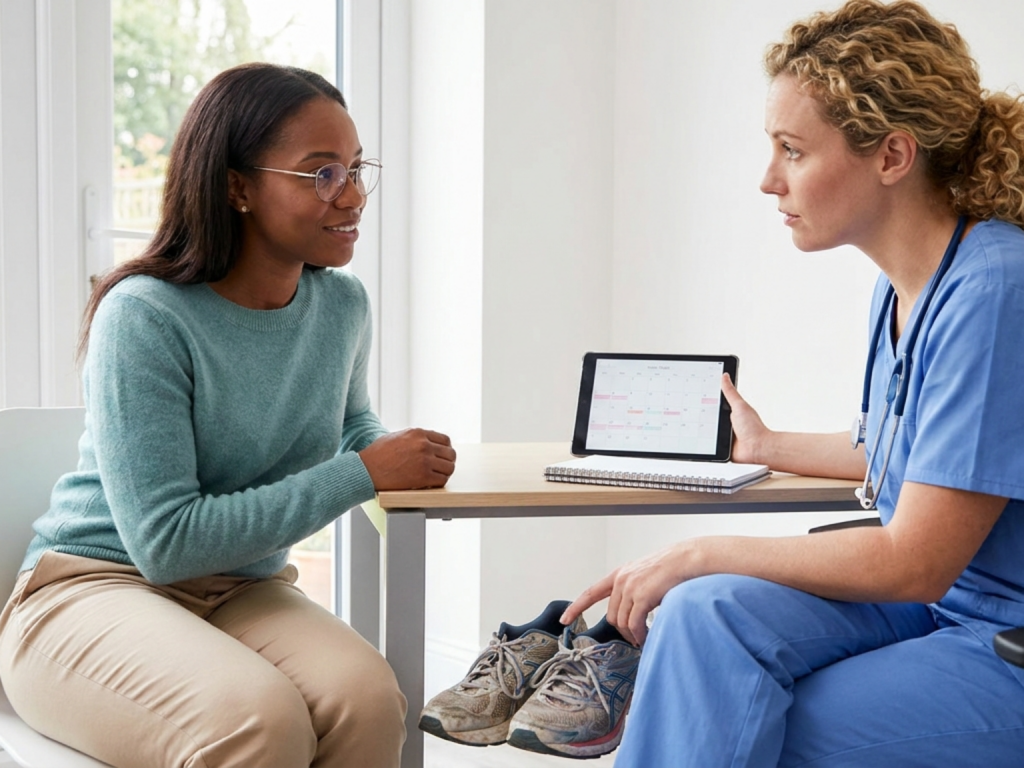
The relationship is not simple or the same for everyone. Some people tolerate vigorous exercise without fertility problems, while others develop menstrual changes, ovulatory dysfunction, or delays in conception. If you are trying to conceive and wondering whether your routine may be too demanding, that concern is valid and worth discussing with a clinician.
Highlights
Moderate activity is often compatible with conception and may support sleep, mood, insulin sensitivity, and overall health.
Fertility concerns are more likely when exercise is frequent, exhausting, and combined with low energy intake or weight loss.
The main reproductive mechanism affected by overexercise is often ovulation, which can become delayed, irregular, or absent.
Menstrual pattern changes, persistent fatigue, and poor recovery can be early clues that training load is too high.
You usually do not need to stop moving entirely; the goal is a better balance between exercise, nutrition, and rest.
When exercise helps and when it starts to work against fertility
Physical activity is not the problem in itself. In fact, exercise can support fertility indirectly by improving cardiometabolic health, sleep quality, stress regulation, and in some people body composition. The research summary is mixed, but it generally suggests that moderate activity is neutral or helpful for fertility, while higher exercise frequency or exhaustion-level training has been associated with increased infertility risk in some women. That is why exercise intensity and fertility outcomes cannot be judged by mileage or gym hours alone.
What matters is the whole physiologic context: how hard you are training, how often you recover, whether your body weight is stable, and whether your periods remain regular. A person can be technically active but still be under more stress than the reproductive system can comfortably tolerate. On the other hand, a strong, well-fueled training routine is often compatible with conception. The question is not whether exercise is good or bad, but whether the dose matches your body’s current needs.
How overexercise can disrupt reproductive physiology
Most of the clearest fertility data concern people who ovulate, because the reproductive effects of overtraining often show up first as menstrual changes. When training load is very high and recovery is insufficient, the body may reduce energy spent on reproduction. One important pathway is low energy availability, meaning too little fuel remains for normal physiologic function after exercise energy expenditure is considered. This can alter signaling in the hypothalamus and pituitary, reducing the pulsatile release of GnRH, LH, and FSH that supports follicle development and ovulation.
The result may be ovulatory dysfunction: ovulation can become delayed, sporadic, or absent, and the luteal phase may shorten. Some people develop very light periods, longer cycles, or anovulatory cycles; others stop menstruating altogether. Stress hormones, weight loss, and inadequate carbohydrate intake can contribute, but they are not the only factors. The key point is that reproduction is energy intensive, so the body may downshift fertility when training, under-fueling, or both suggest that resources are limited.
Who is most vulnerable to fertility effects from training
People often assume this problem only affects elite athletes, but that is too narrow. Risk is higher in endurance sports, dance, gymnastics, rowing, or any activity that combines large training volume with pressure to stay lean. It can also appear after a sudden increase in mileage, double sessions, back-to-back long workouts, or a new training plan that outpaces recovery. Recreational exercisers are not immune if they are also losing weight, eating restrictively, or sleeping poorly.
Other factors can make the reproductive system more sensitive to exercise stress. These include recent illness, chronic stress, body image pressure, low body weight, or a history of irregular menstrual cycles. If your body is already signaling vulnerability, such as through missed periods or repeated injuries, the margin for additional training stress becomes smaller. That does not mean movement should be abandoned. It means the routine may need more fuel, more rest, or a medical review of other contributors to infertility.
Signs your training may be too much for conception
Not every sign is specific to overexercise, but a pattern of changes can be informative. If fertility matters to you, pay attention to both performance and recovery. The body often gives early clues before a complete cycle disruption appears.
- Irregular menstrual cycles that become longer, shorter, or harder to predict.
- Bleeding that becomes very light, or periods that stop for several months.
- Persistent fatigue, heavy legs, low motivation, or sleep that no longer feels restorative.
- Recurrent injuries, slow healing, or stress fractures that suggest your training load is exceeding recovery.
- Unintentional weight loss, feeling cold often, reduced libido, or difficulty maintaining appetite.
- Needing to skip social or work activities because exercise recovery takes over too much of your week.
These findings do not prove a fertility problem, and they do not always come from exercise alone. Thyroid disorders, polycystic ovary syndrome, pregnancy, medications, and eating disorders can present with overlapping signs. Still, a change in menstrual pattern during intense training deserves attention, because it may reflect anovulatory cycles or other hormonal adaptation that can make conception harder.
How to adjust exercise without abandoning movement
For many people, moderate-intensity exercise before conception is a reasonable target, especially if it is paired with enough food, sleep, and rest days. The goal is not to become sedentary. It is to create a training pattern that supports ovulation, body repair, and overall resilience. That may mean reducing the number of hard sessions per week, spacing intense workouts farther apart, or replacing some high-volume cardio with lower-intensity movement and strength work.
A fertility-supportive preconception workout plan is usually individualized rather than rigid. Two people with the same step count or running mileage may have very different energy availability. If you are trying to conceive, it helps to review how much carbohydrate, protein, and total energy you are taking in around training, because under-fueling can be the hidden problem. Recovery matters too: a rest day is not lost progress if it helps preserve menstruation and hormone signaling. If you are working with fertility treatment, ask your care team whether your exercise routine should change during that process.
When to seek medical advice
It is sensible to seek medical assessment if your periods have stopped for three months or more, your cycles have become noticeably irregular, or conception is taking longer than expected and you are also training hard. A clinician can help sort out whether exercise is the main issue or one factor among several. Evaluation may include review of training load, weight change, eating patterns, stress, medications, and symptoms of endocrine conditions such as thyroid disease or hyperprolactinemia.
If you suspect low energy availability or an eating disorder, bring that up directly. People often underreport these issues because they feel embarrassed or fear being told to stop exercising. A supportive clinician should focus on restoring health and fertility, not on blame. In some cases, a reproductive endocrinologist, gynecologist, sports medicine physician, or dietitian with sports nutrition expertise can help create a plan that protects both movement and conception goals. The earlier menstrual disruption is addressed, the easier it may be to reverse.
Seek prompt care if you notice any of these
- Your periods stop completely or become very irregular during a period of intense training.
- You have rapid weight loss, fainting, chest pain, or a stress fracture.
- You are restricting food, purging, or feeling unable to eat enough to match exercise.
- Your fertility concerns are increasing, especially if you are already tracking ovulation or cycles.
- You are pregnant or could be pregnant and are unsure how to safely adjust a high-intensity routine.
Tools & Assistance
- Gynecologist or reproductive endocrinologist for menstrual and fertility evaluation
- Registered dietitian with sports nutrition experience
- Training and menstrual cycle tracker
- Sports medicine or primary care clinic for injury and recovery review
FAQ
Can exercise by itself cause infertility?
Usually not by itself. The main concern is very high exercise load, especially when combined with under-fueling, weight loss, or menstrual disruption.
Is moderate exercise safe when trying to conceive?
For many people, yes. Moderate activity is often compatible with conception and may support overall health, but your individual history matters.
What is the strongest warning sign that training is affecting fertility?
A change in your menstrual pattern, especially missed periods or very irregular cycles, is one of the clearest clues that ovulation may be affected.
Should I stop exercising completely if I am trying to get pregnant?
Not usually. The better approach is often to adjust intensity, recovery, and fueling with guidance from a clinician if needed.
Sources
- PubMed Central — The effect of physical activity on fertility: a mini-review
- American Journal of Public Health — Exercise as a Risk Factor for Infertility with Ovulatory Dysfunction
- Tommy's — Exercising and Being Active When Trying to Conceive
Disclaimer
This article is for general information only and is not a substitute for personalized medical advice, diagnosis, or treatment. If you have concerns about exercise, missed periods, or fertility, please speak with a qualified healthcare professional.












Please log in to leave a comment.