
Intro
Thinking about exercise before pregnancy can bring up mixed feelings: motivation, worry, old frustrations with fitness, or uncertainty about what is “safe” while trying to conceive. A helpful starting point is this: preconception exercise is not about achieving a perfect body. It is about building physiological resilience, supporting cardiometabolic health, improving functional strength, and creating movement habits that may continue into pregnancy if your clinician says they are appropriate.
For most people planning pregnancy, moderate, regular physical activity is beneficial and low risk. It can support insulin sensitivity, blood pressure, mood regulation, sleep quality, musculoskeletal comfort, and weight stability. However, the best plan depends on your baseline fitness, menstrual pattern, medical history, prior pregnancy history, medications, and fertility treatment plan. If you have chronic disease, pelvic pain, recurrent pregnancy loss, eating disorder history, significant anemia, heart or lung disease, or you are undergoing assisted reproduction, discuss your exercise routine with a healthcare professional.
Highlights
Preconception exercise works best when it is consistent, moderate, and realistic rather than extreme or punitive.
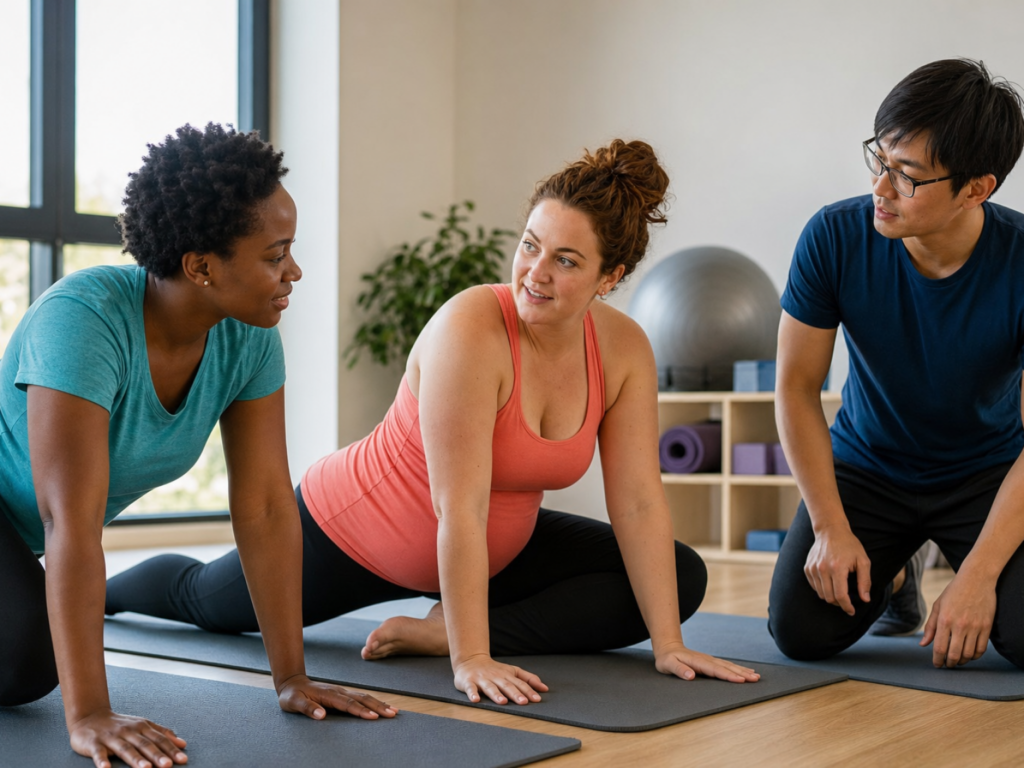
Walking, swimming, cycling, strength training, pelvic floor exercises, and modified yoga or Pilates are commonly sensible choices before pregnancy.
A widely used target is about 150 minutes per week of moderate-intensity aerobic activity, adjusted to your current fitness and medical context.
Both prolonged sedentary behavior and overtraining can be counterproductive, especially if they affect cycles, energy availability, sleep, or recovery.
The safest workout plan is individualized, particularly for people with infertility, irregular periods, chronic illness, or high-intensity athletic training.
Why exercise before pregnancy matters
Preconception health is the period before pregnancy when modifiable factors can be optimized to support a healthier pregnancy trajectory. Exercise is one part of that broader picture, alongside nutrition, folic acid supplementation, medication review, vaccination status, chronic disease management, sleep, mental health, and avoidance of harmful exposures.
Regular physical activity before conception can improve cardiorespiratory fitness and metabolic flexibility. In practical terms, that means the heart, lungs, skeletal muscle, and vascular system may be better prepared for the hemodynamic changes of pregnancy, including increased blood volume, cardiac output, and oxygen demand. Exercise also supports glucose regulation and may help reduce insulin resistance, which is relevant for people with polycystic ovary syndrome, prediabetes, or a history of gestational diabetes. It can also reduce musculoskeletal deconditioning and help prepare the back, hips, gluteal muscles, and core for the postural and load changes of pregnancy.
Importantly, exercise should not be framed as a guarantee of fertility. Many causes of infertility are unrelated to fitness, and people with excellent exercise habits may still need medical evaluation. If you have been trying to conceive for 12 months if under 35, 6 months if 35 or older, or sooner if you have irregular cycles, known reproductive conditions, or prior pelvic disease, seek medical advice.
How much exercise is a good goal before conception?
A practical benchmark, consistent with major obstetric guidance for pregnancy, is 150 minutes per week of moderate-intensity aerobic activity. Before pregnancy, many people can use this as a reasonable target as well, provided there are no medical contraindications. Moderate intensity usually means you can talk in short sentences but would not comfortably sing. This is sometimes called the “talk test.”
If you are currently inactive, you do not need to jump straight to 150 minutes. Begin with 10 to 15 minutes of gentle walking or cycling several days per week, then gradually increase duration, frequency, or intensity. A gradual approach lowers the risk of injury and helps make exercise feel sustainable rather than like another stressful preconception task.
- Beginner goal: 10 to 20 minutes of easy to moderate movement on 3 to 5 days per week.
- General preconception goal: about 150 minutes of moderate aerobic exercise weekly, plus 2 days of strength training if tolerated.
- Already active: you may be able to continue your usual routine, but monitor recovery, menstrual regularity, and injury risk.
- High-intensity athlete: consider professional guidance if training load is high, cycles are irregular, body weight is changing rapidly, or fatigue is persistent.
The goal is not to exhaust yourself. In preconception care, more is not always better. Adequate energy intake, rest days, and sleep are part of the exercise prescription in the broad sense, even though they should be individualized by clinicians and qualified fitness professionals.
Best aerobic workouts before trying to conceive
Aerobic exercise improves cardiovascular endurance and helps regulate metabolic health. The best option is usually the one you can do consistently without pain, excessive fatigue, or dread. Low-impact and moderate-impact activities are often easiest to continue if pregnancy occurs.
- Brisk walking: accessible, low cost, and easy to scale. Hills or intervals can increase intensity without requiring equipment.
- Swimming or water aerobics: joint-friendly and useful for people with back, hip, or knee discomfort. Water exercise can also remain comfortable later in pregnancy for many people.
- Stationary cycling: a controlled, low-impact option that reduces fall risk compared with outdoor cycling, especially once pregnant.
- Elliptical training: useful for moderate-intensity cardio with less impact than running.
- Jogging or running: reasonable for many people who already run and tolerate it well, but increase mileage gradually and address pelvic, hip, or knee pain early.
- Dancing or low-impact fitness classes: good for motivation and mood, as long as intensity and heat exposure are sensible.
If you are actively trying to conceive, remember that you may be pregnant before a test is positive. This does not mean you must avoid exercise in the two-week wait. It does mean that very high-risk activities, overheating, dehydration, or sudden extreme exertion are best avoided unless your clinician has specifically advised otherwise.
Strength training before pregnancy: what to focus on
Strength training before pregnancy can improve functional capacity, joint stability, posture, and insulin sensitivity. It does not need to mean heavy lifting. For many people, two full-body sessions per week are a good foundation. If you are new to resistance training, consider learning technique from a qualified trainer, physical therapist, or exercise professional familiar with preconception and prenatal considerations.
Useful movement patterns include:
- Squat pattern: sit-to-stand, goblet squat, box squat, or bodyweight squat to strengthen quadriceps, glutes, and hips.
- Hip hinge: Romanian deadlift with light weights, hip hinge drill, or glute bridge to build posterior chain strength.
- Push movements: wall push-ups, incline push-ups, dumbbell chest press, or overhead press if comfortable and well controlled.
- Pull movements: resistance band rows, cable rows, or dumbbell rows for upper back strength.
- Core stability: dead bugs, bird dogs, side planks, Pallof presses, and carries that emphasize breath control and spinal stability.
- Calf and foot strength: calf raises and balance drills to support gait, circulation, and lower-limb resilience.
Before conception, most people can train the abdominal wall and trunk safely. Rather than focusing on “flat abs,” prioritize pressure management: exhale during effort, avoid breath-holding if it causes excessive strain, and learn to coordinate the diaphragm, deep abdominal muscles, and pelvic floor. If you have pelvic organ prolapse symptoms, urinary leakage, pelvic pain, diastasis recti from a prior pregnancy, or pain with exercise, a pelvic health physical therapist can be especially helpful.
Pelvic floor, mobility, and flexibility exercises
The pelvic floor is a group of muscles and connective tissues that support the bladder, uterus, rectum, and pelvic organs. It contributes to continence, sexual function, spinal stability, and pressure regulation. Before pregnancy, pelvic floor training can be useful, but it should not be limited to repeated squeezing. Some people need strengthening; others need relaxation, coordination, or treatment for overactivity.
A balanced approach may include:
- Pelvic floor contractions: gentle lifts and releases, performed without clenching the buttocks or holding the breath.
- Full relaxation: learning to let the pelvic floor soften after contraction, which is important for coordination.
- Diaphragmatic breathing: breathing that expands the lower ribs and abdomen, helping coordinate core and pelvic pressure.
- Hip mobility: controlled lunges, hip flexor stretches, figure-four stretches, and adductor mobility if comfortable.
- Thoracic mobility: open-book rotations and gentle extension work to counter desk posture and support breathing mechanics.
Yoga and Pilates can be excellent for mobility, strength endurance, body awareness, and stress reduction. Choose modified or beginner-friendly formats if you are new. Avoid hot yoga, extreme breath-holding, or aggressive end-range stretching, particularly if you are hypermobile or prone to dizziness. Once pregnancy is confirmed, ask your clinician which modifications are appropriate.
Exercise, ovulation, menstrual cycles, and energy availability
Moderate exercise is generally compatible with ovulation and fertility. Problems are more likely when training load is high and energy availability is low. Low energy availability means the body does not have enough energy left after exercise to support normal physiological functions, including reproductive hormone signaling. This can contribute to hypothalamic menstrual dysfunction, luteal phase changes, anovulation, bone stress injury, fatigue, and mood disturbance.
Potential clues that exercise intensity or fueling may need reassessment include:
- Periods becoming irregular, very light, or absent.
- Persistent fatigue, poor sleep, or declining performance.
- Frequent injuries, stress fractures, or prolonged soreness.
- Feeling cold often, dizziness, or difficulty recovering.
- Compulsive exercise or anxiety when rest is needed.
If any of these apply, it is worth discussing your pattern with a clinician, registered dietitian, or sports medicine professional. This is especially important if you are trying to conceive. A supportive care team can help adjust training, nutrition, and recovery without shame or blame.
What to avoid or modify while trying to conceive
Because conception can occur before pregnancy is recognized, it is sensible to choose workouts that would be relatively easy to modify if you get a positive test. This does not mean living as if every activity is dangerous. It means avoiding unnecessary extremes and planning ahead.
- Avoid overheating: be cautious with hot yoga, very hot rooms, intense workouts in high heat, or inadequate hydration.
- Limit high-fall-risk activities: horseback riding, downhill skiing, outdoor cycling on difficult terrain, gymnastics, or climbing may require reconsideration once pregnancy is possible or confirmed.
- Be cautious with contact sports: activities with abdominal trauma risk should be discussed with your clinician.
- Avoid sudden extreme programs: preconception is not the ideal time to start maximal-intensity boot camps, crash weight-loss plans, or unusually high-volume endurance training.
- Modify for fertility treatment: during ovarian stimulation, enlarged ovaries may increase the risk of ovarian torsion, so many clinics advise avoiding high-impact twisting, jumping, or vigorous exercise during specific phases. Follow your fertility clinic’s instructions.
If pregnancy occurs, most people with uncomplicated pregnancies are encouraged to remain active, but the plan should be reviewed with a maternity care professional. Activities and intensity may need adjustment based on bleeding, pain, placenta-related concerns, cervical insufficiency, severe anemia, hypertensive disease, cardiac conditions, or other clinical factors.
A simple weekly preconception workout template
The following is an educational example, not a prescription. Adjust according to your fitness level, medical history, time, and clinician guidance.
- Monday: 30-minute brisk walk plus 5 minutes of diaphragmatic breathing.
- Tuesday: full-body strength session with squats or sit-to-stands, rows, glute bridges, incline push-ups, and bird dogs.
- Wednesday: 20 to 30 minutes of swimming, stationary cycling, or elliptical at moderate intensity.
- Thursday: mobility and pelvic floor coordination, including hip mobility, thoracic rotation, and gentle pelvic floor contract-relax practice.
- Friday: 30-minute walk with short moderate intervals if tolerated.
- Saturday: second strength session, focusing on hip hinge, step-ups, band pulls, side planks, and carries.
- Sunday: rest, gentle stretching, or an easy walk.
If this feels like too much, start with two walks and one light strength session. If it feels too easy and you are already well trained, you may need a more advanced plan, ideally guided by an exercise professional who understands reproductive health and recovery.
Making exercise emotionally sustainable
Trying to conceive can become emotionally consuming. Exercise can be a stabilizing routine, but it can also become another area for self-criticism. If workouts are starting to feel like punishment for your body or a way to “earn” pregnancy, it may help to reframe movement around function and care.
Good preconception exercise should support your life rather than shrink it. Choose activities that make you feel more capable, grounded, or energized. Some weeks will be lighter because of work, bleeding, fertility appointments, nausea, grief, or simple fatigue. That does not mean you have failed. Consistency over months matters more than perfection over days.
It can also be helpful to connect exercise with other preconception habits: regular meals, prenatal vitamins or folic acid when recommended, sleep routines, medication review, and preventive care. Exercise is one strong piece of a larger, compassionate approach to preparation.
When to seek medical advice before exercising
- Get urgent medical help for chest pain, fainting, severe shortness of breath, or sudden neurological symptoms during exercise.
- Stop exercising and contact a clinician if you have heavy vaginal bleeding, severe pelvic pain, or suspected pregnancy complications.
- Discuss exercise plans first if you have heart disease, significant lung disease, severe anemia, uncontrolled hypertension, or complex chronic illness.
- Seek professional guidance if periods become absent or irregular during intense training.
- Follow fertility clinic instructions during ovarian stimulation, egg retrieval cycles, or embryo transfer preparation.
Tools & Assistance
- Preconception visit with an obstetrician-gynecologist, family physician, midwife, or primary care clinician
- Pelvic health physical therapy assessment for leakage, prolapse symptoms, pelvic pain, or core concerns
- Registered dietitian consultation if training load, weight change, PCOS, diabetes risk, or eating disorder history is relevant
- Wearable step counter or simple activity log to monitor consistency without becoming obsessive
- Qualified prenatal or preconception-informed fitness professional for technique and safe progression
FAQ
Can I exercise during the two-week wait?
For most people, moderate exercise such as walking, swimming, cycling, strength training, or gentle yoga is reasonable during the two-week wait. Avoid sudden extremes, overheating, dehydration, and activities with high trauma or fall risk, and follow clinic guidance if you are in fertility treatment.
Does exercise improve fertility?
Exercise can support metabolic health, weight stability, mood, and ovulatory function in some people, but it is not a guaranteed fertility treatment. Fertility depends on many factors, including ovulation, sperm parameters, tubal patency, uterine factors, age, genetics, and medical conditions.
Should I stop running while trying to conceive?
If you already run comfortably, have regular cycles, fuel adequately, and are injury-free, you may not need to stop before conception. If running is new, very intense, associated with pain, or linked to menstrual disruption, ask a healthcare professional or sports medicine clinician for individualized advice.
Are abdominal exercises safe before pregnancy?
Most abdominal and core stability exercises are safe before pregnancy if performed with good technique and normal breathing. Focus on controlled movements, pressure management, and comfort. Seek pelvic health guidance if you have pelvic pain, urinary leakage, prolapse symptoms, or prior postpartum core concerns.
What is the best workout if I am starting from zero?
Start with short, easy walks and gentle mobility work. Add one or two light strength sessions when that feels manageable. Gradual progression is safer and more sustainable than starting an intense program immediately.
Sources
- PubMed — Preconception Care in the Primary Care Setting: A Systematic Review
- NHS — Exercise during pregnancy
- American College of Obstetricians and Gynecologists — Exercise During Pregnancy
Disclaimer
This article is for educational purposes only and does not replace individualized medical advice. Consult a qualified healthcare professional before changing exercise routines, especially if you have medical conditions, pregnancy complications, or are undergoing fertility treatment.












Please log in to leave a comment.