
Intro
Labor environment preferences describe the surroundings, sensory cues, privacy needs, mobility options, and support people that may help a person feel safer and more focused during labor. These preferences do not replace clinical care, but they can give the care team practical information about what helps the birthing person cope.
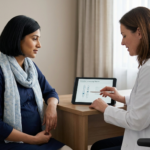
A thoughtful birth plan communication tool can make these wishes easier to discuss before labor begins. Because labor can change quickly, the most useful plan is specific, respectful, and flexible enough to adapt to maternal, fetal, and facility needs.
Highlights
A supportive birth environment can reduce stress, preserve privacy, and make coping strategies easier to use.
Environmental preferences should be written as flexible requests, not fixed demands, because clinical safety may require changes.
Lighting, sound, movement, water access, personal items, scent, and support-person roles can all be included in a birth plan.
The best plan is reviewed before labor with the obstetric, midwifery, nursing, anesthesia, and neonatal teams when relevant.
Why the labor environment belongs in a birth plan
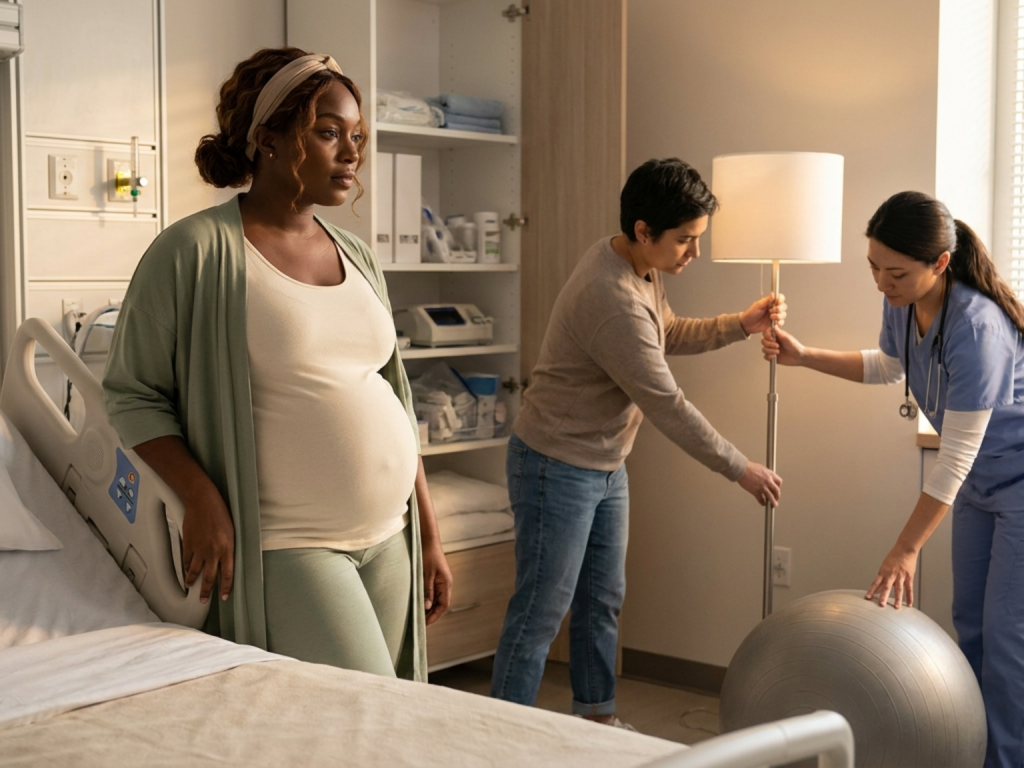
Labor environment preferences are not superficial details. The physical and emotional setting of labor can influence how safe, observed, interrupted, or supported a birthing person feels. A quiet room, dimmed lighting, familiar music, limited traffic, and permission to move may help some people settle into contractions and conserve attention. Others may prefer brighter lighting, frequent updates, and more visible clinical presence. The point is not to create one ideal environment, but to name what supports physiologic labor support and respectful care for this individual.
A birth plan is best used as a communication document. It gives the care team a concise view of priorities before contractions, fatigue, analgesia, or urgent decision-making make communication harder. Research on birthplace preference suggests that expectations about labor pain and duration are connected with preferred birth setting, which reinforces that environment, control, and anticipated coping are intertwined. Still, preferences cannot guarantee a particular labor course. A strong plan makes room for both comfort and medical judgment.
Room atmosphere, lighting, and sound
Many people begin with the sensory atmosphere of the room. Useful requests may include dim lighting when clinically appropriate, keeping the door closed, reducing unnecessary conversation during contractions, or using a low, calm voice when giving instructions. Some hospitals and birth centers allow personal items such as a pillow, blanket, battery-operated candles, photographs, affirmations, or a small focal object. These familiar cues can help transform a clinical space into a room that feels less exposed.
Sound preferences can be equally important. A plan may say that the birthing person would like music, guided relaxation, white noise, or silence. It is also reasonable to specify who controls the playlist or whether music should be paused during examinations, pushing, consent discussions, or newborn assessment. If the plan includes aromatherapy, it should be written cautiously: scents can trigger nausea, headache, asthma symptoms, staff sensitivity, or affect other patients in shared spaces. Ask the facility in advance whether diffusers, essential oils, or scented products are allowed.
Privacy, dignity, and communication
Privacy is both physical and relational. Physical privacy may include closing curtains, covering the body between assessments, limiting room entry, and asking before observers, trainees, or additional staff are present. Relational privacy includes the way information is shared: some people want direct clinical detail, while others prefer brief explanations followed by space to process. A plan can state, for example, that the birthing person wants procedures explained before they are performed and wants questions directed to them unless they request support-person assistance.
These preferences connect closely with shared decision-making in labor. Environmental control is not only about lights and music; it is also about feeling respected during cervical exams, fetal monitoring changes, IV placement, pain relief discussions, assisted birth conversations, or a possible cesarean birth. A concise communication preference might read: “Please explain the reason, benefits, risks, and alternatives when time allows, and tell me when a recommendation is urgent.” This supports informed consent during labor without slowing true emergencies.
Movement, positioning, shower, and bath access
Labor coping often depends on the ability to change position. In a birth plan, it can be helpful to request freedom to walk, sway, use a birth ball, lean over the bed, kneel, squat, sit upright, or use hands-and-knees positioning if maternal and fetal conditions allow. These requests should be paired with practical questions: Does the unit have wireless monitoring? Are birth balls available? Can the bed convert for upright pushing positions? Are squat bars, floor mats, or peanut balls available?
Water can be another environmental tool. Shower access may support relaxation, counterpressure, and heat therapy during contractions. Bath or tub use, sometimes called water immersion for labor pain, depends on facility policy, gestational age, membrane status, infection risk, fetal status, medication use, and monitoring needs. The birth plan should distinguish between laboring in water and giving birth in water, because not all facilities permit both. A flexible phrase such as “I would like shower or tub access if clinically appropriate and available” keeps the preference clear without assuming eligibility.
Support people and room flow
The environment is shaped by who is in the room and what each person is expected to do. A birth plan can name the intended support person, doula, partner, family member, interpreter, or spiritual support if applicable. It can also clarify whether visitors are welcome during early labor, whether the birthing person wants no visitors during active labor, and who should step out during procedures or sensitive conversations.
Support roles should be concrete. One person may handle hydration and cool cloths, another may provide counterpressure, and another may protect quiet space by communicating with family outside the room. If the birthing person prefers minimal coaching during contractions, the plan should say so. If they want encouragement, breathing reminders, massage, or help changing positions, that belongs in the plan too. These details are especially useful when labor pain management preferences change, because an epidural, nitrous oxide, systemic medication, or unmedicated labor may alter mobility, monitoring, and support needs.
Writing flexible, clinically compatible preferences
The most effective environment section is short, specific, and medically compatible. It should avoid implying that comfort requests outrank safety. Instead of writing “no interruptions,” a safer version is “please minimize nonurgent interruptions and cluster care when possible.” Instead of “no monitoring,” consider “I prefer mobility-compatible monitoring when appropriate.” This gives clinicians space to respond to fetal heart rate concerns, bleeding, fever, hypertension, induction medications, epidural placement, or other evolving needs.
A practical format is to list the highest-priority environmental requests first, then add a flexibility statement. For example: “My priorities are privacy, low lighting, calm voices, movement, and shower access. If medical concerns arise, please explain what needs to change and help preserve as many comfort measures as possible.” This kind of flexible birth preferences language is often more useful than a long list, because it tells the team what matters most when tradeoffs appear. Review the plan during prenatal care, bring a copy to the birth setting, and expect the plan to evolve during labor.
When preferences may need to change
- Urgent maternal or fetal concerns may require brighter lights, more staff, continuous monitoring, medications, or operative delivery.
- Water immersion may not be appropriate with certain infections, fetal concerns, heavy bleeding, some medications, or facility restrictions.
- Aromatherapy and scented products should be avoided if they trigger nausea, asthma symptoms, allergy concerns, or unit policy limits.
- Privacy requests should not prevent timely clinical assessment, emergency response, or newborn evaluation.
- Discuss any trauma-informed care needs, anxiety triggers, or communication accommodations with the healthcare team before labor when possible.
Tools & Assistance
- Prenatal birth plan review with obstetrician or midwife
- Hospital or birth center tour focused on room setup and water access
- One-page labor environment checklist for the admission bag
- Doula or support-person planning conversation
- Facility policy review for aromatherapy, visitors, wireless monitoring, shower, and tub use
FAQ
Can I ask for dim lights and quiet during labor in a hospital?
Often yes, when clinically appropriate. Staff may need brighter lighting for examinations, procedures, pushing, birth, repair, or emergency care.
Should I include music, scents, or personal items in my birth plan?
Yes, if they help you cope and are allowed by the facility. Keep scents optional and confirm policies before labor.
What if I want to move but need fetal monitoring?
Ask about mobility-compatible monitoring. Some situations require continuous monitoring, but position changes may still be possible with staff support.
Is a bath or shower always available for labor?
No. Access depends on room availability, facility policy, infection considerations, medications, membrane status, fetal status, and the clinical plan.
How detailed should the environment section be?
Keep it concise. Name your top priorities, explain what helps you feel safe, and include flexible language for clinical changes.
Sources
- South Eastern Sydney Local Health District / Royal Hospital for Women — Creating your birth environment
- American College of Obstetricians and Gynecologists — Sample Birth Plan Template
- PubMed — Birth place preferences and women's expectations and experiences regarding duration and pain of labor
Disclaimer
This article is for general medical education and does not replace personalized care. Discuss birth plan preferences, risks, and facility policies with your obstetrician, midwife, or healthcare team.













Please log in to leave a comment.