
Intro
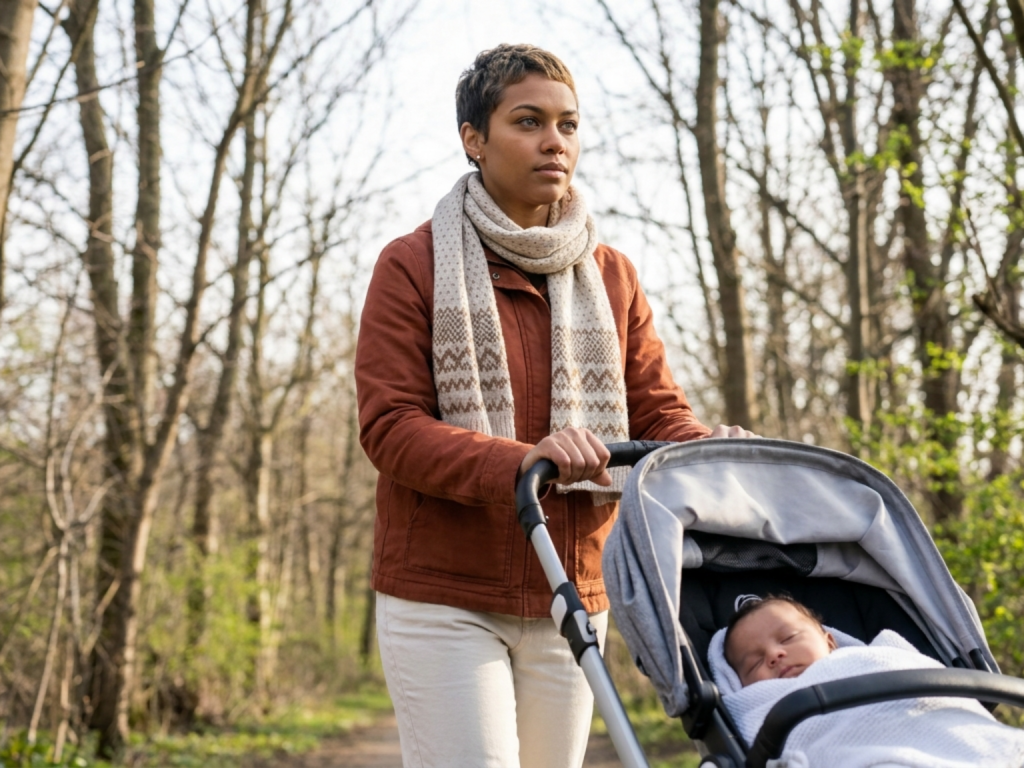
For many families, taking a newborn outside is both reassuring and intimidating. In most cases, a healthy, medically stable newborn does not need to remain indoors for a fixed number of weeks. A brief walk, a routine appointment, or time outside can be appropriate soon after birth when the baby is dressed suitably and exposure to infection, smoke, direct sunlight, and extreme temperatures is limited.
The safest timing depends on your baby's gestational age, birth weight, medical history, feeding and weight-gain pattern, and the type of outing. Parents of premature or medically fragile infants should ask the baby's healthcare professional for individualized guidance. For a healthy term newborn, gradual, short outings are usually a reasonable way to build confidence while protecting the infant's immature immune and thermoregulatory systems.
Highlights
Healthy newborns can usually go outside soon after birth; there is no universal rule requiring several weeks indoors.
Start with short outings in uncrowded, well-ventilated places and increase duration gradually as your baby tolerates them.
Hand hygiene, avoiding sick contacts, appropriate clothing, shade, and protection from smoke are central to newborn safety outdoors.
Prematurity, low birth weight, seasonal extremes, or a recent illness may change the advice, so consult your healthcare professional.
When can a newborn go outside?
There is no evidence-based requirement that every newborn stay indoors for a particular number of weeks. Healthy babies can generally go outside soon after birth, provided they are medically stable and the outing is planned around their basic needs. Fresh air itself is not harmful. The main concerns are infectious exposure, environmental conditions, unsafe transport, and difficulty recognizing early signs of illness or overheating.
Before leaving, consider whether your baby is feeding normally, producing the expected number of wet diapers, maintaining a comfortable temperature, and behaving as usual. A routine pediatric or postpartum appointment is different from a recreational outing: necessary medical care should not be delayed because the baby is young, but the clinic may provide specific instructions about infection precautions.
Some neonatal services recommend waiting approximately four to seven days before a first recreational outing, with timing influenced by birth weight and season. This is a cautious local guideline rather than a universal rule. A newborn who was premature, had a low birth weight, required intensive care, has respiratory or cardiac disease, or has ongoing feeding or weight concerns may need a more individualized plan. Ask the baby’s pediatrician, midwife, or neonatal team before going out.
Choose the first destination carefully
The first outings are easiest to manage when they are short, flexible, and close to home. A quiet outdoor walk, time in a private garden, or an uncrowded open-air area may provide fresh air with relatively limited exposure to respiratory pathogens. Choose a time when you can return promptly if the baby needs to feed, be changed, or settle.
For the first several weeks, avoid crowded indoor settings such as busy shopping centers, packed public transport, large gatherings, and poorly ventilated rooms. Crowds increase the number of close contacts and make it harder to maintain distance from people who may be incubating an infection. Avoid contact with anyone who has fever, cough, vomiting, diarrhea, cold symptoms, or a known recent exposure to a contagious illness.
Visitors who hold the baby should wash their hands first and should not visit when unwell. Do not allow people to kiss the baby’s face or hands. These measures are especially important because newborn immune defenses are still developing, and some infections that are mild in adults can be serious in young infants. Consider making visitor rules explicit before an outing or family gathering so that you do not have to negotiate them while caring for a tired baby.
Good visitor rules for newborns can include hand hygiene before contact, postponing visits during illness, avoiding kissing, and asking close caregivers to follow recommended vaccinations. These precautions reduce avoidable exposure without requiring complete isolation.
Protect your newborn from temperature and sunlight
Newborns have limited ability to regulate body temperature. They can become cold more quickly than adults, but they can also overheat when wrapped heavily, placed in a warm car, or covered with blankets in a stroller. Clothing should generally be appropriate for the ambient temperature, often using about one additional light layer compared with an adult in the same conditions. Check the baby’s chest or back rather than relying only on hands and feet, which may feel cool even when the core temperature is comfortable.
During cold weather, use breathable layers and monitor the baby regularly. During hot weather, choose a cooler part of the day, stay in shade, and limit the length of the outing. A stroller should never be covered with a blanket or other fabric that restricts airflow, because this can create a dangerous increase in temperature. Watch for sweating, flushed skin, unusual sleepiness, rapid breathing, or difficulty feeding, and move to a cooler environment if the baby seems overheated.
Protect a newborn from direct sunlight. Young infants have sensitive skin and should not be deliberately exposed to strong sun. Use shade created by the environment or a stroller canopy that allows adequate ventilation. Ask a healthcare professional about suitable sun protection for a very young infant, particularly because product recommendations may vary by age and local guidance.
For practical infant temperature regulation outdoors, check weather conditions before leaving, avoid temperature extremes, and plan an easy route home. Weather warnings, heat alerts, severe cold, smoke, and poor air quality are good reasons to postpone a nonessential outing.
Plan transport, feeding, and sleep safely
Transport equipment should be suitable for a newborn and used according to the manufacturer’s instructions. In a vehicle, the baby should travel in a properly installed, rear-facing infant car seat. The harness should be snug, with bulky coats removed beneath the straps. A car seat is designed for travel, not as a routine sleep surface after you arrive. Move the baby to a firm, flat, approved sleep surface when practical, and monitor the baby’s airway during and after transport.
If using a stroller, select a model that is approved for newborn use and provides a fully reclined or otherwise age-appropriate position. The baby’s head and neck should remain supported, with the face visible and the airway unobstructed. Never leave a newborn unattended in a stroller, car seat, or carrier. Keep bags out of places where they could destabilize the stroller, and use the restraint system as directed.
A soft-structured carrier or wrap may be appropriate only when it is designed for newborns and used correctly. The baby’s face must remain visible, the chin must not be pressed to the chest, and the nose and mouth must remain clear. Ask a trained professional to check positioning if you are uncertain. Correct safe stroller and carrier positioning matters more than the length of the outing.
Plan around feeding without rigidly delaying feeds. Bring the supplies your baby normally uses, and choose a private, clean place for feeding and diaper changes. For bottle-fed babies, prepare and transport feeds according to local safe-preparation guidance. Do not prop a bottle or leave a baby feeding unattended. A simple plan for feeding plan for baby outings can reduce stress: know where feeding may occur, carry enough supplies for delays, and allow time for burping and settling before continuing.
Reduce infection exposure during public outings
Infection prevention is the main reason to be selective about public places, not a reason to avoid all outdoor activity. Keep the baby away from people who are ill, avoid close face-to-face contact with strangers, and ask anyone touching the baby to perform hand hygiene first. Do not place a newborn on shared public surfaces, and clean frequently touched equipment according to the manufacturer’s instructions.
Parents and caregivers should wash their hands before feeding, handling a pacifier, changing a diaper, or touching the baby’s face. Alcohol-based hand sanitizer can be useful when soap and water are unavailable, although visibly soiled hands should be washed with soap and water. A stroller canopy may provide some physical separation, but it should never be used to enclose the stroller or reduce ventilation.
Smoke exposure should be avoided completely. Keep the baby away from cigarettes, vaping devices, fireplaces with significant smoke, and areas affected by wildfire or heavy air pollution. Smoke can irritate the respiratory tract and increase health risks even when the baby is not exposed directly during the outing.
Parents sometimes worry that every contact will cause illness, but practical risk reduction is more sustainable than trying to create a completely sterile environment. The most useful measures are limiting crowded exposure, maintaining hand hygiene, keeping sick people away, and responding promptly when the baby appears unwell. These are core elements of newborn infection prevention and respiratory virus protection for newborns.
Know when to return home or seek help
Newborn outings should remain flexible. Return home if the baby is persistently unsettled, feeding poorly, unusually difficult to wake, sweating, cold to the touch at the chest or back, breathing faster than usual, or showing signs that the environment is too stimulating. A newborn may simply need feeding, a diaper change, a quieter space, or sleep, but a sudden or marked change from normal behavior deserves attention.
Seek urgent medical advice for a newborn with a measured fever, breathing difficulty, blue or gray discoloration, repeated vomiting, significantly reduced feeding, markedly fewer wet diapers, unusual floppiness, a seizure, or a rash that does not blanch when pressed. In infants younger than three months, fever requires prompt professional assessment; do not rely on an outing-related explanation or attempt to treat it without medical guidance.
When in doubt, contact the baby’s healthcare professional, an urgent care service, or emergency services according to the severity of the signs and your local system. Keep a record of the baby’s temperature using an appropriate thermometer and report the measurement, feeding pattern, wet diapers, and behavior. Do not delay urgent care because you are concerned about exposing the baby to a clinic.
It is also reasonable to seek advice before an outing if your baby was born prematurely, has a chronic condition, recently left a neonatal unit, or is not gaining weight as expected. Individual clinical advice should take priority over general recommendations.
When to seek urgent medical advice
- A newborn younger than three months with a measured fever
- Breathing difficulty, pauses in breathing, or blue or gray discoloration
- Marked lethargy, floppiness, unusual difficulty waking, or a seizure
- Significantly reduced feeding, repeated vomiting, or substantially fewer wet diapers
- A rapidly worsening condition or a rash that does not blanch when pressed
Tools & Assistance
- Contact details for the baby's pediatrician, midwife, or neonatal team
- A digital thermometer suitable for infants
- Weather, heat, cold, and air-quality alerts
- A properly installed rear-facing infant car seat
- A clean diaper and feeding supply checklist
FAQ
Do I have to wait six weeks before taking my newborn outside?
No universal six-week rule applies to every healthy newborn. Many medically stable babies can go outside soon after birth. Begin with short, low-exposure outings and ask your healthcare professional for advice if your baby was premature, medically fragile, or has feeding or weight concerns.
Can a newborn go to a supermarket or shopping center?
A crowded indoor setting is usually less suitable for an early recreational outing because it increases close contact and infection exposure. If a necessary trip cannot be postponed, choose a less busy time, keep the visit brief, avoid sick contacts, and use appropriate transport and hygiene precautions.
How should I dress my newborn outside?
Use breathable layers appropriate for the temperature, often one light layer more than an adult would wear. Check the baby's chest or back, avoid overheating, protect the baby from direct sunlight, and never cover a stroller in a way that restricts airflow.
Is it safe for visitors to hold my newborn outdoors?
It can be reasonable if the visitor is well, washes their hands first, avoids kissing the baby, and follows your healthcare team's recommendations. Keep the baby away from anyone with symptoms of infection and avoid crowded gatherings during the early weeks.
What should I do if my newborn becomes unwell while we are out?
Move to a safe, comfortable environment and assess feeding, breathing, alertness, temperature, and skin color. Seek urgent medical advice for fever, breathing difficulty, blue or gray discoloration, marked lethargy, poor feeding, repeated vomiting, or other serious changes.
Sources
- Nemours KidsHealth — When Can I Take My Newborn Out in Public?
- WebMD — Can I Take My Newborn Outside?
- Wirral University Hospital NHS Foundation Trust — When to go out
Disclaimer
This article provides general health information and does not diagnose, treat, or replace advice from your baby's healthcare professional. Seek prompt medical care for urgent or concerning symptoms.












Please log in to leave a comment.