
Intro
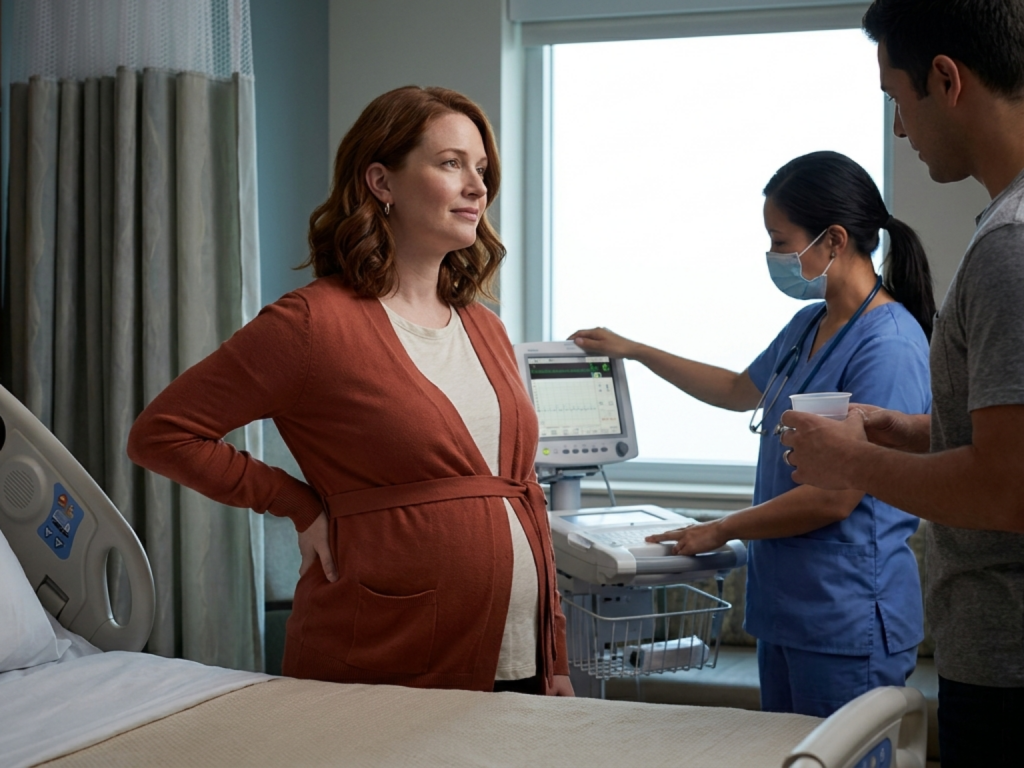
Labor is not only a physiologic event; it is also a sensory, relational, and psychological experience. The room, the people present, the level of privacy, the quality of communication, and the broader care culture can all influence how a birthing person perceives pain, safety, control, and support.
Environment does not replace clinical assessment, fetal monitoring when indicated, or timely obstetric intervention. But a supportive birth environment can help protect emotional safety, reduce avoidable stress, and make necessary care feel more understandable and collaborative.
Highlights
The labor environment can shape perceived safety, pain coping, autonomy, and trust in the care team.
Privacy, low sensory overload, supportive communication, and respectful consent can reduce unnecessary stress during childbirth.
Clinical safety and emotional safety should be integrated rather than treated as competing priorities.
Environmental stressors in pregnancy and labor may affect well-being, so individualized planning and professional guidance matter.
Unexpected changes can still happen in a well-prepared setting; the goal is not perfect control, but responsive, humane care.
Environment as a clinical and emotional variable
In childbirth, environment refers to more than the walls of a hospital room, birth center, or home. It includes the physical space, ambient light and sound, infection-control practices, mobility options, availability of pain-relief tools, interpersonal behavior, privacy, and the degree of control the birthing person can exercise. Occupational health frameworks describe healthy environments as those that support physical safety, mental health, and social well-being; the same broad concept is useful in birth, even though labor has its own clinical risks and time pressures.
A supportive birth environment does not guarantee a spontaneous vaginal birth or prevent complications. Cervical dilation, fetal position, uterine activity, placental function, maternal medical conditions, and fetal status remain central. Still, the environment can change how contractions are interpreted, how much threat the brain assigns to pain, whether the person feels able to ask questions, and whether interventions are experienced as collaborative or coercive.
Physical surroundings and labor physiology
Labor depends on coordinated neuroendocrine signaling, including oxytocin release, prostaglandin activity, endogenous endorphins, and maternal catecholamine responses. A room that feels exposed, noisy, cold, or constantly interrupted may increase vigilance. Heightened sympathetic arousal can make pain feel less manageable and may interfere with rest between contractions, especially in prolonged early labor or transition.
Small environmental adjustments can matter: dimmable lighting, reduced unnecessary noise, warm blankets, access to water if allowed, freedom to change position, and clear pathways for walking or using a birth ball. These measures are not medical treatments by themselves, but they can support coping and conserve energy. In higher-acuity settings, the challenge is to preserve calm while maintaining rapid access to fetal monitoring, intravenous therapy, neonatal support, anesthesia, or operative birth if needed.
The best environment is therefore not always the least medicalized one. For someone with hypertensive complications, prior uterine surgery, preterm labor, significant bleeding, or a nonreassuring fetal heart rate pattern, proximity to skilled clinical care may be the most protective environmental feature.
Privacy, control, and consent
Labor often requires intimate care: cervical exams, fetal monitoring, membrane assessment, catheter placement, anesthesia evaluation, and sometimes urgent procedures. When these actions occur without clear explanation, they can intensify vulnerability. Consent during labor exams is not a formality; it helps maintain dignity and supports the person’s sense that their body remains their own even during intense clinical work.
Perceived control is not the same as controlling every outcome. It may mean being told what is happening, being offered reasonable options, having preferences documented, and receiving explanations when plans change. In occupational and mental-health research, low control, excessive demands, insecurity, and poor psychosocial conditions are recognized as stressors that can harm well-being. In birth, similar principles apply: unclear communication, dismissive responses, discrimination, or repeated interruptions can make labor feel threatening even when the clinical course is stable.
Care teams can improve psychosocial safety in labor by introducing themselves, asking before touching, explaining urgency honestly, using plain language for fetal or maternal concerns, and inviting questions when time allows. These behaviors are especially important for people with prior trauma, previous difficult birth, language barriers, disability, or experiences of medical racism or bias.
Support people and team culture
The people in the room are part of the environment. A trusted partner, doula, midwife, nurse, physician, interpreter, or chosen support person can help translate information, encourage position changes, maintain hydration when permitted, support breathing or vocalization, and reinforce the birthing person’s preferences. Emotional safety in labor often depends on whether the person feels witnessed rather than managed.
Team culture also matters. A technically skilled unit can still feel unsafe if communication is fragmented or hierarchical. Conversely, a calm team that explains fetal monitoring changes, pain options, and next steps can reduce fear even during escalation. This is particularly relevant when labor shifts from low-risk expectations to interventions such as amniotomy, oxytocin augmentation, operative vaginal birth decision-making, or cesarean birth during labor.
Support should also include the healthcare workers themselves. Environments with excessive workload, poor staffing, fatigue, or low job control can strain clinicians’ capacity for attentive communication. WHO guidance on work and mental health emphasizes that poor working environments can harm well-being; in maternity care, staff well-being and patient experience are closely connected, because overstretched teams have less time for explanation, reassurance, and individualized support.
Sensory load, pain, and coping
Pain in labor is generated by uterine contractions, cervical dilation, pelvic pressure, tissue stretching, and sometimes procedures or complications. The nervous system processes this input in context. Fear, isolation, bright lights, alarms, repeated unfamiliar voices, or loss of privacy can amplify distress. Calm sensory input, predictable communication, touch that is welcomed, movement, water therapy where appropriate, heat or cold packs, breathing, and pharmacologic options may all help the person stay oriented.
Analgesia and environmental support are not opposites. Epidural analgesia, nitrous oxide, systemic opioids, sterile water injections, or nonpharmacologic coping tools may each have a role depending on availability, contraindications, labor stage, and patient preference. A supportive room helps the person understand choices without shame. Someone who wants unmedicated labor should not be abandoned to pain; someone who requests medication should not be made to feel they have failed.
Transition can be especially intense. Shaking, nausea, pressure, vocalization, panic-like feelings, or statements such as “I cannot do this” may occur even in physiologic labor. A steady environment can help distinguish expected intensity from warning signs that require urgent assessment.
Broader environmental exposures before labor
The labor experience is also shaped before contractions begin. Chronic stress, housing instability, workplace demands, discrimination, sleep disruption, heat exposure, air pollution, and endocrine-disrupting chemicals in pregnancy can influence health, perceived safety, and readiness for birth. These exposures do not determine an individual outcome, but they may affect baseline fatigue, anxiety, blood pressure risk, access to prenatal care, and trust in institutions.
Environmental exposures before labor are best addressed through prenatal care, public-health support, and individualized birth planning. People with physically demanding jobs, high stress, low schedule control, or unsafe working conditions should discuss symptoms and accommodations with qualified professionals. No article can determine whether a specific exposure has affected a pregnancy or what restrictions are appropriate.
For medically literate readers, the key point is that biologic and social context interact. A cervix dilates in a body that has been sleeping or not sleeping, nourished or undernourished, supported or threatened, heard or dismissed. Good maternity care recognizes this without implying blame.
Planning a safer, more supportive birth setting
Individualized birth planning can translate environmental needs into practical requests. Useful topics include who should be present, preferred language for communication, privacy needs, pain-relief preferences, mobility goals, cultural or spiritual practices, trauma-informed care requests, and what should happen if urgent intervention becomes necessary. The plan should be flexible enough to protect safety when maternal or fetal status changes.
Questions to discuss with a clinician may include whether intermittent auscultation or continuous fetal monitoring is appropriate, what mobility is possible with monitoring or an epidural, when intravenous access is recommended, how consent is handled for exams, and what signs would trigger transfer, operative birth, or emergency response. These conversations are most helpful before labor, when there is time to consider risks and preferences.
The strongest birth environments combine clinical readiness with human respect. They make room for privacy, consent, comfort, and support while remaining prepared for hemorrhage, infection, hypertensive emergency, fetal compromise, shoulder dystocia, or other urgent complications. That balance can make even a difficult labor feel less isolating and more comprehensible.
Seek urgent care if
- There is heavy vaginal bleeding, severe abdominal pain, or a sudden change in fetal movement.
- You have severe headache, visual changes, chest pain, shortness of breath, or symptoms concerning for hypertensive complications.
- Your water breaks with fever, foul-smelling fluid, or green-brown fluid.
- Contractions occur before term or are associated with significant pressure, bleeding, or fluid leakage.
- You feel unsafe, unheard, or unable to consent during care; ask for immediate help from a clinician, charge nurse, patient advocate, or support person.
Tools & Assistance
- Discuss birth-setting options with an obstetrician, midwife, or maternal-fetal medicine specialist.
- Create a flexible birth plan that includes communication, consent, privacy, and escalation preferences.
- Ask your facility about fetal monitoring, mobility, pain relief, visitor policies, and emergency capabilities.
- Consider a doula, interpreter, or chosen support person if available and appropriate.
- Request a postpartum debrief after difficult or unexpected childbirth.
FAQ
Can a calm environment make labor faster?
It may support coping and reduce avoidable stress, but it cannot guarantee faster labor. Labor progress depends on uterine activity, cervical change, fetal position, parity, and clinical factors.
Is a hospital environment always more stressful?
Not necessarily. For some people, immediate access to anesthesia, fetal monitoring, operating rooms, and neonatal care feels reassuring. The quality of communication and respect often matters as much as the setting.
What if my birth plan cannot be followed?
Unexpected changes can occur when maternal or fetal safety requires a different approach. A good care team should explain the reason, discuss options when possible, and preserve consent and dignity during escalation.
Can environmental stress before labor affect the birth experience?
Chronic stress, unsafe work, poor sleep, discrimination, and other environmental stressors may influence well-being and readiness for labor. Discuss concerns with prenatal care professionals rather than trying to assess risk alone.
Sources
- World Health Organization — Mental health at work
- World Health Organization — Occupational health
- MDPI - Sustainability — The Role of the Workplace Environment in Shaping Employees’ Well-Being
Disclaimer
This article is for general medical information only and is not a diagnosis or treatment plan. Consult your obstetrician, midwife, or qualified healthcare professional for advice about your pregnancy, labor, and birth setting.














Please log in to leave a comment.