
Intro
Natural birth outcomes are shaped by more than cervical dilation, fetal position, and clinical risk status. The surrounding environment, both the broader environment a pregnant person lives in and the immediate birth setting, can influence neuroendocrine labor physiology, maternal stress responses, fetal growth, and the likelihood of interventions.
Highlights
Environmental exposures such as endocrine-disrupting chemicals, air pollution, and heat may affect pregnancy physiology and are linked with adverse outcomes including preterm birth and fetal growth restriction.
A calm, private, supportive birth space can help protect physiologic labor by reducing stress and supporting oxytocin-mediated contractions.
Residential green space has been associated with improved birth outcomes, including higher birthweight, likely through multiple pathways such as reduced stress, cleaner air, and opportunities for movement.
Environment is not destiny: individualized risk assessment, ongoing prenatal care, and skilled birth support remain central to safe natural birth planning.
Understanding environment in natural birth
In the context of natural birth, environment means more than the room where labor happens. It includes the external environment before birth, such as air quality, housing conditions, green space, occupational exposures, heat, noise, and contact with environmental chemicals. It also includes the intrapartum environment: lighting, privacy, sound, staff interactions, freedom of movement, access to water, and the availability of emergency safeguards.
Natural birth usually refers to a vaginal birth that emphasizes physiologic labor and minimal intervention when clinically appropriate. Some people also mean unmedicated birth, while others use the term to describe a low-intervention birth plan that still allows monitoring, medication, or operative assistance if needed. Because labor is a neurohormonal event, the environment can either support or disrupt the balance among oxytocin, catecholamines, endorphins, prostaglandins, and inflammatory mediators.
This does not mean that a perfect environment guarantees an uncomplicated birth, or that complications are caused by something a parent did wrong. Placental function, fetal presentation, hypertensive disease, diabetes, infection, prior uterine surgery, and many other medical factors matter deeply. Environment is one modifiable layer among many, and it is best addressed through preparation, risk-aware planning, and ongoing prenatal care.
Environmental exposures before labor
Pregnancy is a biologically sensitive period because placental development, fetal organogenesis, maternal metabolic adaptation, and immune tolerance are occurring simultaneously. Scientific reviews describe associations between hazardous environmental substances, including endocrine-disrupting chemicals, and outcomes such as ectopic pregnancy, pregnancy loss, gestational diabetes, hypertensive disorders, preterm birth, and intrauterine growth restriction. Endocrine-disrupting chemicals can interfere with hormone signaling, including estrogenic, androgenic, thyroid, and metabolic pathways, which may affect placental and fetal development.
Other environmental stressors may also influence natural birth outcomes. Air pollution has been linked in broader obstetric literature to inflammation, oxidative stress, placental vascular dysfunction, and fetal growth concerns. Extreme heat can increase maternal cardiovascular strain and dehydration risk. Chronic noise and poor housing quality may contribute to sleep disruption and sympathetic nervous system activation. These pathways matter because spontaneous labor and cervical ripening depend on coordinated endocrine, inflammatory, and uteroplacental signals.
Risk reduction should be practical rather than fear-driven. A pregnant person can ask clinicians about local environmental concerns, occupational safety, ventilation, safe food storage, and avoidance of known toxins such as tobacco smoke. However, no one should stop work, discard medications, or make major exposure-related decisions without professional advice, especially when financial security, housing, or mental health could be affected.
Green space, movement, and physiologic resilience
Residential green space is a helpful example of how environment can operate as a protective factor. Research in a coastal setting found that greater surrounding green space was associated with improved birth outcomes, specifically higher birthweight. The mechanism is probably not single or simple. Green space may correlate with reduced air pollution, lower heat exposure, more opportunities for walking, less psychological stress, and stronger neighborhood cohesion.
For a person hoping for natural birth, these pathways may indirectly support physiologic readiness. Moderate activity, when approved by a clinician, can improve cardiorespiratory conditioning, glucose regulation, sleep quality, and mood. Stress reduction may help reduce chronic catecholamine elevation, which is relevant because high levels of adrenaline and noradrenaline can inhibit oxytocin release and make contractions feel less manageable.
Still, green space is not equally available to all families, and access is shaped by housing, work schedules, disability, safety, and structural inequities. The goal is not to create another unrealistic standard for pregnancy. If parks or outdoor walking are not accessible, alternatives may include indoor movement routines, prenatal physical therapy, community centers, or simply prioritizing rest and hydration. The most appropriate plan depends on medical history, symptoms, and guidance from the pregnancy care team.
The birth room and the labor hormone cascade
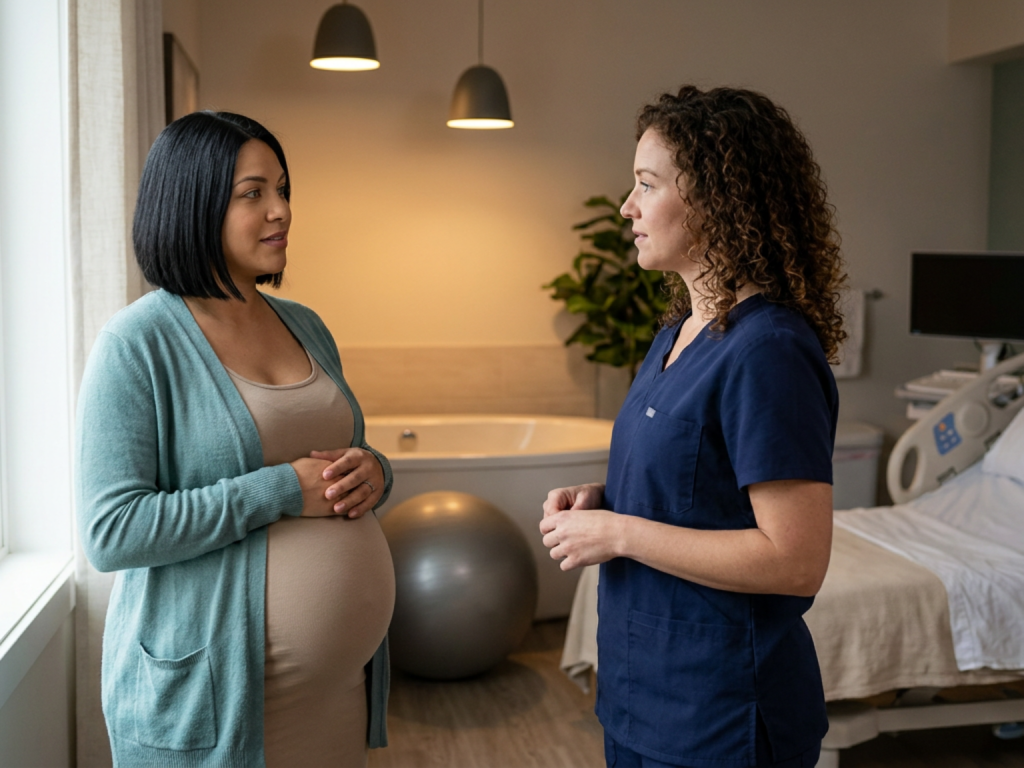
The immediate birth environment can directly influence labor behavior and physiology. A scoping review of birth environment interventions found that the physical environment can support physiologic processes and psychosocial well-being. Elements such as dimmable lighting, reduced unnecessary noise, privacy, access to familiar objects, space for movement, and a nonclinical atmosphere may help the birthing person feel safer and less observed.
This matters because labor depends strongly on oxytocin, the hormone that supports uterine contractions, bonding, and milk ejection. Oxytocin release is favored by warmth, safety, privacy, and supportive touch if desired. In contrast, fear, exposure, conflict, and repeated interruptions may increase catecholamines. In early labor, this can slow contraction patterns; in active labor, severe stress can intensify pain perception and reduce coping capacity.
A supportive environment also encourages behaviors that often help labor progress: upright positioning, rhythmic movement, spontaneous vocalization, rest between contractions, and use of nonpharmacologic labor coping methods. These approaches can be compatible with fetal monitoring, intravenous access when indicated, or medication if the clinical picture changes. A well-designed environment does not replace skilled care; it makes skilled care easier to deliver in a way that respects physiologic birth.
Psychosocial safety and respectful care
The emotional environment is as important as the physical one. Respectful communication, consent, cultural humility, and continuous labor support can affect whether a person feels secure enough to follow their body’s cues. Feeling dismissed, rushed, exposed, or coerced may amplify pain, fear, and loss of control. For some people, especially those with prior trauma, the tone of care can be a major determinant of whether labor feels tolerable.
Psychosocial safety includes being told what is happening, having time to ask questions when circumstances allow, and being invited into decision-making. It also includes clarity about when recommendations are urgent. For example, a person may strongly prefer natural birth and still need prompt intervention for fetal heart rate abnormalities, hemorrhage, infection, severe hypertension, or obstructed labor. Compassionate care makes room for both autonomy and safety.
Support people can shape this environment by protecting quiet, helping with hydration, encouraging position changes, and asking for explanations when the birthing person is concentrating through contractions. Doulas, midwives, nurses, physicians, and partners each contribute differently. The common goal is a setting where the person in labor is not performing for others, but is supported through a demanding physiologic and emotional process.
Hospital, birth center, and home environments
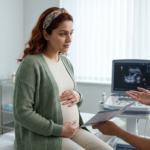
Different birth settings offer different environmental advantages and safety constraints. Hospitals provide rapid access to anesthesia, surgery, blood products, neonatal resuscitation, and subspecialty care. For pregnancies with elevated risk, this immediate backup can be essential. The challenge is that hospital environments may include bright lights, alarms, frequent staff changes, and protocols that can feel disruptive unless care is intentionally personalized.
Birth centers often emphasize privacy, mobility, water immersion during labor, and a homelike atmosphere, while maintaining criteria for transfer if complications develop. Home birth may offer maximal familiarity and privacy for carefully selected low-risk pregnancies, but safety depends on appropriate screening, qualified attendants, emergency equipment, and timely transfer pathways. Unassisted birth is a distinct and higher-risk situation because emergencies can evolve quickly even after a low-risk pregnancy.
The best environment is not the one that appears most natural; it is the one that matches medical risk, personal values, geography, and available professional support. A person with a prior cesarean delivery, breech presentation, placenta previa, twins, significant hypertension, or insulin-requiring diabetes may need a different plan from someone with a singleton, cephalic, low-risk pregnancy. Individualized birth planning with a qualified clinician helps align preferences with realistic safeguards.
Practical ways to optimize the environment safely
Families can often improve the labor environment without rejecting medical care. During prenatal visits, ask what options are available for lighting, mobility, intermittent auscultation versus continuous monitoring when appropriate, water use, eating or drinking policies, support people, and delayed cord clamping. Discuss which preferences are flexible and which situations would change the plan.
- Prepare a concise birth preference document focused on values: privacy, mobility, consent, coping tools, and newborn care.
- Tour the setting if possible and notice sound, lighting, bathroom access, tub or shower availability, and space for position changes.
- Pack simple environmental supports, such as an eye mask, calming audio, familiar scent if allowed, comfortable clothing, and heat or cold packs.
- Choose support people who can remain calm, communicate respectfully, and adapt if complications arise.
- Ask about environmental exposures at work or home if there are chemicals, solvents, pesticides, lead, mold, smoke, or extreme heat.
Environmental preparation is most useful when paired with flexibility. A quiet room is valuable, but so is timely oxytocin augmentation when medically necessary. Mobility can help, but continuous fetal heart rate assessment may be appropriate for certain risk factors. The aim is not to achieve an idealized birth at all costs; it is to create conditions that support physiologic labor while preserving the ability to respond to maternal or fetal needs.
When to seek medical guidance promptly
- Report decreased fetal movement, vaginal bleeding, severe headache, visual symptoms, or severe abdominal pain immediately.
- Discuss occupational or home chemical exposures with a clinician before making major changes.
- Do not choose a birth setting based only on comfort if pregnancy risk factors require higher-level care.
- Seek urgent care for signs of preterm labor, ruptured membranes before term, fever, or symptoms of severe hypertension.
- Avoid unassisted birth planning; rapid complications can occur even after an uncomplicated pregnancy.
Tools & Assistance
- Prenatal visit checklist for environmental exposures and birth-setting preferences
- Hospital or birth center tour with questions about mobility, lighting, monitoring, and water use
- Consultation with an obstetrician, midwife, or maternal-fetal medicine specialist when risk factors are present
- Occupational health or environmental health service for workplace exposure concerns
- Doula or childbirth educator experienced in physiologic labor support
FAQ
Can a calm room really affect labor progress?
It can help some people by reducing fear and supporting oxytocin release, movement, and coping. It cannot guarantee vaginal birth or prevent complications.
Are environmental chemicals proven to cause poor birth outcomes?
Evidence links some exposures, including endocrine-disrupting chemicals, with adverse pregnancy outcomes, but individual risk varies. Discuss specific exposures with a qualified clinician.
Is home always the best environment for natural birth?
No. Home may feel safest for some carefully selected low-risk pregnancies with skilled attendants and transfer plans, but others need hospital-level resources.
How can I make a hospital room more supportive for natural birth?
Ask about dim lights, fewer interruptions, mobility, shower or tub use, supportive positioning, and clear consent-based communication whenever clinically possible.
Sources
- PubMed (National Institutes of Health) — Environmental factors affecting pregnancy outcomes
- Wiley Online Library (Birth: Issues in Perinatal Care) — Birth environment interventions and outcomes: A scoping review
- ScienceDirect (Elsevier, Environmental Research) — Residential green space and birth outcomes in a coastal setting
Disclaimer
This article is for informational purposes only and does not replace individualized medical advice. Consult your obstetrician, midwife, or other qualified healthcare professional about pregnancy risks, environmental exposures, and birth planning.













Please log in to leave a comment.