
Intro
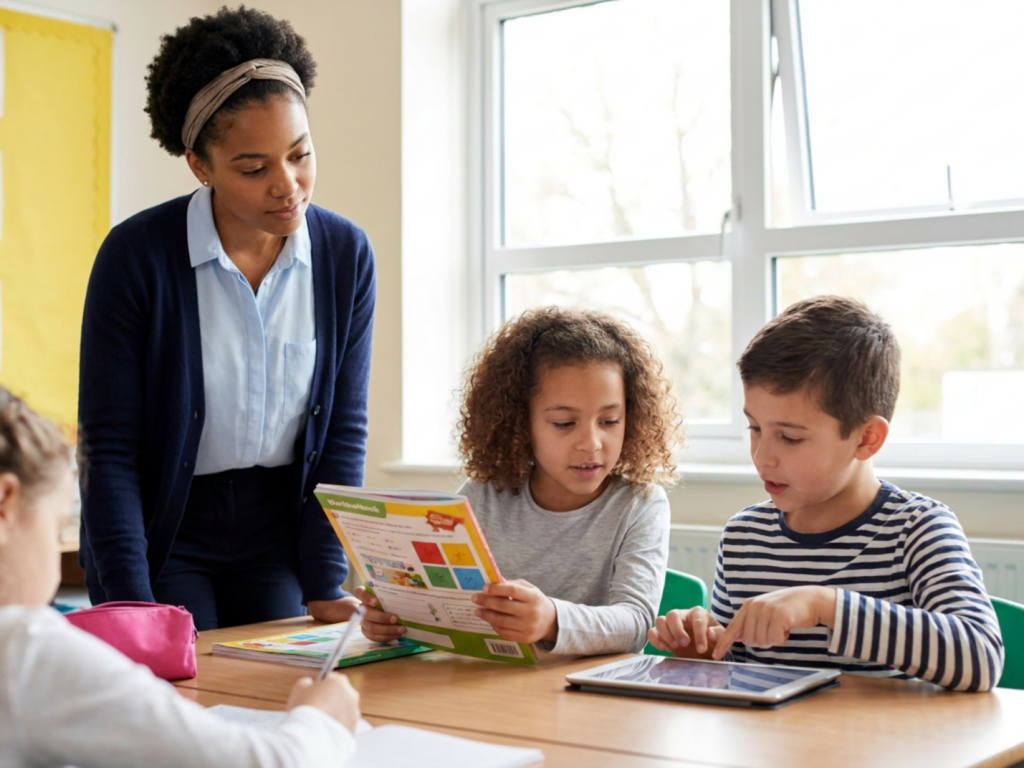
Peer influence is a normal part of childhood. Children notice how classmates speak, play, solve problems, and get approval, and those observations can shape behavior long before the teen years. In some situations, peers help children feel brave, curious, and connected. In others, peer pressure can pull a child toward conflict, exclusion, or unsafe choices.
For families, it can be reassuring to know that peer influence is not a sign of failure or poor parenting. It is a developmental force that reflects how social learning, belonging, and brain maturation interact. Understanding that process can help adults respond with more calm, less shame, and better support.
Highlights
Peer influence can begin in primary school, not only in adolescence, because children use peers as cues in unfamiliar situations.
The effect can be protective or harmful: peers may strengthen prosocial behavior, or they may amplify aggression and rule-breaking.
A child is not simply copied by friends; there are both selection effects and true peer influence, and both matter.
Adult monitoring, positive parenting, and a stable school climate can reduce harmful peer contagion and support resilience.
What peer influence means in childhood
Peer influence is the process by which children are shaped by what other children think, say, and do. It includes direct pressure, but it also includes subtler forces such as imitation, social comparison, and the desire to fit in. A child may copy a classmate’s joke, dress style, opinion, or classroom behavior simply because that behavior seems rewarded by the group.
Researchers distinguish selection effects from influence. Selection means children often choose friends who already resemble them in interests or behavior. Influence means the friendship then changes the child further. Both processes can happen at the same time, which is why peer relationships can look powerful and sometimes confusing from the outside.
This starts early. Evidence from primary school children shows that peer opinions can shape social judgment-making in unfamiliar situations. When children are unsure what is acceptable, they may look to peers for guidance. That is part of normal social development, not a defect in character.
Why peers become so powerful as children grow
Children are still developing executive function, the set of brain skills that help with inhibition, planning, mental flexibility, and self-control. Because those systems are still maturing, a peer’s reaction can feel immediate and highly salient. The child may know the rule at home, yet still act differently when friends are watching.
Peer influence is also linked to social cognition, meaning the ability to read intentions, status, and belonging cues. Children quickly learn which behaviors lead to laughter, exclusion, praise, or acceptance. Over time, repeated reactions from peers can become a strong source of reinforcement, shaping habits as much as adult instruction does.
The pull of can be especially strong, but the foundations begin earlier. Even younger children may change their answers, tone, or choices to avoid standing out. This is why a child can seem confident in one setting and hesitant in another.
How peer influence can help children
Peer influence is not inherently harmful. In healthy groups, it can encourage kindness, persistence, cooperation, and curiosity. A child who sees classmates reading, including others, or asking for help may be more likely to do the same. In this sense, peers can strengthen prosocial behavior and make school feel safer.
Positive influence often works through belonging. When a child feels accepted, they are more open to learning social rules and managing frustration. This is one reason positive peer influence for children matters so much. Supportive friendships can improve confidence, practice with conversation, and willingness to try new activities.
Families and teachers can reinforce these benefits by noticing and praising specific behaviors, such as sharing, turn-taking, and respectful disagreement. Children do not need perfect friends to grow well; they need enough stable relationships to practice trust, problem-solving, and empathy.
In well-supervised settings, positive peer networks can become a major protective factor. They give children a sense that good behavior is normal, not unusual.
When peer influence becomes harmful
Peer influence becomes concerning when the group rewards aggression, secrecy, humiliation, or rule-breaking. In social and emotional development, this is sometimes described as peer contagion, meaning that problem behaviors spread or intensify through interaction. One mechanism is deviancy training: children may laugh at, encourage, or escalate disruptive talk and actions, which makes those behaviors feel acceptable.
Harmful peer influence can show up as name-calling, exclusion, copying unsafe dares, defending cruelty, or repeated conflict at school. In later childhood and adolescence, it can also increase substance use, delinquency, and violence. The behavior may start small, but group reinforcement can make it more frequent and harder to stop.
Not every shift in mood or friendship is a sign of serious trouble. Still, if a child becomes more aggressive, secretive, withdrawn, or fearful after spending time with certain peers, that pattern deserves attention. The key concern is persistence and impact on daily functioning, not a single isolated event.
Which children are more vulnerable, and what protects them
Some children are more sensitive to peer influence because of temperament, stress exposure, language or learning challenges, or differences in emotion regulation. A child who feels uncertain, anxious, or left out may be more likely to conform quickly to gain acceptance. Others may react strongly if they struggle with impulse control or have difficulty reading social cues.
Protection does not come from strict control alone. Evidence points to several buffering factors: adult monitoring, warm and consistent parenting, clear limits, and a school environment where belonging is built intentionally. When adults know who the child spends time with, where they are, and how groups are functioning, risky peer patterns are easier to notice early.
School climate also matters. Classrooms with clear rules, respectful teachers, and structured activities tend to reduce opportunities for deviant peer reinforcement. In contrast, chaotic or poorly supervised settings can magnify social contagion. Supportive adults do not eliminate peer influence, but they can shape it toward healthier norms.
How parents and caregivers can respond
The most helpful response is usually calm curiosity. Instead of asking only, ‘Why did you do that?’ it can help to ask, ‘What was happening with your friends?’ or ‘What did you think would happen if you said no?’ Questions like these reduce shame and help children describe the social pressure they felt.
Adults can also coach practical skills. That includes practicing peer pressure refusal skills, such as using a short answer, offering an alternative, leaving the scene, or finding a trusted adult. Children may need repeated rehearsal, because social stress can make it hard to think clearly in the moment.
Helpful support often includes:
- Listening first, then naming the feeling of wanting to belong.
- Rehearsing specific phrases a child can use with friends.
- Setting predictable limits about safety, supervision, and online or after-school settings.
- Working with teachers, counselors, or coaches when a group dynamic is becoming harmful.
If concerns persist, or if behavior changes are severe, it is appropriate to consult a pediatrician, child psychologist, or other qualified mental health professional. That is especially important when aggression, withdrawal, sleep problems, school refusal, or safety risks are present. Professional support can help determine whether the problem is mainly social, emotional, developmental, or all three.
Children do best when adults treat peer influence as a normal part of growing up while still taking harmful patterns seriously. With guidance, children can learn to belong without losing themselves.
When to seek extra support
- A sudden or persistent shift in friends, mood, or behavior deserves attention.
- Repeated aggression, cruelty, exclusion, or rule-breaking may reflect harmful peer contagion.
- Sleep problems, school refusal, stomachaches, or frequent distress can be signs of stress.
- If a child mentions self-harm, violence, or being forced into unsafe acts, seek urgent help.
- If family efforts do not help, ask a pediatric or mental health professional for an evaluation.
Tools & Assistance
- Pediatrician or family doctor for a developmental and emotional check-in
- School counselor or teacher for observations about classroom and peer behavior
- Child psychologist or child psychiatrist for a fuller social and behavioral assessment
- Family therapist or parenting support program for communication and supervision strategies
FAQ
Is peer influence always a bad thing?
No. Peers can encourage kindness, confidence, learning, and healthy habits. The concern is when the group reinforces aggression, secrecy, exclusion, or risky behavior.
Can peer influence affect younger children, not just teens?
Yes. Research shows that even primary school children can rely on peer opinions, especially in unfamiliar social situations.
How can I tell if the influence is becoming harmful?
Watch for persistent behavior changes, distress, fear, withdrawal, aggression, or repeated trouble after spending time with certain peers.
Should I punish my child for being influenced by friends?
Usually the better first step is calm conversation, skill-building, and supervision. Shame often closes communication and makes it harder to understand what is happening.
Sources
- PubMed / National Library of Medicine — Peer influence in children and adolescents
- PubMed / National Library of Medicine — Peer contagion in child and adolescent social and emotional development
- Frontiers — Peer influence on primary school children’s social judgment-making: an experimental study
Disclaimer
This article is for general information only and is not a substitute for medical, psychological, or educational evaluation. If you are worried about your child’s behavior, mood, safety, or development, please consult a qualified healthcare professional.

















Please log in to leave a comment.