
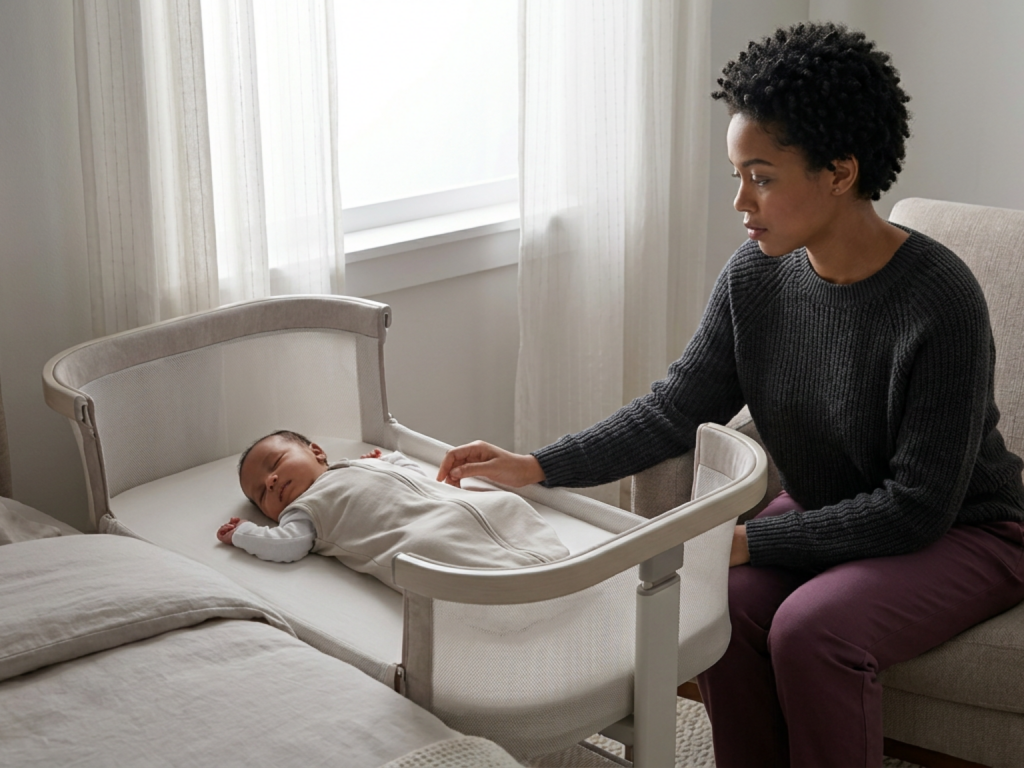
Intro
Newborn sleep can feel mysterious, especially when the day is divided into tiny cycles of feeding, settling, dozing, waking, and starting again. Many parents worry that their baby is sleeping too much, not enough, or at the “wrong” times. In most cases, a newborn’s irregular sleep is a normal reflection of early neurologic development, small stomach capacity, and the need for frequent feeding.
Across reputable pediatric sources, a typical newborn sleeps about 14 to 17 hours in a 24-hour period, with many babies averaging around 16 to 17 hours. Some healthy newborns may sleep as much as 18 to 19 hours a day, especially in the first days, while others sleep somewhat less. The key is not only the total number of hours, but also feeding effectiveness, hydration, weight trajectory, alert periods, breathing comfort, and safe sleep conditions.
Highlights
Most newborns sleep about 14 to 17 hours per day, often in short stretches rather than one long block.
Newborn sleep is fragmented because babies need frequent feeds and have immature circadian rhythms.
It is normal for newborns to wake every 1 to 3 hours, and many do not sleep through the night until at least 3 months of age.
Sleep safety matters as much as sleep duration: place babies on their backs, on a firm, flat sleep surface, without loose bedding.
Contact a pediatric clinician if excessive sleepiness interferes with feeding, if wakefulness seems extreme, or if there are signs of illness or dehydration.
The usual newborn sleep range
For most newborns, the expected sleep total is approximately 14 to 17 hours over 24 hours. Many pediatric references describe the average as about 16 to 17 hours per day. Some newborns sleep up to 18 or 19 hours, particularly during the earliest postnatal period, and this can still be normal if the baby wakes adequately for feeds, has appropriate urine and stool output, and is gaining weight as expected.
Unlike adults, newborns rarely consolidate sleep into a long overnight stretch. A baby may sleep for 30 minutes, 90 minutes, or 2 to 3 hours, then wake to feed and need help settling again. HealthyChildren.org notes that newborns often sleep only 1 or 2 hours at a time. This pattern can be exhausting for caregivers, but it is biologically typical.
It is helpful to think in terms of the whole 24-hour pattern rather than judging one night or one nap. A newborn who seems “awake all night” may be accumulating substantial sleep during the day. Conversely, a baby who sleeps most of the day may still need assessment if feeds are missed or the baby is difficult to rouse.
Why newborn sleep is so fragmented
Newborn sleep is shaped by brain maturation, feeding physiology, and the absence of a mature circadian rhythm. Circadian rhythm is the body’s internal day-night timing system, regulated by light exposure, melatonin secretion, feeding cues, and repeated routines. In newborns, this system is immature, so sleep and wake periods are distributed around the clock.
Newborns also have small stomach capacity and high metabolic needs. Breastfed and formula-fed babies both commonly need to feed every few hours, although the exact timing varies by age, birth weight, feeding method, and medical context. This is why short sleep stretches are expected and why long uninterrupted sleep is not usually the goal in the first weeks.
Sleep architecture also differs. Newborns spend a large proportion of sleep in active sleep, a neonatal sleep state that resembles rapid eye movement sleep. During active sleep, babies may twitch, grunt, smile, breathe irregularly for brief periods, or make small noises. These movements can look like waking, but the baby may still be asleep. Pausing for a moment before intervening can help caregivers learn the difference between active sleep and true hunger or distress cues.
Feeding, weight, and when sleep needs closer attention
Sleep duration should be interpreted together with feeding and growth. A newborn who sleeps long stretches but feeds well, has an appropriate number of wet diapers, stools as expected for age, appears alert during wake windows, and follows a reassuring weight pattern may simply be a sleepier baby. A newborn who is too sleepy to latch, suck, bottle-feed, or stay awake long enough to feed needs prompt guidance from a pediatric professional.
In the first days after birth, clinicians may recommend waking a newborn for feeds, especially if the baby has not regained birth weight, has jaundice, was born early, has low blood sugar risk, or has feeding difficulties. Parents should follow the individualized feeding plan given by their maternity team, pediatrician, lactation consultant, or neonatal clinician.
Newborn feeding cues may include stirring, bringing hands to the mouth, rooting, lip smacking, and increasing alertness. Crying is often a late hunger cue. Learning these early signals can make feeds calmer and may prevent the cycle in which a very sleepy or very upset baby struggles to feed effectively.
Caregivers should also watch for newborn dehydration signs, such as fewer wet diapers than expected, very dark urine, dry mouth, poor feeding, unusual lethargy, or a sunken soft spot. These signs do not prove a diagnosis, but they deserve timely medical advice.
Day versus night: what is realistic
Many newborns have day-night reversal: they sleep more during daylight hours and become more wakeful in the evening or overnight. This does not mean parents have done anything wrong. During pregnancy, fetal activity patterns often do not match a household clock, and after birth the infant’s circadian system needs time and repeated environmental cues to organize.
Most babies do not sleep through the night until at least 3 months of age, and even then there is wide variation. Some healthy infants take longer. Sleep “through the night” is also defined differently across studies and families; it may mean 5 or 6 hours, not 10 or 12 hours.
Gentle day-night support can help without imposing an unrealistic schedule. During daytime feeds and wake periods, use normal household light and interaction. At night, keep feeds calm, dim, and quiet. Avoid bright screens near the baby during night care when possible. These steps provide circadian cues while still respecting the newborn’s need to wake and feed.
Safe sleep for newborns
Safe sleep for newborns is essential every time a baby sleeps, including naps. Place the baby on the back for sleep, on a firm, flat, non-inclined sleep surface designed for infants. Keep the sleep area free of pillows, quilts, loose blankets, stuffed toys, bumper pads, and positioning devices unless specifically directed by a clinician for a medical reason.
Room-sharing without bed-sharing is commonly recommended in early infancy because it keeps the baby close for feeding and observation while reducing hazards associated with adult beds, couches, and soft surfaces. If a caregiver feels very sleepy while feeding, it is wise to plan ahead: feed in the safest possible setup, return the baby to the sleep surface after feeding, and ask another adult for help when available.
Swaddling may soothe some newborns, but it should be done safely: the baby’s hips should have room to flex, the wrap should not cover the face, and swaddling should stop once the baby shows signs of rolling. Weighted swaddles, weighted blankets, and sleep positioners are not routine safe-sleep tools for newborns.
How to support sleep without sleep training
Newborns are not developmentally ready for formal sleep training. At this age, sleep support is mainly about meeting needs, reducing overstimulation, protecting safe sleep, and building predictable rhythms. A simple pattern such as feed, brief upright time if needed, diaper change, calm cuddle, and sleep can be enough.
- Watch wake windows: many newborns tolerate only 30 to 90 minutes awake before becoming overtired.
- Use soothing repetition: gentle rocking, shushing, swaddling when appropriate, or a pacifier if feeding is established and your clinician agrees.
- Respond to hunger: frequent feeding is normal and not a “bad habit” in the newborn period.
- Protect caregiver sleep: alternate shifts when possible, accept practical help, and rest during at least one daytime sleep period if you can.
A first newborn follow-up visit is a good time to discuss sleep duration, feeding frequency, weight change, jaundice risk, and caregiver exhaustion. Bring written questions and, if useful, a simple 24-hour log of feeds, diapers, and sleep intervals.
When to ask for professional guidance
Parents often sense when something is different about their baby. Trust that concern. A pediatric clinician can help determine whether a sleep pattern is within normal newborn variability or whether feeding, infection, jaundice, respiratory distress, prematurity, medication exposure, or another medical factor needs consideration.
Seek medical advice promptly if your newborn is difficult to wake for feeds, has weak or ineffective sucking, produces fewer wet diapers than expected, has persistent vomiting, has a fever or low temperature, seems unusually floppy, has bluish color, or has breathing that looks labored. If symptoms seem urgent or your baby is not responding normally, use emergency services.
Caregiver wellbeing also matters. Severe sleep deprivation can worsen anxiety, depression, intrusive thoughts, and physical recovery after birth. Postpartum emotional adjustment can be intense, and support is part of newborn care, not a luxury. If you feel unable to rest, unsafe, persistently overwhelmed, or worried you might harm yourself or your baby, contact a healthcare professional or emergency support immediately.
Call a clinician urgently if
- Your newborn is too sleepy to wake for feeds or cannot stay awake long enough to feed.
- There are signs of dehydration, such as markedly fewer wet diapers, very dark urine, or dry mouth.
- Your baby has fever, low temperature, bluish color, limpness, or breathing difficulty.
- Jaundice appears to be worsening, especially with poor feeding or unusual sleepiness.
- You feel unsafe, severely overwhelmed, or unable to care for yourself or the baby.
Tools & Assistance
- A simple 24-hour log of sleep, feeds, wet diapers, and stools
- Your baby’s pediatrician or family doctor
- A certified lactation consultant for feeding assessment
- Local urgent care or emergency services for acute warning signs
- Postpartum mental health support services for caregiver wellbeing
FAQ
Is it normal for a newborn to sleep 18 hours a day?
It can be normal, especially in the first days, if the baby wakes for feeds, feeds effectively, has reassuring diaper output, and is gaining weight appropriately. Ask your pediatric clinician if the baby is hard to wake or feeding poorly.
Should I wake my newborn to feed?
Sometimes, yes. Many newborns need feeding every few hours, and clinicians may specifically advise waking for feeds until weight gain, jaundice status, and feeding effectiveness are reassuring. Follow your baby’s individualized care plan.
When will my baby sleep through the night?
Many babies do not sleep through the night until at least 3 months of age, and some take longer. Newborns usually need frequent feeds, so long overnight sleep is not expected early on.
Why does my newborn grunt and move during sleep?
Newborns spend much time in active sleep, when noises, facial movements, twitching, and brief irregular breathing patterns can occur. If breathing looks labored, color changes occur, or you are worried, seek medical advice.
Can I put my newborn on their side if they sleep better?
Back sleeping is the standard safe-sleep position for newborns unless a healthcare professional gives a specific medical instruction otherwise. Side sleeping is unstable and can increase risk if the baby rolls.
Sources
- Nemours KidsHealth — Sleep and Your Newborn
- Johns Hopkins Medicine — Newborn Sleep Patterns
- HealthyChildren.org — Sleep
Disclaimer
This article is for general medical information and does not replace care from a qualified healthcare professional. Seek urgent medical advice for concerning newborn symptoms or feeding difficulties.


















Please log in to leave a comment.