
Intro
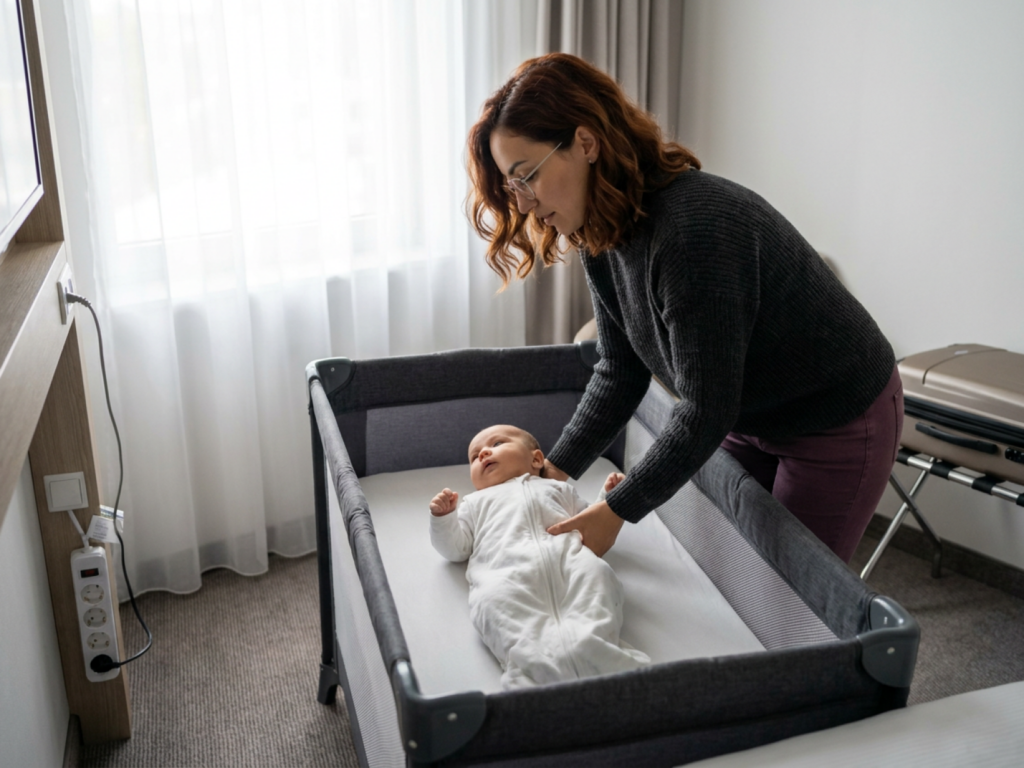
A hotel stay with a baby can be manageable when you plan around the essentials: a separate, safe sleep surface, predictable feeding and diapering supplies, and a room arranged to reduce hazards. An unfamiliar room may disrupt naps and routines, but it does not require caregivers to sacrifice safe-sleep practices.
The most useful approach is to prepare for the hotel environment before arrival, inspect the room on entry, and keep plans flexible. Babies vary in temperament, feeding needs, mobility, and medical complexity, so families should adapt these suggestions to their clinician's advice and their baby's developmental stage.
Highlights
Reserve and verify an appropriate infant sleep space before traveling.
Inspect the room for cords, unstable furniture, hot surfaces, small objects, and access to water.
Bring familiar feeding, diapering, medication, and comfort supplies in a readily accessible bag.
Keep the baby's routine recognizable while allowing extra time for rest and transitions.
Plan the room and sleep space before arrival
Call the hotel before booking or as soon as the reservation is made. Ask whether an infant crib or playard is available, what model it is, whether it meets current safety requirements, and whether staff can confirm its condition on arrival. Availability may be limited, and the term crib can refer to different products. A clear conversation helps prevent a late-night decision under fatigue.
Consider bringing a portable crib for travel if the hotel’s equipment cannot be verified or if your baby sleeps best in a familiar setup. Pack only the sleep products approved for that specific crib or playard. A fitted sheet designed for the mattress is generally preferable to improvised padding or extra layers. Before leaving home, practice setting up the equipment and check that every locking mechanism engages fully.
Plan for safe sleep during travel in the same way you would at home. Infants should have their own firm, flat sleep surface with a fitted sheet and no loose blankets, pillows, bumper pads, stuffed toys, or other soft objects. Room-sharing can make nighttime response easier, but bed-sharing introduces different hazards and is not an equivalent substitute for a separate infant sleep space.
Inspect the hotel room when you arrive
Do a slow, floor-level inspection before settling in. Look for reachable cords, charging cables, lamp wires, window-blind cords, small objects, medications, cleaning products, coins, and loose hardware. Keep the sleep space away from cords, lamps, televisions, heaters, windows, and furniture that could be pulled over or climbed later. Secure or block access to balconies, bathrooms, tubs, and any standing water.
Check that furniture is stable and that the crib or playard is intact. Do not use equipment with a missing part, damaged mesh, broken latch, torn fabric, exposed hardware, or an unknown mattress fit. Ask hotel staff to remove decorative pillows and excess bedding from the infant’s area. A luggage rack, table, or adult bed is not a safe replacement for an infant sleep surface.
As babies become more mobile, hazards can appear above the floor as well as on it. Place bags, toiletries, remotes, hot drinks, and electronics out of reach. Keep the diaper-changing area away from an edge, and maintain one hand on the baby whenever changing on an elevated surface. A floor-level mat may be safer when practical.
Protect the bedtime routine without forcing it
Travel can alter circadian cues, sleep pressure, and feeding intervals. Bring a few familiar, safe cues such as the usual sleep sack, a routine book, or a quiet phrase. Keep the sequence simple: feeding, diaper change, calming, and placement on the approved sleep surface. Lower stimulation by dimming lights and reducing noise, while still ensuring that the room remains comfortable for caregiver observation and safe movement.
If your baby sleeps in a wearable blanket at home, use the same type only if it fits properly and is appropriate for the temperature. Avoid swaddling a baby who shows signs of attempting to roll, and do not add weighted sleep products unless a qualified healthcare professional has specifically addressed their use. Never cover the crib or playard with a blanket to block light or sound.
Some babies settle better when the room resembles home; others need more flexibility. It is reasonable to shorten an outing, return for a nap, or accept a less ambitious schedule. If the baby is unusually difficult to arouse, has breathing difficulty, shows signs of dehydration, or seems acutely unwell, seek prompt medical care rather than attributing the change to travel.
Organize feeding, bottles, and hygiene
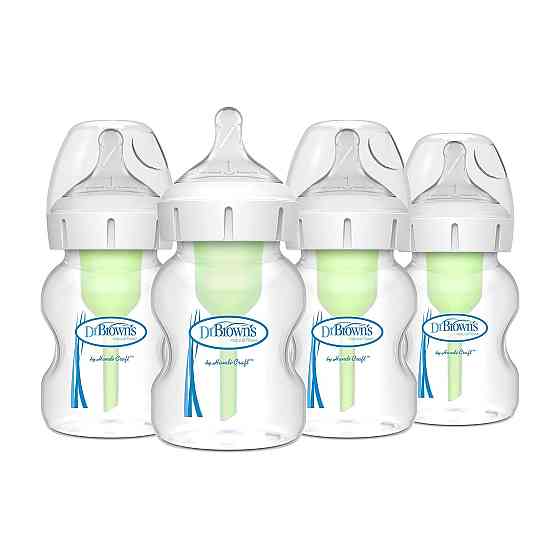
Pack feeding supplies in categories so the next feed does not require unpacking the entire room. Depending on the baby’s feeding method, this may include breast pumps and parts, expressed milk storage containers, formula, measured water, bottles, nipples, burp cloths, bibs, and a cooler with appropriate cold packs. Follow current preparation and storage instructions for expressed milk or formula, and use only water considered safe for the intended preparation.
For cleaning feeding equipment safely, identify the cleanest practical workspace before the first feed. Wash hands, use potable water, and clean equipment according to the product instructions. A hotel sink may not provide a hygienic drying surface, so a dedicated clean mat or drying area can be useful. Do not rely on a quick rinse when components contact milk or formula. If your baby has special nutritional or medical needs, ask their healthcare professional how travel may affect preparation and storage.
Keep diapers, wipes, barrier cream, spare clothing, and disposal bags together in a small nighttime kit. Bring more supplies than the itinerary seems to require because delays, spills, and gastrointestinal changes are difficult to predict. Check whether the room has a refrigerator, but do not assume its temperature is suitable for every type of storage without confirmation.
Manage temperature, noise, and air quality
Hotel rooms can be warmer, cooler, drier, or noisier than the baby’s usual environment. Dress the baby in light layers that can be removed or added, and feel the chest or back to assess general warmth rather than relying only on hands and feet. Avoid placing the crib beside a radiator, space heater, direct air-conditioning stream, or sunny window. Do not use a heating pad, hot-water bottle, or electric blanket near the baby.
Use the quietest practical room location and consider white noise only if it is already familiar and positioned well away from the sleep space at a low volume. Ask for maintenance help if the room has smoke, strong chemical odors, visible mold, or a malfunctioning smoke detector. Keep vaping and smoking away from the baby and the room; third-hand residue can remain on surfaces and fabrics.
At altitude, in very dry climates, or during illness, feeding and hydration needs may differ. Infants can deteriorate more quickly than adults, particularly when they have fever, vomiting, diarrhea, or poor intake. Contact a healthcare professional for individualized guidance about fluid intake, fever assessment, medications, or travel restrictions. Do not give over-the-counter medicines solely to make a baby sleep.
Make transport and outings practical
Use a properly installed, rear-facing car seat for every motor-vehicle journey, following both the restraint and vehicle instructions. A car seat is designed for travel, not as a routine sleep location after arrival. When you reach the hotel, move the baby to the approved crib, playard, or other firm, flat sleep surface, even if the transfer takes patience.
For walks, use equipment that matches the baby’s developmental abilities and the manufacturer’s instructions. Keep the harness fastened, apply the brakes whenever stationary, and keep bags in a designated storage area rather than hanging heavy items from the handle. Monitor exposure to heat and sun. A stroller canopy should not be used in a way that restricts airflow or creates an overheating risk.
Build pauses into the day for feeds, diaper changes, temperature checks, and caregiver rest. Carry identification, insurance information, emergency contacts, and a concise list of prescribed medicines and allergies when relevant. Before sightseeing, identify the nearest urgent-care facility or hospital and confirm how to access local emergency services.
Use a calm arrival and departure checklist
A short checklist reduces cognitive load when caregivers are tired. On arrival, verify the sleep product, inspect the mattress and fitted sheet, remove hazards, locate smoke detectors and exits, check the room temperature, and place essential supplies within adult reach but outside the baby’s reach. At bedtime, confirm that the baby is on their back in their own clear sleep space.
- Sleep space: firm, flat, intact, correctly assembled, and free of loose items.
- Room safety: cords, medications, hot drinks, small objects, and water hazards secured.
- Feeding: supplies, safe water, storage plan, and cleaning area ready.
- Health: usual prescribed medicines, thermometer if recommended, and care contacts packed.
- Transport: correctly installed rear-facing car seat and suitable stroller setup.
Before checkout, search low surfaces and the bathroom for pacifiers, medicines, feeding parts, and personal documents. Repack the same essentials together for the journey home. If the trip was difficult, review what caused the most stress and adjust the next reservation, rather than expecting every hotel stay to follow the same pattern.
Safety warnings
- Do not use an adult bed, sofa, armchair, luggage rack, or hotel floor mattress as the baby's regular sleep surface.
- Do not add pillows, quilts, positioners, bumpers, toys, or loose bedding to a crib or playard.
- Do not use a damaged, recalled, unstable, or poorly fitting hotel crib or playard.
- Do not leave a baby unattended on an elevated changing surface, near water, or in a vehicle.
- Seek urgent care for breathing difficulty, marked lethargy, bluish color, seizure, or other emergency signs.
Tools & Assistance
- Hotel crib or playard reservation and verification call
- Portable crib inspection checklist
- Diaper and feeding supply organizer
- Local urgent-care and emergency-service lookup
- Thermometer and medication information supplied by the baby's clinician
FAQ
Is it safe for my baby to sleep in the hotel bed with me?
A separate, firm, flat infant sleep surface is the safer arrangement. Room-sharing keeps the baby nearby without the added hazards of bed-sharing, including soft bedding and accidental entrapment.
What should I do if the hotel crib looks damaged?
Do not use it. Ask for a different verified crib or use a correctly assembled portable crib with its approved mattress and fitted sheet. If no safe option is available, contact the hotel manager and reassess the sleeping arrangement before putting the baby down.
Can my baby sleep in a car seat in the hotel room?
Car seats are intended for vehicle travel, not routine sleep. After travel, move the baby to a firm, flat, approved sleep surface as soon as practical.
How can I help my baby sleep in an unfamiliar room?
Keep the bedtime sequence and safe sleep setup familiar, reduce stimulation, and allow extra transition time. Avoid unsafe sleep aids or medicines used without medical guidance.
Sources
- HealthyChildren.org (American Academy of Pediatrics) — Hotel Safety Tips for Parents of Young Children
- Consumer Reports — What to Do When Your Hotel Doesn't Have a Crib for Baby
- Premier Health — 10 Tips For Baby's Safe Sleep On the Road
Disclaimer
This article provides general educational information and does not diagnose, treat, or replace advice from your baby's healthcare professional. Seek professional or emergency medical care for concerning symptoms or urgent safety concerns.









Please log in to leave a comment.