
Intro
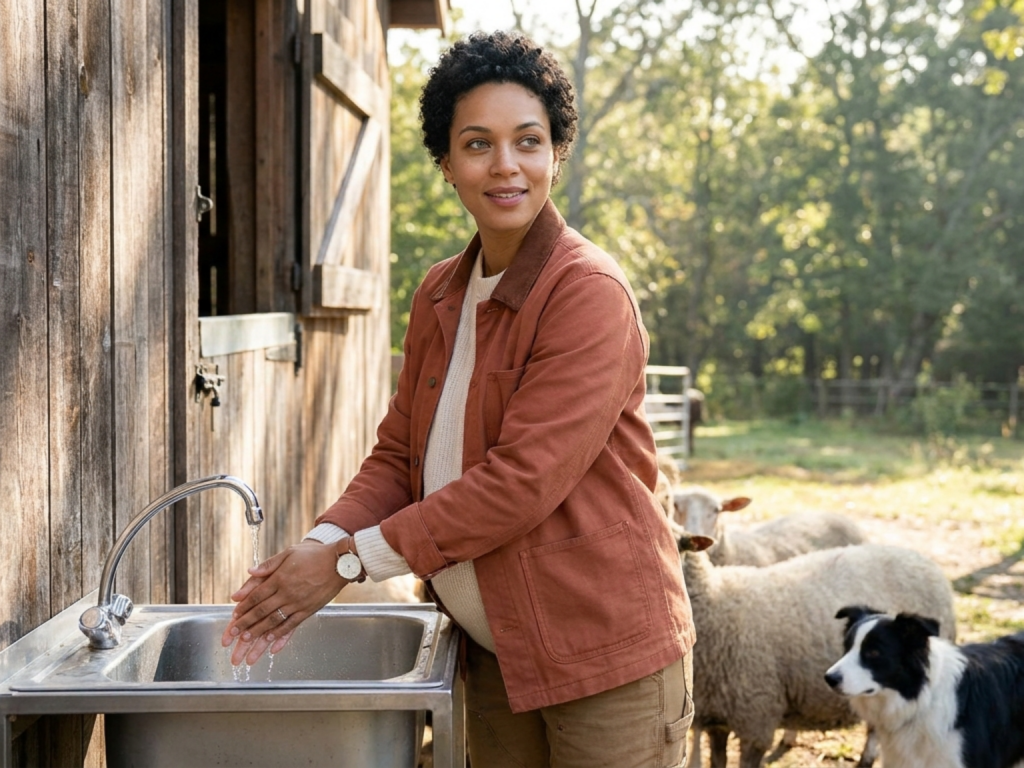
Pregnancy often changes the way people think about animals they know well. For many families, dogs and farm animals are part of daily life, work, and community; the goal is not to create fear, but to reduce avoidable infection risk.
Most healthy animal contact is uneventful, yet farms introduce extra variables: manure, birthing fluids, raw milk, dusty surfaces, and dogs that move between different parts of the property. A few practical precautions can make visits and work much safer without shutting you out of normal life.
Highlights
Most animal contact is not dangerous in itself, but farm settings can increase exposure to germs carried in manure, birth materials, contaminated surfaces, and raw dairy.
Dogs on livestock farms may help move pathogens around the environment, especially when they move between barns, feed areas, and living spaces.
Simple hygiene steps, especially handwashing and avoiding raw milk, reduce many of the preventable risks.
Pregnant people should be particularly careful after exposures that cause fever, vomiting, diarrhoea, or flu-like illness, and should seek medical advice promptly.
Why dogs and farm animals raise extra questions in pregnancy
Pregnancy does not mean you must avoid every animal. It does mean that some infections can have a greater impact, because they may make the pregnant person sicker or, in some cases, affect the fetus. The public-health advice for farm visits is clear that some farm-animal infections can cause serious illness in pregnant women, so the focus is on sensible risk reduction rather than blanket avoidance.
Farm animals can carry germs on their coats, hooves, feathers, mouths, and in their faeces. Those organisms can also spread through bedding, soil, feed troughs, milking areas, and shared equipment. Dogs are relevant because they may travel between these areas and the home, picking up contamination on their paws or fur. The research on dogs on livestock farms highlights their potential role in zoonotic pathogen transmission and points to hygiene and feeding practices as important biosecurity issues.
That means the dog itself is not always the problem; the movement it makes across a farm can be. A dog that has access to manure, carcasses, raw animal products, or livestock pens can become part of the route by which germs are carried from one place to another.
How exposure happens: hands, mouths, clothing, and contaminated environments
Most farm-related infections do not require dramatic contact. A common pathway is simple hand-to-mouth transfer: touching an animal, a fence, a boot, or a manure-contaminated surface and then eating, drinking, or touching the face. That is why the advice to wash hands after animal contact matters so much.
Contamination can also travel on clothing, boots, gloves, phones, prams, and reusable cups or water bottles. In barns and outdoor pens, splash exposure is possible when there are wet floors, feed buckets, or animal birthing fluids. Even if an animal looks clean, the environment around it may not be.
Food and drink are another route. The guidance for farms warns against raw milk, and it also advises people not to kiss animals or touch their face on farms. These steps may sound basic, but they interrupt the most common transmission routes. These situations overlap with foodborne infection risks in pregnancy, because food, hands, and animal environments often meet in the same space.
Exposures that deserve the most caution
Certain situations are more likely to bring a pregnant person into contact with infectious material. The risk is not identical in every farm, but these are the scenarios that deserve the most caution.
- Drinking raw milk or eating unpasteurised dairy products from farm settings.
- Handling manure, bedding, dirty water, or visibly contaminated surfaces without gloves and handwashing.
- Assisting with births or cleaning pens where birth fluids, placenta, or newborn animal material are present.
- Eating, drinking, or smoking in animal areas, including while leaning on gates or sitting on farm equipment.
- Feeding dogs raw meat or raw animal products, then handling the dog, the bowls, or contaminated kitchen surfaces.
These are also examples of farm animal exposure in pregnancy that can be modified with planning. If a visit or job involves any of them, it is worth asking in advance which tasks can be delegated or done differently. For many people, the safest approach is not zero contact, but lower-contact, lower-contamination routines.
For broader context, these are also part of foodborne infection risks in pregnancy because the same pathogens can travel from animal products or contaminated environments into the mouth.
Practical prevention for visits, work, and daily life on a farm
Prevention works best when it is routine. If you are visiting a farm, working there, or living on one, a few habits can materially reduce risk.
- Wash hands with soap and running water after touching animals, boots, fences, feed, or soil, and before eating or drinking.
- Keep food, drinks, pacifiers, and phone use away from barns, pens, and milking areas.
- Wear dedicated boots or outer clothing for farm work and change out of them before entering living spaces.
- Avoid kissing animals, letting them lick your face, or putting your hands near your mouth while handling them.
- Never drink raw milk or taste unpasteurised dairy on site.
- If you handle food for others, remember that safe food handling in pregnancy still matters on farms: clean surfaces, separate farm gear from kitchen items, and avoid cross-contamination.
These are simple measures, but they work because they target the way germs move. If the farm has a written hygiene policy, follow it. If there is no policy, it may help to ask about handwashing stations, boot cleaning, and which areas are off-limits for visitors who are pregnant.
If you spend significant time around animals, you may also want to talk with your obstetric clinician about your specific exposure pattern, especially if you have a medical condition that affects immunity.
If you live with a farm dog or work around livestock dogs
Dogs on farms deserve special attention because they are social animals that move around a lot. A working dog may go from pens to yards to the house, sometimes within minutes. That makes ordinary hygiene especially important. Even when the dog appears healthy, its coat, paws, or muzzle can carry dirt or faecal material from one area to another.
If a dog is fed raw meat or other raw animal products, the contamination risk can extend to bowls, counters, hands, and kitchen cloths. The study of dogs on livestock farms specifically raises raw feeding and hygiene practices as points that may influence pathogen spread. In pregnancy, that means it is sensible to avoid handling raw dog food if you can, and to wash thoroughly if you cannot.
It is also wise to avoid face-licking, to clean up dog faeces promptly, and to keep dog feeding areas out of food-preparation spaces. If a dog has diarrhoea, a new cough, or another obvious illness, seek veterinary advice. For you, the key question is whether the dog has had contact with manure, sick animals, carcasses, or raw feed, because those details help determine the level of concern.
When to contact a healthcare professional
After a concerning exposure, most people do not become ill, but pregnancy lowers the threshold for getting advice. Contact your midwife, obstetric clinician, GP, or urgent care service if you develop fever, vomiting, diarrhoea, abdominal pain, dehydration, or a flu-like illness after farm contact. Also seek advice after a bite or scratch that breaks the skin, after drinking raw milk, or if you were exposed to birthing fluids or a known farm outbreak.
It can help to note what happened, when it happened, which animals were involved, whether there was raw milk or manure exposure, and whether you have any symptoms. That information can guide testing and follow-up. Clinicians may ask about the stage of pregnancy, because management can differ depending on gestation and the suspected infection.
For most people, the goal is not panic but prompt, practical triage. A short conversation with a healthcare professional is often enough to clarify whether any monitoring or testing is needed.
Get medical advice promptly if any of these happen
- Fever, vomiting, diarrhoea, or flu-like symptoms after a farm or animal exposure
- Any bite or scratch that breaks the skin
- Known exposure to raw milk, unpasteurised dairy, birthing fluids, or manure contamination
- Reduced fetal movements, abdominal pain, or dehydration, especially if you feel unwell
Tools & Assistance
- Ask your midwife or obstetric clinician how much animal contact is reasonable for your situation.
- Use a dedicated handwashing station, soap, and running water after farm tasks.
- Check farm rules about raw milk, animal births, and visitor-only areas before you go.
- If you live on a farm, separate work boots and clothing from household spaces.
- If you are unsure about a symptom after exposure, contact your local maternity or urgent care service.
FAQ
Do I need to avoid all dogs and farm animals while pregnant?
Usually not. The safer approach is to reduce exposure to manure, raw milk, birthing materials, and contaminated surfaces, and to wash hands carefully after contact.
Are working farm dogs a risk in pregnancy?
They can be part of the contamination pathway if they move between livestock areas and the home, especially if hygiene is poor or they are fed raw animal products.
Is it safe to visit a farm during pregnancy?
Often yes, if you avoid raw milk, do not eat in animal areas, wash hands well, and follow the farm’s hygiene rules. If you have a high-risk pregnancy, ask your clinician first.
What symptoms after farm exposure are most concerning?
Fever, diarrhoea, vomiting, flu-like illness, abdominal pain, dehydration, or reduced fetal movements should all prompt medical advice.
Sources
- PubMed / National Library of Medicine — Dogs on livestock farms: A cross-sectional study investigating potential roles in zoonotic pathogen transmission
- UK Government — Avoiding infection on farm visits: advice for the public
- Centers for Disease Control and Prevention — Farm Animals | Healthy Pets, Healthy People
Disclaimer
This article is for general information only and does not replace personalised medical advice, diagnosis, or treatment. If you are pregnant and have had a concerning animal or farm exposure, contact your obstetric clinician, midwife, or urgent care service.















Please log in to leave a comment.