
Intro
Pregnancy can make ordinary choices feel suddenly high-stakes: what to eat, which medicines are safe, whether exercise is still appropriate, and which exposures are worth avoiding. The reassuring truth is that most people can continue many normal activities with a few evidence-based adjustments, good prenatal care, and timely conversations with their healthcare team.
This guide summarizes common pregnancy safety restrictions and risk-reduction strategies across medications, food, substances, work, exercise, travel, and environmental exposures. It is not meant to create anxiety or replace individualized clinical advice, especially if you have a high-risk pregnancy, chronic disease, prior pregnancy complications, or take regular medicines.
Highlights
Pregnancy safety is about reducing avoidable risks, not living in fear. Many daily activities remain safe when modified thoughtfully.
Medication decisions should be individualized. Stopping a needed medicine can sometimes be more harmful than continuing it under medical supervision.
Alcohol, smoking, illicit drugs, overheating, and certain hazardous chemical exposures are among the clearest avoidable risks.
Food safety matters because pregnancy increases vulnerability to some infections and their complications, including listeriosis and toxoplasmosis.
When guidance is uncertain, ask your obstetrician, midwife, pharmacist, or a teratology information service rather than relying on anecdotal advice.
Start with individualized prenatal safety planning
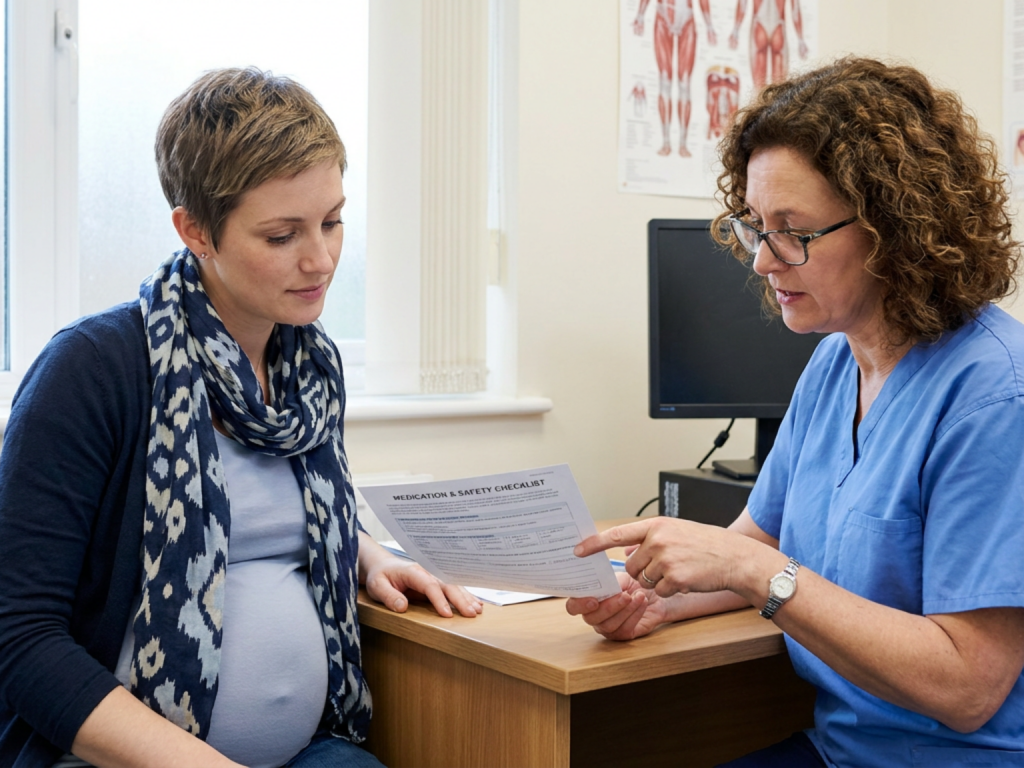
Pregnancy safety guidance is most useful when it is tailored to your medical history, gestational age, occupation, medications, and lifestyle. Early and regular prenatal care helps identify conditions such as hypertension, diabetes, thyroid disease, anemia, mental health concerns, infectious risks, and fetal growth issues. It also gives you a place to ask practical questions before making abrupt changes.
A helpful first step is to bring a complete list of everything you take or use to your clinician: prescription medicines, over-the-counter drugs, vitamins, herbal products, topical treatments, inhalers, recreational substances, and fertility or hormone products. Include dose, frequency, and why you use them. This is especially important because pregnancy can alter pharmacokinetics: changes in blood volume, renal clearance, hepatic metabolism, and gastrointestinal absorption may affect medicine levels and side effects.
Safety also depends on timing. The first trimester includes organogenesis, when some teratogenic exposures can have greater structural effects. Later pregnancy exposures may affect fetal growth, neonatal adaptation, bleeding risk, premature birth, or labor. If you had an exposure before realizing you were pregnant, do not panic. Contact your healthcare professional for risk assessment; many exposures are low risk, and accurate timing and dosage matter.
Medicines, supplements, and health products
Medication safety in pregnancy is nuanced. Some medicines are associated with risks such as congenital anomalies, pregnancy loss, fetal growth restriction, preterm birth, neonatal withdrawal or adaptation symptoms, or bleeding complications. However, untreated illness can also be dangerous. For example, uncontrolled asthma, epilepsy, hypertension, diabetes, infection, severe depression, or autoimmune disease can harm both the pregnant person and the fetus. The safest plan is usually not “stop everything,” but “review everything.”
- Do not stop prescribed medicines abruptly without speaking with your prescriber, particularly antiseizure drugs, psychiatric medicines, corticosteroids, thyroid replacement, antihypertensives, anticoagulants, or diabetes medications.
- Check over-the-counter medicines before use. Pain relievers, cold and flu products, antacids, sleep aids, antihistamines, laxatives, and topical preparations can have pregnancy-specific considerations.
- Use one active-ingredient product when possible. Combination cold or pain products may duplicate ingredients such as acetaminophen or decongestants.
- Be cautious with herbal and “natural” products. Natural does not mean safe; many supplements have limited pregnancy data, variable purity, or biologically active compounds.
- Choose prenatal vitamins thoughtfully. Folic acid, iron, iodine, vitamin D, and other nutrients may be recommended, but high doses of some vitamins, especially preformed vitamin A retinol, can be harmful.
Vaccination is also part of pregnancy safety. Some vaccines are recommended during pregnancy, while live vaccines are generally avoided. Your clinician can advise based on your gestational age, immune status, travel plans, occupation, and local infectious disease risks.
Food and drink restrictions
Pregnancy changes immune function and increases susceptibility to severe outcomes from certain foodborne infections. Food restrictions are not about perfection; they are about avoiding high-risk exposures and using careful preparation.
- Avoid alcohol. No amount of alcohol has been proven safe in pregnancy. Alcohol exposure can contribute to fetal alcohol spectrum disorders, growth problems, neurodevelopmental impairment, and pregnancy complications.
- Limit caffeine. Many clinicians advise keeping caffeine intake moderate; ask your provider what limit fits your situation, especially if you have palpitations, hypertension, severe nausea, or fetal growth concerns.
- Avoid high-mercury fish. Large predatory fish can contain methylmercury, which may affect fetal neurodevelopment. Safer lower-mercury seafood can provide omega-3 fatty acids and protein when prepared properly.
- Avoid unpasteurized dairy and juices. These may carry pathogens such as Listeria, Salmonella, E. coli, or Campylobacter.
- Avoid raw or undercooked meat, poultry, seafood, and eggs. Cook foods thoroughly and prevent cross-contamination.
- Handle deli meats, pâtés, refrigerated smoked seafood, and ready-to-eat foods cautiously. Follow local food safety advice; reheating certain foods until steaming may reduce listeria risk.
- Wash produce well. Soil and unwashed foods can carry Toxoplasma or bacterial pathogens.
Hydration and balanced nutrition also support safety. If nausea, vomiting, food aversions, eating disorders, hyperemesis symptoms, food insecurity, or gestational diabetes make eating difficult, ask for help early. Nutrition guidance can be medical, practical, and nonjudgmental.
Exercise, sports, heat, and body mechanics
For many uncomplicated pregnancies, physical activity is beneficial and may improve cardiovascular fitness, mood, sleep, constipation, back discomfort, and glycemic control. The right level depends on baseline fitness, obstetric risk, symptoms, and clinician recommendations.
Activities that usually require avoidance or modification include high-impact contact sports, activities with a high fall risk, scuba diving, and exercise in extreme heat. After the first trimester, prolonged flat-on-back positioning may cause symptoms in some people due to vena cava compression; side-lying or inclined positions are often more comfortable. Avoid pushing through dizziness, chest pain, vaginal bleeding, regular painful contractions, calf swelling, severe shortness of breath before exertion, or fluid leakage.
Overheating is a specific concern, particularly early in pregnancy. Hot tubs, saunas, steam rooms, intense exercise in hot weather, and dehydration can raise core temperature. If you feel faint, overheated, or unable to cool down, stop the activity, hydrate, move to a cooler environment, and seek medical advice if symptoms persist.
Body mechanics matter as pregnancy progresses. Relaxin-related ligament laxity, a shifting center of gravity, and pelvic floor pressure can increase strain. Consider lower-impact options, supportive footwear, modified lifting techniques, and pelvic floor or physiotherapy guidance if you have pain, heaviness, or urinary leakage.
Workplace, household, and environmental exposures
Many people work safely throughout pregnancy, but some jobs and household tasks require risk assessment. Discuss your work environment with your clinician if you are exposed to chemicals, radiation, infectious materials, extreme heat, heavy lifting, prolonged standing, night shifts, anesthetic gases, pesticides, solvents, lead, mercury, or cytotoxic drugs.
- Solvents and strong chemicals: Use ventilation, gloves appropriate for the chemical, and avoidance when possible. Paint thinners, degreasers, some cleaning products, and industrial solvents can be concerning with high or repeated exposure.
- Pesticides: Avoid direct application when possible and follow re-entry intervals. Wash produce and hands after gardening.
- Lead and mercury: Older paint, contaminated dust, some hobbies, certain imported products, and industrial work can be sources. Ask about screening if exposure is plausible.
- Radiation: Most diagnostic imaging can be performed with appropriate justification and shielding when needed, but occupational radiation requires monitoring and workplace safety controls.
- Infection exposure: Healthcare, childcare, veterinary, laboratory, and animal-related work may involve cytomegalovirus, parvovirus B19, toxoplasmosis, influenza, varicella, rubella, or other infections. Immunity status and protective practices matter.
At home, avoid changing cat litter if possible because of toxoplasmosis risk; if unavoidable, use gloves, change it daily, and wash hands carefully. Wear gloves when gardening, avoid rodent droppings, ventilate rooms when using cleaning products, and never mix bleach with ammonia or acids. If you suspect carbon monoxide exposure, gas leak, heavy mold, or unsafe housing conditions, seek urgent practical support.
Travel, sex, beauty treatments, and everyday activities
Most routine activities can continue in pregnancy with sensible precautions. Travel is often possible, but timing, destination, obstetric history, vaccination needs, infection risks, and access to medical care should be considered. For long trips, reduce venous thromboembolism risk by moving regularly, hydrating, and discussing compression stockings or additional precautions if you have risk factors such as prior clot, thrombophilia, obesity, smoking, cesarean history, or prolonged immobility.
Air travel policies vary by airline and gestational age, and some high-risk conditions may make travel inadvisable. Carry prenatal records, know where to seek care at your destination, and discuss travel to areas with malaria, Zika, or limited obstetric services before booking.
Sex is usually safe in uncomplicated pregnancy, but clinicians may recommend pelvic rest for certain situations such as placenta previa, unexplained bleeding, ruptured membranes, preterm labor risk, or cervical insufficiency. Seek advice if sex causes pain, bleeding, contractions, or fluid leakage.
Beauty and personal care choices can be approached with exposure reduction. Hair dye and nail services are typically about ventilation and minimizing inhalation of fumes, while tanning beds and excessive heat are best avoided. Be cautious with retinoid-containing skin products, high-strength acids, skin-lightening products, injectables, and cosmetic procedures; ask a clinician or dermatologist about pregnancy-compatible options.
Substances, mental health, and safety at home
Some restrictions are clear: avoid smoking, vaping nicotine, illicit drugs, and alcohol during pregnancy. These exposures can increase risks such as fetal growth restriction, placental complications, preterm birth, stillbirth, neonatal withdrawal, and neurodevelopmental harm. If stopping feels difficult, that is a medical issue deserving support, not shame. Evidence-based treatment, counseling, and harm-reduction planning can improve outcomes.
Mental health is central to pregnancy safety. Anxiety, depression, trauma symptoms, bipolar disorder, obsessive-compulsive symptoms, eating disorders, and substance use disorders can worsen during pregnancy or postpartum. Treatment may include therapy, social support, sleep protection, safety planning, and sometimes medication. Medication decisions should weigh fetal exposure risks against the risks of untreated illness, including suicide, poor nutrition, missed prenatal care, substance use relapse, or impaired functioning.
Home safety also includes intimate partner violence, reproductive coercion, and unsafe living conditions. If you feel unsafe, try to speak with a healthcare professional privately. Many clinics can connect you to confidential resources, shelters, legal support, and safety planning.
When to seek urgent medical care
Pregnancy symptoms can be confusing because many discomforts are common, including nausea, fatigue, urinary frequency, pelvic pressure, and mild swelling. Still, certain symptoms should be assessed promptly because they can signal infection, preeclampsia, preterm labor, placental problems, thromboembolism, or other urgent conditions.
- Heavy vaginal bleeding, passing clots, or bleeding with pain
- Severe abdominal pain, persistent contractions, or pelvic pressure before term
- Fluid leaking from the vagina or concern that membranes have ruptured
- Severe headache, visual changes, sudden facial or hand swelling, chest pain, or shortness of breath
- Fever, severe vomiting, dehydration, fainting, or confusion
- Painful urination with fever or flank pain
- One-sided calf swelling or pain, or sudden breathing difficulty
- Marked decrease or change in fetal movement after movement patterns are established
If something feels seriously wrong, seek emergency care. You do not need to be certain that a symptom is dangerous before asking for help.
High-priority pregnancy warnings
- Avoid alcohol, smoking, vaping nicotine, and illicit drugs; ask for medical support if stopping is difficult.
- Do not start, stop, or change prescribed medication doses without professional guidance.
- Avoid hot tubs, saunas, and activities that cause overheating or faintness.
- Seek urgent care for heavy bleeding, severe pain, fluid leakage, severe headache with visual changes, chest pain, or reduced fetal movement.
- Use extra caution with raw foods, unpasteurized products, high-mercury fish, solvents, pesticides, and occupational exposures.
Tools & Assistance
- Bring a complete medication and supplement list to every prenatal visit.
- Ask your pharmacist to check over-the-counter products before you buy them.
- Use official pregnancy medication resources such as FDA information and MotherToBaby when available.
- Request a workplace exposure review if you handle chemicals, radiation, infectious materials, or heavy physical tasks.
- Keep your obstetric unit, midwife, emergency department, and local mental health crisis contacts easily accessible.
FAQ
Can I take over-the-counter medicine while pregnant?
Some over-the-counter medicines are appropriate in pregnancy, while others need caution depending on trimester, dose, and your medical history. Ask your clinician or pharmacist before using them, especially combination products.
Is any alcohol safe during pregnancy?
No safe amount of alcohol has been established in pregnancy. The safest recommendation is to avoid alcohol completely and seek support if abstaining is difficult.
Should I stop exercising once I am pregnant?
Not usually. Many uncomplicated pregnancies benefit from regular moderate activity, but high-risk pregnancies, concerning symptoms, contact sports, fall-risk activities, overheating, and scuba diving require medical guidance or avoidance.
What if I was exposed to a medicine, chemical, or alcohol before I knew I was pregnant?
Do not assume the worst. Write down the exposure, dose, timing, and duration, then contact your healthcare professional for individualized risk assessment.
Are herbal supplements safer than medicines in pregnancy?
Not necessarily. Many herbal products have limited pregnancy safety data and variable quality. Review all supplements with your prenatal care provider.
Sources
- Centers for Disease Control and Prevention — Medicine and Pregnancy: An Overview
- U.S. Food and Drug Administration — Pregnancy
- Pregnancy, Birth and Baby — Things to avoid during pregnancy
Disclaimer
This article is for informational purposes only and is not a substitute for professional medical advice, diagnosis, or treatment. Always consult your obstetrician, midwife, pharmacist, or other qualified healthcare professional about pregnancy-specific decisions.
















Please log in to leave a comment.