
Intro
Pregnancy often changes how people think about everyday exposures, including the animals they love. For many families, pets provide companionship, emotional regulation, routine, and joy during a physically and psychologically demanding time. In most cases, you do not need to give up a pet because you are pregnant. The goal is to reduce specific infection and injury risks while preserving the benefits of safe animal contact.
The main pregnancy-related concerns are zoonotic infections, which are infections that can pass between animals and humans, and avoidable injuries such as bites, scratches, falls, or kicks. A few infections are especially important because they can affect fetal development or pregnancy outcomes. With practical hygiene, appropriate delegation of higher-risk chores, and timely veterinary and obstetric guidance, most pregnant people can continue living safely with animals.
Highlights
You usually do not need to avoid cats, dogs, or other pets entirely during pregnancy, but hygiene and task modification matter.
Toxoplasmosis is the classic pregnancy concern with cats, but exposure more often comes from infected cat feces, contaminated soil, or undercooked meat rather than from touching a healthy cat.
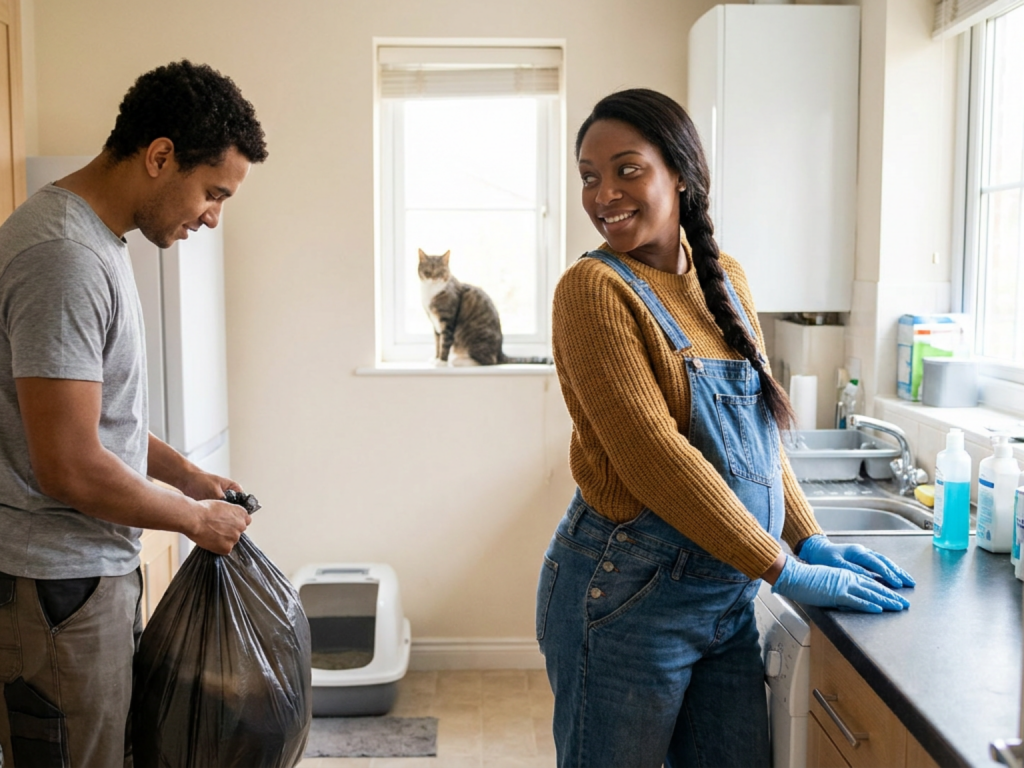
Pregnant people should avoid changing cat litter when possible; if unavoidable, use gloves, change it daily, and wash hands thoroughly afterward.
Animal feces, pet habitats, raw pet food, reptiles, amphibians, poultry, and farm animals require extra caution because they can carry organisms that cause gastrointestinal or systemic illness.
Seek professional advice promptly after animal bites, significant scratches, fever, flu-like illness, or suspected exposure to infectious material.
Why animal-contact safety matters in pregnancy
Pregnancy involves immunologic and physiologic adaptations that can change susceptibility to some infections and the consequences of infection. This does not mean a pregnant person is fragile or must avoid normal life. It means that certain exposures deserve more deliberate prevention. Zoonotic pathogens may be carried in animal feces, saliva, urine, bedding, cages, tanks, raw pet food, contaminated soil, or barn environments. Some cause self-limited gastrointestinal illness, but dehydration, fever, or systemic infection can be more consequential during pregnancy.
Risk varies by animal species, the animal’s health, the setting, and the type of contact. A well-cared-for indoor dog or cat is usually lower risk than contact with animal feces, birthing fluids, reptiles, amphibians, poultry, livestock, or visibly ill animals. The safest approach is not fear-based separation from pets, but targeted risk reduction: wash hands, avoid fecal exposure, use gloves for higher-risk tasks, keep animal areas clean, and ask someone else to perform chores that are best avoided during pregnancy.
Cats, litter boxes, and toxoplasmosis
Toxoplasmosis is caused by the parasite Toxoplasma gondii. Infection during pregnancy can, in some cases, pass to the fetus and cause congenital infection. Cats are the definitive host for the parasite, and infected cats can shed oocysts in feces. However, toxoplasmosis is not spread simply by being near a cat or by ordinary affectionate contact with a healthy cat. Important exposure routes include handling contaminated cat feces, touching contaminated soil, and eating undercooked meat or unwashed contaminated produce.
Pregnant people do not need to give away a cat. The key is to avoid handling cat feces where possible. Ask another household member to clean the litter box. If you must do it yourself, wear disposable gloves, clean the litter box daily, avoid breathing in dust, and wash hands thoroughly with soap and water afterward. Daily cleaning matters because Toxoplasma oocysts generally require time after being shed to become infectious. Keep cats indoors when possible, do not feed them raw or undercooked meat, and avoid adopting or handling stray cats or kittens during pregnancy without veterinary guidance.
Gardening is another practical issue. Soil may be contaminated with cat feces even if you do not own a cat. Wear gloves while gardening or handling soil, wash hands afterward, and wash fruits and vegetables well. These measures also reduce exposure to other environmental organisms.
Hand hygiene and household habits that reduce risk
Handwashing is the central safety habit around animals. Wash hands with soap and running water after touching animals, their food or treats, feces, urine, bedding, cages, tanks, toys, leashes, and habitats. Hand sanitizer can be useful when soap and water are unavailable, but it is not a complete substitute after visible contamination, fecal contact, or habitat cleaning.
- Keep animals out of food-preparation areas when possible, especially while handling raw foods.
- Do not kiss animals on the mouth or allow them to lick your face, open cuts, or mucous membranes.
- Cover cuts or abrasions before animal care and clean any new scratches promptly.
- Separate pet bowls, litter scoops, cage-cleaning tools, and aquarium supplies from kitchen equipment.
- Clean animal habitats outdoors or in a utility area when feasible, not in the kitchen sink.
These habits may sound basic, but they significantly reduce exposure to fecal organisms, parasites, and bacteria. They are also useful after the baby arrives, when infant immune defenses are still developing and household hygiene becomes even more important.
Dogs, bites, scratches, and behavior changes
Dogs are not usually associated with a single pregnancy-specific infection risk in the same way cats are associated with toxoplasmosis, but they can still transmit organisms through saliva, feces, or contaminated fur, and they can cause injury. Pregnancy can alter balance and center of gravity, so a pulling leash or excited jump may increase fall risk. Large dogs, anxious dogs, and dogs with resource-guarding behavior deserve proactive management before the baby arrives.
Use consistent training, avoid rough play, and consider professional behavioral support if a dog shows aggression, intense fear, or unpredictable behavior. Keep vaccinations and parasite prevention current through a veterinarian. Promptly clean bites or scratches with soap and water and contact a healthcare professional for individualized advice, especially if the wound is deep, near a joint, on the hand or face, becomes red or swollen, or if you are uncertain about rabies risk or tetanus immunization status.
Small mammals, birds, reptiles, amphibians, and poultry
Different animals carry different organisms, and some require extra caution during pregnancy. Reptiles and amphibians, such as turtles, snakes, lizards, and frogs, can carry Salmonella even when they appear healthy. Backyard poultry can also carry Salmonella and other enteric bacteria. Small mammals and birds may expose people to organisms through droppings, urine, bedding dust, bites, or scratches. The practical message is to avoid direct contact with feces and habitat waste and to wash hands after handling animals or their environments.
- Do not clean reptile, amphibian, bird, rodent, or poultry habitats in the kitchen sink.
- Wear gloves for cage, coop, or tank cleaning, or ask another adult to do these tasks during pregnancy.
- Keep animal habitats away from areas where food is prepared, served, or eaten.
- Avoid cuddling or kissing reptiles, amphibians, poultry, or animals that may have fecal contamination on their bodies.
- Supervise children’s animal contact and handwashing, because children can transfer contamination to household surfaces.
If an animal is ill, has diarrhea, has unusual discharge, or has recently given birth, ask a veterinarian and your prenatal care clinician what precautions are appropriate before you provide care.
Farm animals, birthing fluids, and outdoor environments
Farm settings can be meaningful and familiar, but pregnancy warrants special caution around livestock, manure, and animal birthing materials. Contact with animal feces, urine, placentas, birth fluids, contaminated bedding, and soil can expose people to infectious agents. If you live or work on a farm, ask your obstetric clinician, occupational health service, or midwife about pregnancy-specific precautions based on the animals and tasks involved.
As a general principle, pregnant people should avoid assisting with animal births, handling placentas or aborted materials, cleaning heavily contaminated stalls, or working in enclosed areas with aerosolized manure or birthing fluids unless a clinician and occupational specialist have advised otherwise and suitable protective measures are in place. Wear gloves and protective clothing for unavoidable chores, wash hands and forearms afterward, and change contaminated clothing before entering living areas.
Pet food, treats, and kitchen safety
Pet food can be a source of pathogens, particularly raw pet diets, raw treats, and contaminated bowls or feeding surfaces. Pregnancy is a good time to review whether raw pet food is necessary, because raw meat products can carry organisms that may also pose risks to humans. If your household uses raw pet food, discuss safer alternatives with a veterinarian and use strict food-handling precautions.
- Wash hands after handling pet food, treats, bowls, and feeding mats.
- Store pet food away from human food and out of children’s reach.
- Use dedicated scoops and utensils for pet food only.
- Clean pet bowls regularly and avoid washing them alongside human dishes when there is visible contamination.
- Do not allow pets to lick plates, utensils, baby bottles, pacifiers, or food-preparation surfaces.
These measures protect the pregnant person and help establish safer routines for the newborn period.
Building a practical safety plan with your care team
A realistic plan is easier to maintain than a long list of restrictions. Start by identifying the animal-care tasks in your household: litter box cleaning, dog walking, cage cleaning, aquarium care, feeding, grooming, veterinary visits, farm chores, and waste disposal. Decide which tasks someone else can take over during pregnancy and which can be modified with gloves, masks if recommended for dusty tasks, better ventilation, or a different cleaning location.
Your prenatal care professional can advise you if you have had a significant exposure, develop symptoms, or have occupational contact with animals. A veterinarian can help keep animals healthy, update parasite prevention, address diarrhea or behavioral concerns, and advise on diet and litter habits. If you work in veterinary medicine, agriculture, animal rescue, laboratory animal care, or childcare with animal exposure, occupational health input may be especially helpful.
When to seek medical advice promptly
- A deep bite, puncture wound, spreading redness, swelling, pus, fever, or severe pain after an animal injury.
- Flu-like illness, swollen lymph nodes, fever, or unusual fatigue after suspected exposure to cat feces, contaminated soil, or undercooked meat.
- Persistent vomiting or diarrhea after contact with reptiles, amphibians, poultry, farm animals, or animal habitats.
- Known exposure to animal birthing fluids, placental tissue, aborted materials, or heavily contaminated livestock bedding.
- Any concern about rabies exposure, tetanus status, or an animal that is ill, stray, or behaving unusually.
Tools & Assistance
- Ask another household member to manage cat litter, cage cleaning, and heavily contaminated animal chores during pregnancy.
- Create a handwashing station near animal-care areas with soap, disposable towels, and gloves.
- Schedule a veterinary checkup to review vaccines, parasite prevention, diarrhea, diet, and behavior concerns.
- Discuss occupational or farm animal exposure with your prenatal care clinician or occupational health service.
- Keep a simple exposure log if you have a bite, scratch, fever, gastrointestinal illness, or contact with animal birth materials.
FAQ
Do I have to give away my cat while pregnant?
Usually, no. Pregnant people generally do not need to avoid cats entirely. The priority is avoiding cat feces, having someone else clean the litter box if possible, using gloves if unavoidable, and washing hands well.
Can I pet my dog or cat?
In most cases, yes. Wash hands afterward, avoid contact with feces or saliva on your face or broken skin, and keep pets healthy with routine veterinary care.
Is gardening risky because of cats?
Soil can be contaminated with cat feces, even if you do not own a cat. Wear gloves, wash hands after gardening, and wash fruits and vegetables thoroughly.
Are reptiles and backyard chickens safe to handle?
They can carry Salmonella and other organisms even when healthy. Avoid kissing or cuddling them, keep them away from food areas, use gloves for habitat cleaning, and wash hands after contact.
What should I do after an animal bite during pregnancy?
Clean the wound with soap and water and contact a healthcare professional for individualized advice, especially for puncture wounds, hand or face injuries, infection signs, or possible rabies or tetanus concerns.
Sources
- Centers for Disease Control and Prevention — Ways to Stay Healthy Around Animals
- Mayo Clinic — Pregnancy and cats: What you need to know
- National Health Service — Toxoplasmosis and Pregnancy
Disclaimer
This article is for general educational purposes only and is not a substitute for medical, veterinary, or occupational health advice. Consult your healthcare professional for personal guidance, especially after exposures, symptoms, bites, or scratches.













Please log in to leave a comment.